
 Worksheets
Spring 2025 SER Final Exam
Total questions: 124
Worksheet time: 1hrs 19mins
intake, compression, energy (power), exhaust
Tappets ride on ______ and push up on _________.
camshaft lobes + valves
Define the term, intake.
During the compression, the piston is traveling upward, and both valves are closed.
During the intake stroke _____________ are introduced into the combustion chamber.
Air & fuel
During the exhaust stroke, the intake valve is open, and the exhaust valve is closed.
Define the term, four—stroke (or four-cycle) cycle engine.


Shroud or blower housing with recoil starter
Recoil Pulley

Intake or exhaust Valve

Tappet Chamber Cover or Breather Valve

Identify the configuration of the engine in this photo.
L—Head or
Flat-head
Over-Head Valves
(OHV)
Over-head Cam
(OHC)
The flywheel performs these 3 basic functions.
Electricity is created because a _______ is embedded in the ___________
The Intake Valve

This person is
checking tire pressure.
checking engine oil.
checking small engine coolant level
torching the engine.

This person is
checking spark plug gap.
tightening the coil.
measuring engine use.
checking tire pressure.
How often is the oil level checked in a 4-cycle engine?
annually
weekly
before every use
four times a year

The function of a gasket function is to
seal fluid.
reduce wear on coil pull.
seal gaps.
maintain ignition.

The _______ has several functions: 1) it combines gasoline and air creating a highly combustible mixture, 2) it regulates the ratio of air and fuel, and 3) it controls the engine's speed.
sump pump
magneto
cooling system
carburetor

This is the part of the small engine that ignites the fuel and air mixture.
magneto
coil
carburetor
spark plug
What two components mix to ignite to power an engine?
nitrogen and fuel
oxygen and fuel
nitrogen and air
oxygen and air
What will happen to an engine if there is too little oil?
The engine will seize
The engine may over heat
Causes wear on the internal parts of the engine
All of the above
How long can gas be stored in a fuel (gas) can and remain viable without fuel stabilizer.
About 1 month
About 6 months
About 1 year
About 6 years

Identify this part.

Identify the part.
Coil or Armature

Identify the part.

Identify the part.

Identify the part.

Identify this part.
Tappets ride on ______ and push up on _________.
camshaft lobes + valves

Identify this part.

Identify these parts.


Identify this part.
Cooling Fan
Cooling Fins
Flywheel Fan
Flywheel Fin

Rocker Arm
Push Rod
Tappet
Oil Slinger

Identify this part.
Valve or Rocker Cover
Crankcase Cover
Air Filter Cover
Cylinder Head Cover
The main part of the ignition system is the _______________________.
electrode
spark plug
recoil
starter
The flywheel works in combination with the _______________________ to provide charge to the spark plug.
coil
capacitor
crankshaft
magneto

OHV stands for ______ ________ _______.

Identify this part.
What is the effect of a fouled spark plug on engine performance?
It improves engine performance
It has no effect
It can cause the engine to run rough or misfire
It increases the engine's horsepower
What is the primary purpose of engine oil in an engine?
To cool the engine
To lubricate engine parts
To clean the engine
To fuel the engine
What is the first stroke in the 4-stroke engine?
exhaust
intake
compression
power
What is the second stroke in the 4-stroke engine?
exhaust
intake
compression
power
What is the third stroke in the 4-stroke engine?
exhaust
intake
compression
power
What is the fourth stroke in the 4-stroke engine?
exhaust
intake
compression
power
Engine bore refers to:
An engine's horsepower
The diameter of a cylinder
How fast the crankshaft turns
Cylinder layout
Stroke is the distance the piston travels from TDC to ____________.
BTDC
TDC again
BDC
ABCD
The total volume of space displaced by the pistons traveling up and down inside all the cylinders is ________________.
Horsepower
Turbocharger
Torque
Displacement
______________________ is the travel distance of the piston.
stroke
bore
diameter
RPM
The measure of mechanical power is called _____________________?
Torque
Horsepower
Bore
RPM
RPM stands for?
revolutions per minute
revolutions per mile
rotations per mile
rapid piston manufacturer
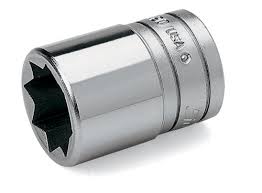
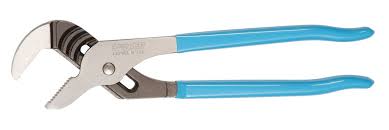
plumbers (Channel Lock)
Match the following

open end wrench

box end wrench

combination wrench
Match the following

slip joint pliers

locking pliers
(Vise Grip)

needle nose pliers

Linesman pliers
(electrician pliers)

What is this tool?
breaker bar
ratchet
torque wrench
wrench

What is this tool?
adjustable wrench
combination wrench
ball peen hammer
line wrench

What is this tool?
pry bar
chisel
Philips screwdriver
flat head or slotted screwdriver

What is this tool?
Philips screwdriver
slotted or flat head screwdriver
pry bar
chisel

What is this tool?
chisel
flat head or slotted screwdriver
Philips head screwdriver
pry bar

What is this tool?
slip joint pliers
side cuting pliers
needle nose pliers
Linemen pliers

What is this tool?
slip joint pliers
adjustable pliers
needle nose pliers
duck bill pliers

What is this tool?
slip joint pliers
pry bar
needle nose pliers
hammer

What is this tool?
Dead Blow Hammer
Claw Hammer
Rubber Mallet
Ball Peen Hammer

What is this tool?
Breaker Bar
Ratchet
Hammer
Wrench
Match the following tools

Nut Driver

Electric Screwdriver

Phillip's Head Screwdriver

Flat Head Screwdriver

Torx Screwdriver
Which tool is a vise?


Which tool is a hack saw?


Which tool is the best one for loosen or tightening a nut or bolt?


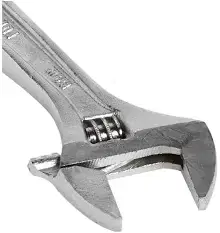

Which tool is a hammer with one round end and one flat end; made of softer steel so you can use it on harder materials such as metal?
ball pein hammer
mallet hammer
nail or claw hammer
sledge hammer

The most common hand tool, has a tip which fits into the head of a screw and is used to tighten or loosen screws.
level
hammer
pliers
screw driver
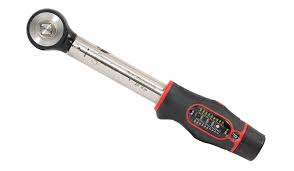
When using a torque wrench to tighten a bolt and ensure that it is properly aligned, you place one hand on the _____.
Which of these tools is a corded drill?

Which tool is this?
Phillips screwdriver
regular or flat head screwdriver

Which tool is this?
Claw Hammer
Mallet
Punch
Ball and Peen Hammer

Which tool is this?
Adjustable End Wrench
Box Wrench
Open end wrench
Allen wrench
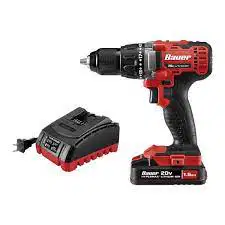
Which tool is this?
Right-Angle Drill
Cordless drill
Impact driver
Hammer drill
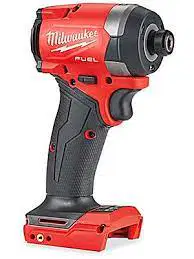
Which tool is this?
Impact driver
Cordless hand drill
Hammer drill
Right-Angle Drill

What is this tool?
claw hammer

Which tool is this?
When placing work in a vise, it must be held:
As low and close to the vice as possible
As high as possible in the vice
In the middle of the work and vice
at the tip of the vice
How close a series of measurements are to one another (repeatability, consistency) is called?
Accuracy
How close a measurement is to the goal is called?
Precision
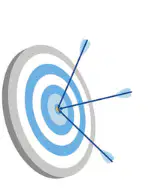
These arrows display an archer who has?
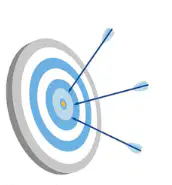
These arrows display an archer who has?
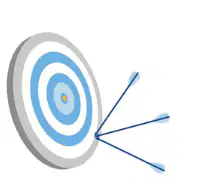
These arrows display an archer who has?
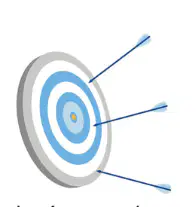
These arrows display an archer who has?
Can our classroom be a dangerous place?
Yes
No
Maybe
IDK
All students must _____ ______ _____ at the end of class.
leave all tools
leave the area
clean up area
None of the above
Most incidents don’t just happen, they are caused by...
Human Error
Taking Short Cuts
Unclear or Unsure Instructions
All of these Answers
Oily rags are disposed of in a separate container for combustible materials.
True
False
Throw or Toss
Use
Show
Drop
In the case of fire in the classroom, you are to:
Run and hide in the shop
Begin battling the fire
Panic and start screaming for help
Notify the instructor immediately
If you are ever in doubt about any procedure in the shop, the best person to ask for help from is:
Your best friend
The custodian
A classmate
The teacher
If you see a broken or damaged tool, you are to notify:
The main office
A classmate
The teacher
None of these
The proper procedure for using a fire extinguisher to fight a fire is to:
Point the nozzle at the top of the flames
Point at the middle of the flames
Cover the area around the fire to keep it from spreading
Point the nozzle at the base of the source of the fire
Oil on the floor is a slip and fall hazard.
Crocs are an acceptable shoe to wear in the shop
True
False

If a tool or its power cord are damaged, you are to.
Immediately place the tool back where I found it and tell the teacher
Mark the tool as damaged and tell the teacher so it will not be used
Use it anyway
Should water (or any other liquid) ever be present around electronics?
When working in the classroom, when is loose hair and clothing pulled back or tied off?
Two common causes for an accident are.
Not paying attention/Singing
Not listening/Making incorrect decision
Making wrong decision/Engaging in Horseplay
Making incorrect decision/Not paying attention
It is important to keep your workstation:
Clean
Safe
Secure
All of these
Before you leave your workstation, you need to:
Clean your area and remove and put away excess scrap
Unplug and put away tools
Store your project materials in an appropriate area
All of These
If you get a cut, bruise, or any other injury, you are to...
Put a bandaid on, and keep working
Keep working
Tell an instructor
Go straight to the office
Before starting to work, you are to...
Make sure you have a clean workspace
Have a plan for what to do
Make sure you are wearing personal protective equipment
All of the above
What is considered proper attire in the work area?
Hair Tied Up and no dangly jewelry
Sweatshirt strings tuck and no loose clothes
Wearing Safety glasses
All of the above
The state of being free from danger, risk, or injury is called:
accidental
awareness
first aid.
safety
Which of the following is NOT a type of Personal Protective Equipment (PPE)?
Hard hat
Safety harness
Sandals
Respirator
What are you to do before using any tool for the first time?
Read the instruction manual
Watch someone else use it
Use it without any preparation
Ask a friend for tips
Which of the following is a safe practice when using hand tools?
Using a tool with a damaged handle
Carrying tools in your pockets
Using the correct tool for the job
Leaving tools on the floor
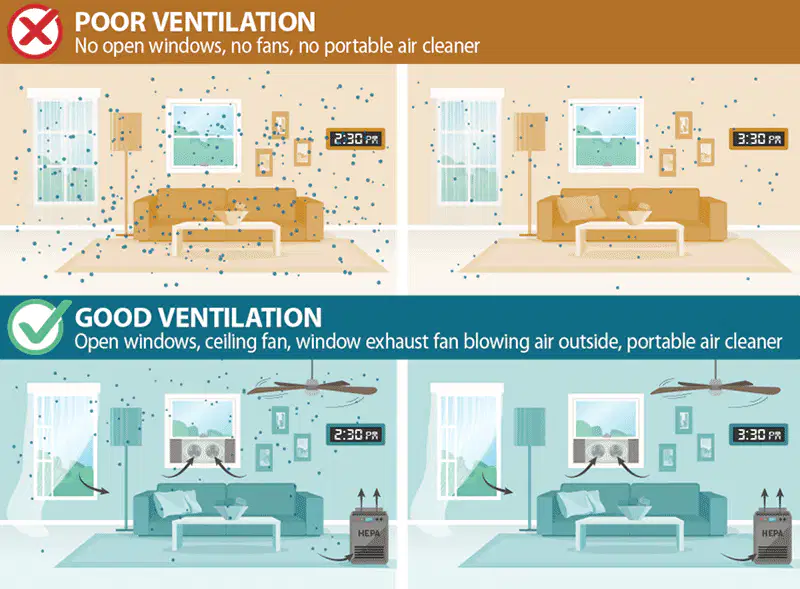
Adequate ventilation is to be used when dust and fumes are present.
True
False
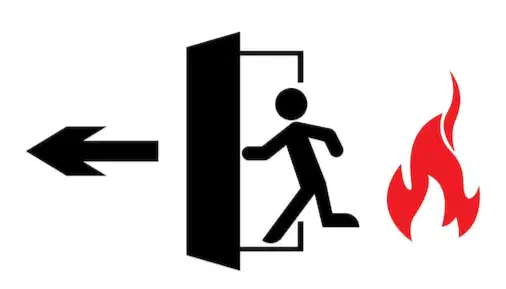
In the case of fire, students are to exit the classroom quietly and orderly.
True
False

Most accidents are caused when safety rules are not followed.
True
False
What is to be done with waste in the classroom?
Leave it in the aisles
Dispose of it properly and promptly
Burn it
Store it in a corner

