
Font size
 Worksheets
Energy Storage Systems Including Batteries - Springs
Total questions: 42
Worksheet time: 21mins
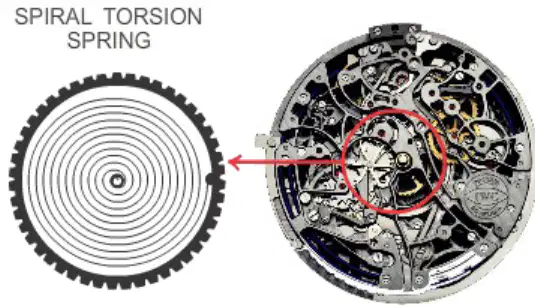
The gear wheel on the outer rim of the watch mechanism is used to:
Wind the watch
Display the time
Adjust the date
Illuminate the dial
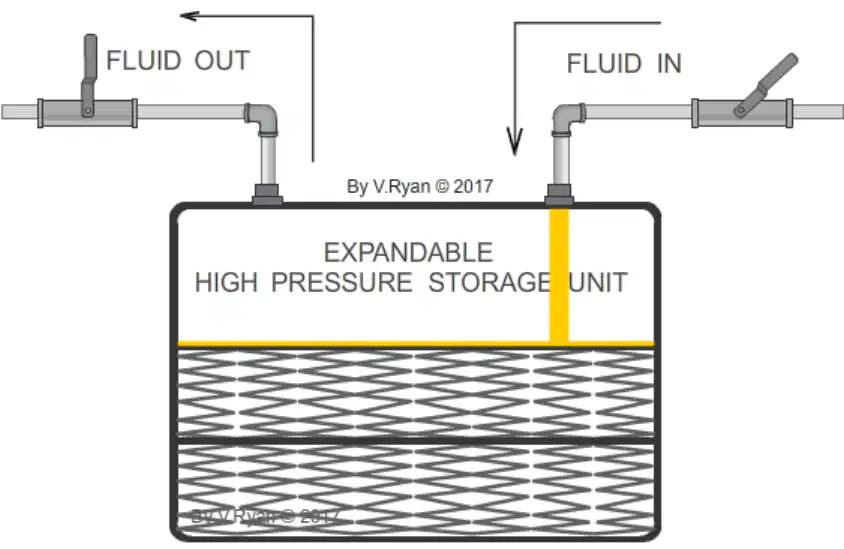
Refer to the diagram and text: The expandable high pressure storage unit stores energy by compressing ________ when fluid is forced in.
springs
oil
valves
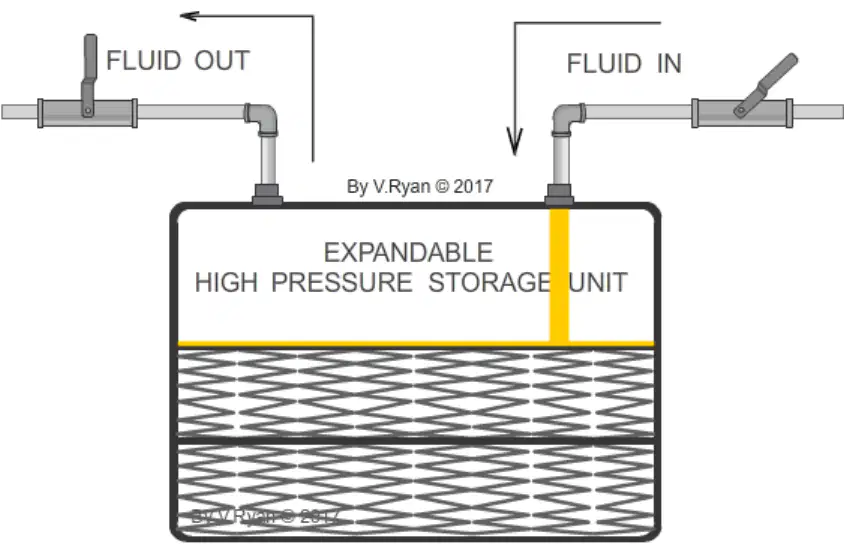
What happens when the valve allowing fluid to exit the storage unit is opened?
Fluid flows out of the storage unit.
The storage unit remains unchanged.
The valve closes automatically.
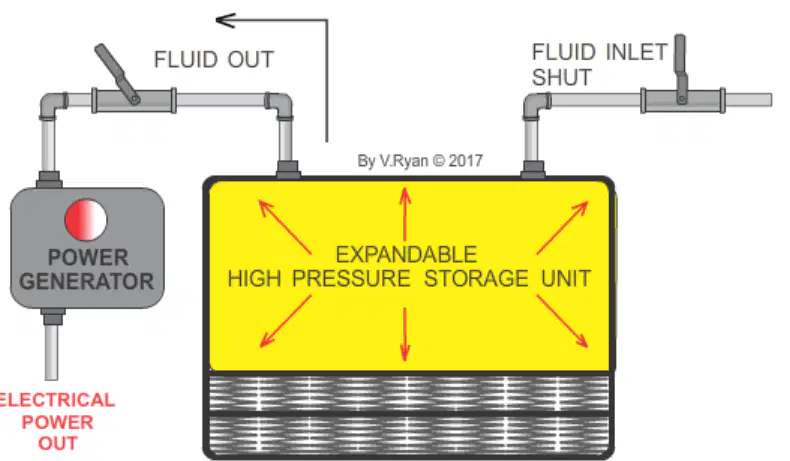
What is the function of the 'EXPANDABLE HIGH PRESSURE STORAGE UNIT' in the system?
To store electrical power
To store high-pressure fluid
To cool the fluid
What is one of the main properties of springs?
Springs absorb sudden shocks and vibrations
Springs are used to cook food
Springs are used to make clothes
Springs are used to paint walls
Springs are used to store ________ (wind-up toys and clock mechanisms).
energy
water
air
sound
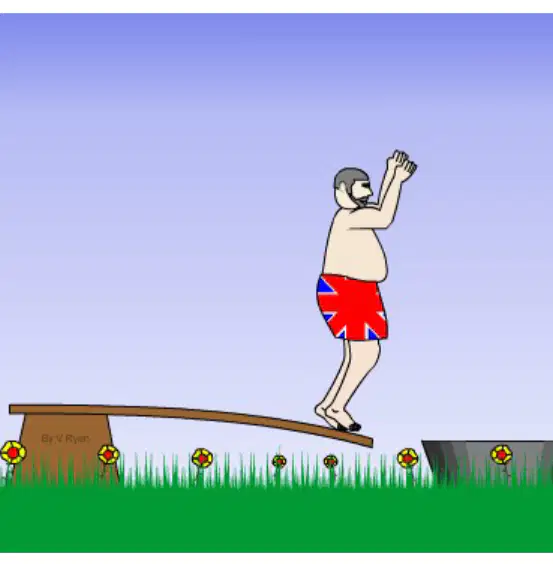
The function of a springboard at a swimming pool is:
to provide a platform for diving
to increase the height and distance of a dive
to keep swimmers safe
to mark the deep end of the pool
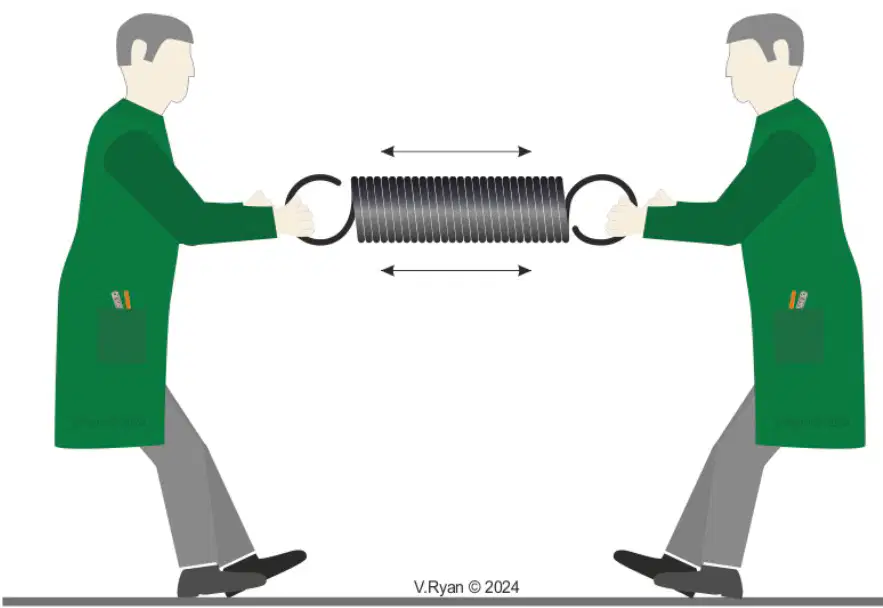
Based on the diagram and information provided, what is the main function of an extension spring?
Resisting compression
Resisting stretching
Increasing friction
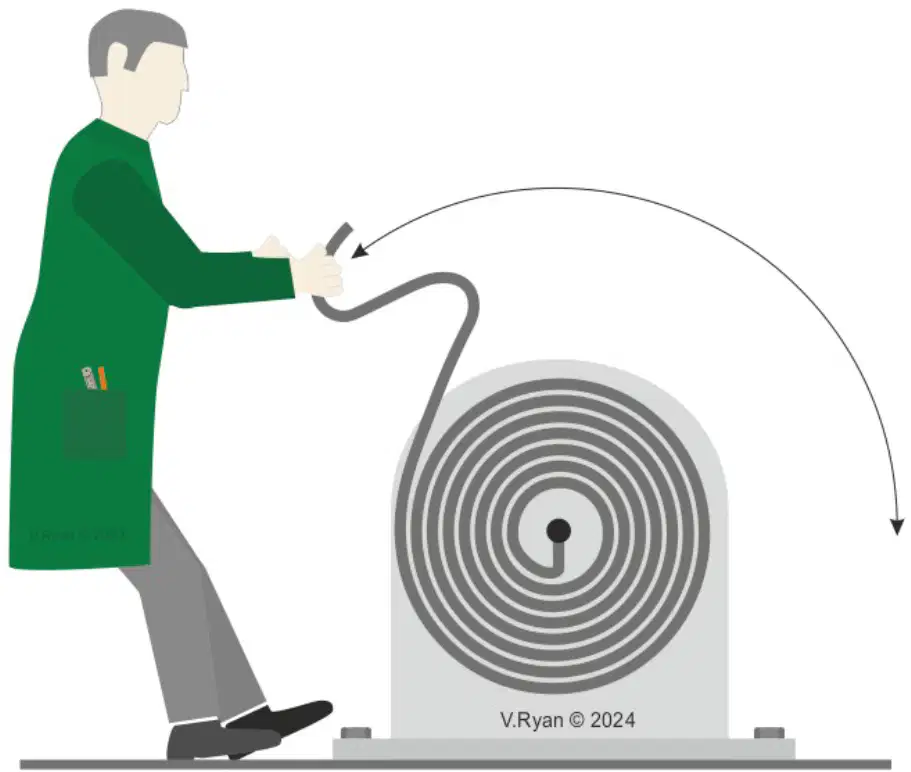
Look at the diagram showing a person compressing a large coil spring. What is the main function of the spring in this diagram?
To store electrical energy
To resist compression and store mechanical energy
To generate heat
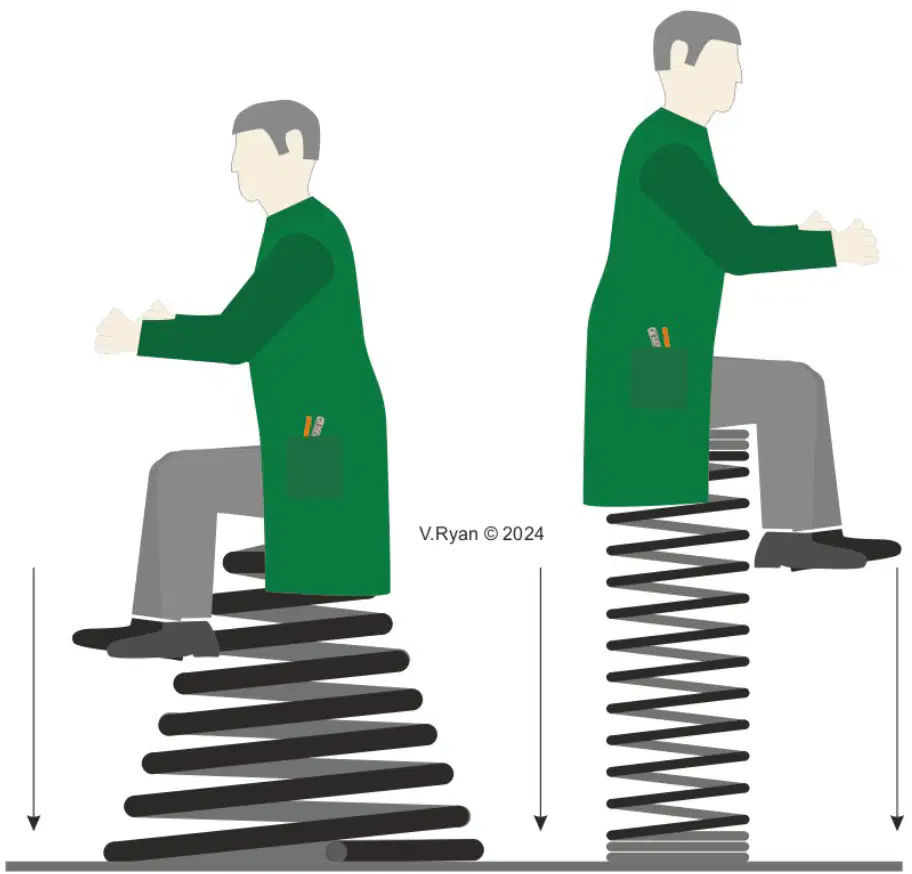
Which spring is more compressed, the one on the left or the one on the right?
The spring on the right is more compressed.
The spring on the left is more compressed.
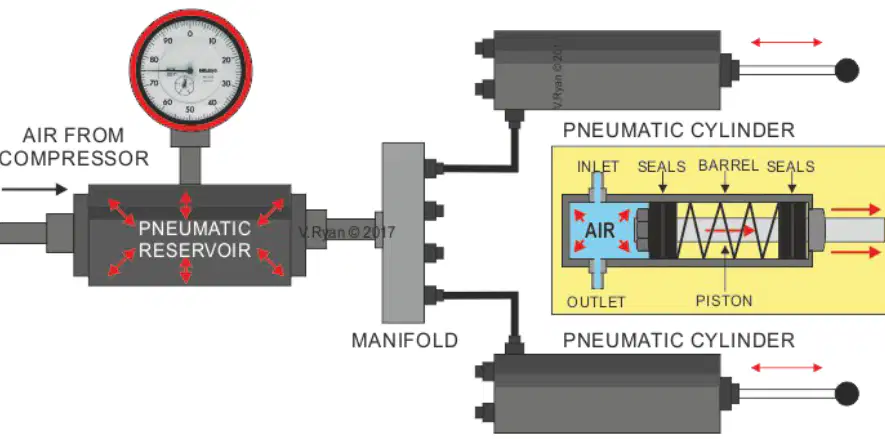
Refer to the diagram labeled 'PNEUMATIC RESERVOIR', 'MANIFOLD', and 'PNEUMATIC CYLINDER'.
Pneumatic Reservoir
Stores compressed air
Manifold
Distributes air to different parts of the circuit
Pneumatic Cylinder
Converts air pressure into mechanical movement
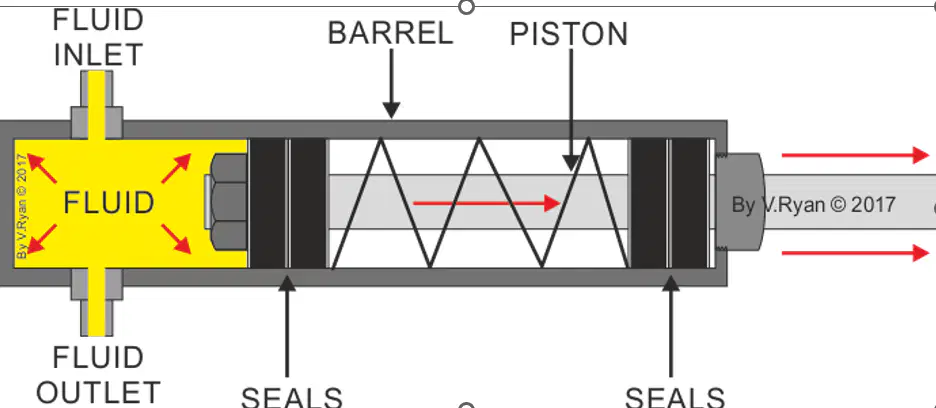
Hydraulic systems are similar to pneumatic systems. However, instead of using air to create pressure, they use a fluid, usually _____?
oil
mercury
alcohol
Which of the following is usually used as the fluid in hydraulic systems?
Water
Oil
Air
Gas
Hydraulic systems tend to be much more powerful than pneumatic systems.
True
False
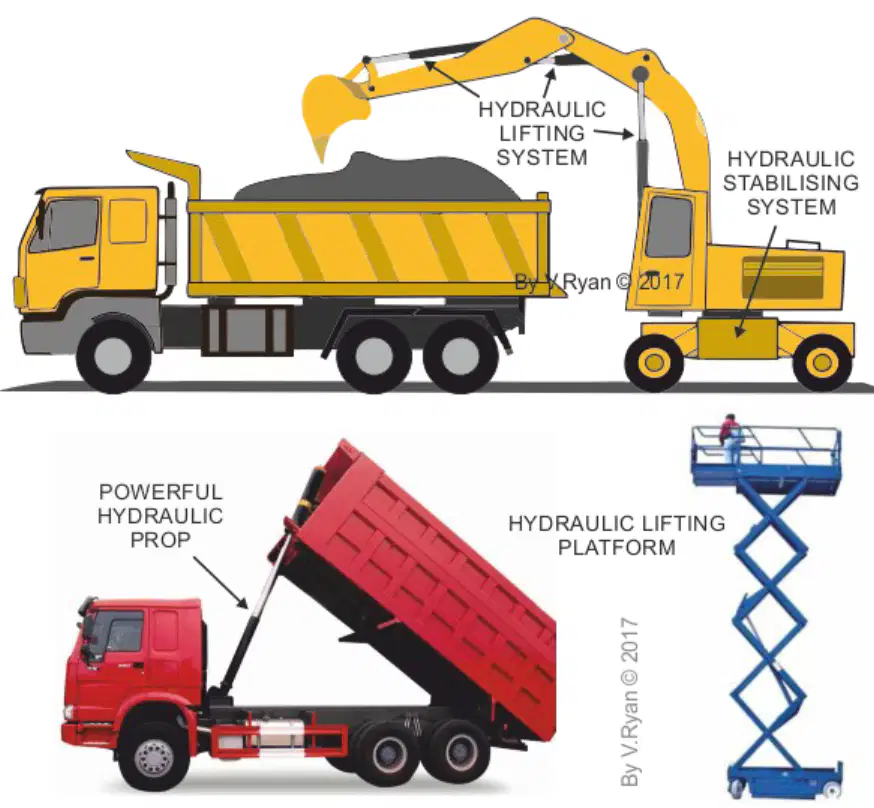
Look at the diagram. Which part is labeled as the 'HYDRAULIC LIFTING SYSTEM'?
The arm of the excavator is labeled as the 'HYDRAULIC LIFTING SYSTEM'.
The bucket of the excavator is labeled as the 'HYDRAULIC LIFTING SYSTEM'.
The cabin of the excavator is labeled as the 'HYDRAULIC LIFTING SYSTEM'.
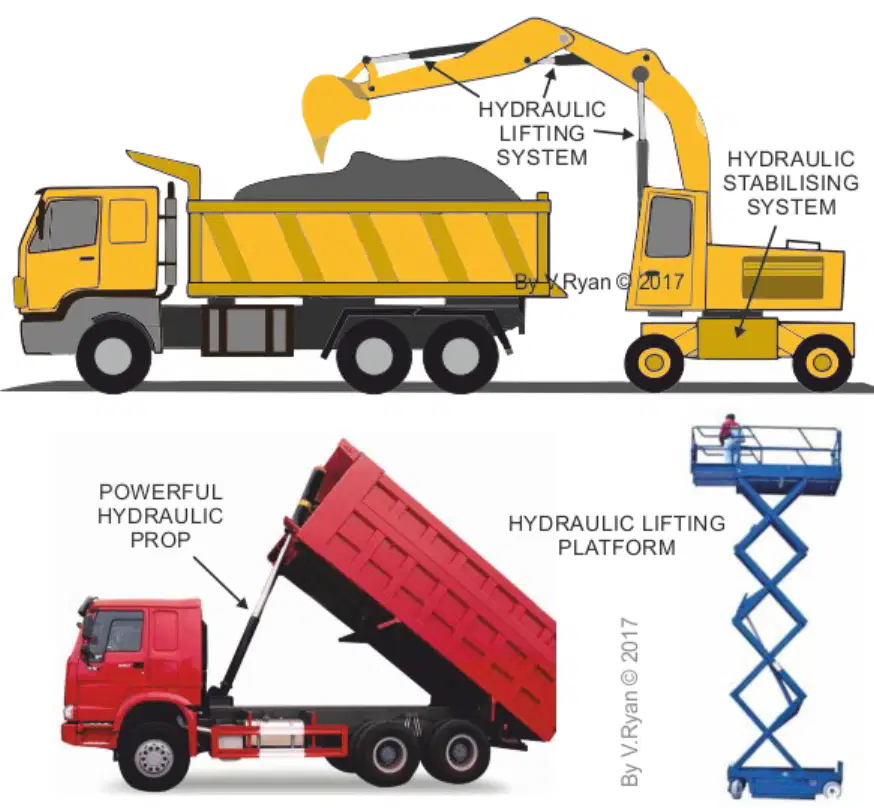
Match the following hydraulic system parts to their correct vehicle or equipment:
HYDRAULIC LIFTING SYSTEM
Excavator arm
HYDRAULIC STABILISING SYSTEM
Excavator base
POWERFUL HYDRAULIC PROP
Dump truck
HYDRAULIC LIFTING PLATFORM
Scissor lift
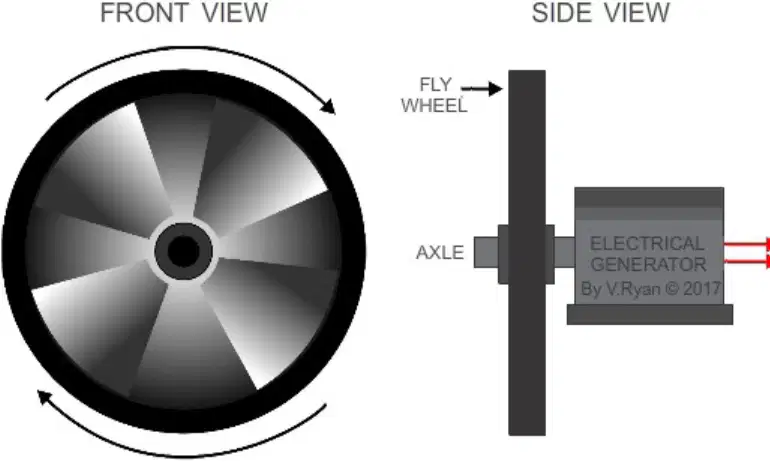
What is the main function of the flywheel in this setup?
To smooth overall power output and provide additional power when engaged.
To control the direction of rotation in the system.
During Victorian times, flywheels were manufactured from which materials?
Carbon fibre
Iron and steel
Plastic
Modern flywheels are manufactured from other materials such as ________.
carbon fibre
wood
plastic
aluminium
Modern bearings are magnets, which create very little friction.
True
False
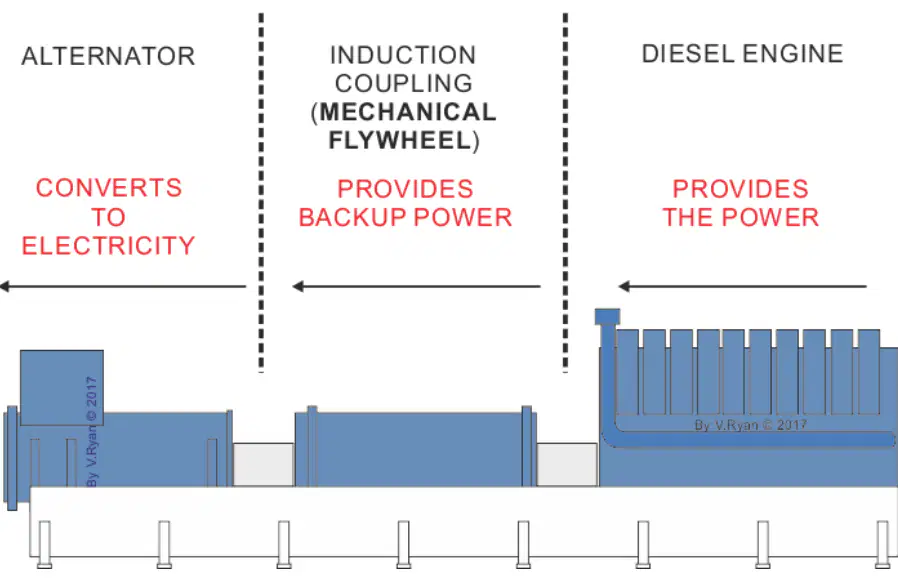
Which component in the Rotary UPS system provides backup power?
Alternator
Induction Coupling (Mechanical Flywheel)
Diesel Engine
Battery
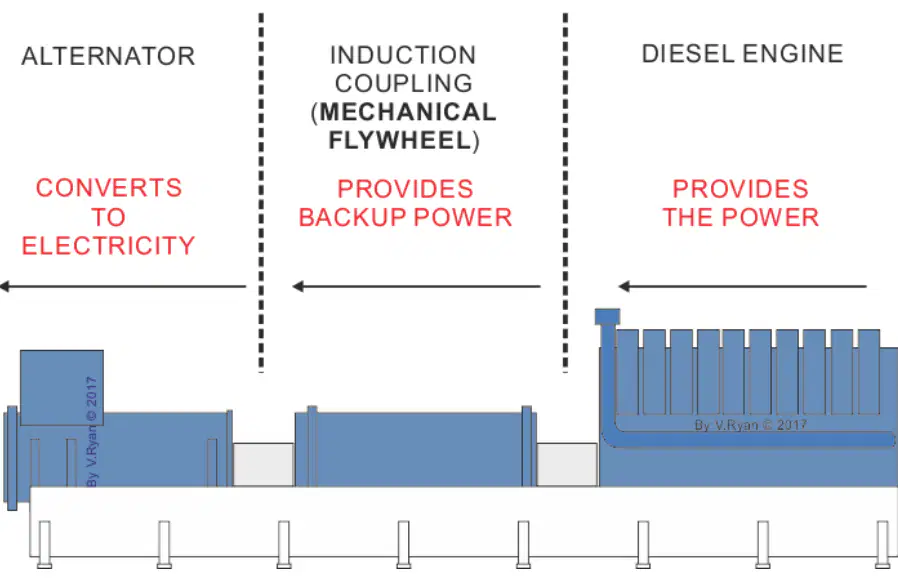
Based on the diagram, The alternator in the Rotary UPS system ________ to electricity.
converts
transports
stores
removes
What is the voltage range of usual batteries?
0.5 volts to 5 volts
1.5 volts to 9 volts
5 volts to 12 volts
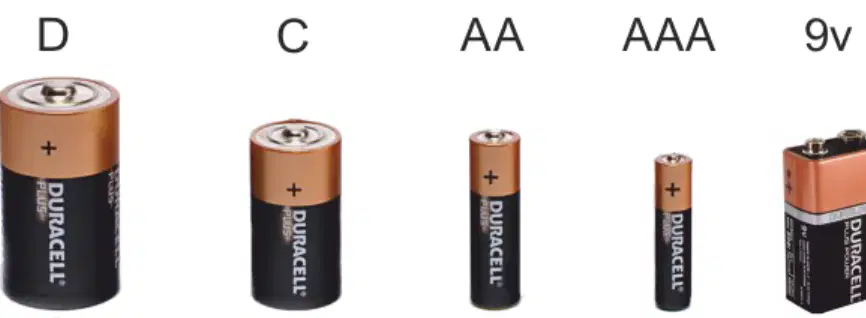
Which of the following is NOT a type of cylindrical battery shown in the image?
D
C
AA
Button cell
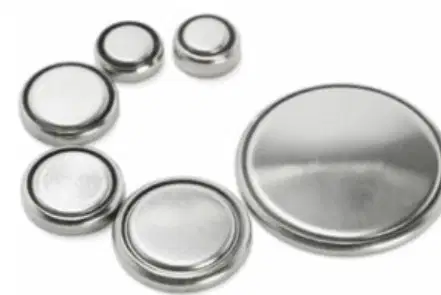
Button cells are usually rated at ______ volts or ______ volts.
1.5, 3
2, 4
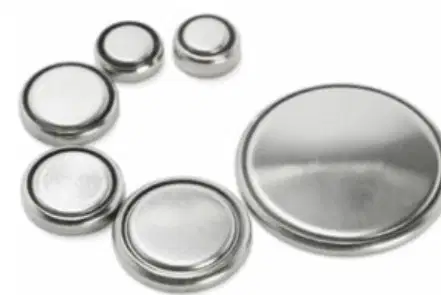
What is a good example of a device that uses button cells?
Modern watches
Refrigerators
Television sets
Washing machines
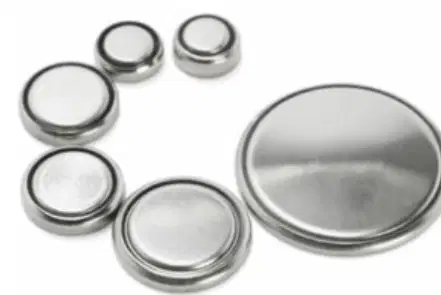
Which of the following devices is NOT typically powered by button cells?
Hearing aids
Low power calculators
Electric cars
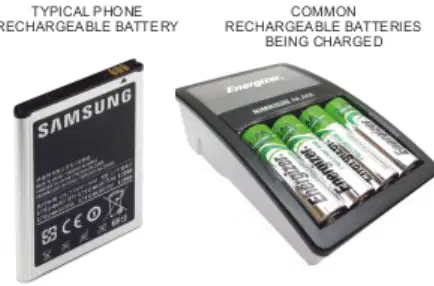
What are rechargeable batteries commonly used in?
Rechargeable batteries are commonly used in electronic devices, ranging from phones to radios and torches.
Rechargeable batteries are commonly used in cooking appliances, such as ovens and stoves.
Rechargeable batteries are commonly used in clothing items, such as shirts and pants.
What makes recycling batteries difficult?
The toxicity of the heavy metals (nickel, cadmium, and mercury) makes recycling batteries difficult.
Batteries are too lightweight to be recycled efficiently.
Recycling batteries produces more energy than it saves.
What is one way recycling technology helps the environment?
The process reclaims various metals for reuse, either in the production of new batteries or for other products.
It increases the amount of waste in landfills.
It releases more harmful chemicals into the air.
Using rechargeable batteries shows your commitment to protecting the ________.
environment
weather
electricity
batteries
What is an example of such a device that contains rechargeable batteries and can be charged by winding a handle?
A torch (flashlight)
A microwave oven
A desktop computer
What happens when the handle of the torch is turned?
A small electrical generator produces electricity that is stored in the rechargeable batteries.
The torch automatically turns off to save power.
The handle becomes hot and glows.
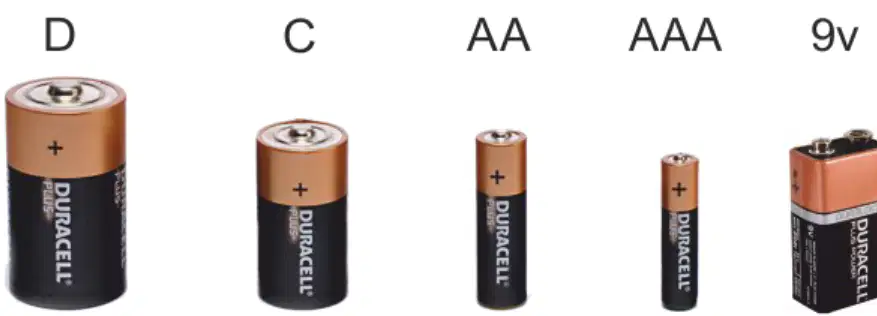
Which of the following is NOT a type of battery shown in the image?
D
C
AA
B
9v
When a torch is turned on, what flows from the battery and through the torch circuit to illuminate the LED/bulb?
Electrons / electricity
Water
Air
Sound
Batteries are built up of one or more ________ cells.
electrochemical
mechanical
thermal
In a single electrochemical cell, what are the two electrodes called?
Anode (+) and Cathode (-)
Emitter and Collector
Plate and Grid
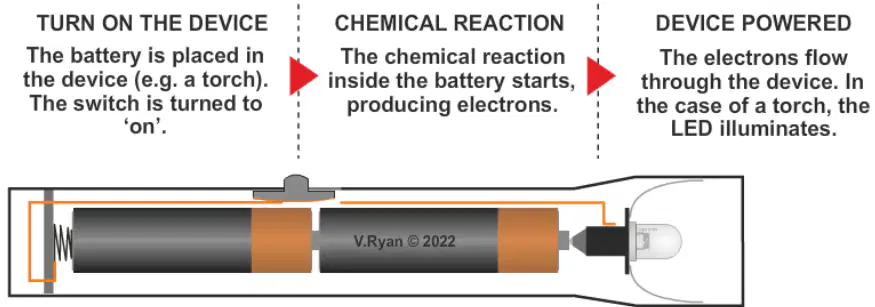
Refer to the diagram of a simple circuit powered by a pair of AA batteries. What is the first step in powering the device?
The electrons flow through the device
The switch is turned to 'on' after placing the battery in the device
The chemical reaction inside the battery starts
The LED illuminates
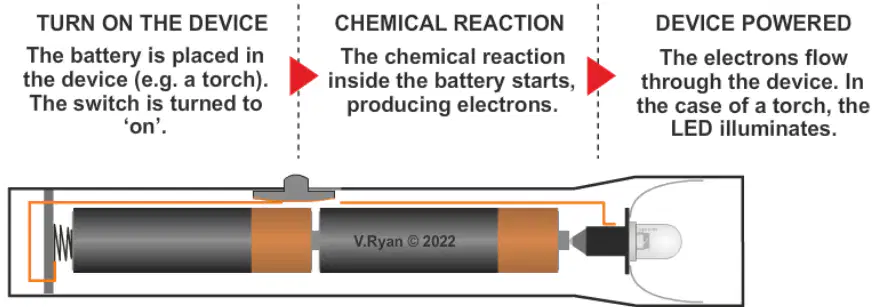
In the process of powering a device with AA batteries, what happens after the switch is turned on?
The chemical reaction inside the battery starts, producing electrons.
The battery immediately overheats and stops working.
The device starts charging the battery.
The battery releases gas into the device.
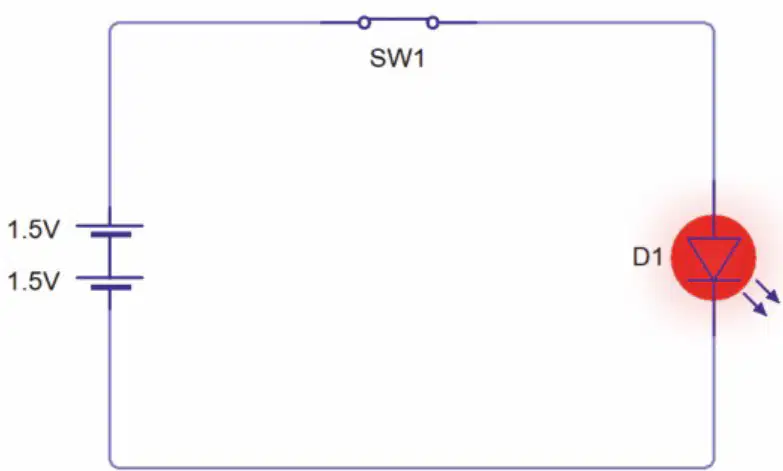
In the circuit wizard simulation, what component is represented by 'D1'?
LED (Light Emitting Diode)
Resistor
Capacitor
Transistor
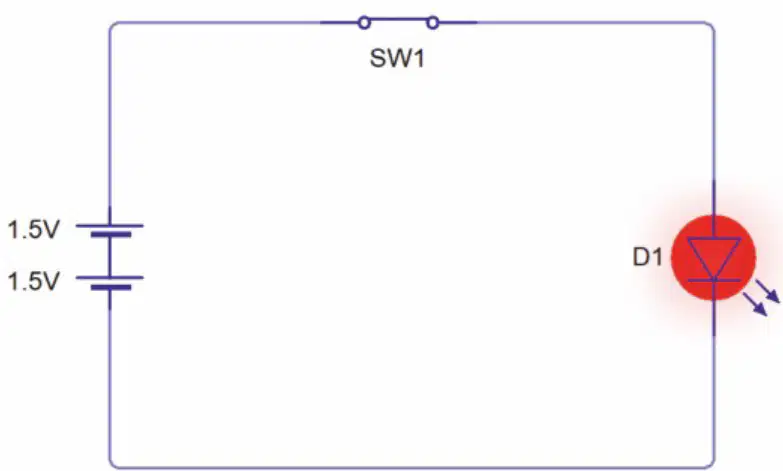
In the pictorial representation of the circuit, two 1.5V batteries are connected in series to power the LED.
True
False
Hydraulic systems are similar to pneumatic systems. However, instead of using air to create pressure, they use a fluid, usually _____?
oil
water
mercury
alcohol

