
Font size
 Worksheets
SPACE CAT: Rhetorical Situation
Total questions: 43
Worksheet time: 21mins

What does the term "rhetorical situation" refer to in the context of communication?
The emotional appeal used in a speech
The context in which a communication takes place
The logical structure of an argument
The style and tone of a written piece

What is a rhetorical situation?
A situation where individuals write without any context.
A situation where individuals write within a particular situation and make strategic writing choices based on that situation.
A situation where individuals write randomly without any purpose.
A situation where individuals write only for entertainment.

What does the acronym SPACE stand for in the context of the rhetorical situation?
Speaker, Purpose, Audience, Context, Exigence
Speaker, Plan, Audience, Context, Example
Speaker, Purpose, Audience, Content, Exigence
Speaker, Purpose, Audience, Context, Example

What does the acronym SPACE CAT stand for in the context of rhetorical analysis?
Speaker, Purpose, Audience, Context, Exigence, Choices, Appeals, Tone
Speaker, Purpose, Audience, Context, Exigence, Choices, Analysis, Tone
Speaker, Purpose, Audience, Context, Exigence, Choices, Appeals, Theme
Speaker, Purpose, Audience, Context, Exigence, Choices, Analysis, Theme

What is the role of the speaker in delivering a message to an audience?
To entertain the audience
To deliver a message
To create a distraction
To provide background music

What should be identified about the historical person related to a primary source?
Their favorite color
Their role in a historic event
Their parents
Their likes

What is the primary focus when determining the purpose of a speech?
The length of the speech
The expected or intended outcome
The number of audience members
The time of day the speech is given

Which question helps identify the rhetor's goal in a speech?
What is the audience wearing?
What does the rhetor want the audience to do?
How long is the speech?
What is the weather like?

What does the term "audience" refer to in the context of a speech or performance?
The performers on stage
The observers, spectators, or listeners
The lighting and sound crew
The venue where the event is held

In writing, what can the term "audience" refer to?
The intended readership
The author of the piece
The publisher of the book
The editor of the article
What does the term "context" refer to in a writing situation?
The main idea of the text
The external circumstances surrounding the writing
The author's personal opinion
The conclusion of the text

Why is it important to consider events happening around the time period of a text?
To understand the author's influences and the audience's influences at the time.
To determine the length of the text
To see the text for just what it is in a vacuum.
To decide the font style of the text

What does the term "exigence" refer to in rhetoric?
A long-term trend in communication
An immediate issue prompting communication
A general context for writing
A historical event influencing speech

What are rhetorical choices in writing?
Choices a writer makes to entertain
Choices a writer makes to inform
Choices a writer makes while trying to persuade
Choices a writer makes to describe

What are rhetorical appeals and how do they function in writing?
They are ways to structure a story.
They are methods to appeal to an audience's emotions, logic, and character.
They are techniques for writing poetry.
They are strategies for organizing paragraphs.

How can the tone of an author be determined?
By examining the author's diction, syntax, and imagery
By analyzing the author's biography
By looking at the book's cover design
By considering the author's age
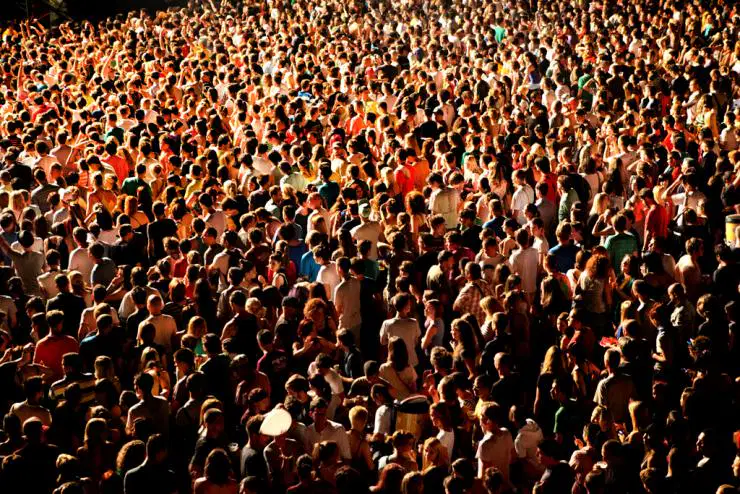
What does the term "audience" refer to in a rhetorical situation?
The physical location where the communication takes place.
The group of people the message is intended to reach.
The person delivering the message.
The time at which the communication occurs.

Which of the following best describes the "purpose" in a rhetorical situation?
The medium through which the message is delivered.
The reaction expected from the audience.
The reason behind the communication.
The historical background of the topic.

How does the context of communication influence the rhetorical situation?
It determines the language and examples the speaker uses.
It only affects the length of the communication.
It has no significant impact on the rhetorical situation.
It dictates the physical setting of the communication.

In a rhetorical situation, the role of the speaker is to
Listen to the audience's feedback.
Deliver the message effectively to the audience.
Choose the communication channel.
Analyze the feedback after the communication.

What is "exigence" in a rhetorical situation?
The detailed analysis of the audience.
The urgency or necessity of the communication.
The background information necessary for understanding the message.
The method used to deliver the message.

Identifying the audience in a rhetorical situation helps the speaker to:
Choose the appropriate time for communication.
Tailor the message to fit the audience's needs and expectations.
Determine the physical location for the communication.
Decide on the communication channel to be used.

The context of communication includes which of the following elements?
The speaker's personal opinions.
The audience's previous knowledge on the topic.
The time and place of the communication.
Both B and C.

Which of the following is NOT a role of the speaker in a rhetorical situation?
To persuade the audience.
To entertain the audience.
To ignore the feedback from the audience.
To inform the audience.

Analyzing the context of communication helps in understanding:
The speaker's personal life.
The appropriateness of the message for the given audience.
The financial cost of the communication.
The technological requirements for the communication.

The goals the writer or speaker wants to achieve
audience
exigence
speaker
purpose

The receivers of the message who often have a variety of values and beliefs
speaker
purpose
audience
context

The time, place, and occasion
exigence
context
speaker
audience

TRUE or FALSE: Exigence is different from purpose because it is more about what is compelling speakers to say something, and less about what they want to accomplish.
TRUE
FALSE

In considering the audience, one must examine
The audience's assumptions or beliefs
The audience's values
The culture that a specific target group in the audience may be immersed in
All of the above

What is the primary goal of analyzing a rhetorical situation?
To understand the grammatical structure of the message.
To evaluate the effectiveness of the communication.
To memorize the content of the message.
To ignore the context of the message.

Which of these are appeals that a writer might use? (More than one answer may be correct.)
ethos
logos
pathos
gyros
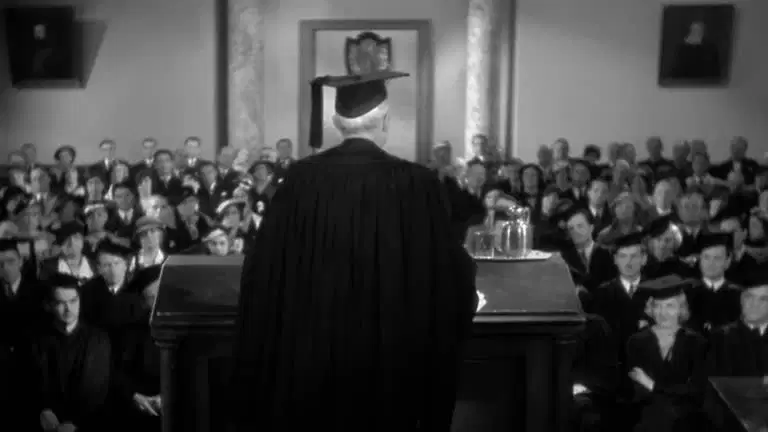
What is important to consider about an audience?
Their age
How much they know about the topic
Their socio-economic background
Their opinion on the topic

Define exigence
The why "now"?; the spark of catalyst that moved the speaker to act
The history of the speech
What the speaker is trying to accomplish
The circumstances, atmosphere, attitudes, and events surrounding a text

Support for an argument that appeals to the audiences sense of Logic is called...
Ethos
Pathos
Logos
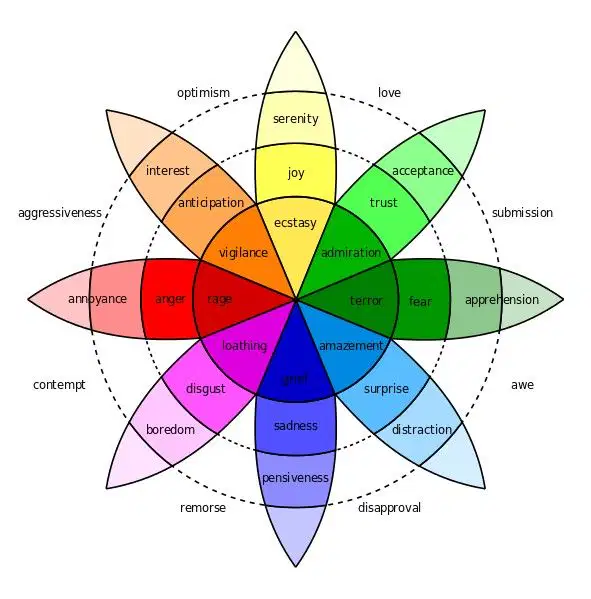
The appeal that gives support for a claim by eliciting an emotional response from the audience is called
Ethos
Pathos
Logos
Claim

The appeal that relies on a speaker's position or authority to support a claim is categorized as this type of appeal.
Ethos
Pathos
Logos

What is the term for the context in which communication takes place, including the speaker, audience, and purpose?
Ethos
Rhetorical Situation
Pathos
Logos

Which of the following is the clearest example of a rhetorical choice an author might make?
Choosing to begin with a personal anecdote
Submitting the essay on time
Checking spelling before turning it in
Turning in the work
What rhetorical choice are writers making if they address counterarguments in their essay?
Ignoring the audience
Organizing by cause and effect
Strengthening their own argument by considering opposing views
Using rhyme and meter

A scientist cites multiple studies and uses statistics to support a claim. What kind of appeal is this?
Ethos
Pathos
Logos
Kairos

What does the term "tone" refer to in a piece of writing?
The main idea of the passage
The author’s attitude toward the subject or audience
The order of events in the story
The setting of the story

Which of the following is the BEST way to determine the tone of a passage?
By counting the number of paragraphs
By looking for the feeling of the author’s word choice and descriptions
By checking the font style used
By identifying the main characters

