
 Worksheets
2nd form - P.E
Total questions: 32
Worksheet time: 18mins
Skeletal muscles are involuntary.
true
false
Tendons are attached to bones.
true
False
Muscles contract and relax.
true
false
The heart is a muscle.
True
false
The heart muscle is as known as the _________muscle.
cardiac
skeletal
chronic
smooth
The skeletal and muscular systems work together to ___________
Allow movement
Give strength
protect organs
maintain temperature
When muscles contract they _____________
shorten
lengthen
relax
stay the same
_________connect bones to bones
tendons
ligaments
bones
muscles
_________ connect muscles to bones.
ligaments
tissues
muscles
tendons
During exercise muscles take up more _______from the blood.
white blood cells
red blood cells
oxygen
muscle
I am sometimes called a voluntary muscle.
smooth
skeletal
cardiac
What type of muscle does the human have no control over?
Cardiac
smooth
skeletal
The skeletal and muscular systems work together to produce movement. A joint is a place where two or more bones meet. ligaments connect bones to bones. Tendons connect muscle to bones. The increase in muscle size is known as hypertrophy. During exercise muscles take up more oxygen from the blood.
Which passage is correct?
Passage 1
Passage 2
Passage 3
All passages are incorrect
Overused injuries are a result of __________
( choose all that may apply)
overtraining
poor technique
insufficient rest between events
sleeping for more than 8 hours a day
poor equipment used
Which is NOT an effect on chronic injuries?
chronic injuries need time to heal.
chronic injuries are caused by insufficient rest.
chronic injures can lead to permanent damage.
chronic injuries can be treated at least 4 month later.
R. I. C. E represents...
Rest, ice, comply & elevation
Rest, ice, compression & elevation
Rice, ice, compression & elevation
warming up and cooling down correctly can help avoid sport injuries.
true
false
The forces that cause acute injuries can be _______
internal only
external only
both internal and external
Sarah twisted her ankle and continue to run on it.
What type of injury is it?
Acute
overused
chronic
Bob use to play volleyball while in school.
Now that he is 42 years old, he developed arthritis in both knees.
What type of injury is it?
overused
chronic
acute
Tara jumped and landed badly while playing netball.
What type of injury is it?
acute
overused
chronic
Which statement is true?
rotation is a circular movement at a joint.
rotation is back and forth movement at the joint.
rotation only happens in the knee.
Chronic injuries are also known as acute injuries.
true
false
Accidental injuries are also known as acute injuries.
true
false
The hamstring is found in the _________
front of the leg
front of the upper arm
back of the leg
back of the upper arm
Quadriceps is found in the ________
back of the foot
back of the leg
back of the upper leg
lower back region
The humerus is found in the ____________.
in the leg
in the upper arm
in the foot
in the hand
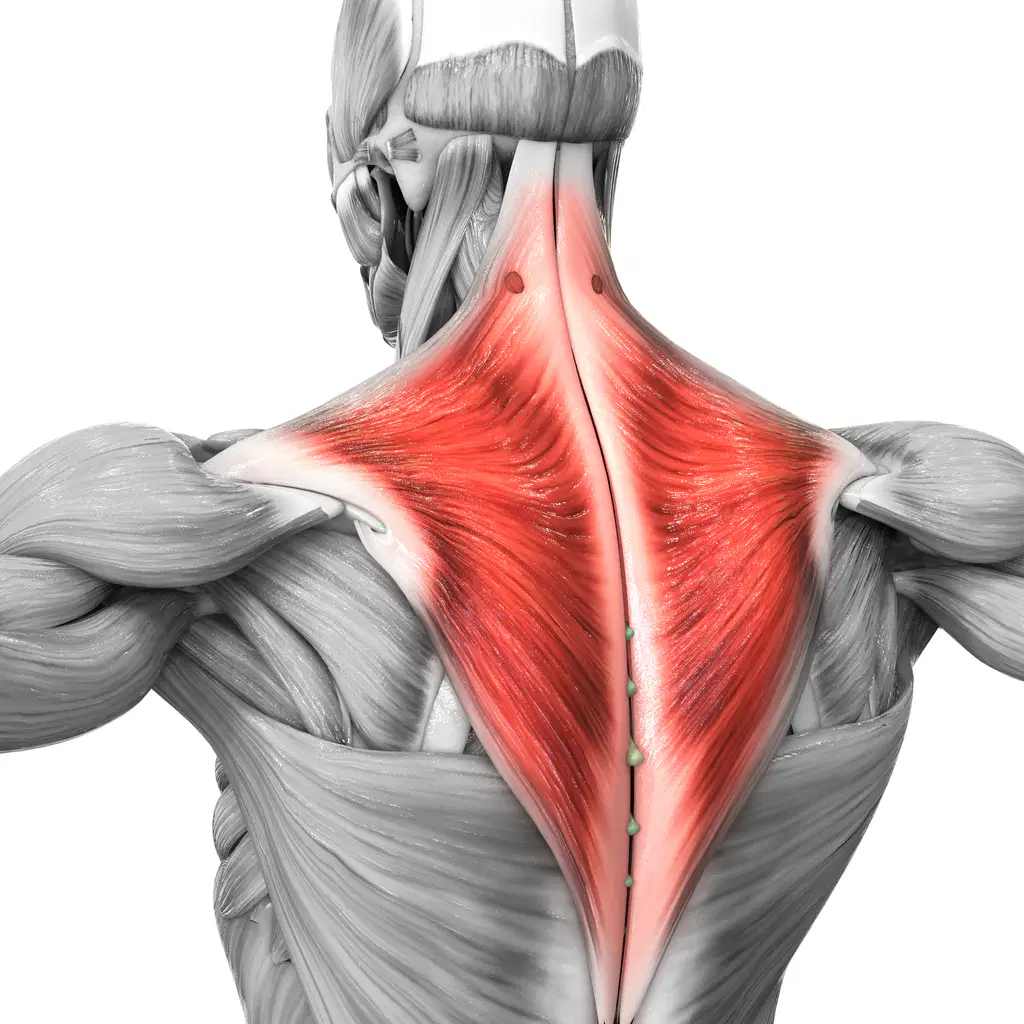
The area which is red is known as?
pectorials
trapezius
clavicle
deltoids
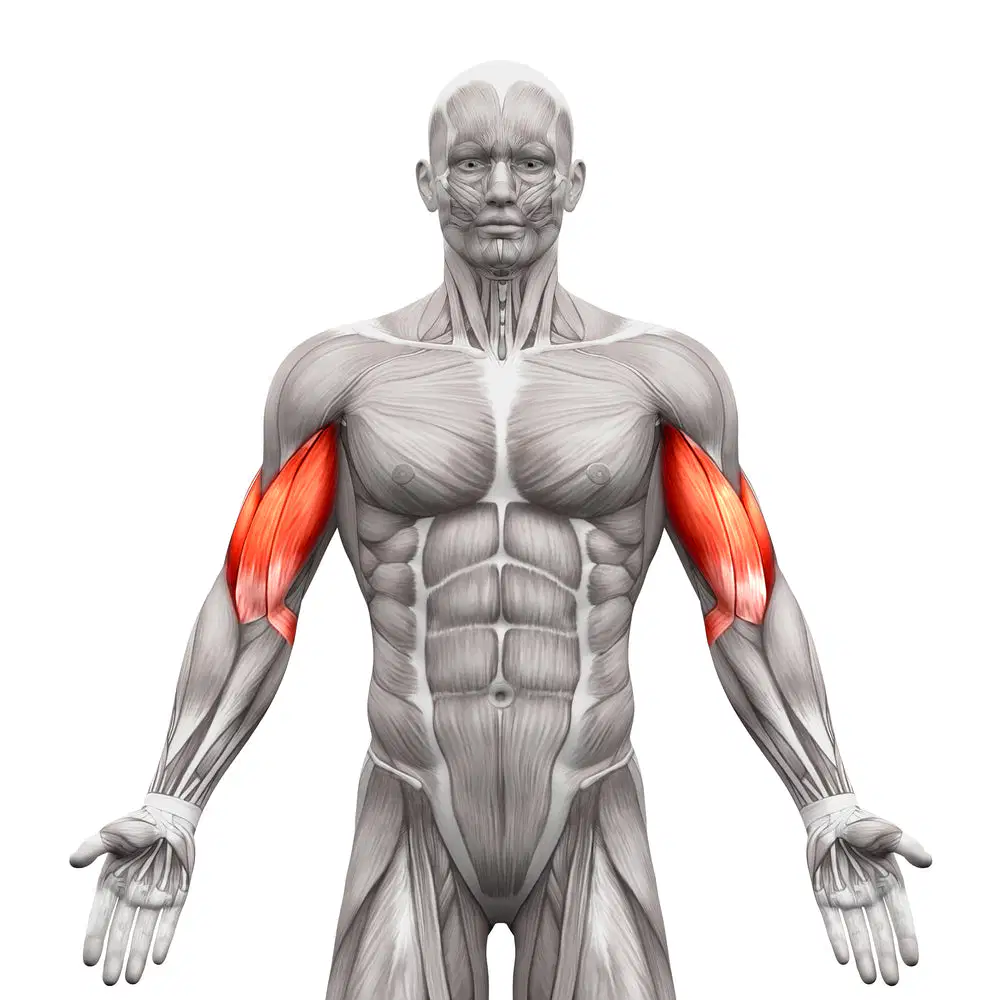
The muscles shown in the picture are the ______?
triceps
biceps
abdominals
trapezius
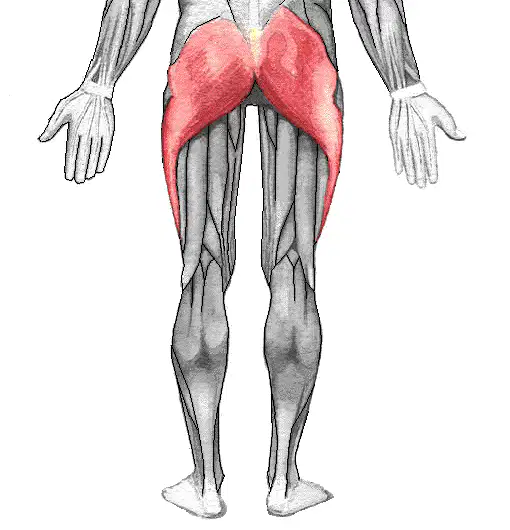
choose the correct name.
latissimus dorsi
gluteus maximus
gastrocnemius
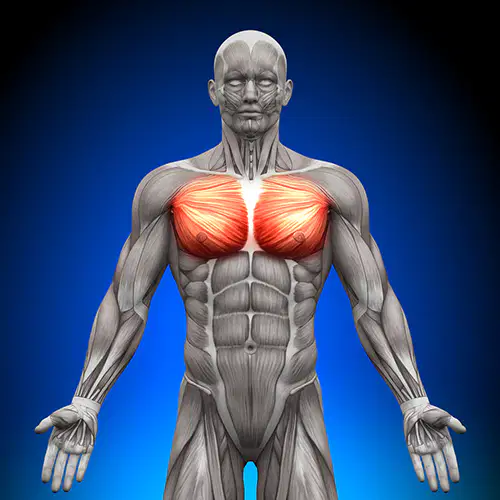
I am the _________.
trapezius
deltoids
Pectorals
gastroccnemius
The muscular system help maintain good posture.
true
false

