
 Worksheets
Unit 7 - Reform Test
Total questions: 40
Worksheet time: 20mins
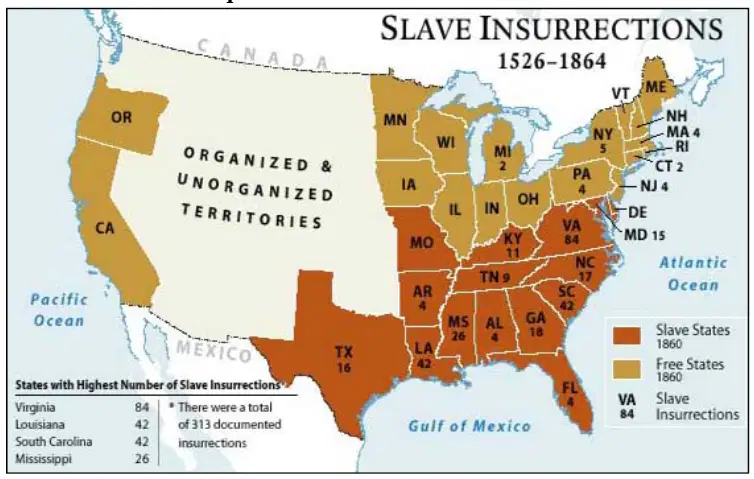
What is the purpose of this image?
To detail what area of our country was either territories or states
It shows where most people went on vacation between 1526-1864.
It depicts the effect of Northern abolition propaganda.
To show people where most of the slave insurrections occurred.
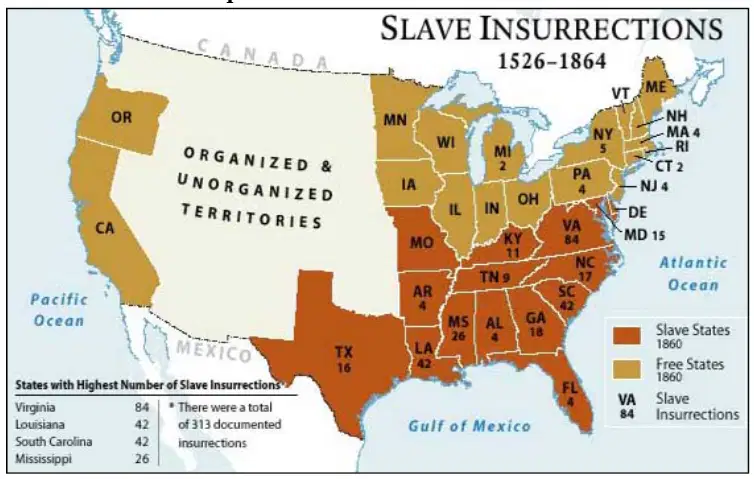
What were the historical circumstances that led to the creation of this image?
The Women’s Rights movement was gaining power.
American industries were taking advantage of their workers.
The abolition movement pushed more slaves to fight back against their owners.
The temperance movement used this photo to argue their case.
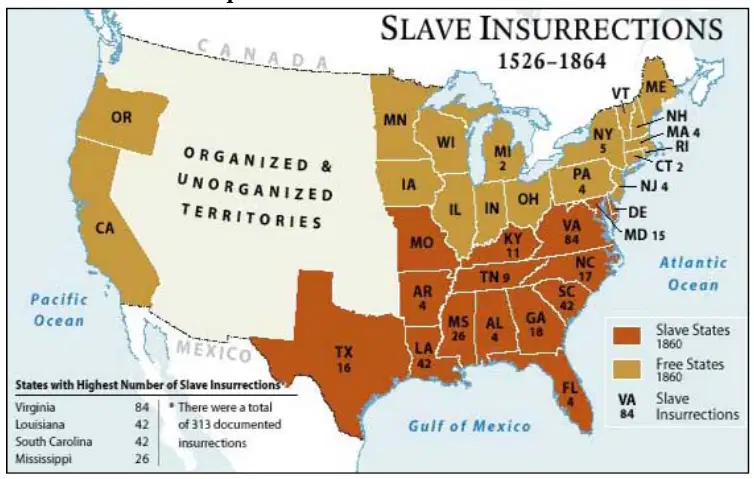
The best reason for most of the slave insurrections occurring in the South is due to
The South having warmer weather where more people want to be outside
Most states in the North making slavery illegal while slavery was greatly used in the South
The North outlawing slave insurrections.
The industrialization of the South
Read the quote below and answer questions 4-6: AIN'T I A WOMAN? "Well, children, where there is so much racket, there must be something out of kilter. I think that the negroes of the South and the women in the North, all talking about rights, the white men will be in a fix pretty soon. But what's all this here talking about? That man over there says that women need to be helped into carriages, and lifted over ditches, and to have the best place everywhere. Nobody ever helps me into carriages, or over mud-puddles, or gives me any best place! And ain't I a woman? Look at me! Look at my arm! I have ploughed and planted, and gathered into barns... And ain't I a woman? I could work as much and eat as much as a man - when I could get it - and bear the lash as well! And ain't I a woman? I have borne thirteen children, and seen most all sold off to slavery, and when I cried out with ...grief, none but Jesus heard me! And ain't I a woman?" -Sojourner Truth, May 29, 1851 4. Which of the following people is a likely speaker in this quote?
A female mill worker.
A white woman of the South.
A former female slave of the South.
A male slave living in the South.
Which reform movement would be most likely to ask Sojourner Truth to speak at their convention?
The Temperance Movement
The Education Movement
The Abolition Movement
The Labor Reform Movement
Read the quote below and answer questions 4-6: AIN'T I A WOMAN? "Well, children, where there is so much racket, there must be something out of kilter. I think that the negroes of the South and the women in the North, all talking about rights, the white men will be in a fix pretty soon. But what's all this here talking about? That man over there says that women need to be helped into carriages, and lifted over ditches, and to have the best place everywhere. Nobody ever helps me into carriages, or over mud-puddles, or gives me any best place! And ain't I a woman? Look at me! Look at my arm! I have ploughed and planted, and gathered into barns... And ain't I a woman? I could work as much and eat as much as a man - when I could get it - and bear the lash as well! And ain't I a woman? I have borne thirteen children, and seen most all sold off to slavery, and when I cried out with ...grief, none but Jesus heard me! And ain't I a woman?" -Sojourner Truth, May 29, 1851 6. Which of the following quotes from the above text best demonstrates the speakers’ angry and bitter attitude toward slavery?
a. “Well, children, where there is so much racket, there must be something out of kilter.”
b. “I think that the negroes of the South and the women in the North, all talking about rights, the white men will be in a fix pretty soon.”
c. “Nobody ever helps me into carriages, or over mud-puddles, or gives me anbest place! And ain’t I a woman?”
d. “I have borne thirteen children, and seen most all sold off to slaver, and when I cried out with...grief, none but Jesus heard me!”
What type of school did Horace Mann create that allowed for free public education to students of all races?
Common School
Equal School
Private School
Charter School
Which of the examples below are reasons as to why mental health reform was necessary?
Some of the early treatments used to cure the mentally ill were in reality, torture masked as treatment.
Mentally ill people were kept in the same facilities with prisoners.
Mentally ill people were chained in dark enclosed spaces without adequate clothing.
all of the above
Why did activists like Zebulon Brockway and Dorothea Dix want to reform the prison system?
Prisons cost too much money and they needed to make them cheaper for taxpayers.
Prisons should educate and fix inmates' character instead of simply punishing them.
Prisons gave too much free time to the inmates.
Prisons were falling down and needed to be rebuilt.
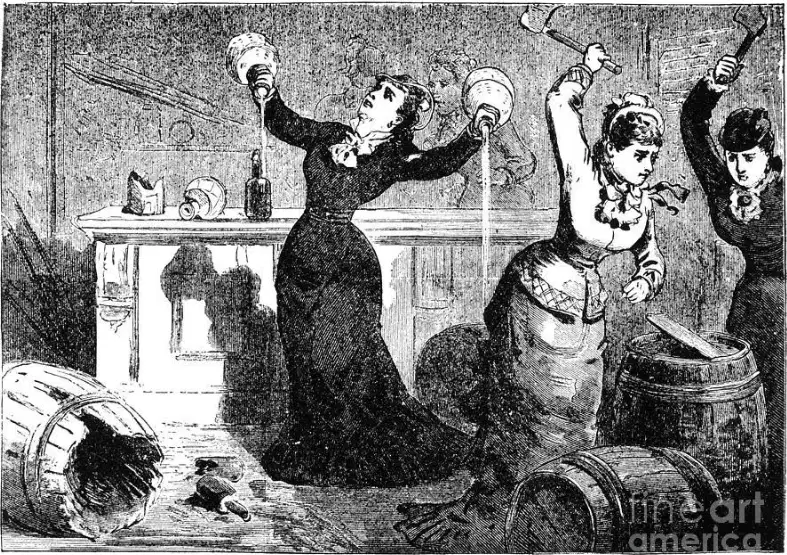
Depicted above are images that represent which reform movement?
Education Reform
Prison Reform
Mental Health Reform
Temperance Reform
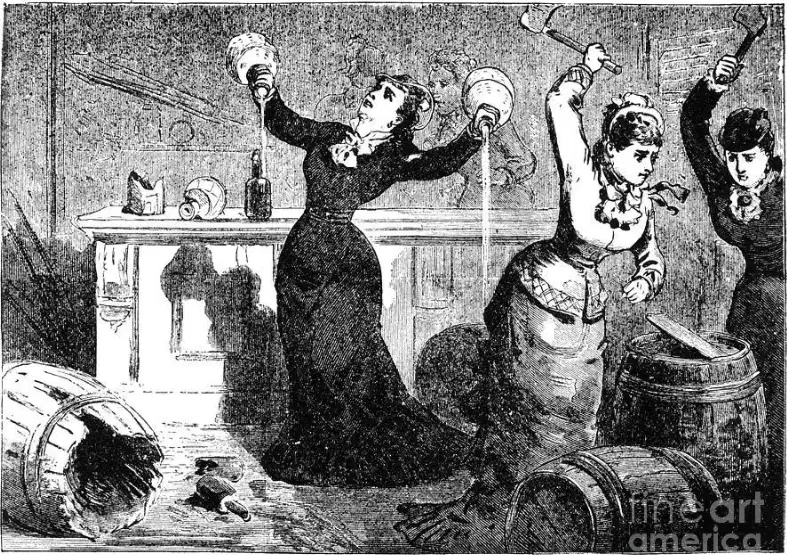
The above scene depicts women destroying alcohol. One of the main issues the Temperance Movement had with the use of alcohol was
too many taxes on the sale of alcohol.
alcohol was too expensive.
violence and loss of money to families.
unfair regulation for the liquor industries.
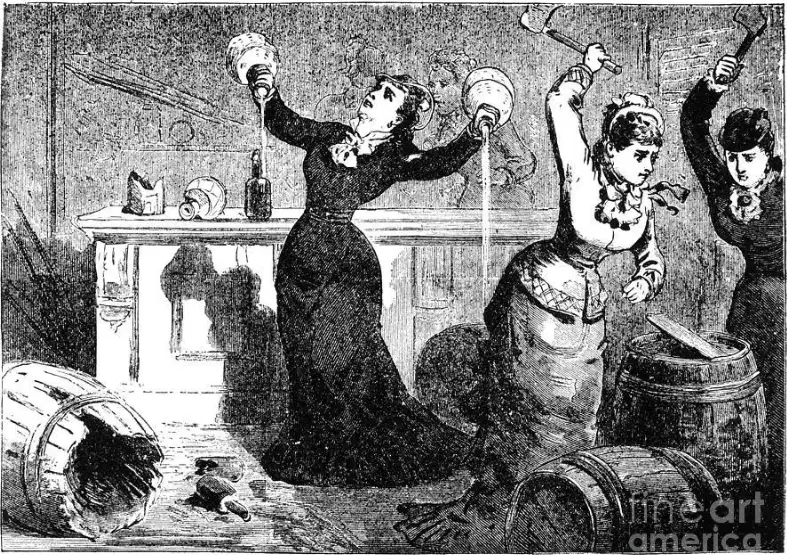
What point of view does the artist of this image most likely have towards the temperance movement?
Unsure if the temperance movement is good or bad
Against the temperance movement
In favor of the temperance movement because alcohol causes harm
Only against the temperance movement, if women are drinking
Which of the following was not a way African Americans resisted or escaped slavery?
Working harder and faster so the plantation owners would leave them alone
Underground Railroad
Working slowly or breaking machinery
Poisoning the plantation families food
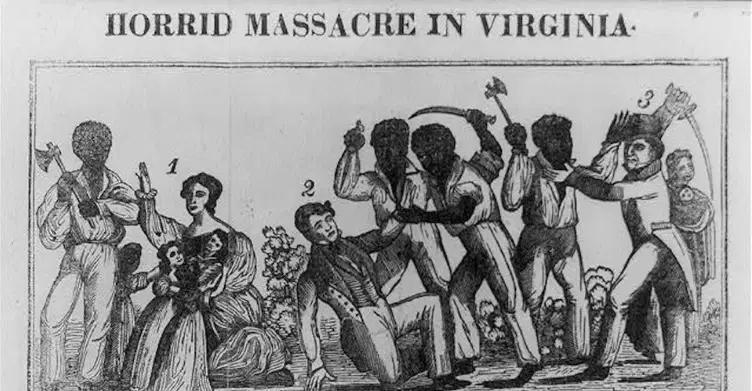
The image above depicts a form of slave resistance. Which abolitionist would most likely support this means of resistance towards slavery?
Frederick Douglas
Harriet Tubman
John Brown
William Lloyd Garrison
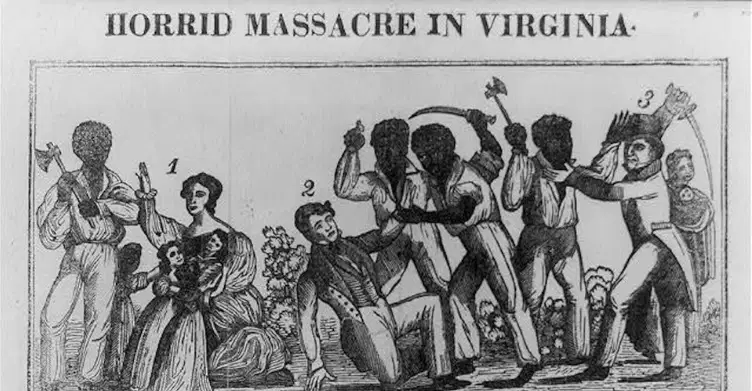
Why did the artist portray people of color (slaves) acting with such violence?
To show what can happen if you own slaves.
To argue slaves should be free.
To further the idea that people of color should remain in bondage (slavery).
In hope that future revolts wouldn’t hurt children.
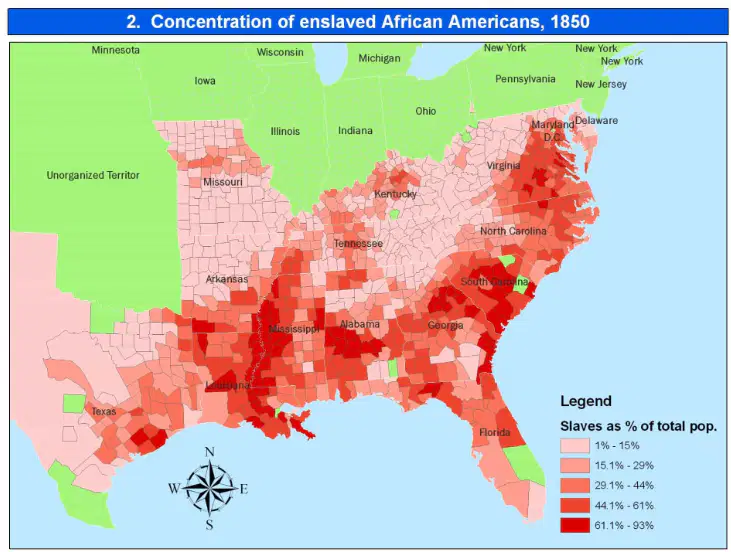
Why did most slave insurrections (revolts) take place in the South?
It was warmer there, and people would revolt when they got too hot
Most enslaved African Americans lived in the South
Abolitionists would only reward slaves living in the South who led revolts
Slave owners didn’t pay enough attention to their slaves in the South
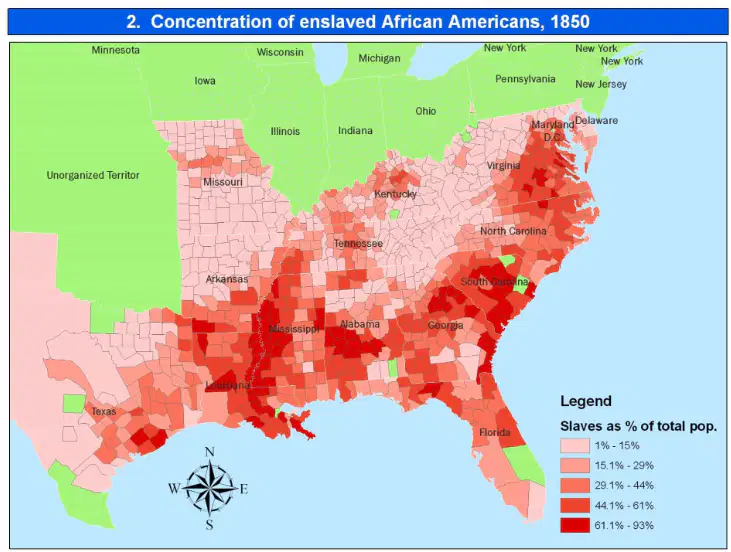
Why did slave insurrections (revolts) rarely/never happen in the North?
It is too cold in the North to go outside most of the time
Slave owners in the North didn’t treat their slaves as poorly as slave owners in the South
The jobs slaves completed in the North were better than the South
At this point in history, slavery was not allowed in most Northern states.
Which person below would be most likely associated with the Mental Illness reform movement?
Enoch Wines
Dorothea Dix
Frederick Douglass
Horace Mann
Which person below would be most likely associated with the abolitionist movement
Enoch Wines
Dorothea Dix
Frederick Douglass
Horace Mann
According to the author, what impact did “Uncle Tom’s Cabin” have on fugitive (runaway) slaves?
U.T.C. had no impact on fugitive slaves
U.T.C. made it easier for slave catchers to catch fugitive slaves
U.T.C. made slaves less valuable
U.T.C. made it more difficult for slaves to be caught once they ran away.
What impact did “Uncle Tom’s Cabin” have on the abolition movement?
U.T.C. moved more people to speak out against slavery, thus helping the abolition movement
U.T.C. moved more people to help slave catchers find runaway slaves, thus hurting abolition
U.T.C. had no impact on the abolition movement
U.T.C. hurt the abolition movement because it gave directions on how to find all the safe houses on the underground railroad.
What was the underground railroad?
Trains were run underground where they could go faster because nothing was ever in their way.
This was a specific train that brought in alcohol for people to purchase during the temperance movement.
This was a network of secret routes and safe houses that runaway slaves used to get to freedom
The underground railroad is a story of a train that sank underground during a flood.
How did the Supreme Court rule in US V La Amistad?
The Africans that were stolen from their homeland would become indentured servants
The Africans had been taken illegally and should be returned home as free people
The Africans should be given plantations where they can make a large amount of money
The Africans were sold into slavery because the Declaration of Independence only gives freedom to those with White skin
What impact did the Court Case, US V La Amistad, have on the abolitionist movement?
It had no impact at all
The Abolitionist Movement fell apart
The Abolitionist Movement started to slow down because people weren’t sure if the Africans should be returned to their homeland.
The Court Case was a boost to the Abolitionist Movement because it helped show people how terrible the act of slave trading truly was.
The purpose of the Declaration of Sentiments was to
show that women and men have the same rights
show that women should have more rights than men
show that women have fewer rights than men
show that African Americans should be completely free.
The purpose of the Seneca Falls Convention was to
achieve equal rights for women
end the consumption of alcohol
end slavery in the entire United States
create better schools and prisons in the United States
The movement that moved people to begin questioning societal norms of the mid-19th century was called
Traditions and Culture
2nd Great Awakening
Questions and Science
Modern Movement
How did Harriet Beecher Stowe get so many people to change their minds about slavery?
She used facts and evidence to explain why slavery was terrible
She used the bible and religion to explain why slavery should be ended.
She traveled around with former slaves showing America the evils of slavery.
She used stories that would pull on the emotions and heart strings of those reading so they would feel sympathy for the families destroyed and torn apart.
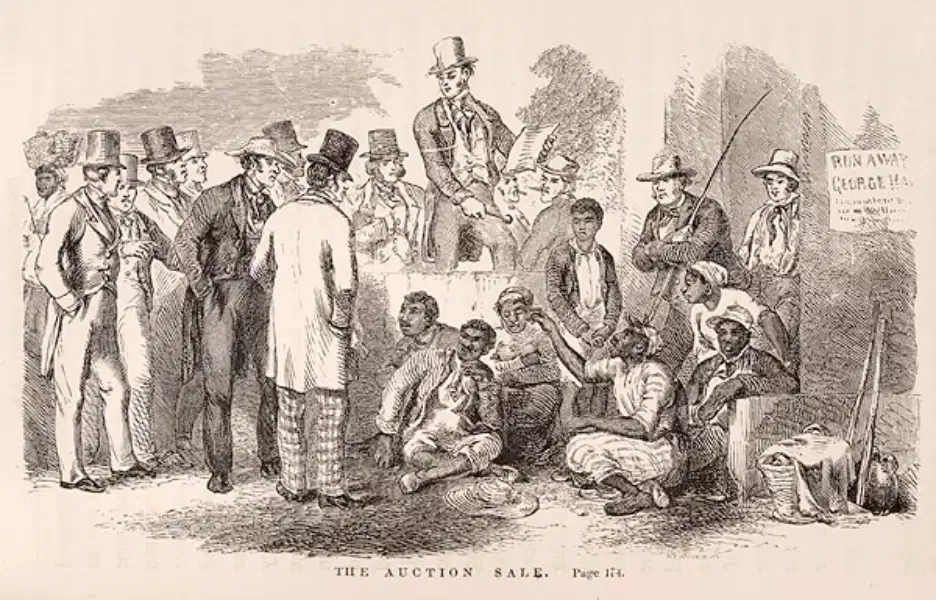
What is this painting portraying?
A slave auction
A holiday celebration
A protest against Slavery
A town hall discussion on current issues
A group of people who are opposed to slavery and attempted to end its practice relates to which of the following movements?
Abolition Reform
Education Reform
Mental Health Reform
Prison Reform
A group of people who wanted to provide a free and efficient school system for all citizens relates to which of the following movements?
Abolition Reform
Education Reform
Mental Health Reform
Prison Reform
Which of the following individuals was a radical abolitionist who worked as a printer and is known for the creation of “The Liberator”. The Liberator was an anti-slavery newspaper.
William Lloyd Garrison
Frederick Douglass
Harriet Tubman
John Brown
Which of the following individuals was born into slavery in Maryland, but was able to escape to freedom by disguising himself as a sailor and sailing North. He became a powerful speaker and writer for the abolitionist movement.
William Lloyd Garrison
Frederick Douglass
Harriet Tubman
John Brown
After escaping slavery, which of the following individuals went back and helped countless African Americans escape North along the Underground Railroad as a conductor. She would then act as a spy for the Union during the Civil War. She also fought for women’s rights.
William Lloyd Garrison
Frederick Douglass
Harriet Tubman
John Brown
Which of the following individuals, alongside his sons, violently fought back against slavery. He tried to steal weapons from Harpers Ferry arsenal in hopes of giving them to slaves so they could fight back and escape slavery.
William Lloyd Garrison
Frederick Douglass
Harriet Tubman
John Brown
Which of the following individuals was the main force behind the Seneca Falls Convention and the primary author of the Declaration of Sentiments.
Lucretia Mott
Elizabeth Cady Stanton
Sojourner Truth
Horace Mann
Which of the following individuals was the father of the modern educational system that increased access to education for people of all genders and races.
Lucretia Mott
Elizabeth Cady Stanton
Sojourner Truth
Horace Mann
Which of the following individuals grew up on a slave plantation, but later worked to end slavery as an abolitionist. She wrote, “Uncle Tom’s Cabin” in an effort to describe the horrors of slavery and further the abolitionist movement.
Lucretia Mott
Elizabeth Cady Stanton
Sojourner Truth
Harriet Beecher Stowe
Which of the following individuals was known as the father of the Underground Railroad. He helped over 600 slaves escape North.
Frederick Douglass
William Still
Sojourner Truth
William Lloyd Garrison
A group of people who pushed to rehabilitate those guilty of crimes as opposed to punishing them relates to which of the following movements?
Abolition Reform
Education Reform
Mental Health Reform
Prison Reform

