
 Worksheets
Horse Management
Total questions: 84
Worksheet time: 42mins
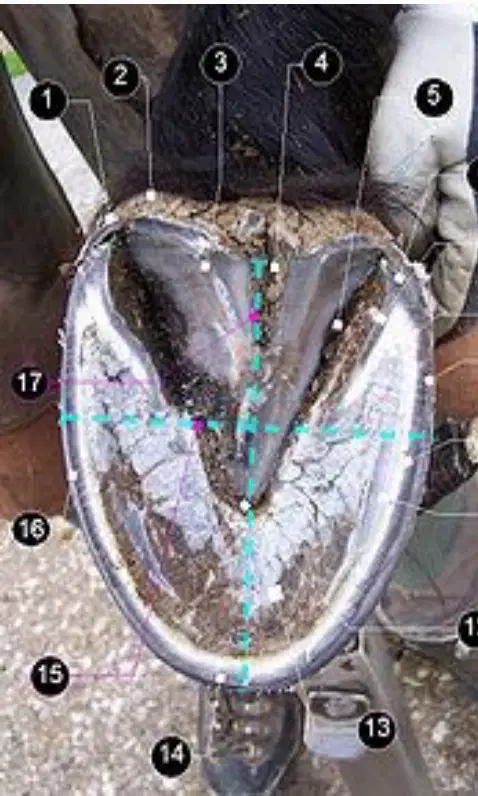
In the diagram of hoof anatomy, what is part number 1?
heel perioplium
frog
sole
hoof wall
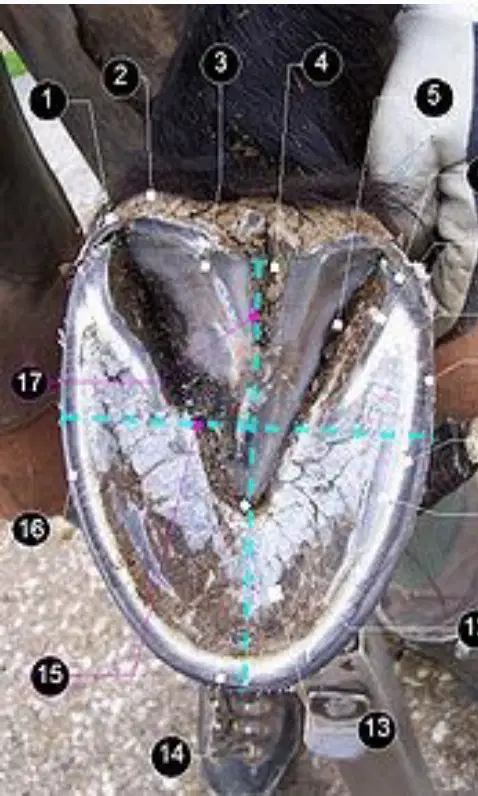
In the diagram of hoof anatomy, what is part number 2?
bulb
frog
sole
wall
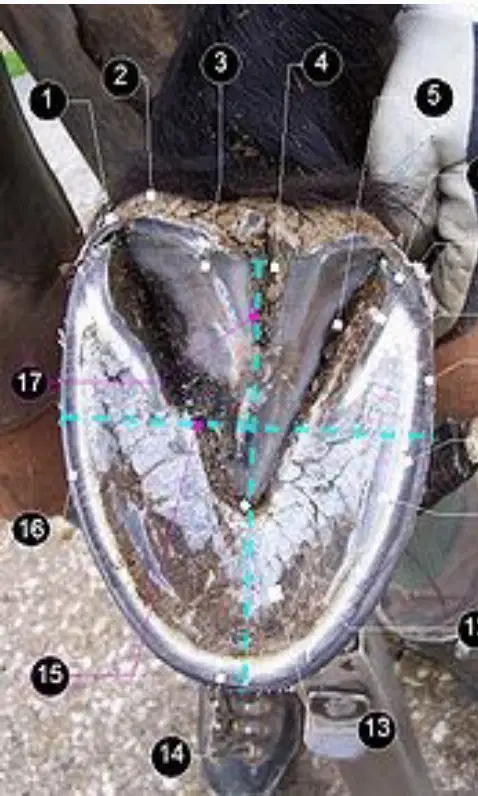
In the diagram of hoof anatomy, what is part number 3?
frog
sole
wall
bar
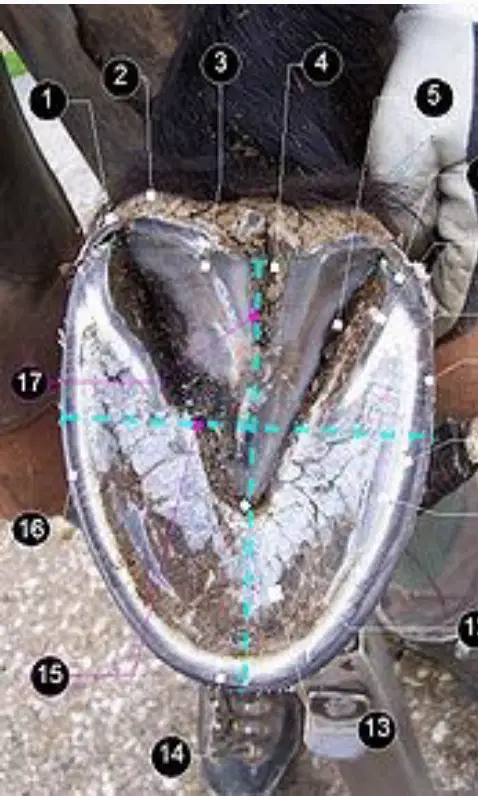
In the diagram of hoof anatomy, what is part number 4?
central groove
frog
hoof wall
sole
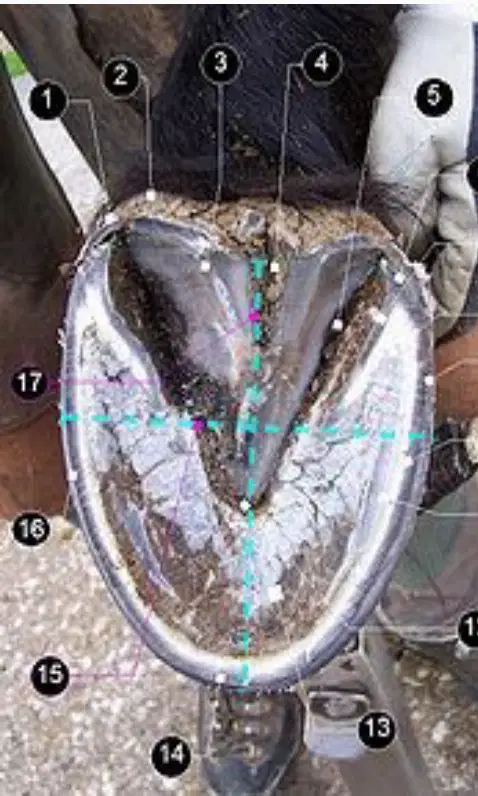
In the diagram of hoof anatomy, what is part number 5?
collateral groove
frog
sole
hoof wall
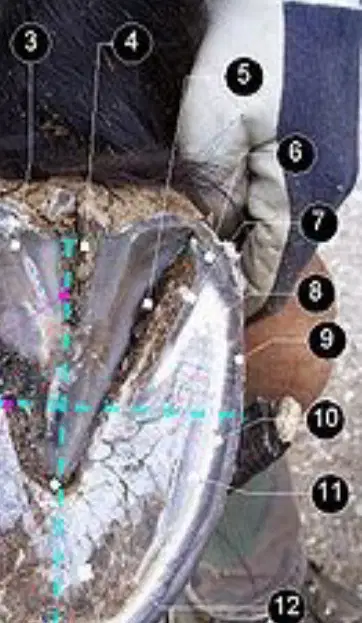
In the diagram of hoof anatomy, what is part number 6?
heel
frog
sole
bar
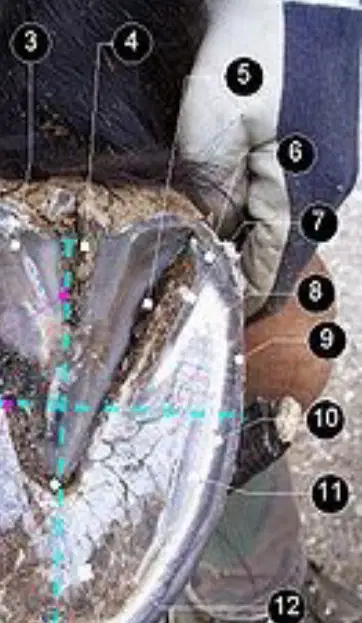
In the diagram of hoof anatomy, what is part number 7?
bar
frog
sole
wall
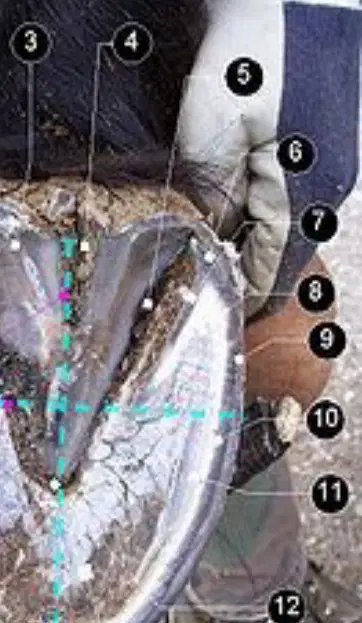
In the diagram of hoof anatomy, what is part number 8?
seat of corn
frog
sole
white line
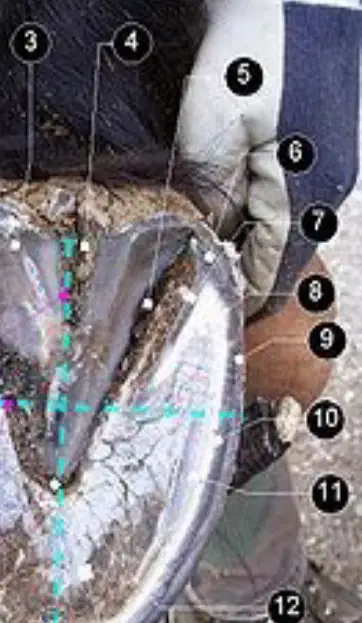
In the diagram of hoof anatomy, what is part number 9?
pigmented walls (external layer)
frog
sole
white line
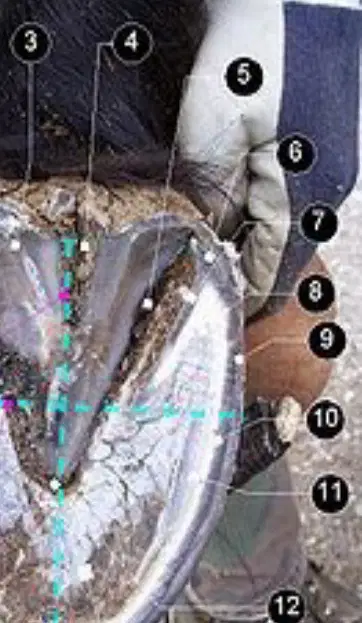
In the diagram of hoof anatomy, what is part number 10?
water line (inner layer)
frog
sole
white line
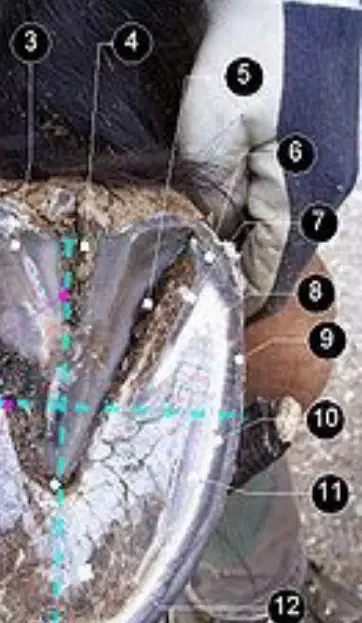
In the diagram of hoof anatomy, what is part number 11?
white line
frog
sole
coronet band
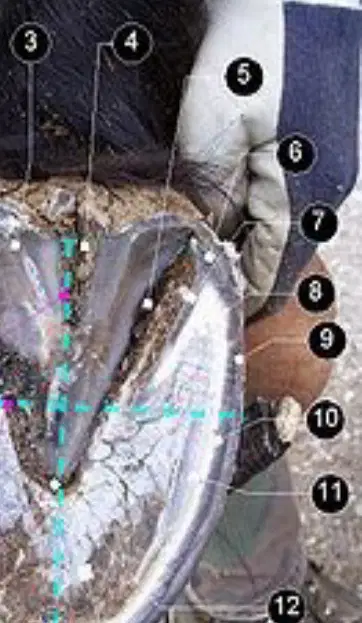
In the diagram of hoof anatomy, what is part number 12?
apex of frog
sole
hoof wall
bar
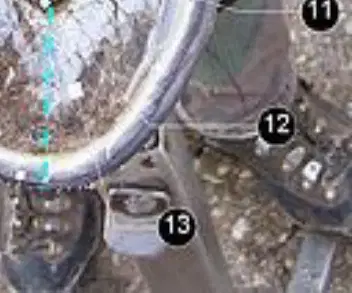
In the diagram of hoof anatomy, what is part number 13?
sole
frog
wall
coronet
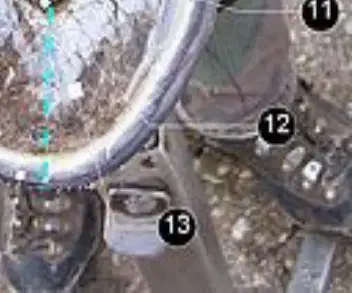
In the diagram of hoof anatomy, what is part number 14?
toe
heel
frog
sole
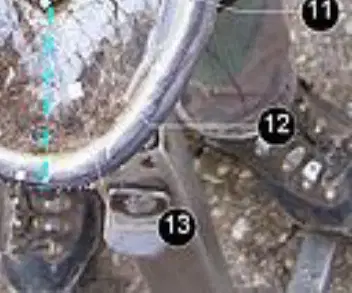
In the diagram of hoof anatomy, what is part number 15?
how to measure width
frog
sole
hoof wall

In the diagram of hoof anatomy, what is part number 16?
quarter
frog
sole
heel
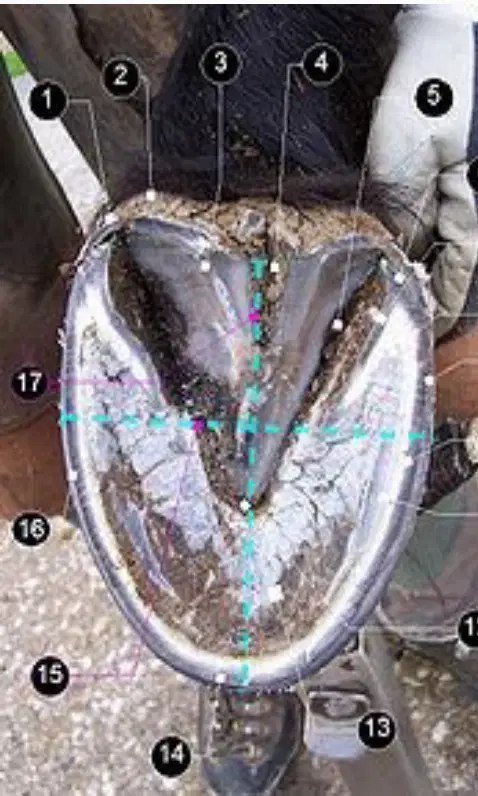
In the diagram of hoof anatomy, what is part number 17?
how to measure length
frog
sole
hoof wall
To prevent lameness, hooves should be checked and cleaned ________.
weekly
monthly
yearly
daily
While cleaning hooves, what should be picked out with the hoof pick?
Stones, mud, and dirt
Grass and leaves
Water and oil
Sand and gravel
How often should hooves be trimmed?
Every 2-3 weeks
Every 6-8 weeks
Every 10-12 weeks
Once a year
Who should trim the hooves?
Any person
A professional farrier
The animal itself
A veterinarian only

Identify the part labeled 'Frog' in the hoof diagram.
The 'Frog' is the V-shaped structure in the center of the hoof, as shown in the diagram.
The 'Frog' is the outermost hard wall of the hoof, as shown in the diagram.
The 'Frog' is the circular area at the tip of the hoof, as shown in the diagram.
The 'Frog' is the flat area on the side of the hoof, as shown in the diagram.
Grooming keeps the ______, mane, and tail looking healthy. (Fill in the blank)
coat
hoof
ear
nose
Brushing before riding prevents chafing and sores on the horse as well as keeps the tack cleaner and last longer.
True
False
When brushing a horse, you should brush all over the body in the direction of the hair and look for ______ at the same time. (Fill in the blank)
injuries
treats
blankets
shoes
Which areas might need shampooing when grooming a horse?
Mane and tail
Hooves
Ears
Nose
Shampooing and conditioning will help keep hair tangle free and looking healthy.
True
False
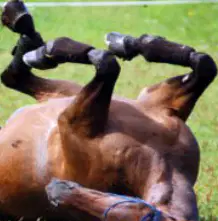
What does the word 'Colic' refer to in horses?
A) Any range of gastrointestinal problems
B) Respiratory issues
C) Skin diseases
D) Bone fractures
Colic most commonly results in a ________ of the gut.
twisting
blockage
infection
swelling
Which of the following is NOT a sign of colic in horses?
A) Rolling more than usual
B) Groaning
C) Pacing
D) Eating more than usual
What is the recommended treatment for colic in horses?
Surgery
Antibiotics
Rest
Exercise
Which of the following is a prevention method for colic in horses?
Regular feeding
Overfeeding
Lack of water
Skipping deworming
Providing clean feed and water can help prevent colic in horses.
True
False
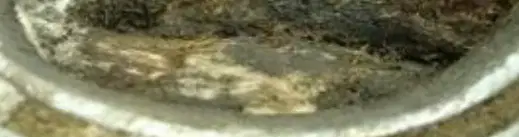
What is thrush in horses?
A viral infection in the hoof
A bacterial infection in the hoof, specifically around the frog
A fungal infection in the mane
A nutritional deficiency
Bacteria occur naturally in horses' environment, especially in ______ conditions.
unsanitary
sterile
humid
cold
Which of the following is NOT a sign of thrush in horses?
Odor
Black area of hoof
Crumbly black tissue
Shiny white tissue
One recommended treatment for thrush in horses is:
Antibiotic injection
Topical application of iodine solution
Feeding more hay
Increasing exercise
Thrush in horses can be prevented by:
Regular hoof cleaning and maintaining dry stable conditions
Feeding more grain
Increasing exercise only
Using hoof polish daily
What regions is the West Nile Virus found in?
Only tropical regions
Only temperate regions
Tropical and temperate regions
Arctic regions
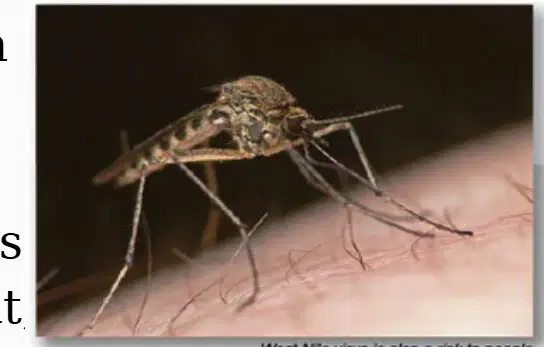
How is the West Nile Virus transmitted?
Through contaminated water
Through a bite from an infected mosquito
Through direct contact with an infected animal
Through the air

Which of the following is NOT a sign of West Nile Virus?
Muscle trembling
Skin twitching
Incoordination
Fever
Fill in the blank: The treatment for West Nile Virus is __________.
no specific treatment
antibiotics
surgery
chemotherapy
antiviral vaccine
Vaccination is a method of prevention for West Nile Virus.
True
False
Which of the following are ways to prevent West Nile Virus?
Wearing insect repellent and eliminating standing water
Eating more fruits and vegetables
Exercising regularly and drinking water
Taking antibiotics and getting vaccinated
What is Strangles?
A highly contagious infection of the upper respiratory tract
A type of horse feed
A vaccination
A type of exercise for horses
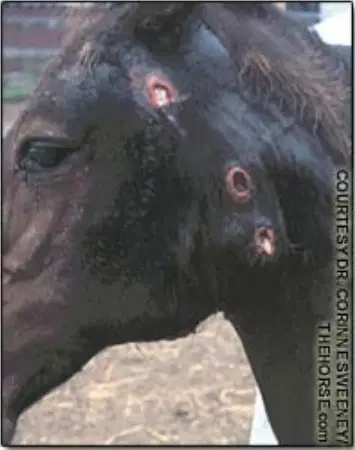
How is Strangles spread among horses?
Through nasal discharge and liquid discharge from sores
Through the air only
By eating contaminated food
By drinking water

Fill in the blank: Signs of Strangles include fever, heavy nasal discharge, swollen lymph nodes, dullness, and _________
loss of appetite
increased thirst
improved vision
rapid hair growth
What is the recommended treatment for Strangles?
Penicillin and keeping wounds clean
Surgery
Rest only
No treatment needed
Fill in the blank: Prevention of Strangles includes vaccines, isolation of new and infected horses, and ________ all tools.
disinfecting
sharing
painting
ignoring
What is another name for the non-ruminant digestive system?
Fore-gut fermentors
Hind-gut fermentors
Multi-stomach digesters
Ruminants
How many 'true' stomachs does a non-ruminant digestive system have?
One
Two
Three
Four
Non-ruminant digestion is like humans, except they must digest plant fibers by ______ materials in the cecum.
fermenting
absorbing
dissolving
filtering
Non-ruminant digestive systems are also known as 'hind-gut' fermentors.
True
False
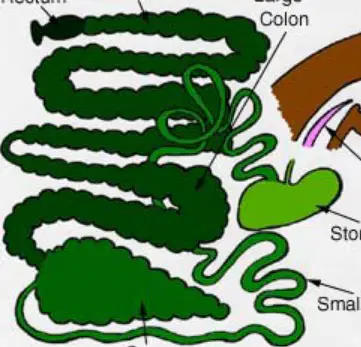
Which part of the digestive system is responsible for fermenting plant fibers in non-ruminants?
Cecum
Stomach
Esophagus
Rectum
Which of the following statements is true about the digestive system?
It is a delicate system
It can easily regurgitate food
It has a short large intestine
It contains no microbes
Fill in the blank: The digestive system is unable to regurgitate, unless from the _________
esophagus
stomach
small intestine
rectum
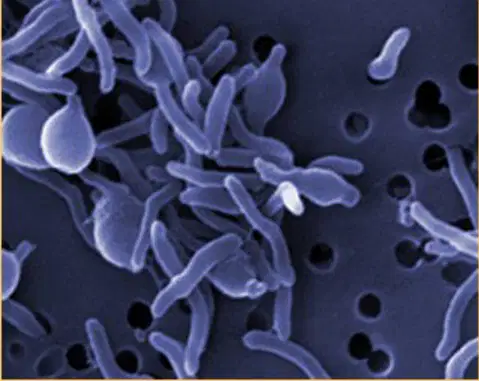
What is the function of microbes in the large intestine?
Digestion of proteins
Fermentation of plant fibers
Absorption of water
Production of bile
If something poisonous is eaten, it can be regurgitated to expel it from the digestive system.
True
False

Based on the diagram of the horse's digestive system, what is the length of the esophagus?
1 ft.
4-5 ft.
10-12 ft.
70 ft.

According to the diagram, how many quarts can the horse's stomach hold?
8-19 quarts
28-36 quarts
68 quarts
86 quarts

Fill in the blank: The small intestine of a horse is _______ feet long and holds 68 quarts.
70
40
100
55

Which part of the horse's digestive system is located on the right side of the abdominal cavity and holds 28-36 quarts?
Stomach
Cecum
Large Colon
Small Colon

Fill in the blank: The large colon of a horse is 10-12 feet long and holds _______ quarts.
86
45
120
60

How long is the small colon in the horse's digestive system according to the diagram?
1 ft.
4 ft.
10-12 ft.
70 ft.

Fill in the blank: The rectum of a horse is _______ foot long.
1
2
3
4
What percentage of a horse's body is water?
50%
65%
80%
30%
How much water do horses need per day?
5 gallons
8 gallons
11 gallons
15 gallons
Fill in the blank: Horses need all the same _______ humans need, just in different forms and amounts.
nutrients
clothes
tools
languages
Where are carbohydrates found for horses?
Grasses and forages
Water
Meat
Fruits
Fats must be added to horse feed because there is very little fat in forages.
True
False
Protein is vital to development and muscle maintenance.
True
False
Which of the following are great sources of protein for horses?
Alfalfa hay and corn
Salt lick
Grain
Multi Vite supplements
Minerals and vitamins are also provided by forages, except _______.
salt
calcium
vitamin A
magnesium
Why should horses be provided with a salt lick?
To ensure adequate salt intake.
To improve their vision.
To make their coat shinier.
To increase their speed.
Grain is not balanced, so it requires manufacturers to add _______ and _______.
vitamins and minerals
sugar and salt
fiber and protein
oil and water
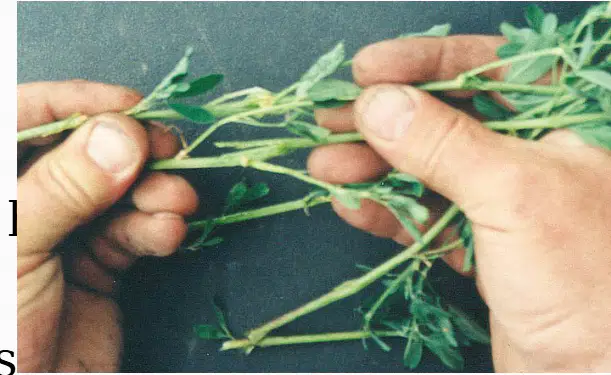
What are forages also known as?
Concentrates
Roughages
Pellets
Grains
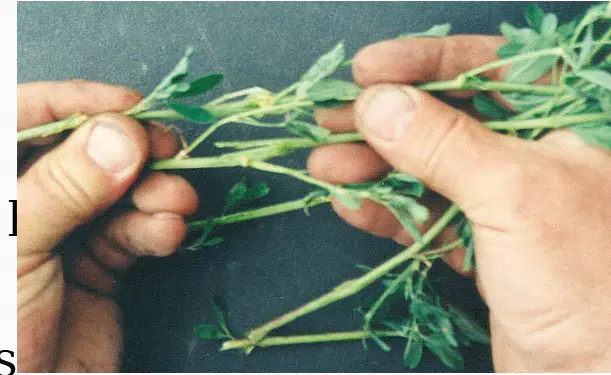
Which of the following are included in forages?
Grains and pellets
Grasses and legumes
Oats and corn
Barley and wheat
What do concentrates include?
Grasses and legumes
Grains and pellets
Only pellets
Only grains
Which of the following is the most common concentrate?
Barley
Wheat
Oats
Corn
Fill in the blank: Concentrates also include _______, barley, and wheat.
corn
oats
soybeans
rice
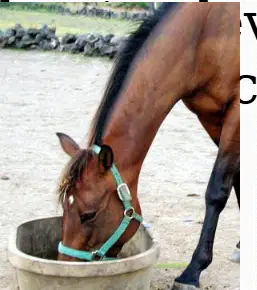
Horses eat ___% of their weight daily. (Fill in the blank)
2-2.5
0.5-1
5-6
10-12
What type of feed is recommended to be available to horses at all times?
Concentrate feed
Forages
Grains
Supplements
Concentrate feeding should be kept to less than ___% of a horse's weight daily.
1
5
10
15
Horses' diets should be adjusted according to their performance level and production level (such as breeding season, pregnancy, growth, etc.).
True
False

