
 Worksheets
Airport Design Considerations Quiz
Total questions: 10
Worksheet time: 5mins
Why might runways located at elevations higher than 1,500 m above sea level require longer lengths?
Due to increased air pressure
Because of lower temperatures
Because of reduced air density
Due to increased humidity
How do you convert Fahrenheit to Celsius?
°C = (°F - 32) × 5/9
°C = (°F - 32) × 9/5
°C = (°F + 32) × 5/9
°C = (°F + 32) × 9/5
According to the document, what is the formula to convert Fahrenheit to Celsius?
°C = (°F - 32) × 5/9
°C = (°F - 32) × 9/5
°C = (°F + 32) × 5/9
°C = (°F + 32) × 9/5
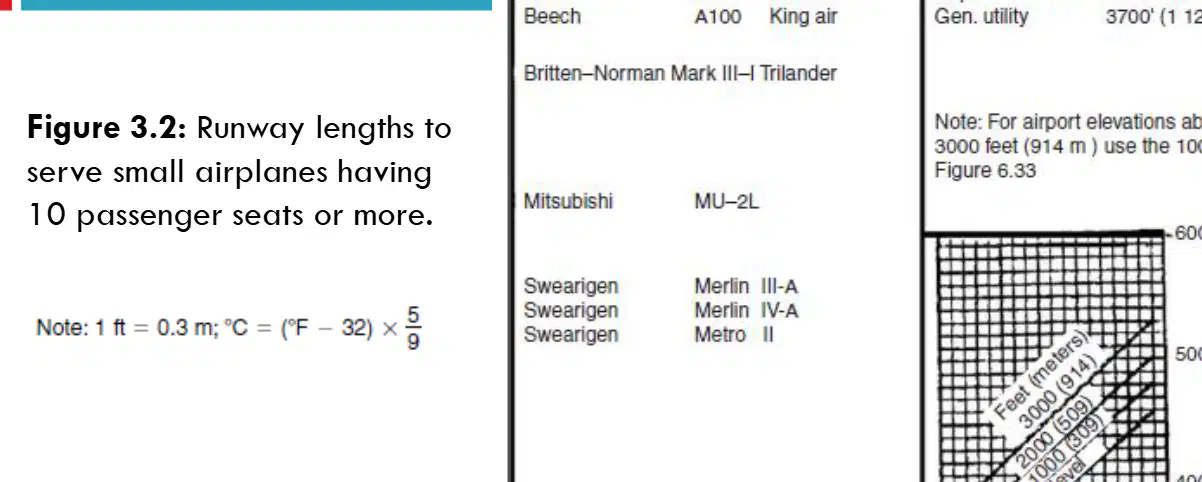
For airport elevations above 3000 feet, which curve should be used according to the document?
50% curve
75% curve
100% curve
125% curve
What is the range of Maximum Certificated Takeoff Load for airplanes mentioned in the document?
10,000 N to 50,000 N
56,700 N to 272,000 N
100,000 N to 300,000 N
200,000 N to 400,000 N
What factor should be considered when determining the runway length for a specific airplane?
The color of the airplane
The specific airplane to be served
The number of passengers
The airline's logo
What is the recommended adjustment for landing lengths for turbo-jet-powered planes in slippery conditions?
Increase by 10%
Increase by 5%
Increase by 7%
Increase by 12%
Which aircraft series is associated with Figures 3.7 and 3.8 for determining runway length?
Boeing 727-000
Douglas DC-9-10
Airbus A320
Boeing 737-800
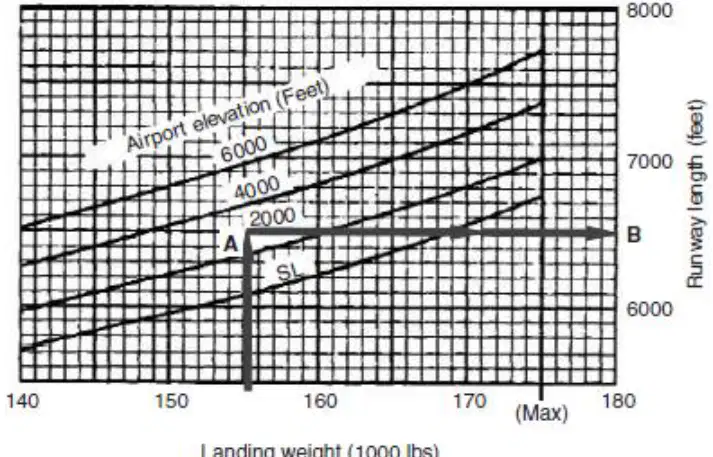
Which aircraft series is mentioned in the document for the performance curve?
Boeing 737-800 series
Boeing 747-400 series
Boeing 727-000 series
Boeing 777-300 series
How much should the minimum runway length be increased at 600 m above sea level?
18 m
20 m
15 m
25 m

