
 Worksheets
S3- Metals
Total questions: 44
Worksheet time: 22mins
What are the three groups into which metals are divided?
Ferrous, Non-ferrous, Alloys
Metals, Non-metals, Gases
Solids, Liquids, Gases
Organic, Inorganic, Synthetic
What is the process called that removes oxygen from ore by heating?
Oxidation
Reduction
Combustion
Evaporation
What is the term used for metals when they occur naturally?
Alloy
Ore
Mineral
Compound
What does the term "ferrous" relate to in materials?
Contains copper
Contains iron
Contains aluminum
Contains zinc
Which of the following are the main ores of iron (Fe)?
Sulfides and nitrates
Oxides and carbonates
Phosphates and silicates
Chlorides and bromides
What is a common process for melting iron ores?
Electric arc furnace
Blast furnace
Open hearth furnace
Induction furnace
Which chemical reaction represents the decomposition of limestone in a blast furnace?
CaCO₃(s) → CaO(s) + CO₂(g)
C(s) + O₂(g) → CO₂(g)
3CO(g) + Fe₂O₃(s) → 2Fe(l) + 3CO₂(g)
CO₂(g) + C(s) → 2CO(g)
How is ingot iron made?
By oxidizing impurities in a blast furnace.
By refining iron in a steel-making furnace.
By mixing iron with carbon.
By cooling molten iron rapidly.
What is the carbon content range in steel?
0.1% to 0.5%
1% to 5%
5% to 10%
10% to 15%
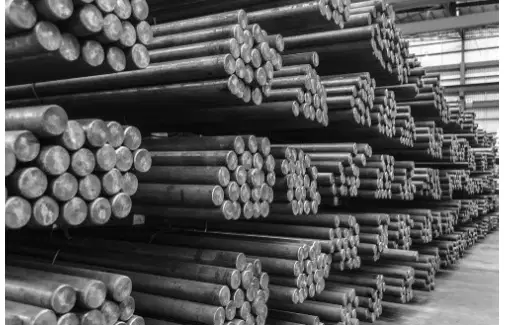
Which of the following is a form in which metals can be supplied?
Plastic sheet
Square bar
Wooden plank
Glass pane
What is a characteristic of an I-beam?
It is circular in shape.
It is used for electrical insulation.
It has a cross-section resembling the letter 'I'.
It is made of plastic.
Which of the following is NOT a form of metal supply mentioned in the document?
Hollow round
Slotted beam
Steel plate
Wooden beam
What is the maximum carbon content in mild steel?
0.3%
0.6%
1.0%
0.9%
Which type of steel contains between 0.3% and 0.6% carbon?
Mild steel
Medium carbon steel
High carbon steel
Stainless steel
What is the carbon content in high carbon steels or tool steels?
Less than 0.3%
Between 0.3% and 0.6%
More than 0.6%
Exactly 0.6%
Why are high carbon steels always used in the hardened and tempered condition?
To increase flexibility
To enhance durability
To reduce weight
To improve conductivity
What are the typical impurities found in carbon steels?
Sulphur and phosphorus
Iron and carbon
Manganese and silicon
Nickel and chromium
How can the weakening effect of impurities in steel be countered?
By adding manganese
By adding more carbon
By increasing temperature
By reducing iron content
What is the carbon content range in mild steel?
0.1–0.3%
0.6–1.4%
2–6%
100%
Which type of steel is known for being tough, resistant to rust, and subject to stains?
Mild steel
Carbon steel
Stainless steel
Cast iron
What is a key property of cast iron?
High tensile strength
Strong but brittle
Resistant to rust
Ductile
Which type of iron is 100% iron and is fibrous, tough, and ductile?
Mild steel
Carbon steel
Wrought iron
Stainless steel
What is the primary alloy composition of stainless steel?
Carbon and iron
Iron, nickel, and chromium
100% iron
Carbon and nickel
What does the term 'non-ferrous metals' refer to?
Metals that contain iron
Metals that do not contain any appreciable amounts of iron
Metals that are magnetic
Metals that are only alloys
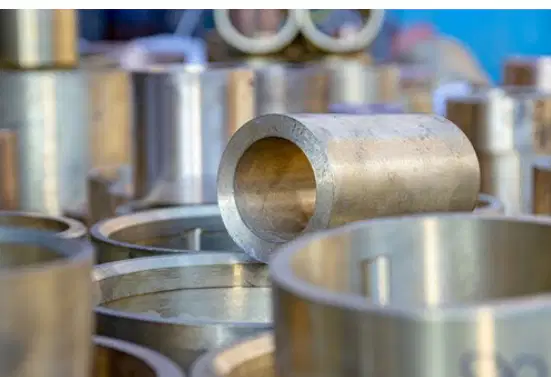
Which of the following is not a non-ferrous metal?
Copper
Aluminum
Iron
Zinc
Which of the following is a property of aluminium?
Brittle
Malleable
Magnetic
Non-conductive
Why is aluminium widely used in the aerospace and automotive sectors?
High density and low corrosion resistance
Low weight and high corrosion resistance
High tensile strength and magnetic properties
Low cost and high density
What happens to the tensile strength of aluminium when alloyed with copper, silicon, iron, or manganese?
It decreases
It remains the same
It greatly improves
It becomes magnetic
Which of the following properties is NOT associated with copper?
Malleable
Corrosion resistant
Conductor of heat and electricity
High tensile strength
What is formed when copper is alloyed with tin?
Brass
Steel
Bronze
Iron
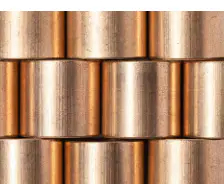
Copper is widely used in which of the following applications?
Jewelry making
Electrical wiring
Textile manufacturing
Glass production
What is a common use of zinc due to its corrosion resistance?
As a fuel additive
As a protective coating for mild steel
As a food preservative
As a lubricant
Which of the following properties does zinc possess?
Brittle and non-conductive
Ductile and conductive
Hard and non-corrosive
Soft and non-ductile
Why is zinc used in alkaline batteries?
Due to its high melting point
Due to its strong electrochemical properties
Due to its magnetic properties
Due to its high density
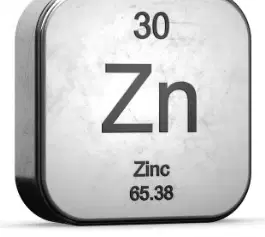
What is the nature of zinc's conductivity compared to other metals?
High
Low
Moderate
Non-existent
What are brass and bronze classified as?
Pure metals
Metal alloys
Non-metals
Metalloids
What metals compose brass?
Copper and tin
Copper and zinc
Iron and aluminum
Zinc and manganese
Which property of brass is higher than that of zinc or copper?
Density
Malleability
Hardness
Conductivity
What is the melting point of brass?
500 degrees centigrade
700 degrees centigrade
900 degrees centigrade
1100 degrees centigrade
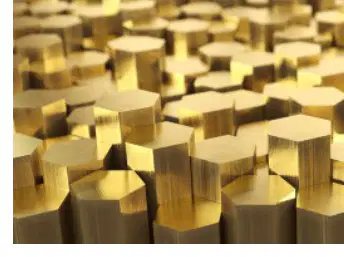
What makes brass corrosion resistant?
High density
Low melting point
Combinations of iron, aluminium, silicon, and manganese
High conductivity
What are the primary components of bronze?
Copper and zinc
Copper and tin
Tin and iron
Zinc and iron
At what temperature does bronze typically melt?
850 degrees centigrade
950 degrees centigrade
1050 degrees centigrade
1150 degrees centigrade
Which property makes bronze more suitable for resisting seawater corrosion compared to steel?
Hardness
Brittleness
Corrosion resistance
Electrical conductivity
How does bronze compare to most steels in terms of conducting heat and electricity?
Worse conductor
Better conductor
Same conductivity
Non-conductive

