
 Worksheets
NURSERY YEAR 2 EXAM
Total questions: 46
Worksheet time: 59mins
The porter (a) you a wheelchair and then take you to X-ray.
We ___ a handover meeting at 15.00 tomorrow.
have
are having
will to have
going to have
He ___ experience some mild side effects from the tablets.
has
does
would
may
The shoulder exercises are ___ now than they were yesterday.
more difficult
the most difficult
as difficult
so difficult
Please administer six units of insulin ___ .
six hours
at six hours
every sixth hour
every six hours
‘What is Martin doing?’ ‘He ___ a patient to the toilet.’
takes
is taking
took
taking
When ___ the new box of supplies? We need more stitch cutters.
did you order
were you ordering
did you ordered
you ordered
I have a tingling sensation in my left leg. It gets ___ when I put pressure on it.
bad
worse
more bad
the worst
Don’t worry, he ___ feel any pain during the operation.
isn't
won't
isn't going
did
How about ___ a gym?
join
to join
joining
joined
I suffer from a skin disease – it’s really ___ .
embarrass
embarrassed
embarrassing
embarrasses
Match the following hospital departments with the parts of a body / organs.
Obstetrics
fetus
Renal
kidneys
ENT Unit
throat
Gastrointestinal Unit
bowels
Ophthalmology
eyes
Match the following hospital jobs with their duties.
midwife
delicers babies
surgeon
operates on patients
paramedic
responds to emergencies
scrub nurse
assists doctors at operations
GP
treats all common medical conditions
Match the following health problems.

heartburn
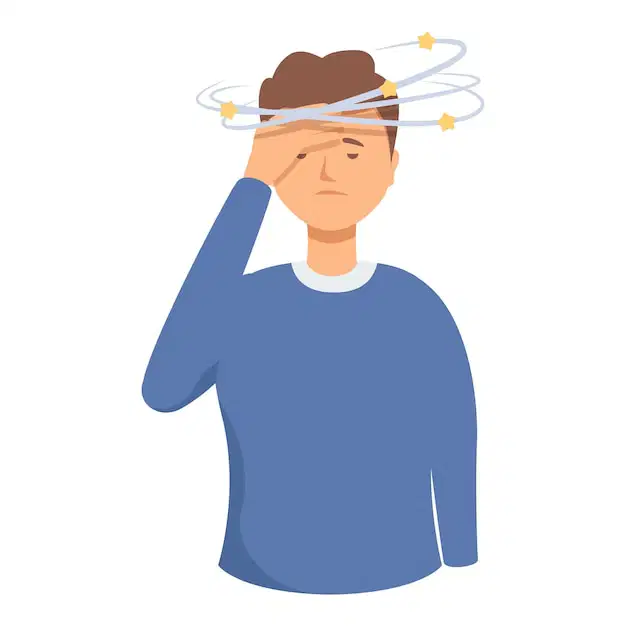
dizziness

drowsiness
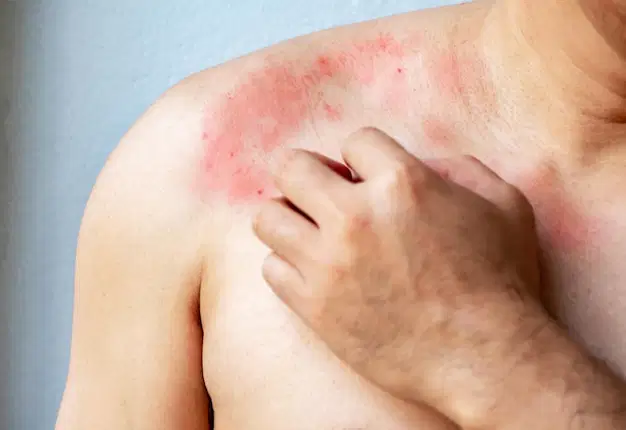
itchy skin
diarrhoea
Match the following types of thermometers.

tympanic

oral

disposable
Match the following word combinations.
balanced
diet
vitamin
deficiency
eating
disorder
physical
exercise
weight
loss
Organize these options into the right categories
vitamins
minerals
water
lean meat
fish
seafood
bread
rice
pasta
broccoli
avocado
oats
Organize these options into the right categories.
dill
leek
chive
quinces
dates
cranberries
buttermilk
cottage cheese
sour cream
cocoa
soda
coctail
Match the following places in a hospital with their definitions.
clean supply room
We keep sheets and blankets there.
nurses' lounge
We can rest there after our shift.
Physician's area
Doctors analyse the exam results there.
a conference room
We have a handover meeting there.
soiled utility room
We keep used equipment there.
Match the following math calculations.
+
and
-
less
/
over
=
comes to
x
multiplied by
2.45
two point forty five
two point four five
two dot four five
two period four five
3,452
three point four five two
three hundred forty-five and two
three thousand four hundred and fifty-two
three comma four five two
0.25
point two five
dot two five
twenty-five
twenty-five hundred
Match the names of the human organs.
Match the body parts responsible for reproduction.
Point to the organs responsible for digesting.
Match the names of medical equipment.
Match the names of medical supplies to their pictures.
Match the types of medication to their pictures.

supository

lozenges

everescent tablets

IV drip
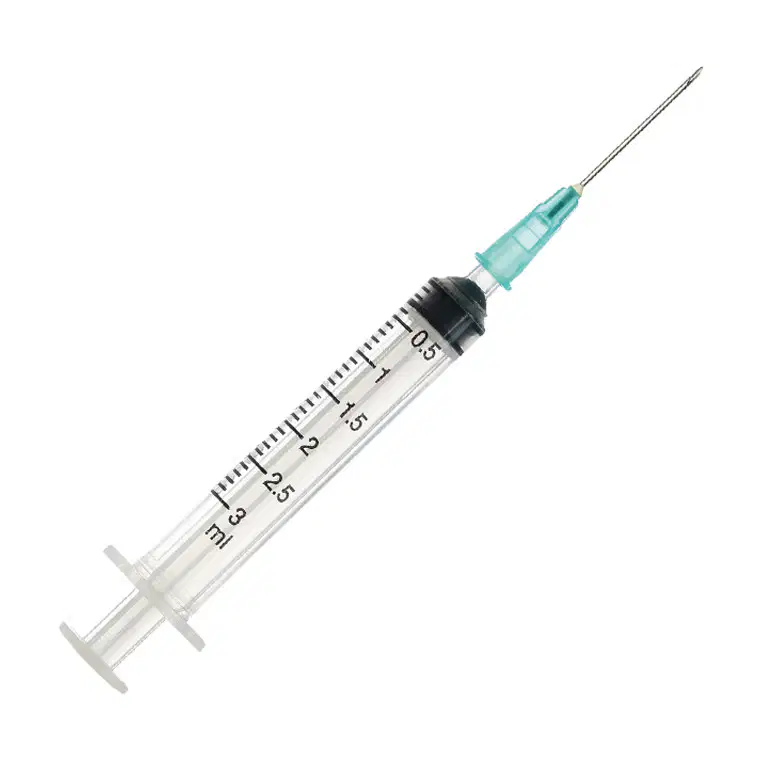
injection
Tie the (a) around the patient’s arm and then insert the syringe.
Patients prefer to have a nurse that is (a) and understanding.
Mr Roberts has problems (a) . Suggest he orders from the soft diet menu.
Do you wear (a) , Mr Bower?
Some patients suffer (a) from the drug.
Try to pull yourself up to a sitting position using your (a) .
Always wear (a) when you take a blood sample.
I have a(n) (a) to pick things up when I drop them.
Psychiatric nurses (a) in mental health.
The car park is (a) the main entrance.
We (a) an ambulance, because it wasn’t necessary.
You can (a) equipment with a needle. equipment with alcohol.
Give CPR to a patient who has had a (a) .
Signs and symptoms are the tools for making a diagnosis, but what is the difference between the two? The signs of an illness are the things that a doctor or nurse can see and measure. Signs are things like spots and bleeding. Temperature, heart rate, blood pressure and respiration rate are all signs because you can measure them. Symptoms are the things which a patient experiences, but others can’t always see. Dizziness and nausea are examples of symptoms. The symptoms which make a patient seek medical help in the first place are called the presenting symptoms. Medics describe them in terms of being either strong, mild or weak. Sometimes the symptoms of serious illnesses like cancer and diabetes are weak. They stay weak for a long time and the illness remains undiagnosed. Many illnesses have the same symptoms. These symptoms are called non-specific. Fatigue is an example of this. It’s a symptom of many kinds of illness, both chronic and acute, and of both physical and mental disorders. Doctors ask patients about the onset of the symptoms, what they feel like, what relieves them and what makes them worse. The more detail they have, the faster they can make a diagnosis.
You need signs and symptoms for a diagnosis.
true
false
You can’t see symptoms..
true
false
Patients presenting symptoms are either strong, mild or weak.
true
false
Killer diseases can have weak symptoms.
true
false
Non-specific symptoms help a lot with diagnosis.
true
false
Too much information slows up diagnosis.
true
false
Match the following symptoms.
How high is it?
fever
Can you feel this?
numbness
How long has it been this thick?
swelling
When you have an an attack, do you fell over?
dizziness
Was any blood in this?
diarrhoea
Study these instructions for taking a patient’s pulse and write similar instructions for how to measure either temperature or blood pressure.
Example Instructions.
First wash your hands. Support the patient’s arm with the palm of the hand downwards. Press three fingers against the radius bone until you feel the place where the artery expands and contracts with the heartbeat. Do not use your thumb because it has its own pulse. Count the beats for 30 seconds and multiply the number by two to get the heart rate for one minute.
51-76.
Answer the questions below after watching the video
What does she do in her free time?
cycling
meeting family and friends
working overtime
staying in
What does she do in her free time?
cycling
meeting family and friends
working overtime
staying in
What does she do in her free time?
cycling
meeting family and friends
working overtime
staying in
What does she do in her free time?
cycling
meeting family and friends
working overtime
staying in
What does she do in her free time?
cycling
meeting family and friends
working overtime
staying in
How can a nurse promote in work?
get more certfications
explore new hospital units
be flexible
follow a doctor's rules
How can a nurse promote in work?
get more certfications
explore new hospital units
be flexible
follow a doctor's rules
How can a nurse promote in work?
get more certfications
explore new hospital units
be flexible
follow a doctor's rules
What's the nurse's name?
Mary
Marion
Mariah
She...
always wanted to be a nurse
never wabted to be a nurse
sometimes to be a nurse
Wich shift does she start at 6.45?
day
afternoon
night
What does TN2 stand for?
She's the first trauma nurse tonight.
She's free tonight.
She's second trauma nurse tonight.
She has two nights off.
As a second trauma nurse, what does she have to do?
Go through and prepare trau.ma bays
Answer phone calls and check up patients.
Assist surgons at operations.
What does she have to do before a critical patient is in?
to have a room prepared
to inform a doctor about a critical patient
to have a chillax
How does she triage incoming patients?
She consults a doctor.
She communicates with other staff.
She doesn't communicate with anybody.
She waits for others' orders.
How many dramas is she experiencing this night?
nine
eight
three
none
What does she do in her free time?
cycling
meeting family and friends
working overtime
staying in
What does she do in her free time?
cycling
meeting family and friends
working overtime
staying in
What does she do in her free time?
cycling
meeting family and friends
working overtime
staying in
What does she do in her free time?
cycling
meeting family and friends
working overtime
staying in
What does she do in her free time?
cycling
meeting her family and friends
working overtime
studying
What key quality should a nurse have?
adaptilibity
friendship
assertion
courage
How can a nurse promote in work?
get more certfications
explore new hospital units
be flexible
follow a doctor's rules
How can a nurse promote in work?
get more certfications
explore new hospital units
be flexible
follow a doctor's rules
She finished her shift after...
24 hours
10 hours
She didn't have a night shit.
12 hours.
What does she do in her free time?
cycling
meeting family and friends
working overtime
staying in

