
 Worksheets
grade 8 regina
Total questions: 177
Worksheet time: 4hrs 30mins
Which word is a correct past simple verb?
taked
made
studyed
Where can you write the word went?
We ________ to France last month.
We ________ France every year.
We ________ to France next week.
Which word goes in the space?
What time did you ____ lunch?
haved
had
have
Which sentence is correct?
We didn't go out last night.
Tom didn't met Anna.
Sally didn't got my email.
Which question is NOT correct?
What time you did arrived?
Did you like the gift?
Where did your parents meet?
We (a) (have) a lovely meal at the restaurant last night.
Sorry I'm late. I (a) (not / know) the time of the meeting.
Paul and Emma (a) (go) to America for their holiday.
Sarah (a) (feel) sick so she decided to go home.
Did you (a) (see) the castle in Edinburgh?
Which question is NOT correct?
Did they liked the movie?
Did they like the movie?
Which word is a correct past simple verb?
Went
Goed
Feeled
Which word goes in the space?
When ______ you ____ (design) this skirt?
did / design
did / designed
--- / design
Which sentence is correct?
They visit a farm two weeks.
They visited a farm two weeks ago.
They visit a farm two weeks ago.
Which sentence is NOT correct?
The children did not eat pizza.
Maria didn't liked the party.
Carlos worked until 6pm.
We use past tense when....
we want communicate something that already happened
we want to communicate habits, general truths
we want to communicate something happening right now
we want to communicate something happening in the future.
Match the simple present tense form to its irregular simple past tense form..
am/is
was
are
were
do
did
go
went
have
had
Match the simple present tense form to its irregular simple past tense form..
make
made
tell
told
win
won
run
ran
eat
ate

Write the past tense for: dance
(a)

Write the past tense for: go
(a)

Write the past tense for: love
(a)
Write the past tense for: have
(a)

Write the past tense for: learn
(a)
Write the past tense for: make
(a)

Write the past tense for: ask
(a)
Write the past tense for: tell
(a)

Write the past tense for: watch
(a)

Write the past tense for: win
(a)
Write the past tense for: am
(a)

Write the past tense for: finish
(a)

Write the past tense for: want
(a)
Write the past tense for: are
(a)

Write the past tense for: talk
(a)

Write the past tense for: need
(a)
Write the past tense for: do
(a)

Write the past tense for: play
(a)

Write the past tense for: start
(a)
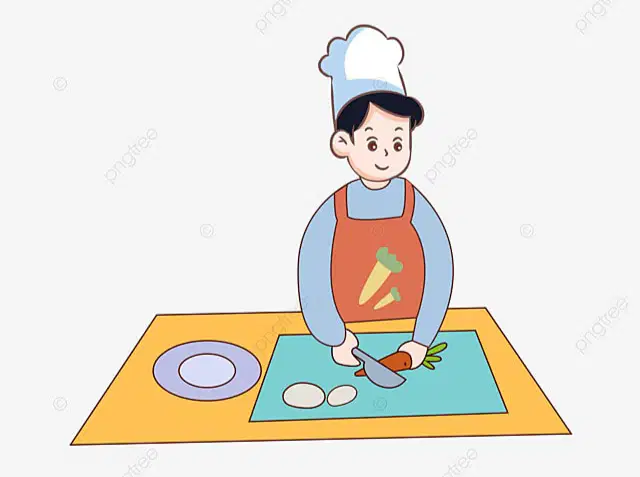
1. My brother ........ fried rice last night.
cook
cooked
cooking

2. They ....... television yesterday.
watched
watching
watch
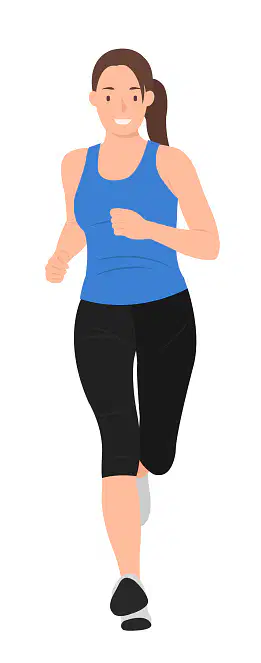
3. Jane .......... jogging this morning.
go
gone
went

4. Sally ........ English two days ago.
study
studied
studying
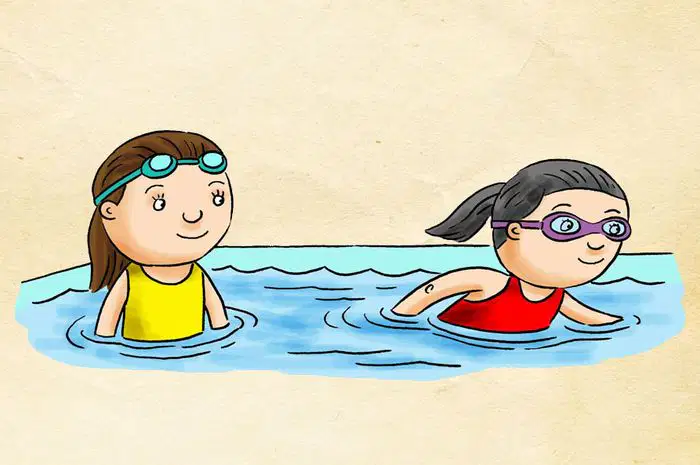
5. Annie and Anna ........ at the pool last Sunday.
swam
swim
swum

6. Last Saturday, Robby ....... his favourite song at school.
sing
sang
sung

7. My aunt and her family ....... for groceries.
shop
shopping
shopped
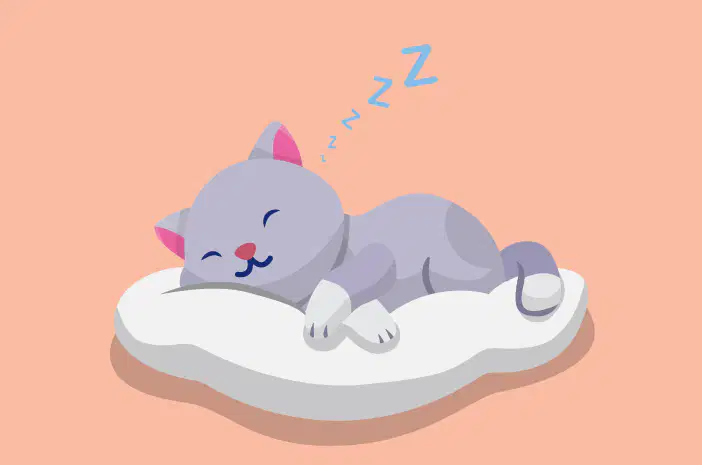
8. The cat ...... on the floor.
slept
sleep
sleeping

9. Susie ........ with her doll in her bad room.
play
playing
played
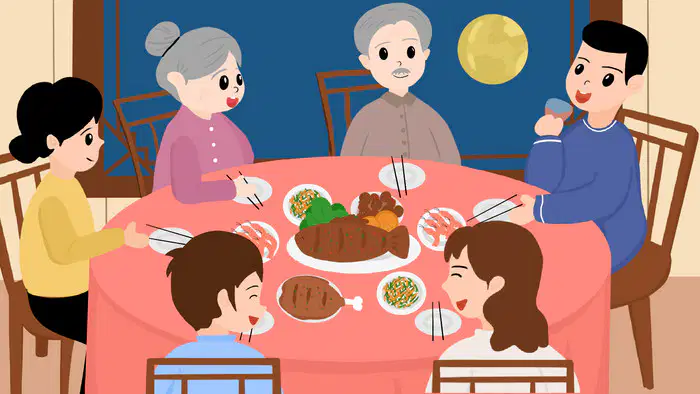
10. We ....... dinner at home last night.
have
has
had
Past incident means talking about...
Past experience
Something that will happen
Daily activities
Future
We can collect the details of the incident by asking...
Interrogative (Yes/No) questions
Directions
Attention
Agreement
The students played football in the yard yesterday.
The action verb in the sentence is...
Played
In the yard
Football
The students
Endah saw the accident in the street this morning.
The action verb in the sentence is...
Endah
In the street
Saw
This morning
They picked up plastic trash on the beaches, the rivers and the streets.
The action verb in the sentence is...
Picked up
Plastic trash
The rivers
The streets
The plastic trash caused the flood in a nearby town a couple of days ago.
The action verb in the sentence is...
The plastic trash
Caused
The flood
A couple days ago
She ... tell me the truth about the incident.
Did not
Were not
Was not
Were was
They ... a basketball player before the accident happened.
Did
Was
Were
Did not
The plastic trash in the oceans ... a danger to sea animals.
Was
Did
Were
Was were
... they felt the urgency to protect the environment and the natural world?
Were
Was
DId
Wasn't
Last holiday I went to Paris. I visited museums and sat in public gardens. A friendly waiter taught me a few words of French. Then he lent me a book. I read a few lines, but I did not understand a word. Every day, I thought about postcards. My holidays passed quickly, but I did not send any cards to my friends. On the last day I made a big decision, I got up early and bought thirty seven cards. I spent the whole day in my room, but I did not write a single card!
What kind of text is this?
A personal recount
A fiction story
A scientific text
Last holiday I went to Paris. I visited museums and sat in public gardens. A friendly waiter taught me a few words of French. Then he lent me a book. I read a few lines, but I did not understand a word. Every day, I thought about postcards. My holidays passed quickly, but I did not send any cards to my friends. On the last day I made a big decision, I got up early and bought thirty seven cards. I spent the whole day in my room, but I did not write a single card!
The recount is telling about?
Last holiday
My holiday
Holiday in Paris
Last holiday I went to Paris. I visited museums and sat in public gardens. A friendly waiter taught me a few words of French. Then he lent me a book. I read a few lines, but I did not understand a word. Every day, I thought about postcards. My holidays passed quickly, but I did not send any cards to my friends. On the last day I made a big decision, I got up early and bought thirty seven cards. I spent the whole day in my room, but I did not write a single card!
Whom did the writer meet in Paris?
A man that take him to France
A man that gave him thirty seven cards
A man that lent him a book
The function of recount text is...
to give information
to retell past experience
to tell a story
What is the tense used in recount text?
Past tense
Present tense
Future tense
What is Recount Text ?
is a story with complication or problematic events and it tries to find the resolutions to solve the problems
is a text which retells events or experiences in the past
is a text which informs readers about events of the day
What is Recount Text ?
is a story with complication or problematic events and it tries to find the resolutions to solve the problems
is a text which retells events or experiences in the past
is a text which informs readers about events of the day
What are recounts?
Writing that retells an experience or an event that happened in the past.
Writing that requires the student to investigate a topic and give an opinion
Writing that describes something—object, person, place, experience, emotion, situation,
Writing on something, which can be either argued for the topic or against the topic.
Which statement is false?
Recounts reveal the significance of the people and events by sharing our personal feelings about them.
Recounts retells an experience or an event that happened in the present.
Recounts are usually are about familiar events.
When we tell a recount, we are telling our listeners and readers that we share with them the same kind of predictable journey through life.
Which of the following statement is false?
When students write recounts, they do the following things with language
... talk about past events
... they put people and things into past events
... locate future events in time and place
... express feelings and opinions about themselves. The pronoun ‘I’ is commonly used.
What is the meaning of 'expression of asking for opinion'?
Sebuah ungkapan untuk menanyakan pendapat seseorang terhadap sesuatu hal
Sebuah ungkapan untuk menyatakan pendapat kita terhadap sesuatu hal
Sebuah ungkapan untuk memuji atau mengapresiasi sesuatu hal
Sebuah ungkapan untuk merespons seseorang yang telah mengapresiasi atau memuji kita
What is the meaning of 'expression of giving opinion'?
Sebuah ungkapan untuk menanyakan pendapat seseorang terhadap sesuatu hal
Sebuah ungkapan untuk menyatakan pendapat kita terhadap sesuatu hal
Sebuah ungkapan untuk memuji atau mengapresiasi sesuatu hal
Sebuah ungkapan untuk merespons seseorang yang telah mengapresiasi atau memuji kita
Observe the following propositions.
(1) What do you think about ... ?
(2) Any comments?
(3) Do you have opinion about ... ?
(4) Well done!
Which is an expression of asking for opinion?
(1), (2), dan (3)
(1) dan (3)
(2) dan (4)
(4)
Observe the following propositions.
(1) How do you feel about ... ?
(2) That's great!
(3) I need your opinion about ...
(4) How beautiful you are!
Which is an expression of asking for opinion?
(1), (2), dan (3)
(1) dan (3)
(2) dan (4)
(4)
Observe the following propositions.
(1) What a nice shirt!
(2) What is your opinion?
(3) Nice work!
(4) Could you tell me your opinion?
Which is an expression of asking for opinion?
(1), (2), dan (3)
(1) dan (3)
(2) dan (4)
(4)
Observe the following propositions.
(1) You're great!
(2) I appreciate your effort.
(3) How clever you are!
(4) What do you think of ... ?
Which is an expression of asking for opinion?
(1), (2), dan (3)
(1) dan (3)
(2) dan (4)
(4)
Observe the following propositions.
(1) What are your feelings about ... ?
(2) Please tell me your opinion on ...
(3) Please give me your thoughts on ...
(4) Thank you.
Which is an expression of asking for opinion?
(1), (2), dan (3)
(1) dan (3)
(2) dan (4)
(4)
Observe the following propositions.
(1) I think ...
(2) That's very kind of you.
(3) I strongly believe ...
(4) Yeah, thanks.
Which is an expression of giving opinion?
(1), (2), dan (3)
(1) dan (3)
(2) dan (4)
(4)
Observe the following propositions.
(1) It's nothing.
(2) I feel that ...
(3) I'm glad you like it.
(4) In my opinion, ...
Which is an expression of giving opinion?
(1), (2), dan (3)
(1) dan (3)
(2) dan (4)
(4)
Observe the following propositions.
(1) Thanks, It's nice of you to say so.
(2) Do you really think so?
(3) Many thanks.
(4) As far as I am concerned, ...
Which is an expression of giving opinion?
(1), (2), dan (3)
(1) dan (3)
(2) dan (4)
(4)
Observe the following propositions.
(1) It seems to me ...
(2) To my mind, ...
(3) I am certain ...
(4) Well done!
Which is an expression of giving opinion?
(1), (2), dan (3)
(1) dan (3)
(2) dan (4)
(4)
Observe the following propositions.
(1) I guess ...
(2) That's great!
(3) In my eyes, ...
(4) How beautiful you are!
Which is an expression of giving opinion?
(1), (2), dan (3)
(1) dan (3)
(2) dan (4)
(4)
Observe the following propositions.
(1) What a nice shirt!
(2) Please inform me your honest opinion on ...
(3) Nice work!
(4) What is your view on ... ?
Which is an expression of asking for opinion?
(1), (2), dan (3)
(1) dan (3)
(2) dan (4)
(4)
Observe the following propositions.
(1) You're great!
(2) I appreciate your effort.
(3) How clever you are!
(4) I would like to know your views on ...
Which is an expression of asking for opinion?
(1), (2), dan (3)
(1) dan (3)
(2) dan (4)
(4)
Observe the following propositions.
(1) What is your reaction to that?
(2) What do you think about ... ?
(3) Any comments?
(4) Thank you.
Which is an expression of asking for opinion?
(1), (2), dan (3)
(1) dan (3)
(2) dan (4)
(4)
Observe the following propositions.
(1) Do you have opinion about ... ?
(2) That's very kind of you.
(3) How do you feel about ... ?
(4) Yeah, thanks.
Which is an expression of asking for opinion?
(1), (2), dan (3)
(1) dan (3)
(2) dan (4)
(4)
Observe the following propositions.
(1) It's nothing.
(2) I need your opinion about ...
(3) I'm glad you like it.
(4) What is your opinion?
Which is an expression of asking for opinion?
(1), (2), dan (3)
(1) dan (3)
(2) dan (4)
(4)
Observe the following propositions.
(1) Thanks, It's nice of you to say so.
(2) Do you really think so?
(3) Many thanks.
(4) From my perspective, ...
Which is an expression of giving opinion?
(1), (2), dan (3)
(1) dan (3)
(2) dan (4)
(4)
Observe the following propositions.
(1) I suppose ...
(2) I reckon ...
(3) From my point' of view, ...
(4) Well done!
Which is an expression of giving opinion?
(1), (2), dan (3)
(1) dan (3)
(2) dan (4)
(4)
Observe the following propositions.
(1) I personally believe ...
(2) That's great!
(3) If you ask me, ...
(4) How beautiful you are!
Which is an expression of giving opinion?
(1), (2), dan (3)
(1) dan (3)
(2) dan (4)
(4)
Ranni: What do think of my new shoes?
Retta: I think they are lovely.
What does Retta express?
Andy: Yes, sir. I'm coming.
Mr Iqbal: (1) __________ the goods to the shop, please?
Andy: With pleasure, sir.
Mr Iqbal: Don't forget to put into the correct case!
Andy: (2) ______, sir.
Mr Iqbal: Thanks.
1. The suitable expression is ....

What do you think the man does?
Offers help
Teaches student
Manages the hotel
Cleans the room
A: What do you think about my dress?
B: _________________ you look nice!
I think
I know it
What's your opinion?
Sorry I can't tell you
Dave : Would you give me your opinion on my presentation yesterday?
John : If you ask me, I feel that you are less of preparation, I guess. Why? because you looked so nervous
Dave : Yeah, I didn't have much time to prepare the material
John : Oh no, it's horrible
The underlined sentence above express. . .
Asking an opinion
Giving an opinion
Congratulating someone
Asking help
Dina : Rani, in this weekend our squad will go to watch a movie together. What do you think?
Rani : Umm, I don't think it's a good idea
Dina : Why?
Rani : It's weekend Dina, the ticket price will be expensive
Dina : You're right :( so what we gonna do?
Rani : How about going to Posong? We can refresh our mind
Dina : Okay, let me ask our friends first
The underlined sentence express . . .
Asking opinion
Giving opinion
Complementing
Congratulating someone
Dina : Rani, in this weekend our squad will go to watch a movie together. What do you think?
Rani : Umm, I don't think it's a good idea
Dina : Why?
Rani : It's weekend Dina, the ticket price will be expensive
Dina : You're right :( so what we gonna do?
Rani : How about going to Posong? We can refresh our mind
Dina : Okay, let me ask our friends first
The underlined sentence express. . .
Asking an apology
Giving suggestion
Asking an opinion
Giving opinion

Bill : I want to buy new shoes, what do you think about this model?
Joan : ___________________________________
Do you want to buy it?
Hey boy, it's too mainstream. Let me find another models for you
The price is Rp. 1.500.00
Is it suitable for me
Billy : I feel tired and dizzy
Judith : I think _______________ don't leave the bed if it is not necessary
The underlined word has the similar meaning with . . .
Exhausted
Take rest
Confuse
Drop
A : Why don't we write about this matter?
B : To be honest, I don't think they will read my letter
The underlined sentence expressed. . .
Agreement
Apology
Pride
Opinion

Ariana : Gosh! Burger again???
Irine : It's so delicious Ri, let's try. It's the newest menu here. This burger has double meat and triple cheese. Yummy!
Ariana : But I think it's not good for your health Rine.
The underlined sentence express . . .
Giving opinion
Asking opinion
Asking for help
Congratulating someone

Rick: I like her but I don't know what I have to do. Please, help me!
You: ____, you should tell her that you are falling in love with her!
I Think
I Mean
I don't know
don't you feel?

Andy : What are your .... about our school?
Rudy : I think it’s a dirty school.
think
thoughts
taught
told

Jane: Roxy, what do you..... of the cake I bake?
Roxy: It’s really delicious! I love it!
opinion
think
thoughts
tell

Nia : What is your comment about Terrorism?
Nana : ...... terrorist is very brutal.
What are your thoughts on that?
I disagree
To my mind
What’s your opinion?

. Rena : How do you ..... the temperature here ?
Rizky: It’s so hot here.
feel
take
blow
learn

Jenny : ...... unemployment is a big problem.
John : I’m sorry but I have to disagree.
I think so too
According to me,
I have different opinion
I’m not sure
Aisyah: We’ll have a long holiday next month. What are you going to do?
Eksan : ....
Kate : I hope you have a nice trip
Complete the dialogue above ....
A. I am thinking of going to Bali Sorry
B. Sorry, I can’t tell you
C. It’s not your business
D. I have nothing to do
But do you think it’s a good idea that people can
smoke in shops and buses?
I don’t think so. There are a lot of people but the city is always busy
and exciting.
I don’t think so. Children use buses too.
Maybe
I believe that, yes. Food and clothes are very cheap and it’s easy to
travel around the city.

Based on the table, what is Marie going to do at 8:00 on Monday?
Marie is cleaning the floors
Marie is meeting Tom
Marie is buying new curtains
Marie is painting the walls

Based on the table, what are Marie and Pierre going to do at 10:00 on Friday?
Pierre is preparing bread and cookies
They are painting the walls
He is installing the alarm
She is calling a decorator

TRUE OR FALSE
Marie is sending invitations at 8:30 on Thursday
TRUE
FALSE

Fill the blank!
Marie __ _______ a decorator at 10:00 on Wednesday
(a)
TRUE OR FALSE THE STRUCTURE OF THE SENTENCES BELOW
Rudy is playing football yesterday.
TRUE
FALSE

ANSWER THE QUESTION!
Is Pierre tiding up the kitchen at 13:00 on Thursday
(a)

Is Marie meeting Tom on Monday
Yes, she is
No, she is not

ANSWER THE QUESTION!
Is Marie painting the walls at 12:00 on Friday?
(a)

Who is cleaning the floors at 11:00 on Tuesday?
Marie
Pierre
Marie and Pierre
No one

Who is polish the furniture at 13:00 at Tuesday?
Marie
Pierre
Marie and Pierre
No one
Can present continuous be used for actions happening at the moment of speaking?
Yes, it can describe actions currently in progress.
No, it can only describe past actions.
Yes, but only for future actions.
No, it is used for completed actions.
Fill in the blank: We __________ on campus any more this semester :( .
aren't meeting
are meeting
will meet
met
How can you express a future plan using present continuous?
By stating the subject followed by 'am/is/are' and the verb in -ing form.
By using the simple present tense with a time expression.
By using 'will' followed by the base form of the verb.
By stating the subject followed by 'was/were' and the verb in -ing form.
What is the negative form of present continuous?
Subject + am/is/are + not + verb-ing.
Subject + was/were + not + verb-ing.
Subject + do/does + not + verb.
Subject + has/have + not + verb-ing.
Fill in the blank: People __________ during this Holy Week.
are traveling
aren't traveling
will travel
have traveled
What is the present continuous tense used for?
To describe actions happening right now.
To express habitual actions.
To indicate future arrangements.
To describe completed actions.
Identify the sentence in present continuous:
I am visiting my aunt tomorrow.
I visited my aunt tomorrow.
I will visit my aunt tomorrow.
I have visited my aunt tomorrow.
What do we use to talk about future arrangements?
simple future
present continuous
past simple
future perfect
What is the importance of context in using present continuous for future arrangements?
Context helps clarify whether the action is ongoing or planned for the future.
Context is irrelevant when using present continuous for future arrangements.
Context only matters in past tense constructions.
Context is used to determine the subject of the sentence.
Provide an example of a future arrangement using present continuous.
I am meeting my friends next week.
I will meet my friends next week.
I met my friends next week.
I am meet my friends next week.
What is an example of a negative present continuous sentence?
She is not coming to the party.
They are playing soccer.
He is eating dinner.
We are going to the store.
What is the structure of a present continuous sentence?
Subject + am/is/are + verb-ing.
Subject + will + verb.
Subject + has/have + verb-ed.
Subject + was/were + verb-ing.
When is it appropriate to use present continuous for future arrangements?
When the arrangement is planned or scheduled.
When the action is happening right now.
When the action is a habitual occurrence.
When the action is uncertain or undecided.
How do you form questions in present continuous?
Am/Is/Are + subject + verb-ing?
Subject + verb + am/is/are?
Verb-ing + am/is/are + subject?
Am/Is/Are + verb + subject?
What is the difference between present simple and present continuous?
Present simple describes ongoing actions, while present continuous describes habitual actions.
Present simple describes habitual actions, while present continuous describes ongoing actions or future arrangements.
Present simple is used for future arrangements, while present continuous is used for past actions.
Present simple and present continuous are interchangeable in all contexts.
We use will/won't...
To make predictions when we have no clear evidence
Predictions based on evidence
To express spontaneous decisions
Plans or intentions
MAKE A PREDICTION: I think next school year will start in October.
I agree
I don't agree
When will we start school the next year? MAKE A PREDICTION
Before the 10th of September
After the 10th of September and before October.
In October
Later than October
MAKE A PREDICTION: We will have a combination of classroom teaching and online teaching.
Yes.
No. Only classroom teaching.
No. Only online teaching with google classroom
At the beginning of next school year we will have to face another coronavirus pandemic outbreak. MAKE A PREDICTION.
Yes
No
Probably
Students in every group will go to school in different turns to avoid contact. MAKE A PREDICTION.
Yes
No
Probably
The questions you have answered are...
Plans and intentions
Predictions without much evidence (we don't really know)
Predictions based on a lot of evidence (we are almost certain)
Arrangements (you have already marked it down on your calendar)
Sometimes we make decisions at the moment of speaking. Choose the two best matches for the following utterance:
-I'm hungry!
I'll have something to eat.
I'll go for a walk.
I'll wait till the breaktime.
I'll visit my friend.
Choose the two best matches: Oh no! The milk has been spilled!
I'll check my e-mails
I'll call the waiter
You'll come and visit me
I'll clean the mess
For predictions without much evidence and spontaneous decisions we use...
will or won't
be going to
the present continuous
the present simple

He ............asleep in a second
Will fall
Won't fall
Fallen
Falling

.........Juki ........ his exam on time?
Won't Juki finish
When Juki finish
Will Juki finish
Who Juki finish

Will she eat a strawberry?
Yes, she won´t.
Yes, she will
No, he will
Yes, she will eats
Make a correct sentence with these words.
I / have fun / with my friends.
I won't have fun with my friends.
I'll had fun with my friends.
I'll have fun with my friends.
I'll won't have fun with my friends.
Will humans live in the next 200 years if they won't care about recycling the garbage?
No, they won't.
No, it won't.
No, they will.
No, they not will.

People ... normal meals in 100 years.
will eat
won't eat
will study
won't study
Take off your jacket or you_______be hot.
will
won't
We (not use) our brains very much
not use will
will use not
wont use
won't use
If I have money, I _____ (buy) a house.
Will buy not
Won't buy
Will buy

I cannot stay in the party room for too long. The music is ______________________.
too nice
too loud
too soft
too big

The cat hole is __________________. It cannot get inside.
too old
too thin
too big
too small

There is ___________________food for the dog. It cannot finish at all.
too little
too much
too many
too lots

The sun is ___________________. I cannot see through the camera.
too bright
too dark
too hot
too light

The fries are ________________________. It is unhealthy to eat every day.
too hot
too wet
too oily
too dry
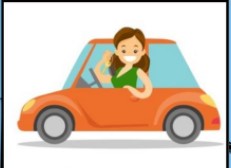
COMPLETE WITH ADVERBS
1. Aunt Anne is a careful driver. So she drives ...
careful
carefully
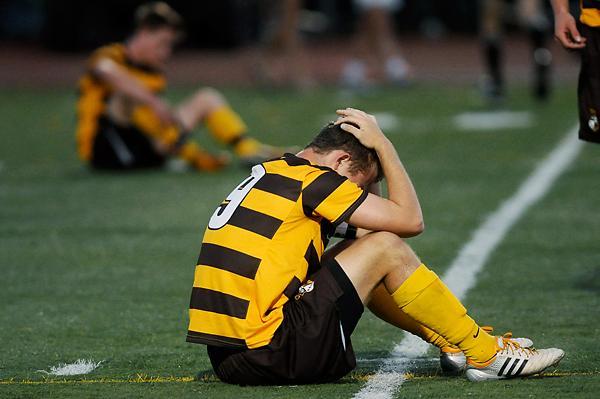
COMPLETE WITH ADVERBS
2. Harry is a bad player because he plays ...
badly
bad

COMPLETE WITH ADVERBS
3. Mrs Hardy is a good cook because she cooks ...
good
well

CHOOSE THE CORRECT ADVERB
5. The exam was easy, so he passed the exam ...
easily
easyly
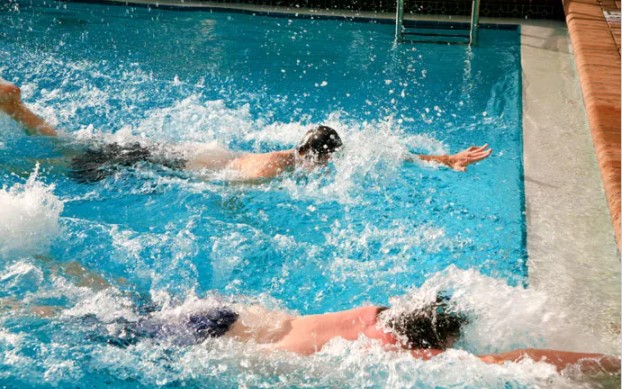
CHOOSE THE CORRECT ADVERB
6. Peter is a fast swimmer. He swims ...
fast
fastly
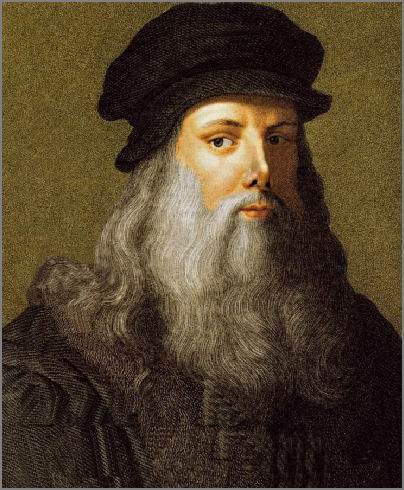
CHOOSE THE APPROPRIATE FORM OF THE ADVERB
8. Da Vinci could draw and paint .... (beautiful)
beautifuly
beautifully
describes a verb and adjective.
describes a noun or pronoun.
describes an adverb.
describes an action.
Christopher found a beautiful rock in his messy room.
found
Christopher and rock
beautiful
She slowly walked toward the dark tunnel.
A noun can only be described by one adjective.
TRUE
FALSE
Not all adjectives can be used in comparisons.
TRUE
FALSE
How many adjectives are in this sentence?
There are many shiny apples in the broken wagon.
What is the adverb in the sentence, “Geneva whispered softly to him.”?
him
softly
to
whispered
Adverbs answer the questions: ______________________________.
do, does, may, can
hadn’t, didn’t, who, why
who, what, where, when, why
where, when, how, how often, to what extent
What kind of adverb is used in the sentence, “Fast cars have to be driven carefully.”?
Adverb of degree
Adverb of manner
Adverb of time
Adverb of place
What is the adverb of degree in the sentence, “Harry always tries really hard.”?
always
hard
really
tries
What is the adverb of frequency in the sentence, “She never tries hard enough.”?
enough
hard
never
tries
All adverbs end in -ly.
TRUE
FALSE
Is the underlined word an ADJECTIVE OR ADVERB?
Being healthy is the only thing that is important to me.
Adjective
Adverb
Is the underlined word an ADJECTIVE OR ADVERB?
Sasha arrived late because she could not sleep last night.
Adjective
Adverb

