
 Worksheets
TABLE SAW QUIZ
Total questions: 20
Worksheet time: 10mins
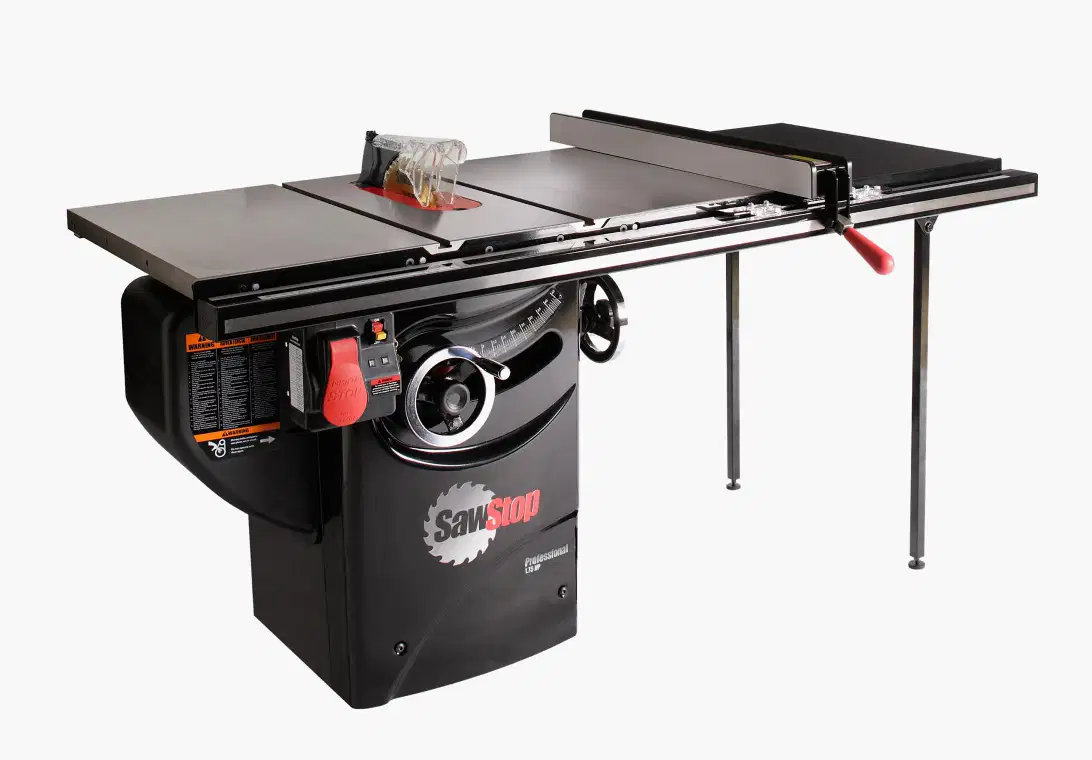
When is it acceptable to use the table saw?
Anytime it's not in use
Only when a friend says it's okay
Only with the teacher’s direct permission
During lunch or after school
What is one of the things you should do before using the table saw?
Turn off the dust extractor to reduce noise.
Make sure the floor is clear in the work area.
Remove the safety guard.
Check the weather for any potential rain.
Make sure the splitter and anti ____________ teeth are in place.
Wear
Static
kickback
Corrosion
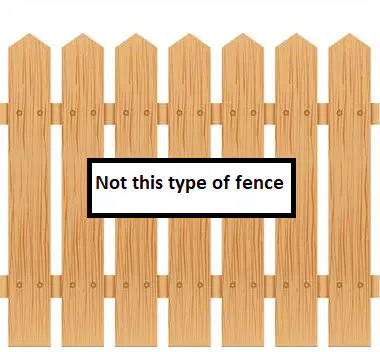
What must be done with the fence before starting a cut?
Spray with lubricant
Measure the board length
Line it up by eye
Ensure it's secured and locked
While cutting, how should you hold the material?
Loose and relaxed
With both hands in the air
Firmly down on the table and push past the blade
Above the blade
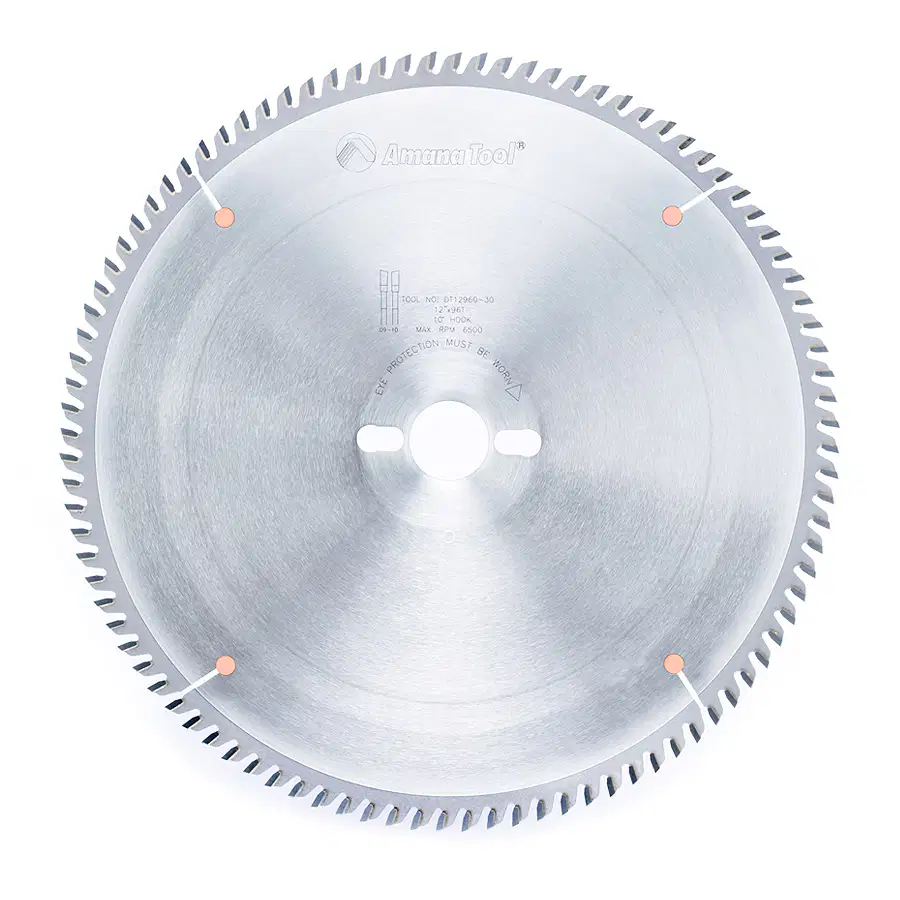
Before changing blades, what safety step must be taken?
Spray blade with WD-40
Lock-out the machine and follow procedure
Sharpen the new blade
Blow out sawdust
What should you never do while the blade is moving?
Reach over the blade
Adjust the fence
Cut softwood
Hold the board tight
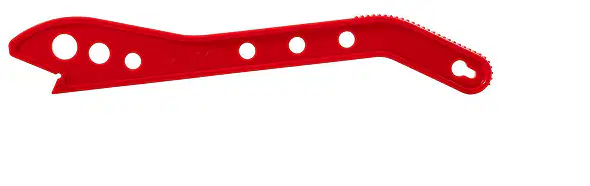
When should a push stick be used?
When you’re cutting metal
Always, no matter the cut
When the fence is set under 6" to the blade
When cross-cutting only
What should you do if cutting a large piece?
Use your knee to hold it
Cut it in half first
Do it quickly
Ask for assistance
What position should you avoid while cutting?
Behind the saw
On the left side
In line with the blade (kickback zone)
Near the dust collector
How fast should material be fed into the saw?
As fast as possible
As slow as possible
At a pace the saw accepts, listening to the cut
Depends on wood color
What should you use for rip cuts?
Freehand techniques
Miter gauge
Fence
Only safety goggles
What tool should be used for cross-cuts?
Miter gauge or cross-cut sled
Rip fence
Push stick
T-square
What should you never use at the same time?
Push stick and fence
Miter gauge and rip fence
Dust collector and fence
Blade guard and goggles
What must always be checked before using the table saw?
Paint color
Machine guards are in place and working
Fence length
Wood grain
What should you never attempt while cutting a piece?
Use a sled
Cut free-hand
Use assistance
Measure the offcut
How should the workpiece be held during the cut?
With one hand
Lightly touching the fence
Kept against the fence or miter gauge
Pressed from the top only
What is a major reason to stand clear during cutting?
To watch better
To avoid kickback
So the wood stays flat
For airflow
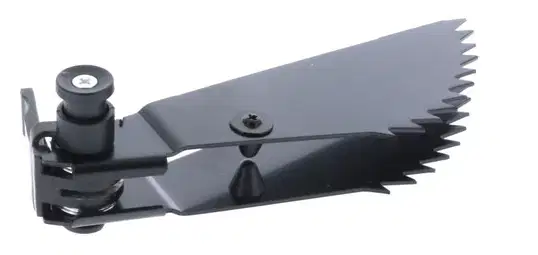
What is the purpose of the anti-kickback teeth?
Decorate the table saw
Prevent the wood from flying back at the user
Sharpen the blade
Cut faster
What should you do if the wood starts to bind or make unusual noise?
Keep pushing
Pull it back
Stop feeding and turn off the saw
Push harder with a push stick

