
 Worksheets
Building Design and Materials Quiz
Total questions: 30
Worksheet time: 15mins
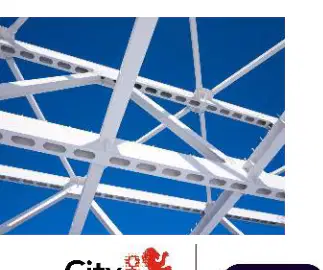
What are some properties that materials are selected for in building design?
Color and texture
Durability and weather resistance
Cost and availability
Size and shape
Which of the following is a type of metal mentioned in the learning material?
Thermoplastic
Fireclay
Ferrous
Synthetic rubber
What type of material is described as thermosetting and thermoplastic?
Metals
Plastics
Ceramics
Rubbers
Which of the following materials is not listed in the learning material?
Alloys
Ceramics
Glass
Natural rubber
What type of materials are alloys and solders classified under?
Metals
Plastics
Ceramics
Rubbers
Which of the following is a characteristic of non-ferrous metals?
They are magnetic
They are more resistant to corrosion
They are heavier than ferrous metals
They are primarily used in construction
What property does tool steel have?
Can be bent and pulled into wires
Hard, resistant to high temperatures
Hard, resistant to corrosion
Soft and malleable
What is solder typically made of?
Chromium and iron
Carbon and iron
Tin and lead
Tungsten and iron
What is the primary use of solder?
To create alloys
To join two metal components together
To resist corrosion
To increase temperature resistance
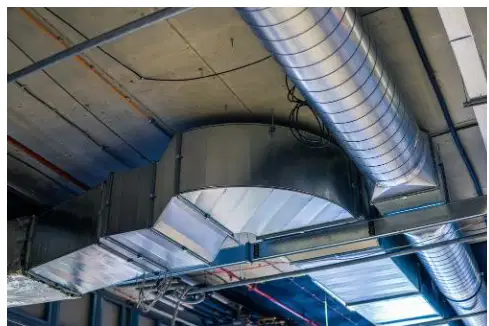
Which of the following is commonly used in HVAC systems?
Plastic pipes
Wooden beams
Metal ductwork
Glass panels
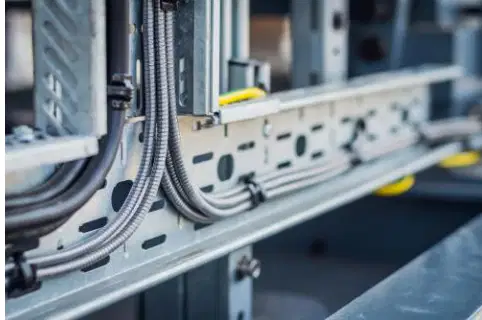
What is the primary purpose of cable trays in building services engineering?
To support and organize cables
To insulate electrical wires
To provide lighting
To heat the building
What happens to thermosetting plastics when they are heated?
They become flexible and can be reshaped.
They become rigid and do not soften.
They melt and can be recycled.
They expand and become porous.
In what type of systems are ceramics used as isolators?
Plumbing systems
Electrical systems
Heating systems
Cooling systems
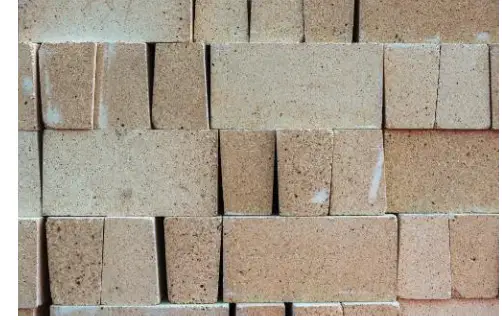
What characteristic makes fireclays suitable for lining furnaces and fireplaces?
They are lightweight
They are resistant to decomposition by heat
They are flexible
They are transparent
What process makes rubber more resistant to temperature and more durable?
Polymerization
Vulcanization
Distillation
Crystallization
What is synthetic rubber primarily produced from?
Latex sap
Silicone
Petroleum-based materials
Natural fibers
What is the term used to define the composition of soils, such as alkaline soil?
Chemical composition
Ductility
Malleability
Conductivity
Which property describes the ability of a material to be drawn out under tension without breaking?
Ductility
Malleability
Conductivity
Chemical composition

What is the ability of a material to be hammered or rolled into a shape called?
Malleability
Ductility
Conductivity
Chemical composition
Which property allows an electrical charge to pass through a material?
Conductivity
Ductility
Malleability
Chemical composition
What is tensile strength?
The resistance of a material to being torn apart
The ability of a material to withstand compressive forces
The useful life of a product in terms of years
The measure of tensile, shear, and compressive forces
Which of the following materials is known for high durability?
Plastic
Wood
Brick
Paper
What does compressive strength refer to?
The resistance of a material to being torn apart
The strength of a material to resist force and weight directly applied to it
The useful life of a product in terms of years
The ability to withstand tensile forces
How is strength defined in the context of materials?
The resistance to being torn apart
The measure of tensile, shear, and compressive forces on a material
The useful life of a product
The ability to resist weight directly applied
What effect does water absorption have on clay bricks during winter?
It strengthens the brick.
It causes the brick to expand and damage.
It makes the brick more flexible.
It prevents the brick from freezing.
How does sunlight affect some plastic materials like roof lights?
It makes them more transparent.
It causes them to become brittle and crack.
It increases their flexibility.
It enhances their color.
What happens to aluminum when it is exposed to the atmosphere without protection?
It melts
It oxidizes and creates a coating
It becomes brittle
It changes color
What causes electrolytic corrosion?
Acid rain
UV radiation
Electrical charge from dissimilar metals in water
High temperatures
Which metal is easily oxidised according to the electromotive series?
Gold
Silver
Lithium
Copper
What is erosion corrosion commonly known as?
Rusting
Wear and tear
Oxidation
Tarnishing

