
NEW
Font size
 Worksheets
Injection Administration Quiz
Total questions: 27
Worksheet time: 14mins
What should you check for before administering an injection?
The patient's temperature
Drug allergies
The patient's height
The color of the medication
What is important to use when administering injections?
Reusable needles
Sterile needles and syringes
Colored syringes
Large needles
Why is it important to label the syringe?
To identify the patient's name, the name of the drug, and the dose
To match the color of the medication
To indicate the time of day
To show the expiration date
What should be done for patients receiving repeated injections?
Use the same injection site
Rotate injection sites by establishing a predetermined plan
Increase the dose each time
Decrease the dose each time
How should you select an injection site?
Choose a site with visible veins
Select a site free of hair, lesions, and inflammation
Pick a site with a tattoo
Choose a site with a scar
What is formed when medication is administered under the epidermis in an intradermal injection?
A large blister
A small bleb
A deep bruise
A red rash
Which of the following is NOT a consideration for intradermal injections?
Needle gauge/length
Injection angle
Max volume
Injection speed
What is the purpose of a subcutaneous injection?
To inject medication into the muscle
To inject medication into the bloodstream
To inject medication into tissue below the dermal layer into fatty tissue
To inject medication into the bone
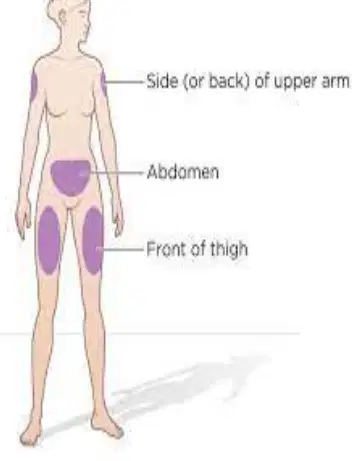
Which of the following is a common site for subcutaneous injections?
Sole of the foot
Abdomen
Palm of the hand
Back of the neck
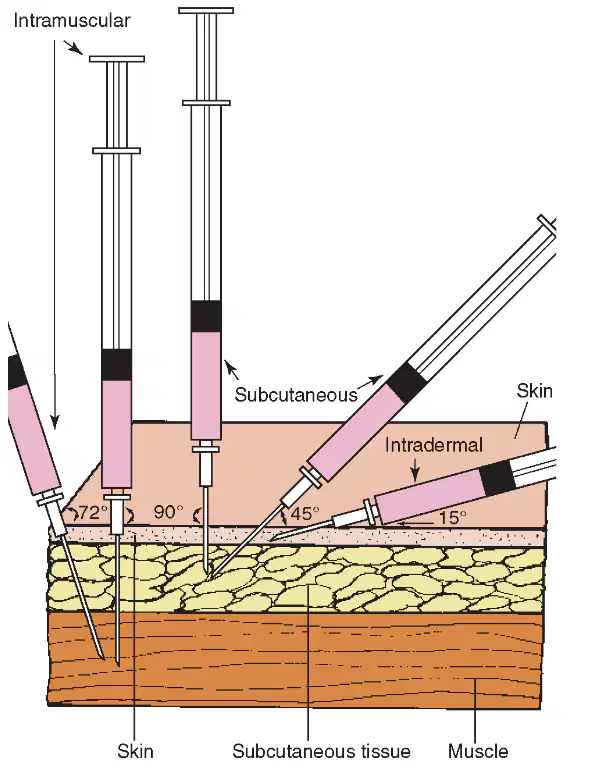
What is the correct injection angle for an intramuscular (IM) injection?
15°
45°
72°
90°
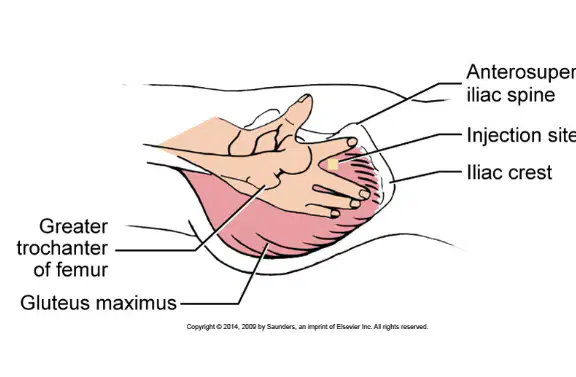
Where is the ventrogluteal injection site located?
Near the patella
Near the clavicle
Near the greater trochanter of the femur
Near the radial nerve
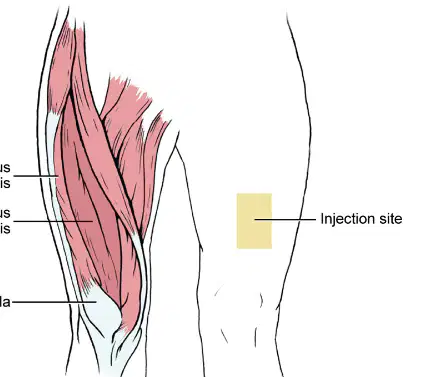
Which muscle is located on the lateral side of the thigh and is used for intramuscular injections?
Deltoid
Vastus lateralis
Gluteus maximus
Brachial artery
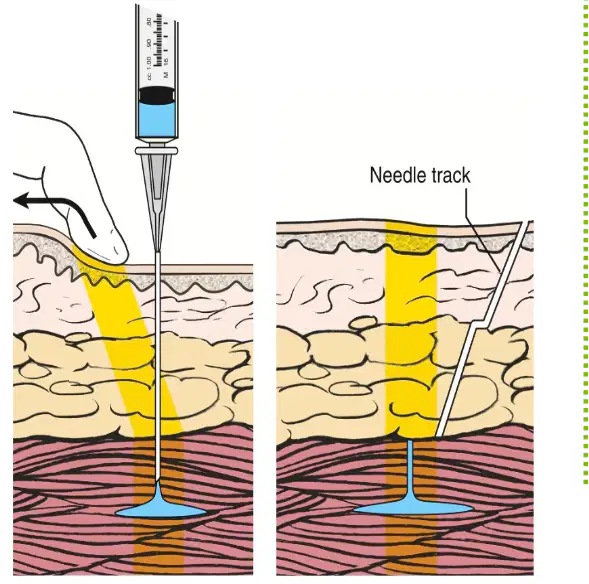
What is the primary use of the Z-track method in injections?
For subcutaneous injections
For deep IM injections of medications that are caustic to tissues
For intravenous injections
For oral medication administration
Can the Z-track method be used for all intramuscular injections?
Yes, it can be used for all IMs
No, it is only for specific medications
Yes, but only in emergency situations
No, it is not recommended for any IMs
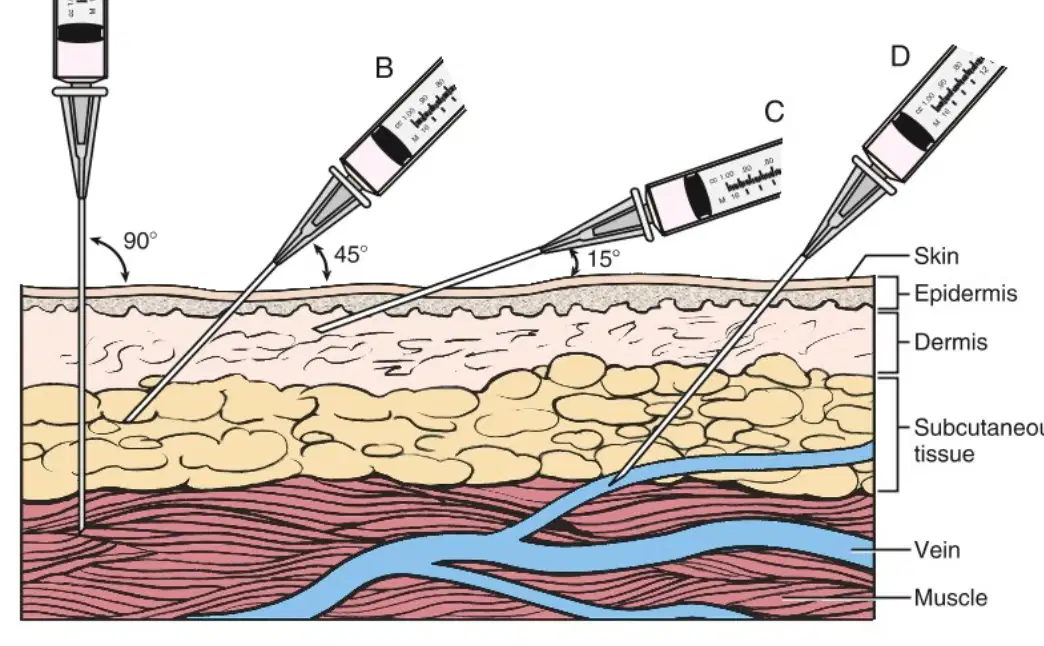
At what angle should a subcutaneous injection be administered?
90°
45°
15°
60°
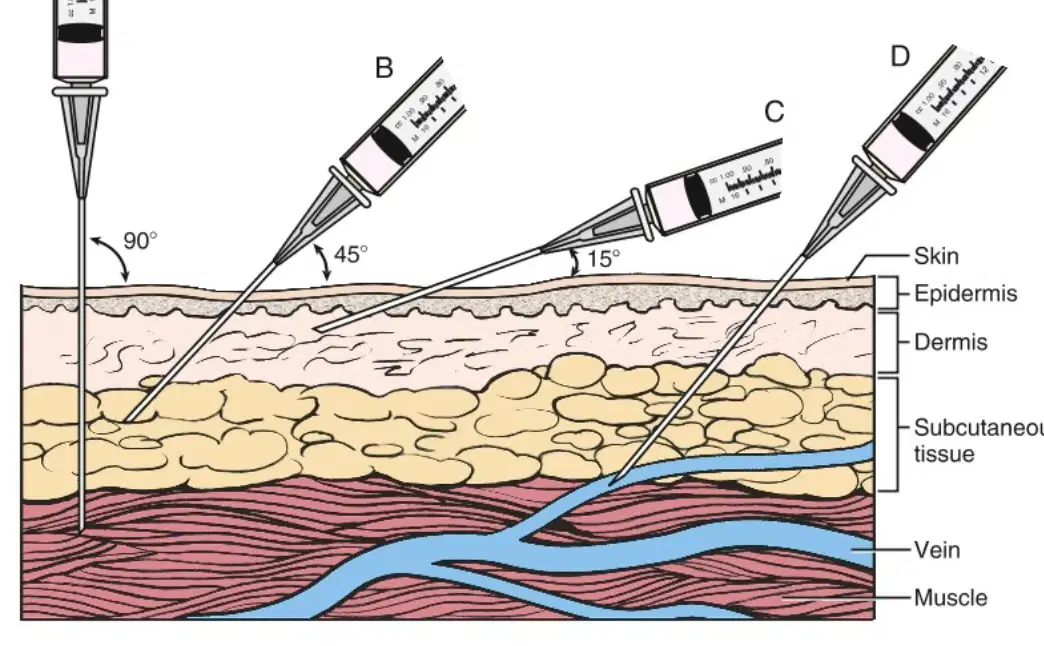
Which layer of the skin is directly below the epidermis?
Subcutaneous tissue
Dermis
Muscle
Vein
What is the purpose of maintaining sterility in needles and syringes?
To prevent medication errors
To ensure accurate dosage
To avoid contamination
To reduce injection pain
Which type of syringe is specifically used for tuberculosis testing?
Insulin syringe
Tuberculin syringe
Standard syringe
Hypodermic syringe
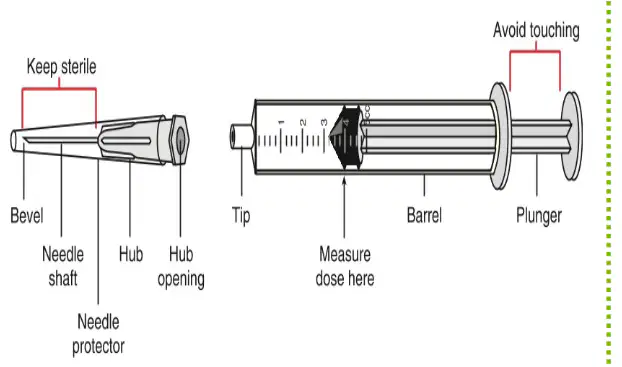
What should you know about the syringe you select for an injection?
The color of the syringe
The measurement scale
The brand of the syringe
The weight of the syringe
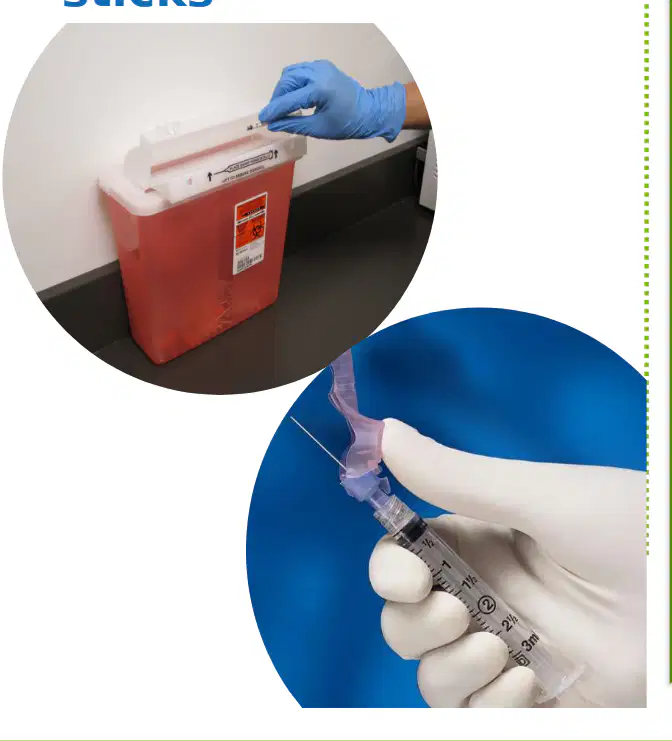
Where should used needles be disposed of to prevent needle sticks?
In regular trash bins
In sharps containers
On the floor
In recycling bins
Why is it important to be aware of sharps at all times?
To ensure they are used frequently
To prevent accidental injuries
To make them easily accessible
To allow for quick disposal
What must be done before mixing two medications in a syringe from a vial?
Shake the vial
Check for compatibility
Heat the vial
Freeze the vial
What is the purpose of mixing a solute with a diluent in reconstituting medications?
To change the color
To dissolve the drug for injection
To increase the volume
To solidify the drug
What is one of the key components of the assessment phase in the nursing process?
Acute pain
Six rights
Allergies
Double check high alert drugs
Which of the following is a focus during the diagnosis phase of the nursing process?
Verify order
Risk for infection
Three checks
Maintain asepsis
What is an important consideration during the implementation phase of the nursing process?
Activity intolerance
Assess site
Double check high alert drugs
Know medication information
What should the nurse do next when the patient reports a reaction to amoxicillin?
Administer the penicillin G injection as planned.
Consult with the doctor before administering penicillin G.
Ignore the patient's concerns and proceed with treatment.
Give a higher dose of penicillin G to counteract the reaction.

