
 Worksheets
Ecology & Material/Energy Cycling - Final Exam Review
Total questions: 36
Worksheet time: 1hrs 2mins
Organisms that eat only plants
producers
consumers
herbivores
omnivores
organisms that eat only animals
consumers
herbivores
carnivores
decomposers
organisms that eat both plants and animals
decomposers
herbivores
carnivores
omnivores
abiotic
living things
non-living things
animals
plants
biotic
living things
soil
water
non-living things
Types of consumers
omnivore, herbivore, carnivore
consumer, producer, decomposer
omnivore, producer, carnivore
consumer, herbivore, decomposer
Due to the fact that plants can make their own food using photosynthesis, what are plants considered in food chains?
omnivores
consumbers
producers
carnivores
What would a rabbit be considered in a food chain if it ONLY EATS PLANTS?
herbivore
omnivore
carnivore
producer
What would a lion be considered in a food chain if they ONLY EAT MEAT?
producer
herbivore
carnivore
omnivore
Which choice below shows the correct order of a food chain?
sun -> rabbit -> tomato plant -. decomposer -> hawk
tomato plant -> decomposer -> sun -> rabbit -> hawk
sun -> tomato plant -> rabbit -> hawk -> decomposer
Which activity by humans has greatly increased the amount of CO2 in the atmosphere?
planting more trees
recycling
burning fossil fuels
driving electric cars
Which natural process removes carbon dioxide from the atmosphere?
forest fires
volcanic eruptions
cellular respiration
photosynthesis

Select all that apply.
You can help decrease your carbon footprint by...
buying and eat locally-produced food
lessening your amount of driving
recycling
decreasing your water and electricity usage
Burning fossil fuels adds carbon dioxide to the air. What could be done to reduce the amount of carbon dioxide and increase the amount of oxygen in areas where fossil fuels are burned?
Building houses
Driving cars
Planting trees
Burning our trash
What is the chemical reaction for photosynthesis?
6CO2 + 6H2O + light energy → C6H12O6 + 6O2
4CO2 + 4H2O + light energy → C4H8O4 + 4O2
C6H12O6 + 6O2 → 6CO2 + 6H2O
2H2O + 2CO2 → 2H2CO3 + O2
What are the products of photosynthesis?
Glucose and oxygen
What are the reactants of photosynthesis?
Carbon dioxide and water
Oxygen and glucose
Which type of organism undergoes photosynthesis?
heterotrophs
autotrophs
Which organelle is the site of photosynthesis?
What are the reactants/inputs of cellular respiration?
(choose all that apply)
water
carbon dioxide
glucose
oxygen
What are the products/outputs of cellular respiration?
(choose all that apply.)
C6H12O6
CO2
O2
H2O
How do plants affect the air that animals and people breathe?
Plants use oxygen from the air to make their own food
Plants release pollution into the air
Plants take in carbon dioxide and release oxygen
Plants take in oxygen and release carbon dioxide
Why is burning fossil fuels harmful?
they cause cancer
They can get extremely hot
it increases the amount of carbon dioxide in the atmosphere
this would destroy fossils
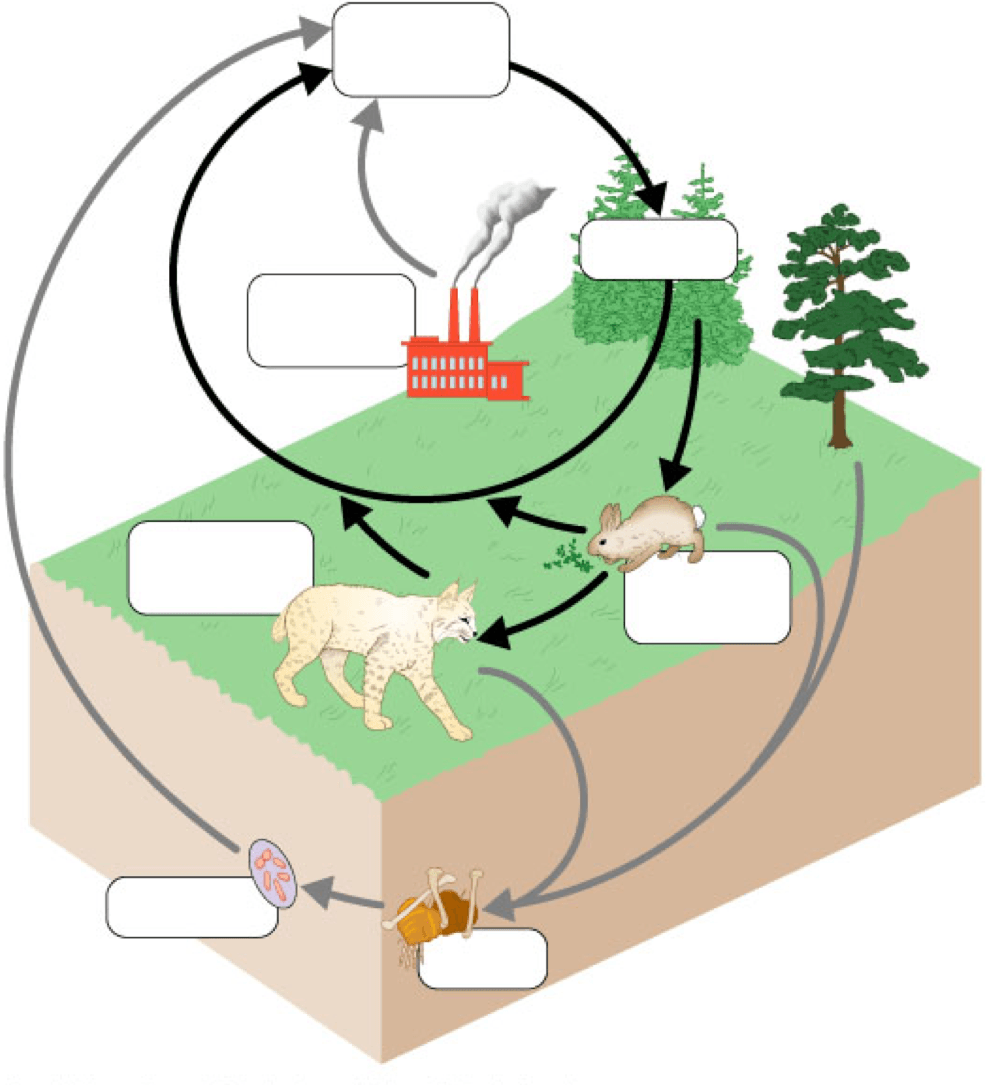
Plants use ____________ to make their own food
Water
Sunlight
Carbon dioxide
All of these
How do plants affect the air that animals and people breathe?
Plants use oxygen from the air to make their own food
Plants release pollution into the air
Plants take in carbon dioxide and release oxygen
Plants take in oxygen and release carbon dioxide

