
 Worksheets
Nosocomial (Health Care-Associated-HAI) Infections
Total questions: 22
Worksheet time: 11mins
According to the Chief Public Health Officer's Report on the State of Public Health in Canada 2013, what percentage of common infections are spread by healthcare workers, patients, and visitors?
50%
60%
80%
100%
Based on the iceberg effect, what can be inferred about the relationship between colonization and infection?
Most people who are colonized will always show symptoms
The majority of cases are visible and easy to detect
There are often many more colonized individuals than those who are visibly sick
Colonization and infection always occur in equal numbers
How can an infected person transmit infectious agents to another person?
Only through the air.
Only by sharing food.
Through direct touch or indirect touching of the same object.
Only by coughing or sneezing.
Given the information, what is the difference between being colonized and being infected?
Colonized individuals always show symptoms, while infected individuals do not.
Infected individuals show symptoms and illness, while colonized individuals do not necessarily become sick.
Colonized individuals cannot transmit infectious agents, while infected individuals can.
There is no difference between colonization and infection.
Nosocomial infections can affect which of the following groups?
Only patients
Only visitors
Only doctors
Both patients and staff
Compare the prevalence of nosocomial infections in developed and developing countries. What does this suggest about healthcare challenges in these regions?
Both have the same prevalence, suggesting equal healthcare challenges.
Developed countries have a higher prevalence, indicating more challenges.
Developing countries have a higher prevalence, indicating greater healthcare challenges.
Prevalence is not related to healthcare challenges.
Which of the following hospital areas is most commonly associated with the occurrence of nosocomial infections?
Outpatient clinics
Intensive Care Unit (ICU)
Hospital cafeteria
Administrative offices
Explain why surgical floors are considered high-risk areas for nosocomial infections and provide an example of a common infection type found in this setting.
They have more visitors; example: food poisoning
They have more surgical procedures; example: surgical site infection (SSI)
They have more administrative staff; example: influenza
They have more outpatient services; example: common cold
A hospital is tracking infections that occur at the site of a surgical procedure. According to the CNISP, what is the correct term for these infections?
Surgical site infections (SSI)
Central venous catheter-associated bloodstream infections (CVC-BSI)
Vancomycin-resistant enterococci (VRE) infections
Clostridium difficile (C. difficile)
Which nosocomial infections are considered the most difficult to treat, and why?
Those in the lungs and blood, due to their association with drug resistance and high death rates.
Those in the skin, because they spread quickly.
Those in the stomach, because they are hard to diagnose.
Those in the bones, because they require surgery.
Which of the following best describes why Clostridium difficile infections are particularly dangerous in hospitals and long-term care facilities?
They are resistant to all forms of antibiotics.
They are one of the most common causes of deadly infections in these settings.
They only affect children and young adults.
They are spread through the air.
Why are older adults and immunocompromised individuals at greater risk from C. difficile infections?
They have stronger immune systems.
They are less likely to be exposed to antibiotics.
The infection is especially serious in these populations.
They are more likely to have a balanced GI flora.
A patient develops severe diarrhea and colon inflammation after a course of antibiotics. Using your knowledge of C. difficile, what is the most likely explanation for this outcome?
The antibiotics directly caused the infection.
The antibiotics altered the normal balance of GI flora, allowing C. difficile to proliferate.
The patient was exposed to contaminated water.
The patient had a food allergy.
A patient in a hospital develops a wound infection that does not respond to Vancomycin. What is a likely cause?
The infection is caused by Vancomycin Resistant Enterococci (VRE).
The infection is caused by a common cold virus.
The infection is caused by a fungal organism.
The infection is caused by a protozoan parasite.
Explain how the development of MRSA demonstrates the importance of antibiotic stewardship in healthcare settings.
It shows that overuse or misuse of antibiotics can lead to bacteria becoming resistant, making infections harder to treat.
It shows that antibiotics are always effective against bacteria.
It shows that bacteria cannot adapt to antibiotics.
It shows that only healthy people get infected by MRSA.
Which of the following is considered everyone's responsibility in healthcare settings?
Clean and safe healthcare environments
Only doctors' hygiene
Patient medication management
Hospital equipment maintenance
A patient develops an infection two days after being discharged from the hospital, which was not present or incubating at the time of admission. Using your reasoning skills, explain why this infection would be classified as a nosocomial infection and not a community-acquired infection.
Because it was acquired during the delivery of health care, even though it appeared after discharge.
Because it was present before the patient was admitted to the hospital.
Because it was acquired from the community before hospitalization.
Because it was caused by a pre-existing chronic condition.
Analyze why proper hand hygiene is emphasized as a significant measure in reducing nosocomial infections. Use reasoning and evidence to support your answer.
Hand hygiene is emphasized because it is the only way to treat infections after they occur.
Hand hygiene is important because about 80% of common infections are spread by contact with healthcare workers, patients, and visitors, so improving hygiene can significantly reduce transmission.
Hand hygiene is not effective in reducing infection rates.
Hand hygiene is only necessary for patients, not healthcare workers or visitors.
A hospital is experiencing an outbreak of an infectious disease. Some patients are showing symptoms such as fever and high white blood cell count, while others who have been exposed to the same infectious agent are not showing any symptoms. Using your understanding of infection and colonization, explain why not all exposed individuals become ill, and discuss the implications for disease control in the hospital.
Only individuals with strong immune systems become infected and show symptoms.
All individuals exposed to the infectious agent will eventually become sick.
Some individuals may become colonized without developing illness, meaning they carry the infectious agent but do not show symptoms.
The infectious agent is not capable of causing illness in any individual.
A hospital administrator is tasked with reducing the incidence of nosocomial infections in their facility. Based on the most common locations for these infections, which areas should the administrator prioritize for intervention and why?
Cafeteria, waiting rooms, and administrative offices because they have the highest patient turnover.
ICU, ER, and surgical floors because these areas have the highest risk of nosocomial infections due to invasive procedures and critical care.
Outpatient clinics, pharmacy, and radiology because they handle the most medications.
Gift shop, parking lot, and laundry because they are accessed by many people.
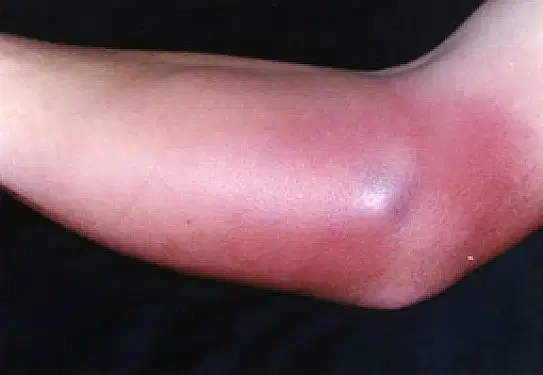
Given that Staphylococcus aureus is normally harmless in healthy individuals, analyze and explain the circumstances under which it becomes a health concern, specifically relating to MRSA.
It becomes a health concern when it becomes resistant to methicillin, leading to MRSA, which can cause wound and skin infections.
It becomes a health concern only when it is found in food.
It becomes a health concern when it is exposed to sunlight.
It becomes a health concern only in animals, not humans.
Imagine you are responsible for infection prevention in a healthcare facility. Develop a strategic plan that incorporates at least three different tactics mentioned in the material to reduce the risk of infection transmission among patients, visitors, and healthcare workers. Explain how each tactic contributes to overall infection control.
Educate everyone about infections, remind about hand hygiene, and make hand hygiene options easily available.
Only provide hand sanitizers at the entrance and exit of the facility.
Focus solely on patient education and ignore visitors and staff.
Rely on posters about infection prevention without any follow-up actions.

