
 Worksheets
Health in Australia - Risk and Protective Factors 2025
Total questions: 15
Worksheet time: 8mins

Risk and Protective Factors -
What is a risk factor for disease?
A behaviour that decreases the likelihood of disease.
A behaviour or condition that increases the likelihood of disease
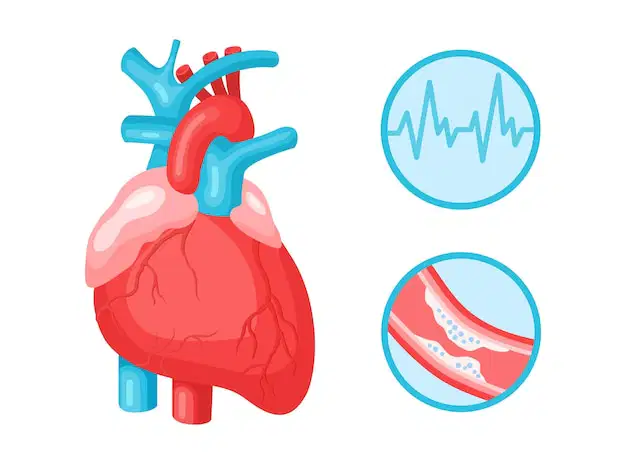
Which of the following is a protective factor for cardiovascular disease?
High blood pressure
Regular physical activity
Smoking
Excessive alcohol consumption

A diet high in processed sugar is a risk factor for:
Type 2 diabetes
Increased bone density
Improved eyesight
Lower cholesterol
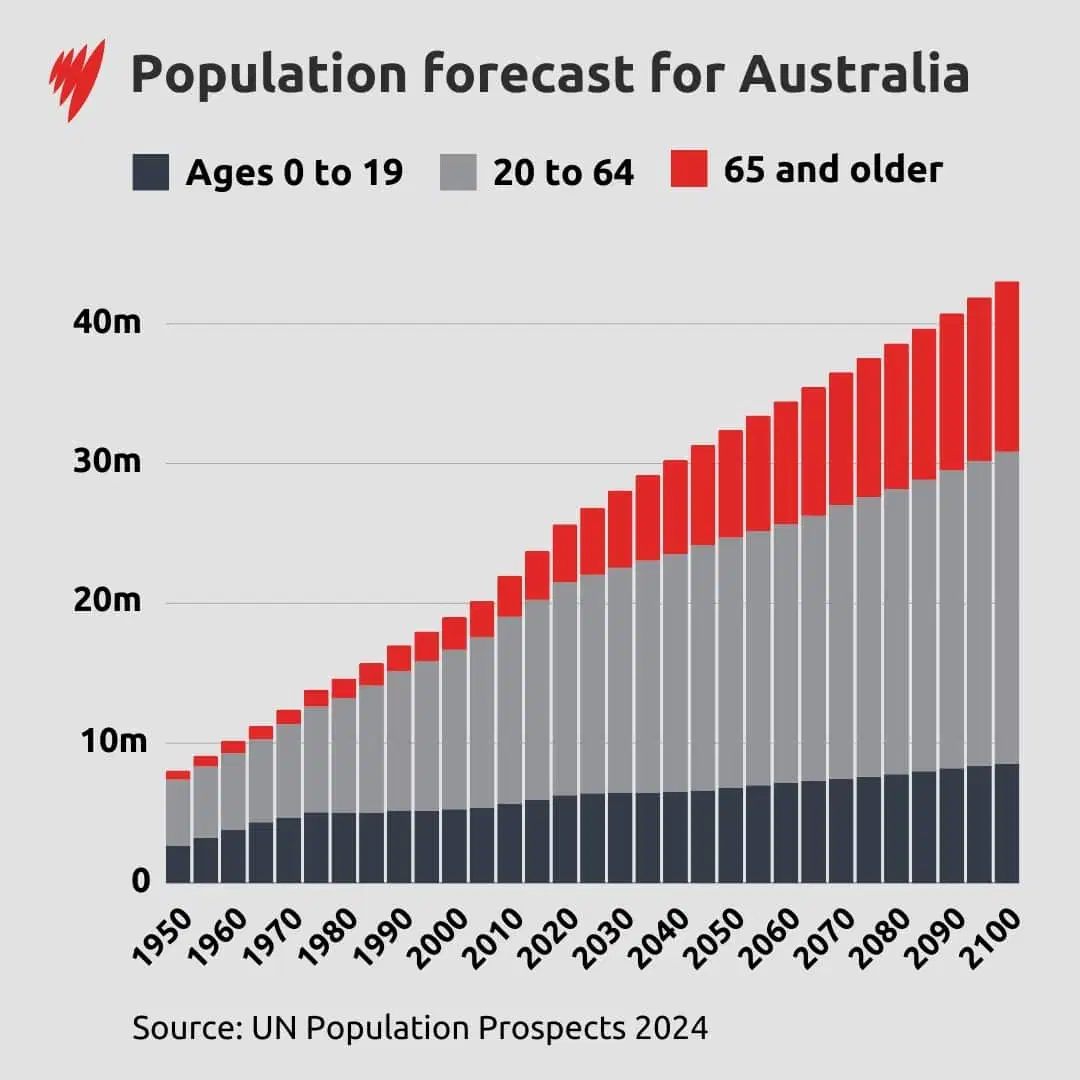
A country's life expectancy is MOST influenced by:
The number of sports teams it has
The amount of rain it receives
The availability of quality healthcare and education
The number of cars per household

Countries with high infant mortality rates often have:
Strong healthcare systems
Excellent sanitation
Limited access to clean water and healthcare
Access to a range of health care options.

On average, which Australian population group has the lowest life expectancy?
Men
Women
Aboriginal and Torres Strait Islander Australians
Rural and remote residents

Which is a common factor contributing to lower life expectancy in rural and remote communities?
Too many sporting opportunities
Greater access to health services
Increased social support
Reduced access to specialist healthcare

Which is a protective factor that can help increase life expectancy in all Australian population groups?
Smoking and Vaping
Meeting the guidelines for fruit and vegetable intake
Excessive alcohol use
High sugar intake

Which of the following is typically one of the leading causes of death in Australia?
Osteoporosis
Cardiovascular disease
Back pain
Arthritis

One of the top protective behaviours to promote healthy ageing is:
Ignoring doctor’s advice
Smoking socially
Eating a balanced diet rich in vegetables
Using social media for more than 2 hours per day.
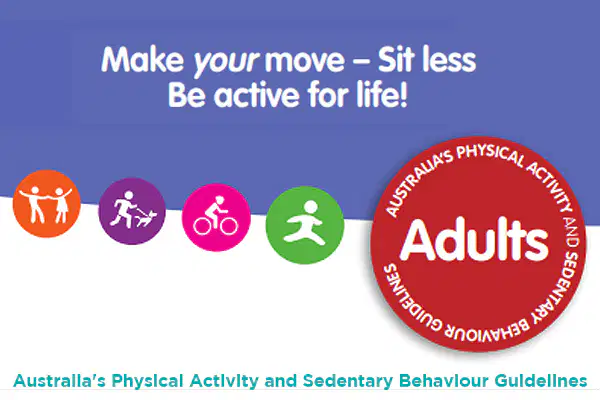
In Australia, the physical activity guidelines aim to:
Decrease muscle mass
Increase smoking rates
Improve heart health and reduce disease risk
Encourage screen time

The majority of Australian adults:
Meet daily fruit and vegetable intake recommendations
Meet physical activity guidelines
Do not meet physical activity guidelines
Do not know how much exercise they should be doing.

Higher rates of smoking are typically associated with:
Decreased disease risk
Improved lung function
Increased risk of chronic diseases
Improved immune system function

The goal of government Health Promotion Campaigns is to:
Promote risky behaviours
Educate and encourage behaviours that support better health outcomes
Increase rates of preventable disease
Decrease fruit and vegetable intake
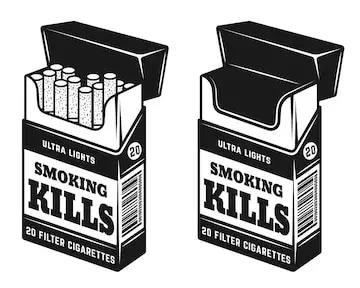
Which of the following is an example of what a health promotion campaign might do to reduce smoking in a population?
Increase the price of tobacco products
Remove all warnings about smoking from packaging
Provide free cigarettes to adults

