
 Worksheets
Medical Asepsis (IPAC)
Total questions: 71
Worksheet time: 36mins
Which of the following is an example of a basic principle for infection control that involves preventing the spread of pathogens through the air when coughing or sneezing?
Hand Hygiene
Respiratory Hygiene (Cough Etiquette)
Waste Disposal
Needle stick and Sharps Injury Prevention
A healthcare worker is preparing to care for a patient with a highly contagious infection. Which combination of infection control principles should they prioritize to minimize the risk of transmission? (Select the best answer.)
Hand Hygiene and Correct use of PPEs
Waste Disposal and Vaccination
Needle stick and Sharps Injury Prevention and Aseptic Techniques
Standard and Transmission based Precautions and Waste Disposal
Why is the correct use of PPEs (Personal Protective Equipment) considered a fundamental principle in infection control?
It helps in the disposal of medical waste.
It prevents the spread of infection by creating a barrier between the healthcare worker and infectious agents.
It ensures that all needles are disposed of properly.
It is only necessary for surgical procedures.
A hospital is experiencing an increase in needle stick injuries among staff. Which infection control principle should be reviewed and reinforced to address this issue?
Vaccination
Needle stick and Sharps Injury Prevention
Aseptic Techniques
Respiratory Hygiene (Cough Etiquette)
Which of the following best describes the practice of asepsis?
Killing germs before they enter the body
Reducing or eliminating potential pathogens after they leave the body
Increasing the number of pathogens in the environment
Allowing pathogens to multiply freely
Asepsis involves the reduction or elimination of which of the following?
Only bacteria
Only viruses
Bacteria, viruses, fungi, and parasites
Only fungi and parasites
There are two levels of asepsis. Which of the following pairs correctly lists them?
Chemical and Physical Asepsis
Medical and Surgical Asepsis
Environmental and Personal Asepsis
Preventive and Reactive Asepsis
Explain why it is important to practice asepsis in a healthcare setting, using evidence from the definition and purpose of asepsis.
It prevents the spread of non-infectious diseases.
It reduces or eliminates potential pathogens, protecting patients and staff from infections.
It increases the number of beneficial bacteria.
It only affects the cleanliness of the environment, not health outcomes.
Which of the following best describes the primary goal of medical asepsis?
To exclude all pathogenic microorganisms through medical asepsis techniques
To completely eliminate all microorganisms
To increase the number of microorganisms
To only target non-pathogenic microorganisms
Why is medical asepsis practiced in every health care setting?
To reduce or control the number of microorganisms spread
To eliminate all microorganisms permanently
To increase the risk of infection
To only protect healthcare workers
Which statement accurately reflects a limitation of medical asepsis?
It does not completely eliminate microorganisms
It guarantees a sterile environment
It is only necessary in surgical settings
It increases the spread of microorganisms
A hospital is reviewing its infection control policies. Which reasoning best supports the requirement for medical asepsis in all areas of the facility?
Pathogenic microorganisms can be present in any healthcare setting and controlling their spread is essential for patient safety.
Only surgical areas require aseptic techniques.
Medical asepsis is only important for patients with weakened immune systems.
Microorganisms are not a concern in outpatient clinics.
Which of the following best describes the main goal of medical asepsis?
To completely eliminate all microorganisms from an area
To reduce the number of pathogens and prevent their spread
To increase the number of beneficial bacteria
To sterilize surgical instruments only
Medical asepsis is also known as which of the following?
Sterile Technique
Clean Technique
Disinfection Process
Isolation Procedure
A healthcare worker is cleaning a patient’s room to prevent the spread of pathogens from one patient to another. Which concept are they applying?
Medical asepsis
Surgical asepsis
Antibiotic therapy
Immunization
Explain how medical asepsis practices can help prevent the spread of infection in a healthcare setting. Use evidence from your understanding of the concept.
By reducing the number of pathogens and preventing their transfer between people or places
By increasing the immune response of patients
By sterilizing all surfaces and equipment
By isolating all patients in separate rooms
According to the concept of medical asepsis, what does the term "clean" refer to?
Anything that has no visible contaminants
Anything that smells fresh
Anything that is dry
Anything that is new
Which of the following best illustrates the use of the term "clean" in medical asepsis?
Referring to hands as "clean" after washing them
Referring to hands as "clean" after wearing gloves
Referring to hands as "clean" after touching a doorknob
Referring to hands as "clean" after using hand sanitizer only
A healthcare worker washes their hands and then touches a visibly dirty surface. According to the concept of medical asepsis, are their hands still considered "clean"? Why or why not?
No, because their hands now have visible contaminants
Yes, because they washed their hands earlier
Yes, because the surface was not wet
No, because their hands are not dry
How do sterile items become contaminated according to the principles of medical asepsis?
When they are exposed to air
When they are touched with any item that is not sterile
When they are washed with soap and water
When they are stored in a closed container
A nurse is preparing a medically aseptic item for a procedure. Which scenario would result in the item being considered contaminated?
The item is placed in a sterile container
The item comes in contact with pathogenic micro-organisms
The item is handled with clean gloves
The item is exposed to sunlight
Explain how the contamination process differs between clean, sterile, and medically aseptic items.
All items are contaminated in the same way
Clean, sterile, and medically aseptic items are contaminated differently
Only sterile items can be contaminated
Only clean items can be contaminated
Which of the following best describes the process of decontamination in medical asepsis?
The use of physical or chemical means to remove, inactivate, or destroy pathogens on a surface or item so they are no longer capable of transmitting infectious particles and the surface or item is rendered safe for handling, use, or disposal.
The process of adding chemicals to surfaces to make them smell better.
The act of washing hands before eating.
The use of only water to clean visible dirt from surfaces.
Which of the following best describes the term "contaminated" as used in medical asepsis?
Something that has been exposed to pathogens, whether or not the contamination is visible
Something that is always visibly dirty
Something that has been sterilized
Something that is free from all microorganisms
What is the main difference between contamination and decontamination in the context of medical asepsis?
Contamination involves exposure to pathogens, while decontamination involves removal of pathogens
Contamination is the removal of pathogens, while decontamination is exposure to pathogens
Both terms mean the same thing
Contamination is only about visible dirt, while decontamination is about invisible germs
If a healthcare worker is tasked with decontaminating a surface, what is their primary goal?
To remove pathogens from the surface
To expose the surface to pathogens
To make the surface look clean only
To cover the surface with a protective layer
Which of the following is an example of medical asepsis?
Proper coughing/sneezing etiquette
Ignoring hand hygiene
Not cleaning instruments after use
Using bare hands to clean wounds
Why is it important to properly clean all instruments used for casting, splinting, or suture removal and dressings?
To prevent the spread of infection
To make the instruments look shiny
To save time during procedures
To reduce the cost of medical supplies
A healthcare worker is preparing a counter for a medical procedure. Which action best demonstrates the application of medical asepsis?
Using a sanitizer or disinfectant to clean the counter
Wiping the counter with a dry cloth
Spraying air freshener in the room
Covering the counter with a newspaper
A patient is being taught about hand hygiene. Which method should the healthcare worker recommend to ensure medical asepsis?
Washing hands with soap and water or using alcohol-based hand rub (ABHR)
Rinsing hands with water only
Wiping hands on clothing
Using lotion instead of washing
Which of the following best describes the main purpose of hand hygiene?
To moisturize the skin
To remove visible soil and kill or remove transient microorganisms from the hands
To make hands smell pleasant
To cool down the hands
A healthcare worker is about to care for a patient and notices visible dirt on their hands. Which method should they use to ensure proper hand hygiene?
Use an alcohol-based hand rub only
Rinse hands with water only
Wash hands with soap and running water
Wipe hands with a dry towel
Explain why using an alcohol-based hand rub may not always be sufficient for hand hygiene.
It does not remove visible soil from hands
It is more expensive than soap
It takes longer to use than soap and water
It causes hands to become sticky
Which of the following situations requires you to perform hand hygiene?
After reading a book
After contact with body fluids
Before turning on a computer
After making a phone call
A healthcare worker finishes eating lunch and is about to return to patient care. What should they do before interacting with patients?
Change their uniform
Perform hand hygiene
Take a break
Check their phone
A nurse moves from one patient to another without washing their hands. What potential risk does this behavior pose?
It may cause the nurse to forget patient names
It increases the risk of cross-contamination between patients
It makes the nurse work faster
It helps save water
Why is Alcohol-Based Hand Rub (ABHR) considered the preferred method for decontaminating hands in most situations?
It is less effective than soap and water
It is more time-consuming than washing with soap and water
It is faster and as effective as washing hands when hands are not visibly soiled
It cannot kill microorganisms
A healthcare worker needs to quickly decontaminate their hands between patient visits, and their hands are not visibly soiled. Which method should they use and why?
Wash with soap and water because it is always faster
Use ABHR because it is faster and as effective as washing with soap and water in this situation
Use only water to rinse hands
Wait until hands are visibly soiled before cleaning
A healthcare worker does not have access to running water but needs to clean visibly soiled hands. What is the recommended procedure according to the guidelines for ABHR?
Use ABHR directly on soiled hands
Use moistened towelettes to remove visible soil, then use ABHR
Wait until running water is available
Use only a dry towel
Explain why Alcohol-Based Hand Rubs (ABHR) should not be used with water in healthcare settings.
Water dilutes the alcohol, reducing its effectiveness
Water increases hand irritation
Water makes the solution sticky
Water causes the alcohol to evaporate too quickly
In a healthcare setting, which alcohol concentration is preferred for ABHR and why?
10 to 30% because it is less irritating
70 to 90% because it is most effective for disinfection
30 to 50% because it is cheaper
40 to 60% because it dries faster
Which of the following best explains why handwashing is considered the single most important component of medical asepsis?
It is the fastest way to clean hands.
It is the best line of defense for yourself and others against infection.
It is less expensive than using gloves.
It is only necessary after handling chemicals.
Handwashing is only effective if which of the following conditions are met?
Hands are dried with a towel.
Proper procedure and proper length of time are followed.
Only water is used.
Gloves are worn after washing.
In a busy healthcare setting, why might an antibacterial product be used instead of handwashing, and what is a limitation of this approach?
Antibacterial products are more effective than handwashing.
Antibacterial products are faster but not as effective as handwashing.
Antibacterial products are required by law.
Antibacterial products are only used for cleaning equipment.
A hospital is experiencing a high volume of patients and staff are using antibacterial products frequently. What should the staff keep in mind regarding infection control?
Antibacterial products are equally effective as handwashing.
Handwashing should still be prioritized when possible, as it is more effective.
Antibacterial products eliminate the need for handwashing.
Only doctors need to wash their hands.
Why is it recommended to use a paper towel to turn on taps and adjust water temperature during handwashing?
To avoid touching potentially contaminated surfaces
To dry your hands immediately
To clean the taps
To save water
A student is practicing effective handwashing. They accidentally touch the sink while washing their hands. What is the best course of action to maintain hand hygiene?
Start the handwashing process again without touching the sink
Continue washing as normal
Dry hands immediately
Use hand sanitizer only
Which of the following is the correct sequence for effective handwashing according to the guidelines provided?
Wet hands, lather soap, rinse, dry with one towel, turn off tap with bare hands
Wet hands, dispense soap, lather for 15 seconds, let water run, use one towel for each hand, use another towel to turn off tap
Dispense soap, wet hands, lather for 5 seconds, dry with one towel, turn off tap with same towel
Wet hands, lather soap for 30 seconds, rinse, dry with air, turn off tap with elbow
If you are following the effective handwashing procedure, what should you do after lathering soap into both hands for 15 seconds?
Turn off the tap immediately
Let water continue to run while dispensing paper towels
Use your shirt to dry your hands
Shake your hands dry
Why is it necessary to sanitize instruments and other devices used in patient procedures?
To ensure they are clean and safe for use
To make them look shiny
To reduce their cost
To change their color
Which of the following articles may require only sanitization?
Articles that come in contact only with intact skin
Articles that are used for surgery
Articles that are disposable
Articles that are broken
Given the definition of "sanitary," how would you apply this concept to the handling of medical instruments?
By ensuring all instruments are clean before use
By using instruments without cleaning them
By storing instruments in a dirty environment
By only cleaning instruments after use

Which of the following best describes the primary function of a sanitizer in a medical environment?
It completely sterilizes all surfaces and instruments.
It reduces the bacterial population in an inanimate environment.
It only removes visible dirt without affecting microorganisms.
It is used for personal hygiene only.
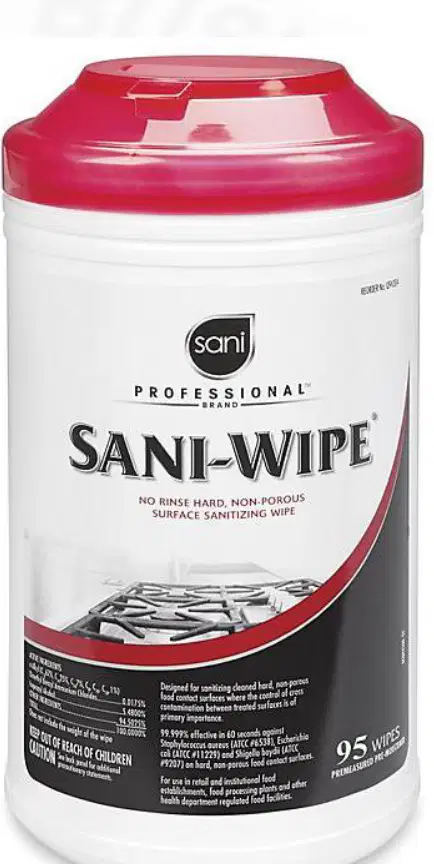
Why are sanitizers considered the lowest level of medical hygiene?
They remove all types of microorganisms, including viruses and spores.
They only remove gross contamination and some microorganisms, not all.
They are more effective than disinfectants.
They are used exclusively for surgical instruments.
A hospital is deciding between using a sanitizer and a disinfectant for cleaning surgical instruments. Based on the properties of sanitizers, what would be the most appropriate recommendation?
Use a sanitizer, as it provides the highest level of hygiene.
Use a sanitizer, as it is specifically designed for surgical instruments.
Use a disinfectant, as sanitizers only provide the lowest level of medical hygiene.
Use a sanitizer, as it removes all microorganisms including spores.
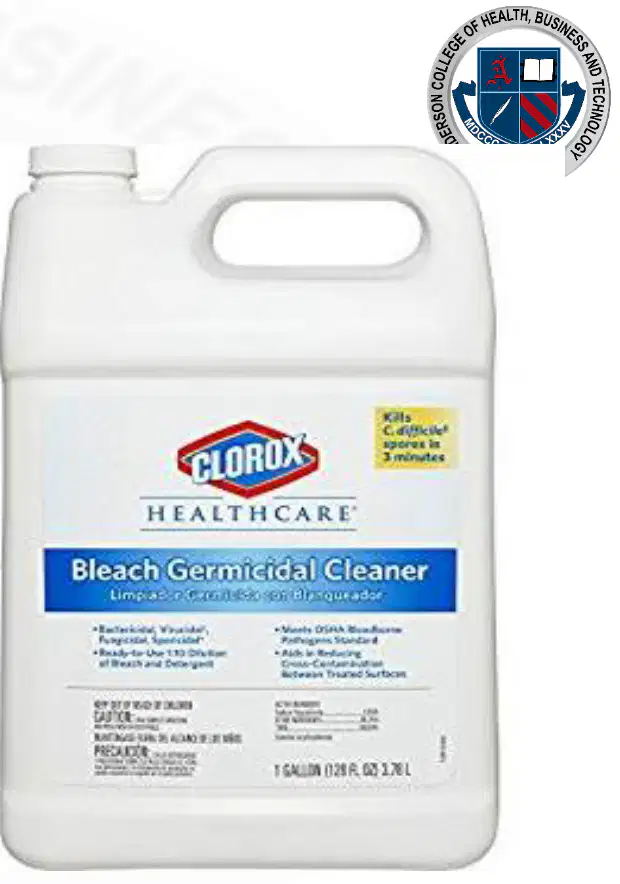
Which of the following best describes the process of disinfection?
The process of removing all visible dirt from surfaces.
The process of further removing pathogens from articles that have been sanitized.
The process of sterilizing equipment using only heat.
The process of washing hands with soap and water.
Why is chemical disinfection preferred for heat-sensitive equipment?
Because it is less expensive than heat sterilization.
Because it uses weaker chemicals that are safer for the environment.
Because heat-sensitive equipment may be damaged by high temperatures.
Because it is faster than all other methods.
A hospital needs to disinfect a set of medical tools that cannot withstand high temperatures. What method should they use and why?
Use heat sterilization because it is the most effective.
Use chemical disinfection because the tools are heat-sensitive.
Use only water to rinse the tools.
Use sanitization with mild soap.
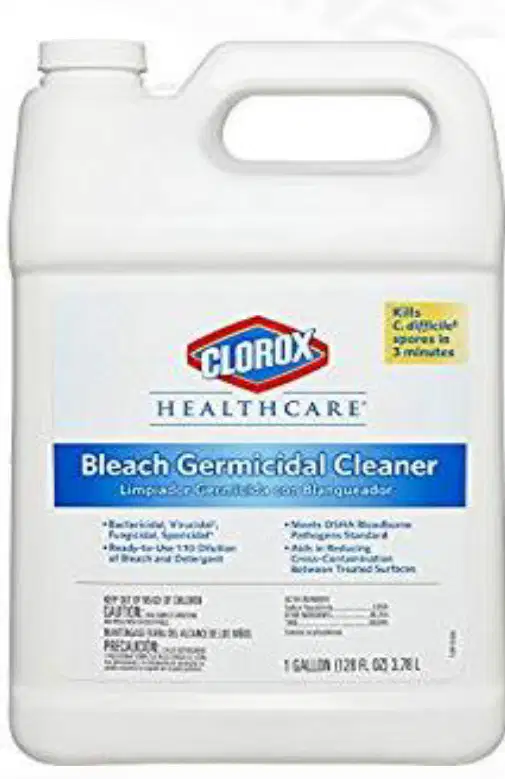
Which of the following best describes the primary function of a disinfectant?
A chemical substance that destroys or eliminates specific species of infectious microorganisms.
A substance that sterilizes all forms of microbial life, including spores.
A solution used only for cleaning visible dirt from surfaces.
A chemical that only removes dust and debris from instruments.
A healthcare worker uses a disinfectant on surgical instruments. What limitation should they be aware of regarding the effectiveness of most disinfectants?
Disinfectants are not usually effective against bacterial spores.
Disinfectants can sterilize all types of microorganisms.
Disinfectants are only effective on non-metal surfaces.
Disinfectants can be used without rinsing the instruments.
Given the properties of disinfectants, how should a healthcare facility plan the cleaning process for instruments that will contact human tissue?
By ensuring instruments are thoroughly rinsed after chemical disinfection to remove any residue.
By skipping the rinsing step to save time.
By using only water to clean the instruments.
By using disinfectants only on disposable instruments.
Why is a disinfectant solution not suitable for use on human tissue?
Because it is too expensive
Because it is not effective against bacteria
Because it can damage human tissue
Because it evaporates quickly
Which type of instruments are disinfectants particularly effective for?
Instruments that can withstand high temperatures
Instruments that cannot withstand high-temperature sterilization
Instruments made of plastic only
Instruments used only once
What does it mean when disinfectants are described as "bactericidal"?
They prevent bacteria from growing
They kill bacteria
They only clean surfaces
They make bacteria stronger
A 10 percent solution of bleach and water is recommended for what reason?
It is less expensive than pure bleach
It is effective for a number of uses
It is safer to drink
It is used only for sterilizing food

What is the primary action of antiseptics on microorganisms?
Bactericidal
Bacteriostatic
Fungicidal
Virucidal
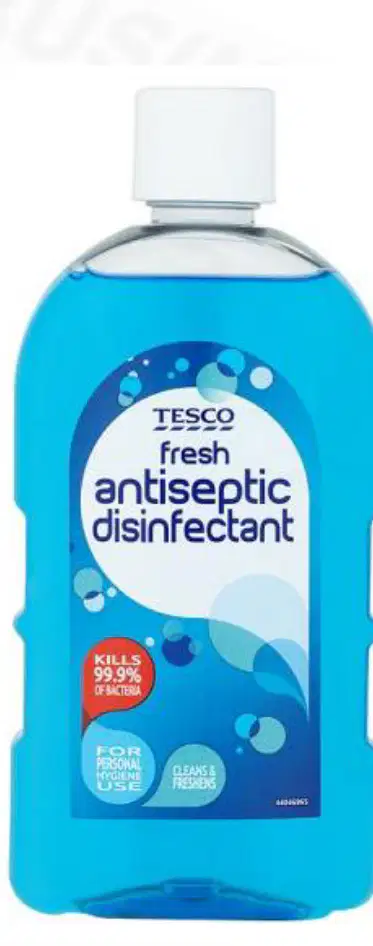
A healthcare worker is preparing to perform a minor procedure and needs to reduce the risk of infection on the patient's skin. Which product should they use, and why?
Use an antiseptic because it eliminates all microorganisms, including spores
Use an antiseptic because it eliminates many or all pathogenic microorganisms, except bacterial spores
Use plain water because it is sufficient for infection control
Use a fungicide because it is more effective than antiseptics
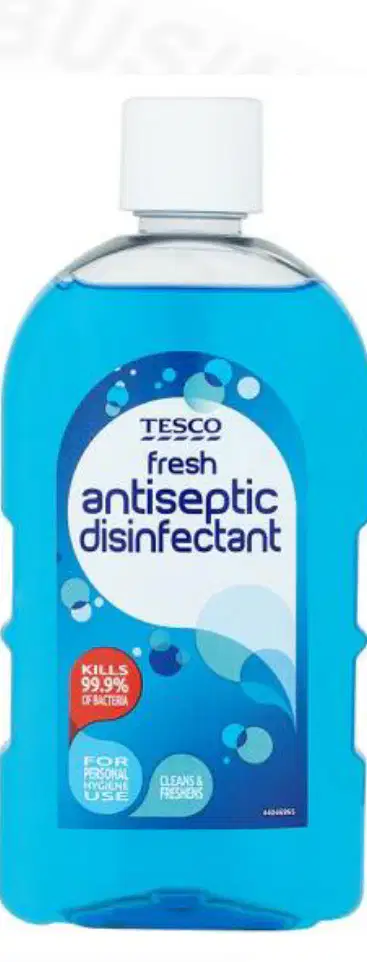
Which of the following is the most common way to disinfect skin?
Using antiseptic chemicals like Isopropyl alcohol
Washing with plain water
Applying moisturizer
Using only soap
Explain why antiseptic chemicals such as Isopropyl alcohol are preferred for disinfecting skin over regular soap and water. Use evidence from your understanding of antiseptics.
They kill a higher percentage of bacteria and are specifically formulated for disinfection.
They are less expensive than soap and water.
They moisturize the skin better than soap.
They are more environmentally friendly than soap.
A patient is allergic to Isopropyl alcohol. Which of the following antiseptic solutions could be used as an alternative for disinfecting their skin?
Betadine
Lemon juice
Olive oil
Baking soda
Based on the findings from researchers in the United Kingdom, what can be inferred about the effectiveness of relying solely on how clean a healthcare environment looks?
It ensures all micro-organisms are removed
It may result in wards appearing clean but still containing unacceptable numbers of micro-organisms
It is a reliable method for infection control
It is more effective than scientific testing

