
 Worksheets
Patient Assessment Methods Quiz
Total questions: 20
Worksheet time: 10mins
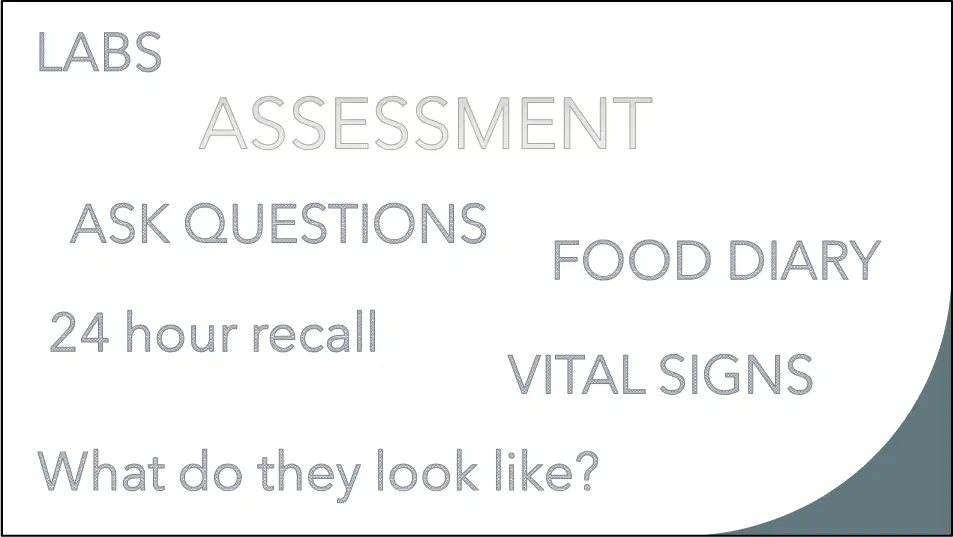
Which of the following is a method used in patient assessment?
Performing surgery
Conducting a 24-hour recall
Prescribing medication
Administering vaccines
What is the purpose of asking questions during a patient assessment?
To diagnose a disease
To gather signs and symptoms
To prescribe treatment
To perform a physical exam
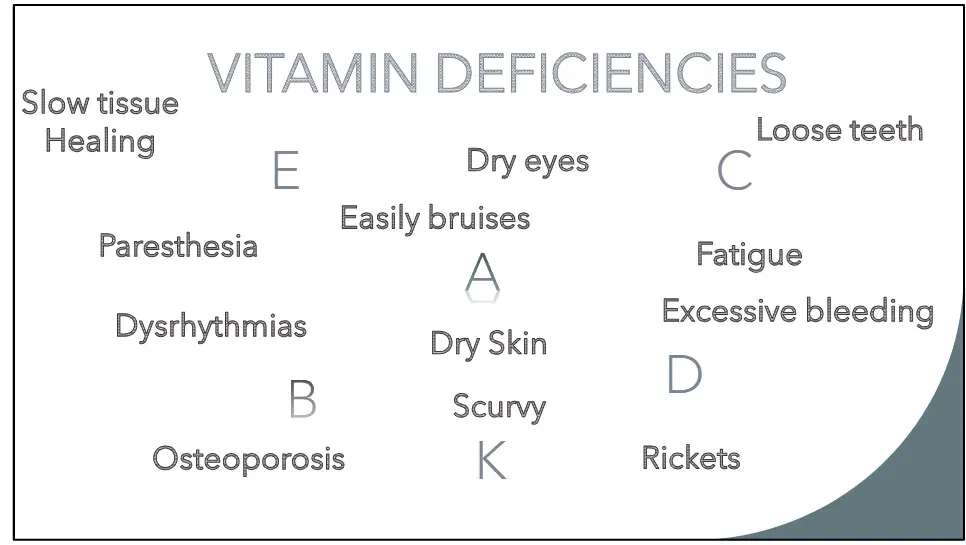
Which vitamin deficiency is associated with dry skin and dry eyes?
Vitamin A
Vitamin B
Vitamin C
Vitamin D

What symptoms are associated with a deficiency in Vitamin E?
Dry skin and dry eyes
Slow tissue healing and dysrhythmias
Scurvy and loose teeth
Rickets and osteoporosis
What are the symptoms associated with a decreased BMI related to malnutrition?
Increased energy levels
Osteomalacia and muscle wasting
Improved immune function
Enhanced cognitive abilities
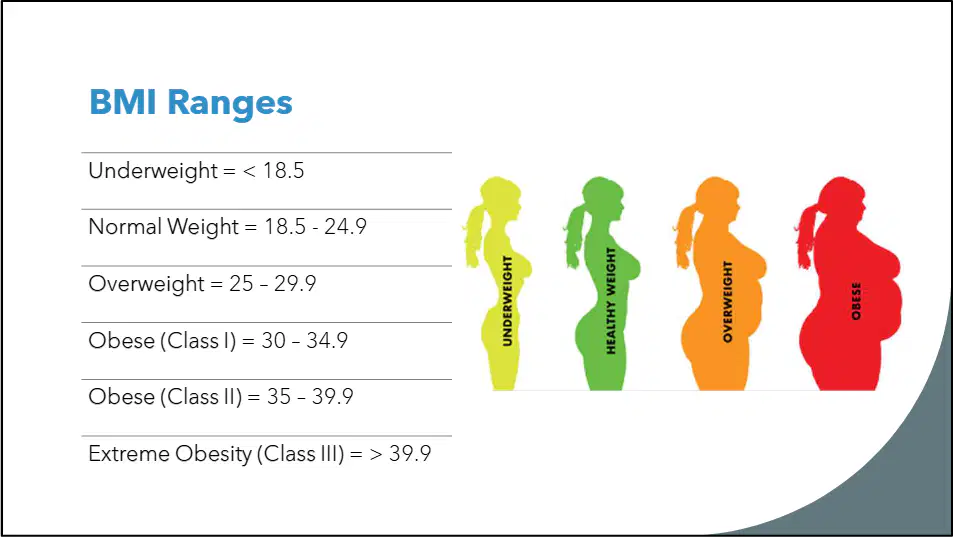
What BMI range is considered underweight?
Less than 18.5
18.5 - 24.9
25 - 29.9
30 - 34.9
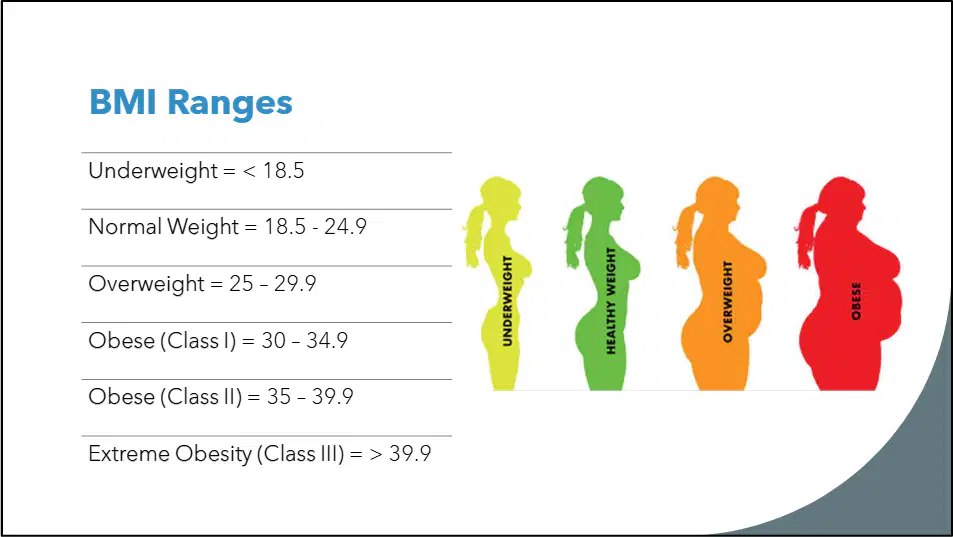
Which BMI range is classified as normal weight?
Less than 18.5
18.5 - 24.9
25 - 29.9
30 - 34.9
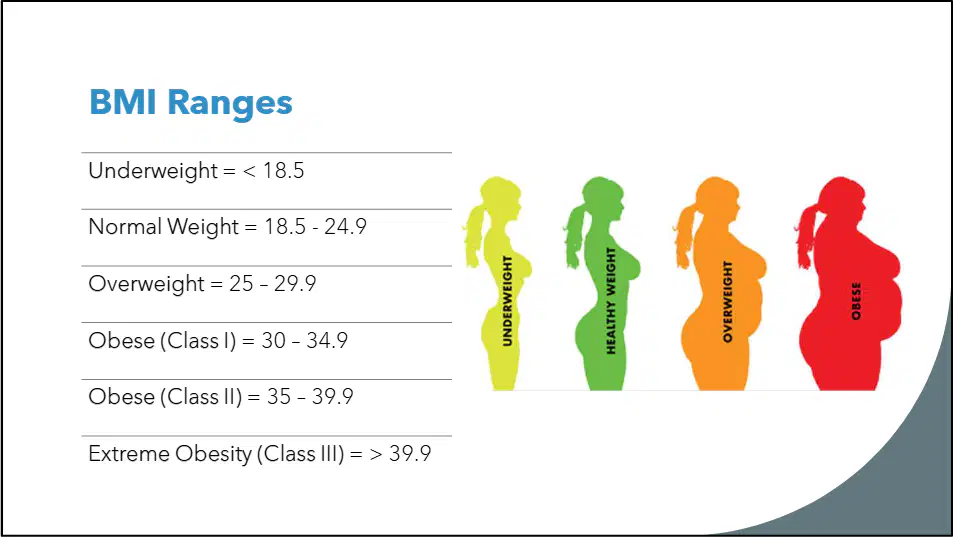
What is the BMI range for Obese Class I?
25 - 29.9
30 - 34.9
35 - 39.9
Greater than 39.9
What is the recommended daily intake of protein?
3.5 ounces
5.5 ounces
7 ounces
10 ounces
What is the normal range for PreAlbumin levels in mg/dL?
5-15 mg/dL
16-30 mg/dL
31-45 mg/dL
46-60 mg/dL
What does Albumin level determine?
Heart function
Liver function
Kidney function
Lung function
What can decreased levels of Prealbumin indicate?
High blood pressure
Malnutrition
Diabetes
High cholesterol
What is the daily recommended intake of carbohydrates as a percentage of total calories?
30%
40%
50%
60%
Which of the following is a complex carbohydrate?
Sucrose
Lactose
Fiber
Derived from fruit
Which of the following is a simple carbohydrate?
Glycogen
Starches
Bananas
Sweet Potatoes
What type of carbohydrate is glycogen classified as?
Simple
Complex
Derived from fruit
Fiber
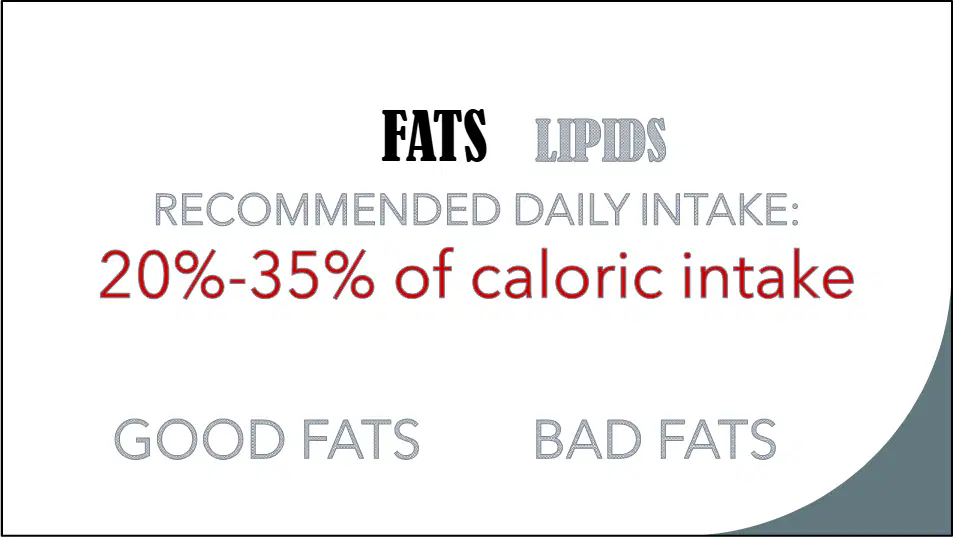
What is the recommended daily intake of fats as a percentage of caloric intake?
10%-15%
20%-35%
40%-50%
5%-10%
Which foods are sources of Vitamin C?
Spinach and cabbage
Kiwi and broccoli
Fatty fish and sunlight
Nuts and seeds
What foods optimize wound healing?
Apricots and pumpkins
Organ meat and egg
Kiwi and broccoli
Spinach and cabbage
What type of liquids should be used to prevent aspiration?
Clear liquids
Thickened liquids
Carbonated liquids
Hot liquids

