
 Worksheets
JCB Academy Baseline Test
Total questions: 66
Worksheet time: 1hrs 13mins

This piece of equipment is called? (a)

What is this piece of equipment called? (a)
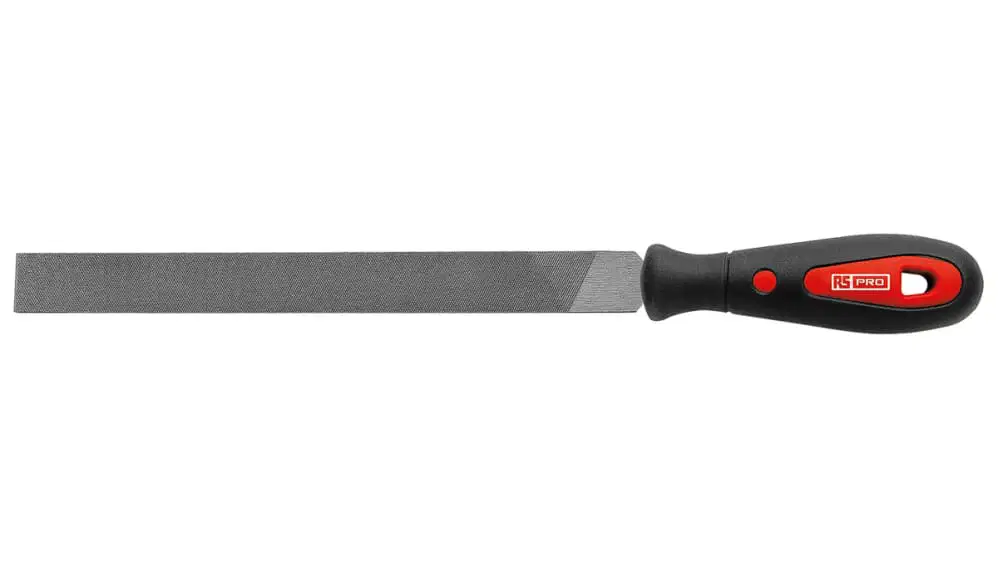
What is this piece of equipment called? (a)
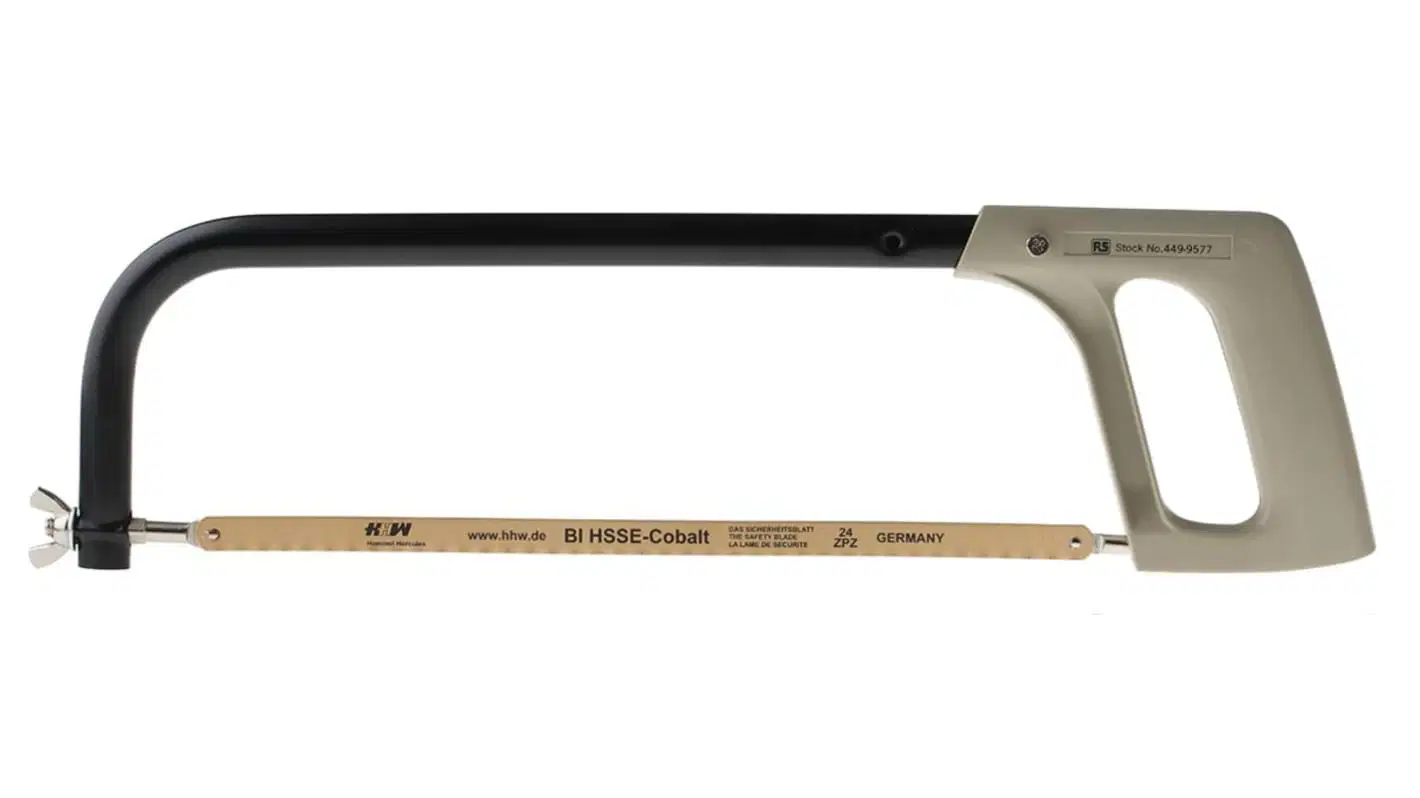
What is this piece of equipment called? (a)
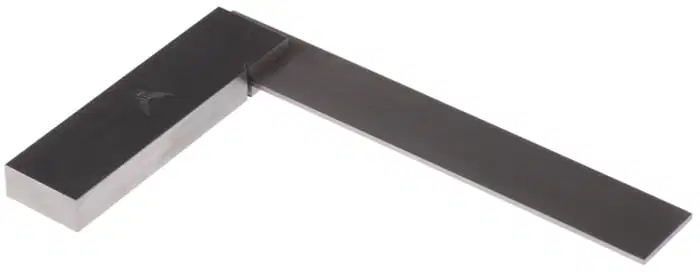
What is this piece of equipment called? (a)
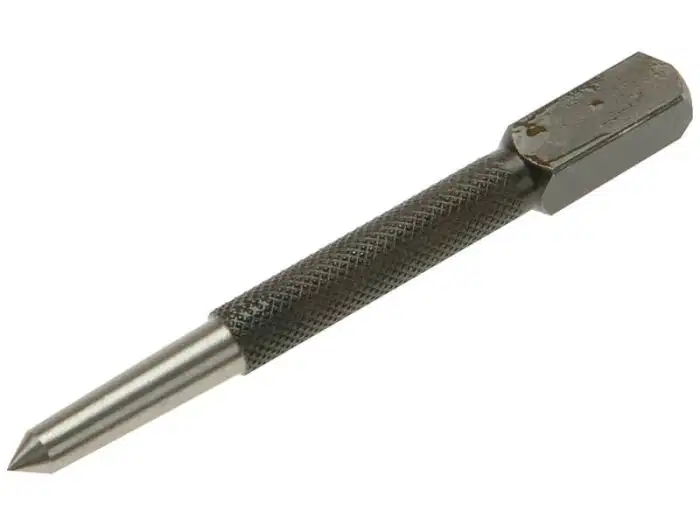
What is this piece of equipment called? (a)
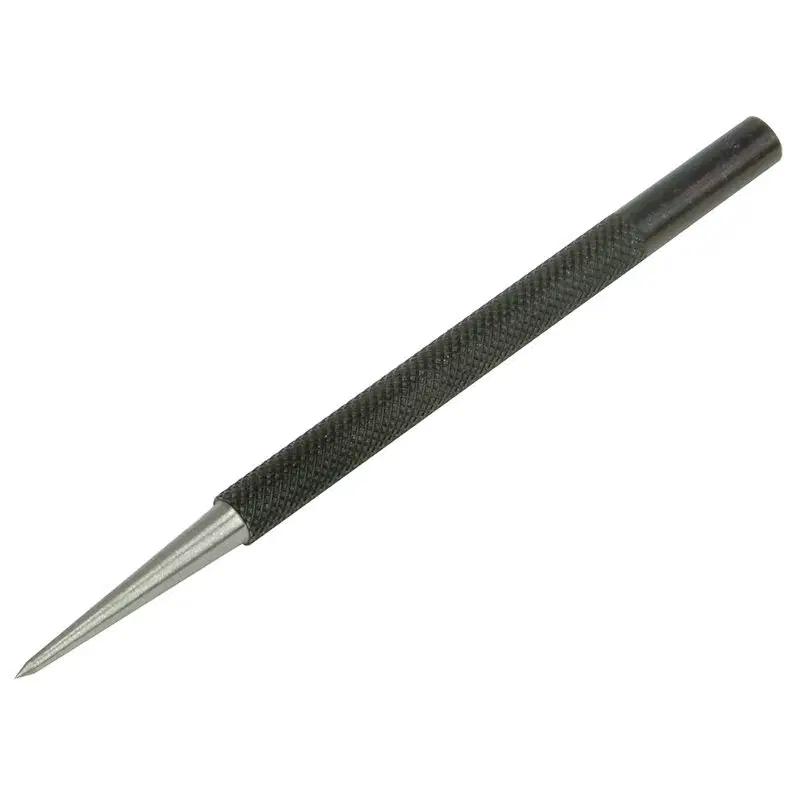
What is this piece of equipment called? (a)
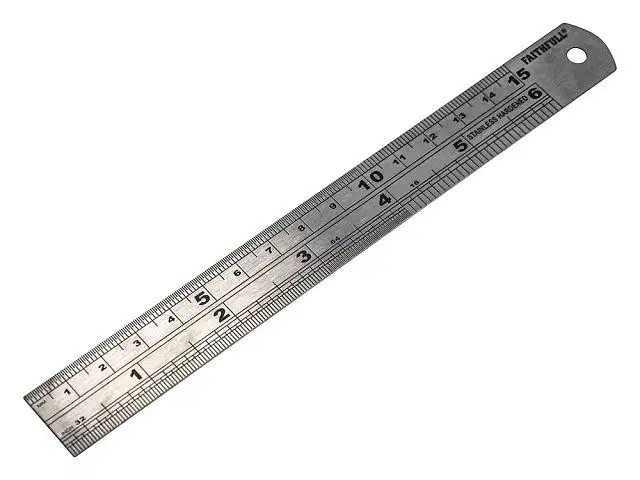
What is this piece of equipment called? (a)
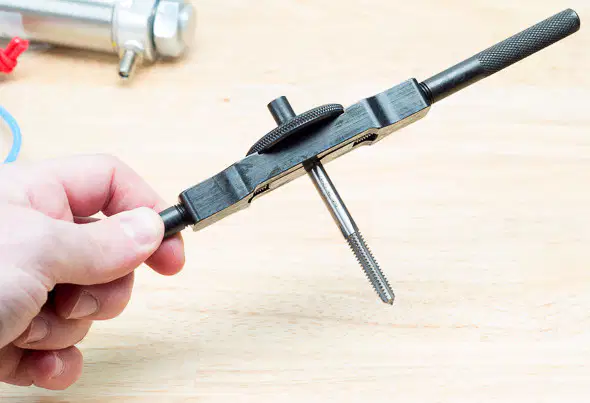
What is this piece of equipment called? (a)

What is this piece of equipment called? (a)
The ability of a material that can be drawn into a wire is said to have what property?
Malleability
Ductility
Hardness
Conductivity
The ability of a material to withstand permanent indentation is said to have what property?
Malleability
Ductility
Hardness
Conductivity
The ability of a material to be able to be bent, hammered and shaped without breaking is said to have what property?
Malleability
Ductility
Hardness
Conductivity
The ability of a material to be able to conduct electrical current or heat is said to have what property?
Malleability
Ductility
Hardness
Conductivity
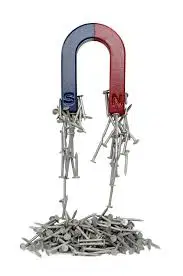
Ferrous metals all contain
(a)
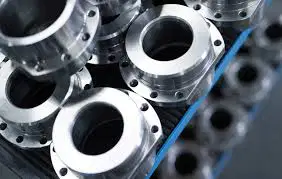
Cast iron and (a) are both ferrous metals as they both contain iron.
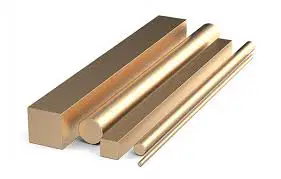
A metal that has been created by mixing other metals and materials together is called an alloy. Two examples of alloys are...
Brass
Copper
Bronze
Lead
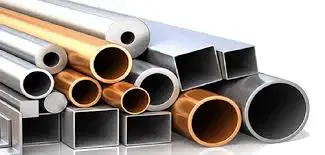
Metals that do not contain any iron are called non ferrous metals. The odd one out from the list is (a) .
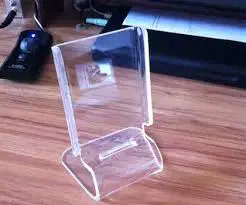
Plastics are used a lot in every day life - from the list below which plastic do you thnk has been used to make this project?
Urea formaldehyde
Acrylic
Copper
Corflute
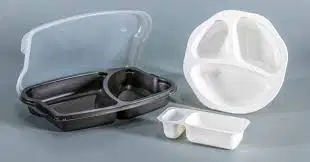
Plastics are used a lot in every day life - from the list below which plastic do you thnk has been used to make this project?
High Impact Polystyrene Sheet (HIPS)
Acrylic
Copper
Meenoplastic
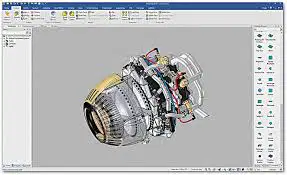
What does the abbreviation CAD stand for?
(a)

What does the abbreviation CAM stand for?
(a)
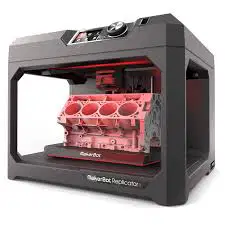
3D printers are increasingly being used in industry to make prototypes and products. What type of manufacturing type do you think 3d printers come under?
Material Wastage / Removal
Addative Manufacture
Assembly Production
Robotics
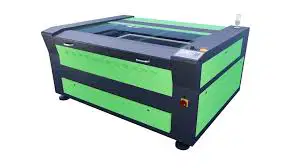
Laser cutters are used in schools, colleges, universities and industry to make a whole host of products. What type of manufacturing type do you think laser cutters come under?
Material Wastage / Removal
Addative Manufacture
Assembly Production
Robotics
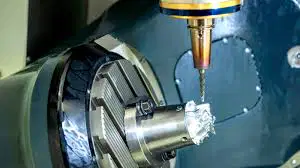
3D Printers and laser cutters are both CNC machines (computer numerical control). They have a lot of advantages of using them over more tradditional methods... which one from the list below is NOT an advantage.
CNC machines are more accurate than human operatives/workers
CNC machines do not get ill, or have days off and can work for long hours without needing a break.
CNC machines are more consistent than human operatives/workers
CNC machines can make some workers redundent as the machine can do the work of several people.
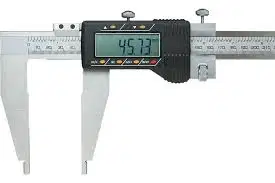
Measurements for how wide or long something is, is measured in...
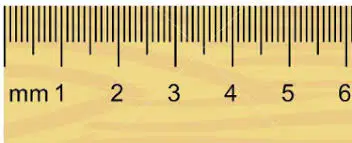
mm
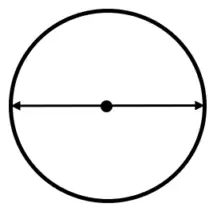
ø
°
r
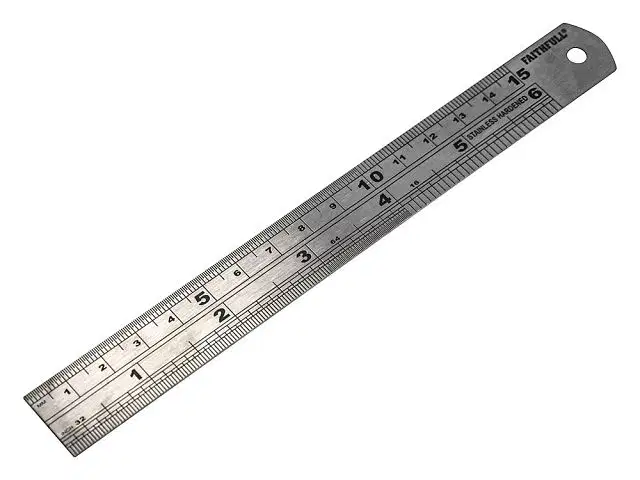
How many mm are there in a cm?
5
10
12
20
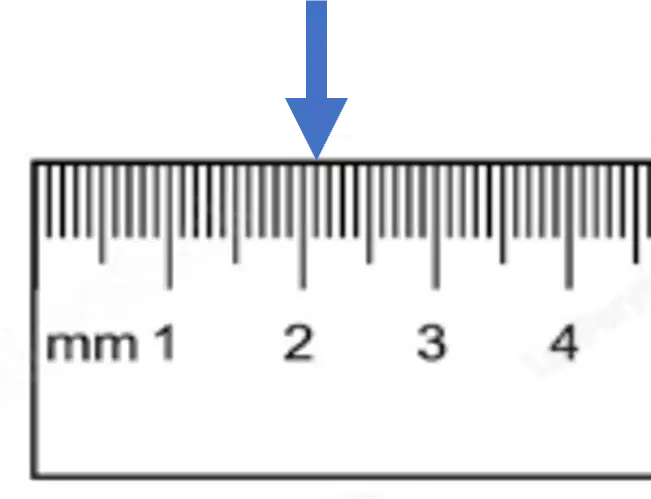
What number in mm is teh arrow pointing at?
12
6
21
29
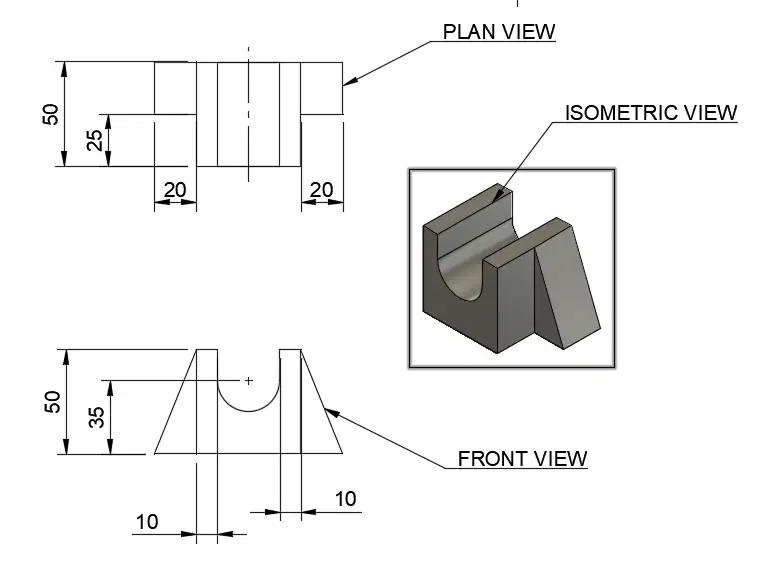
What is the diameter of the half round hole on the block drawn in the diagram?
20mm
25mm
30mm
35mm
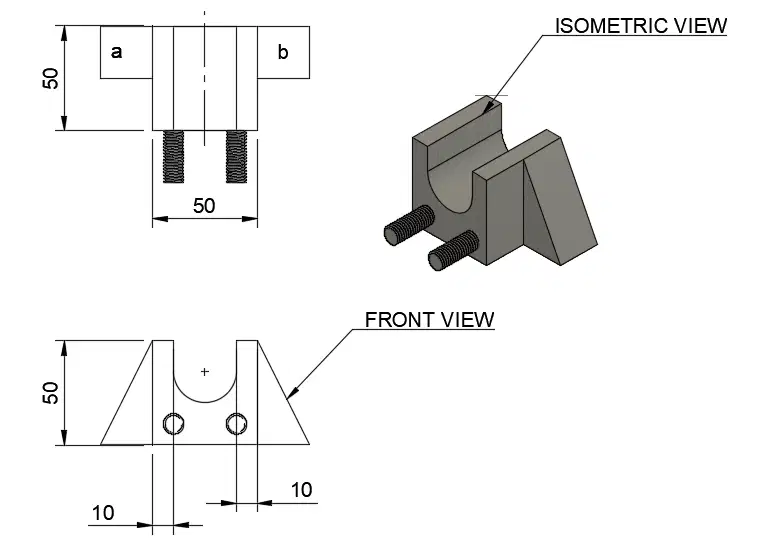
If feature a and b both stick out 25mm, what is the total width of the part?
75mm
125mm
100mm
102mm
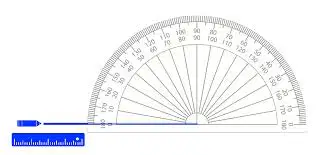
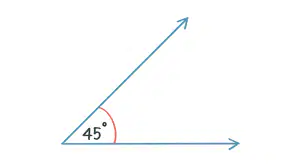
Measurements of angles are measured in?
mm
ø Diameter
° Degrees
radius
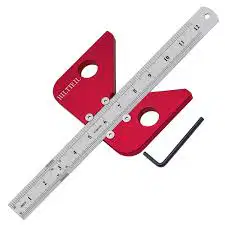
The width of a circle through its centre is called the?
mm
ø Diameter
°
radius
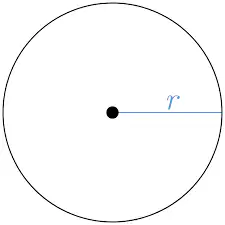
The distance from the center to the edge (circumference) of a circle is called?
mm
ø Diameter
°
radius
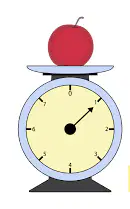
Mass is measured in...
Kg
Stone
Feet and inches
°C

A _______ is any source of potential harm or adverse health effects on something or someone.
Hazard
Risk
Mitigation
Health and Safety
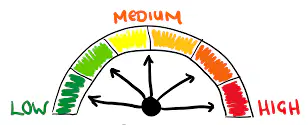
The _______ is the likelihood that an accident will happen due to a hazard(s)
Hazard
Risk
Mitigation
Health and Safety

This sign in a workshop means?
Danger moving parts
Wear goggles
Emergency Stop
Wear an apron
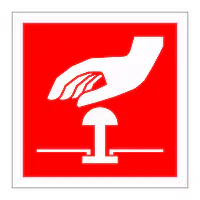
This sign in a workshop means?
Danger moving parts
Wear goggles
Emergency Stop
Wear an apron

This sign in a workshop means?
Danger moving parts
Wear goggles
Emergency Stop
Wear an apron

This workshop machine is called a pillar drill that has been labelled a to e. Please add in the correct names.
a is the (a)
b is the (b)
c is the (c)
d is the (d)
e is the (e)
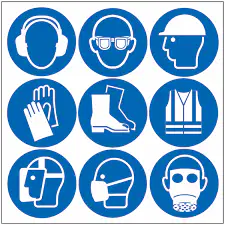
What does PPE stand for?
(a)

What is this machine called?
Centre lathe
Wood lathe
Horizontal milling machine
Vertical milling machine
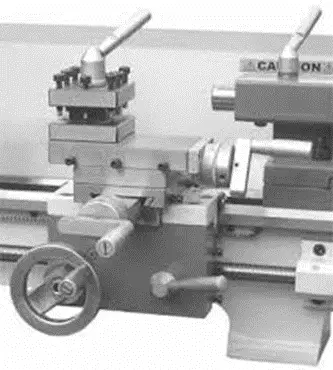
Match the following

Tailstock

Tool Post

Top Slide / Compound Slide

3 Jaw Self Centring Chuck

Saddle

What is the most dangerous thing in a workshop environment?
A pillar drill
A sharp scriber
Not wearing the correct PPE - Goggles, Aprons etc.
A learner who does not listen

Plastics are divided into two groups. Plastics that can be reheated and reshaped are called (a) plastics that can only be heated and shaped once are called (b) .
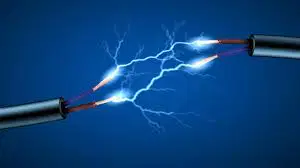
Match the following electronic components
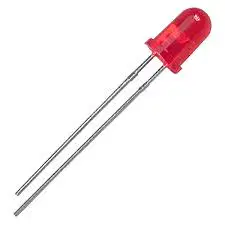
LED
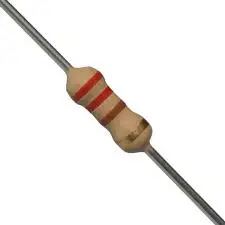
Resistor
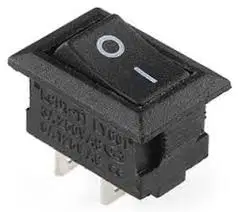
Switch
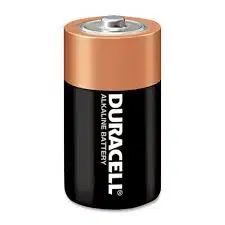
Battery
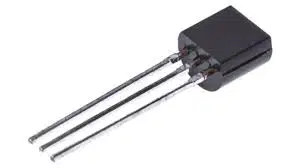
Transistor

Match the following criteria to their measurment type?
Resistance
Ohms
Voltage
Volts
Current
Amps (Amperes)
Power
Watt's
Force
Newtons

Organise these options into the right categories
Stainless Steel
Cast Iron
Aluminium
Copper
Brass
Bronze
Acrylic
Polystyrene
A gear ratio describes the relationship between two meshed gears, specifically the ratio of their rotations. It indicates how many times the driven (grey) gear rotates for every one rotation of the driving (blue) gear. This ratio is determined by comparing the number of teeth on each gear.
Driving Gear: The gear that receives the input force and starts the rotation.
Driven Gear: The gear that receives the rotation from the driving gear and transmits it to the next stage.
Ratio: Expressed as a ratio (e.g., 3:1), it means the driving gear needs to rotate three times for the driven gear to complete one full rotation.
If the driving gear has 10 teeth and the driven gear has 40 teeth, how many times does the driving gear rotate to complete one revolution of the driven gear?
12
8
4
16
Ratio: Expressed as a ratio (e.g., 3:1), it means the driving gear needs to rotate three times for the driven gear to complete one full rotation.
If the driving gear has 10 teeth and the driven gear has 40 teeth, what is the gear ratio?
12:2
4:1
1:4
8:1
R.P.M of driven cog = number of teeth on driving cog × R.P.M. of driving cog ÷Number of teeth on driven cog
The driving cog is the light blue one at the top of the clip and has 10 teeth.
The driven cog is the grey cog and has 40 teeth.
If the driving cog is turning clockwise at 100 R.P.M. at what R.P.M does the driven cog rotate at?
200 R.P.M. anti-clockwise
400 R.P.M. clockwise
4 R.P.M. clockwise
25 R.P.M. anti-clockwise
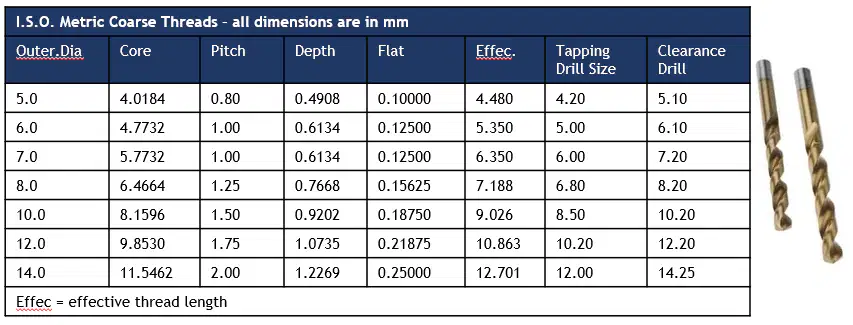
For a metric coarse thread of 10.00mm outside diameter, is the tapping drill size...
9.026
7.20
8.50
10.20
What is the clearnace size for a M5 metric bolt...
6.0mm
8.2mm
5.1mm
18.25
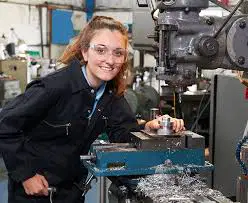
Jane starts work at 9am in the morning. It takes her ten minutes to get her apron, work boots and goggles on. Five minutes later Jane speaks to her boss, picked up the engineering drawings and her job sheet. The metal took 20 minutes to cut yesterday. Jane has picked up the metal and it has take her 10 minutes to mark it all out. She loads it into the machine for the first operation. This takes 45 minutes. The second operation takes 25 minutes. Jane takes a break in between the two operations for 15 minutes. After the second operation jane then has to clean the part up which takes her 5 minutes. She then sends it to dispatch to package up and label the part.
At ten o'clock the client phones and asks whatthe earliest time the part can be collected? Is it...
11.10am
10:50am
12:45
11:30

Which description best describes an engineer...
An engineer primarily focuses on repairing existing machines rather than designing new ones.
An engineer designs, builds, and tests machines, structures, or systems to solve problems and improve everyday life.
Someone who can fix cars eg engines, braking systems, suspension, steering etc. when they are broken
An engineer uses trial and error alone without applying scientific knowledge to develop solutions to improve everyday life.
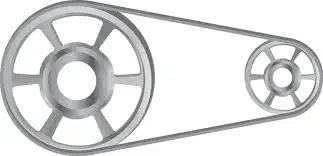
A small pulley has a diameter of 50 mm. A larger pulley connected to it has a diameter of 150 mm. The small pulley turns at 120 rpm.
How fast does the larger pulley turn?

A force of 10 N pushes a box along a surface with friction of 4 N. What is the net force acting on the box?
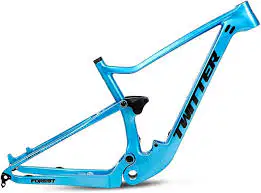
An engineer is choosing a material for a bicycle frame. They want it to be strong but lightweight. Would steel, aluminium, or plastic be the best choice? Give two reasons why...
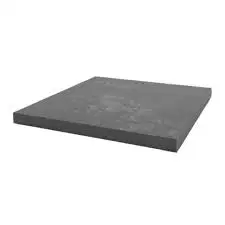
A rectangular metal plate measures 400 mm by 200 mm. What is its area in mm²?
If it’s 5 mm thick, what is its volume in mm³?

A simple circuit has a 6 V battery and a bulb with a resistance of 3 ohms. What current flows through the circuit?
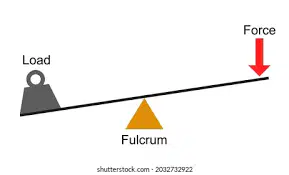
A lever is 1.2 m long.
The effort is applied 0.9 m from the fulcrum.
How far is the load from the fulcrum if the lever is balanced and the load is 60 N and the effort is 45 N?
Use the following equations to help you...
Moment = Force × Distance
Load distance = Effort moment ÷ Load force
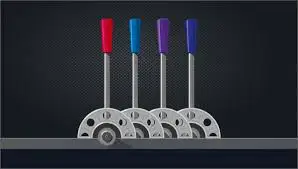
Match the following classes of lever...
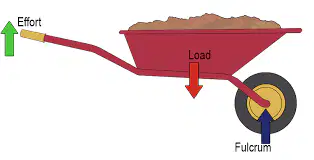
2nd Class Lever
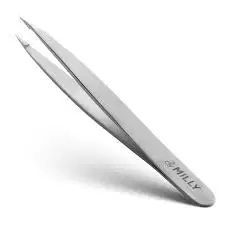
3rd Class Lever
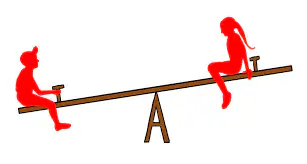
1st Class Lever

Resistors are an electronic component used to restrict the flow of electrons in a circuit. Resistance is measured in ohms (Ω).
Calculate the value of the resistor in he picture...
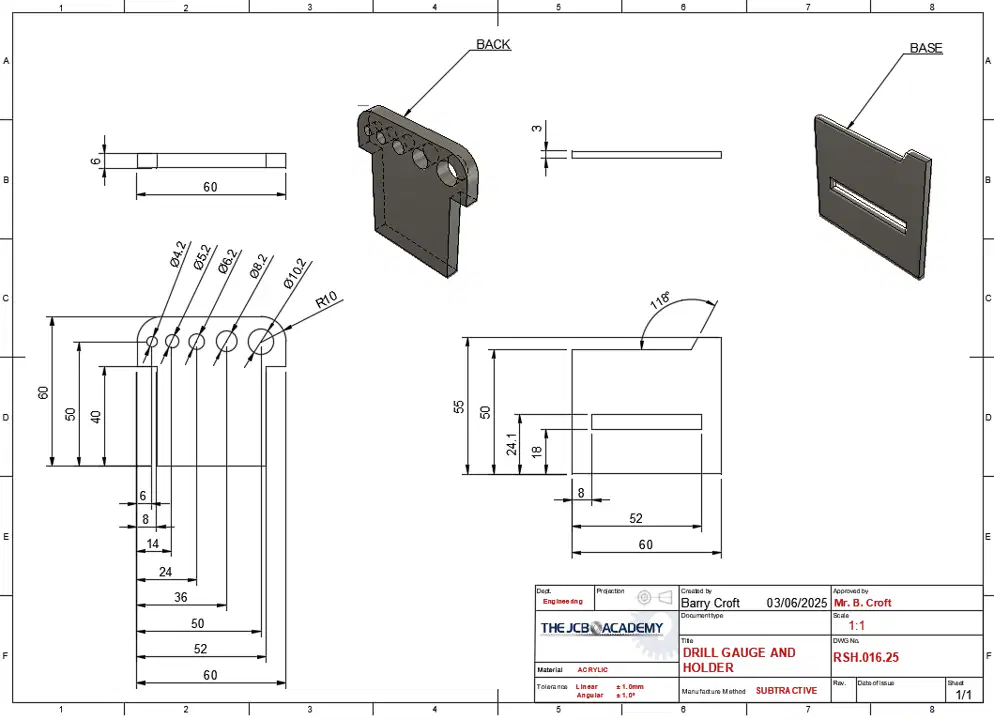
The image on the left is an engineering drawing of two parts (back and base). If you click on the image it will enlarge...
The tolerance of the drawing is +/-1.00mm. What it the minimum and maximum measurement of the height of the part labelled 'back'.
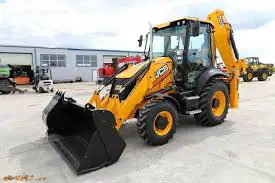
A digger has two different sized wheels:
Front wheel diameter = 0.8 metres
Rear wheel diameter = 1.2 metres
(a) Calculate the circumference of the front wheel.
(b) Calculate the circumference of the rear wheel.
If the digger travels forward 24 metres, how many times does (c) the front wheel rotate and (d) the rear wheel rotate?
(d) How many times does the rear (larger) wheel rotate compared to the front wheel for the same distance travelled as a ratio?
(Use π = 3.14 for your calculations.)
Answers must be written as
a) answer
b) answer
c) answer
d) answer
e) answer
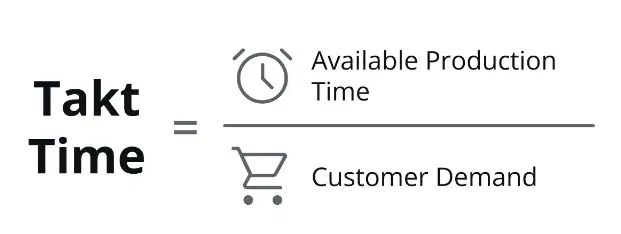
TAKT Time is the pace at which the production of products needs to occur to meet customer demand, ensuring a consistent flow of goods or services without overproduction (making too many) or shortages (not making enough)
Using the equation caclulate the TAKT time when the available production time is 36 hours and the customer demand is 12 products.

