wayground logo

Free Printable Worksheets

Font size

S
M
L
XL
Worksheets

6th Grade – Science Practice Questions

Total questions: 155

Worksheet time: 3hrs 35mins

Name
Class
Date
1.

What type of cells do organisms in the Kingdom Monera have?

a)

Eukaryotic

b)

Prokaryotic

c)

Both

d)

Animal-like

2.

Which organisms are mostly unicellular and eukaryotic?

a)

Protista

b)

Plantae

c)

Monera

d)

Animalia

3.

Plants are...

a)

Heterotrophic

b)

Carnivorous

c)

Autotrophic

d)

Decomposers

4.

Which group does a mushroom belong to?

a)

Protista

b)

Fungi

c)

Plantae

d)

Animalia

5.

Invertebrates are animals that...

a)

Have bones

b)

Have a backbone

c)

Do not have a backbone

d)

Only live in water

6.

Which of the following is a producer?

a)

Snake

b)

Human

c)

Grass

d)

Cat

7.

What do animals use for energy?

a)

Water

b)

Sunlight

c)

Food

d)

Minerals

8.

What gas do plants take in during photosynthesis?

a)

Oxygen

b)

Nitrogen

c)

Carbon dioxide

d)

Hydrogen

9.

Which of these is a vertebrate?

a)

Ant

b)

Butterfly

c)

Dolphin

d)

Worm

10.

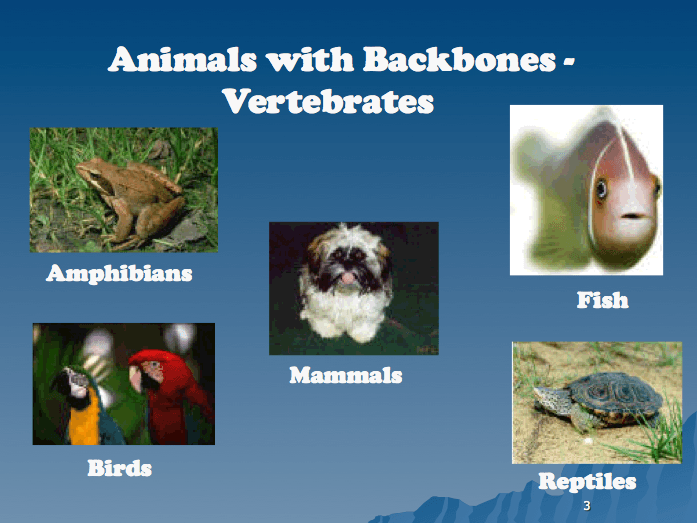
The main groups of vertebrates are:

a)

Mammals, birds, reptiles, amphibians, and fish

b)

Insects, arachnids, crustaceans, and mollusks

c)

Sponges, cnidarians, echinoderms, and annelids

d)

Bacteria, fungi, algae, and protozoa

11.

Which group of vertebrates lays eggs and has feathers?

a)

Reptiles

b)

Amphibians

c)

Fish

d)

Birds

12.

Which kingdom absorbs nutrients from dead matter?

a)

Fungi

b)

Animalia

c)

Plantae

d)

Monera

13.

Which animal is a consumer?

a)

Tree

b)

Grass

c)

Cow

d)

Algae

14.

Which is an example of a decomposer?

a)

Grass

b)

Frog

c)

Mushroom

d)

Fish

15.

What are the products of photosynthesis?

4 lines
16.

What do we call organisms that eat only plants?

a)

Herbivores

b)

Carnivores

c)

Omnivores

d)

Producers

17.

Animals that eat only meat are called________

a)

Omnivores

b)

Carnivores

c)

Producers

d)

Decomposers

18.

Omnivores eat...

a)

Only meat

b)

Only plants

c)

Both plants and animals

d)

Decomposers

19.

Which vertebrate can live both in water and on land?

a)

Reptiles

b)

Fish

c)

Amphibians

d)

Birds

20.

Which of the following animals is warm-blooded?

4 lines
21.

What is the main source of energy for producers?

a)

Soil

b)

Water

c)

Sun

d)

Oxygen

22.

Fish breathe through...

a)

Skin

b)

Gills

c)

Lungs

d)

Mouth

23.

Which animal is a reptile?

a)

Salamander

b)

Snake

c)

Frog

d)

Whale

24.

Which of the following is an amphibian?

a)

Turtle

b)

Lizard

c)

Toad

d)

Penguin

25.

Birds usually reproduce by...

a)

Laying eggs

b)

Giving birth

c)

Photosynthesis

26.

26. Mammals feed their young with...

a)

Seeds

b)

Milk

c)

Water

d)

Meat

27.

Which of the following groups is eukaryotic?

a)

Monera

b)

Fungi

c)

Bacteria

d)

None

28.

Which group includes jellyfish, worms, and insects?

a)

Vertebrates

b)

Fungi

c)

Invertebrates

d)

Protists

29.

What part of the plant absorbs water and minerals?

a)

Stem

b)

Leaf

c)

Root

d)

Flower

30.

What is the green pigment in plants called?

a)

Chlorophyll

b)

Hemoglobin

c)

Melanin

d)

Keratin

31.

Which organelle is responsible for photosynthesis?

a)

Mitochondria

b)

Nucleus

c)

Chloroplast

d)

Cell membrane

32.

Which animal is an invertebrate?

a)

Elephant

b)

Crab

c)

Snake

d)

Bat

33.

Animals that break down dead organisms are called...

a)

Scavengers

b)

Predators

c)

Decomposers

d)

Parasites

34.

Which type of symmetry do most vertebrates have?

a)

Radial

b)

Bilateral

c)

Asymmetrical

d)

Irregular

35.

The animal kingdom is mainly made up of...

a)

Vertebrates

b)

Invertebrates

c)

Plants

d)

Protists

36.

Which group of organisms does not have a nucleus?

a)

Prokaryotes

b)

Fungi

c)

Plants

d)

Animals

37.

Which of the following is not a kingdom in the five-kingdom classification?

a)

Animalia

b)

Fungi

c)

Monera

d)

Protista

38.

An example of a unicellular eukaryote is...

a)

Amoeba

b)

Bacteria

c)

Mushroom

d)

Fern

39.

Which of the following is NOT a characteristic of mammals?

a)

They lay eggs

b)

They are warm-blooded

c)

They feed their young with milk

d)

They have hair or fur

40.

What do we call animals that have a backbone?

a)

Fungi

b)

Vertebrates

c)

Producers

d)

Invertebrates

41.

Which kingdom do bacteria belong to?

a)

Fungi

b)

Monera

c)

Animalia

d)

Plantae

42.

Which of the following animals is cold-blooded?

a)

Cat

b)

Horse

c)

Dog

d)

Frog

43.

What do we call animals that eat both plants and animals?

a)

Producers

b)

Omnivores

c)

Carnivores

d)

Herbivores

44.

Which part of the cell controls its activities?

a)

Vacuole

b)

Chloroplast

c)

Cell wall

d)

Nucleus

45.

Which of the following is an example of a prokaryotic organism?

a)

Bacteria

b)

Algae

c)

Mushroom

d)

Fern

46.

What do we call animals that feed on both plants and animals?

a)

Producers

b)

Carnivores

c)

Herbivores

d)

Omnivores

47.

Which group of organisms is responsible for decomposing dead plants and animals?

a)

Plantae

b)

Fungi

c)

Protista

d)

Animalia

48.

Which of the following is a characteristic of mammals?

a)

They lay eggs

b)

They have scales

c)

They have feathers

d)

They produce milk

49.

Which organelle is found only in plant cells?

a)

Nucleus

b)

Mitochondria

c)

Chloroplast

d)

Ribosome

50.

Which group of animals breathes through lungs and has hair or fur?

a)

Birds

b)

Reptiles

c)

Mammals

d)

Amphibians

51.
What are vertebrates?
a)
Animals with a backbone
b)
Animals without a backbone
52.
There are five categories of vertebrates.  Which one is not a vertebrate?
a)
Mammals
b)
Birds
c)
Arthropods
d)
Reptiles
53.
What am I?
a)
Mammal
b)
Amphibian
c)
Bird
d)
Reptile
54.
My body is moist and smooth, I lay eggs, and live in or near the water.  What am I?
a)
Amphibian
b)
Reptile
c)
Bird
d)
Fish
55.
My body is warm and covered in feathers.  I lay eggs which hatch into chickens.  What am I?
a)
Reptile
b)
Amphibian
c)
Mammal
d)
Bird
56.
My body is warm, I have fur, feed my young on milk, and have live births.  What am I?
a)
Reptile
b)
Bird
c)
Mammal
d)
Fish
57.
I am covered in dry scales and I lay eggs.  What am I?
a)
Mammal
b)
Fish
c)
Amphibian
d)
Reptile
58.
My body is cold, am covered in scales, use gills to breathe under water, and I lay eggs.  What am I?
a)
Fish
b)
Mammal
c)
Reptile
d)
Amphibian
59.
What am I?
a)
Fish
b)
Reptile
c)
Amphibian
d)
Mammal
60.
What am I?
a)
Mammal
b)
Reptile
c)
Amphibian
d)
Fish
61.
What am I?
a)
Reptile
b)
Amphibian
c)
Fish
d)
Mammal
62.
What am I?
a)
Mammal
b)
Bird
c)
Fish
d)
Reptile
63.
What am I?
a)
Fish
b)
Bird
c)
Reptile
d)
Mammal
64.
Which are the 5 groups of vertebrate animals?
a)
Mammals, fish, amphibians and sharks
b)
Mammals, fish, birds, reptiles and amphibians
c)
Lions, tuna, eagle, crocodile and frog
d)
Humans, fish, birds and reptiles
65.
Which of these animals breathe through their gills?
a)
Fish
b)
Fish and baby amphibians
c)
Mammals, adult amphibians, reptiles and birds
66.
Which animal can breathe with their lungs and also through their moist skin?
a)
Amphibians
b)
Fish
c)
Reptiles
67.

Mammal whose embryo develops in the uterus.

a)

Placental

b)

Marsupial

c)

Monotreme

d)

Amphibian

68.

animal whose body temperature changes with the climate.

a)

Endotherm

b)

Ectotherm

c)

Estivation

d)

Hibernation

69.

animal whose body temperatures stays the same in all climates.

a)

Hibernation

b)

Estivation

c)

Endotherm

d)

Ectotherm

70.

structure in which a reptile or bird embryo develops

a)

Crop

b)

Gizzard

c)

Amniotic Egg

d)

Uterus

71.

A period of inactivity in which the organism waits for cool weather

a)

Estivation

b)

Hibernation

c)

Endotherm

d)

Ectotherm

72.

A period of inactivity in which the organism waits for warm weather

a)

Hibernation

b)

Estivation

c)

Endotherm

d)

Ectotherm

73.

Time it takes an embryo to develop.

a)

Growth Period

b)

Birth Period

c)

Gestation Period

d)

Embryo Period

74.

Mammal that lays eggs with a tough leathery shell.

a)

Placental

b)

Marsupial

c)

Monotreme

d)

Cats

75.

Mammal whose embryo develops in a pouch

a)

Placental

b)

Marsupial

c)

Monotreme

d)

Cats

76.
What are vertebrates?
a)
Animals with a backbone
b)
Animals without a backbone
77.
There are five categories of vertebrates.  Which one is not a vertebrate?
a)
Mammals
b)
Birds
c)
Arthropods
d)
Reptiles
78.
What am I?
a)
Mammal
b)
Amphibian
c)
Bird
d)
Reptile
79.
My body is moist and smooth, I lay eggs, and live in or near the water.  What am I?
a)
Amphibian
b)
Reptile
c)
Bird
d)
Fish
80.
My body is warm and covered in feathers.  I lay eggs which hatch into chickens.  What am I?
a)
Reptile
b)
Amphibian
c)
Mammal
d)
Bird
81.
My body is warm, I have fur, feed my young on milk, and have live births.  What am I?
a)
Reptile
b)
Bird
c)
Mammal
d)
Fish
82.
I am covered in dry scales and I lay eggs.  What am I?
a)
Mammal
b)
Fish
c)
Amphibian
d)
Reptile
83.
My body is cold, am covered in scales, use gills to breathe under water, and I lay eggs.  What am I?
a)
Fish
b)
Mammal
c)
Reptile
d)
Amphibian
84.
What am I?
a)
Fish
b)
Reptile
c)
Amphibian
d)
Mammal
85.
What am I?
a)
Mammal
b)
Reptile
c)
Amphibian
d)
Fish
86.
What am I?
a)
Mammal
b)
Bird
c)
Fish
d)
Reptile
87.
What am I?
a)
Fish
b)
Bird
c)
Reptile
d)
Mammal
88.
Which of the following is a vertebrate?
a)
Amphibian
b)
Echinoderm
c)
Arthropod
d)
Annelid
89.
I live part of my life in water and part on land.  I am born with gills but grow lungs.  I am ectothermic (cold-blooded).  I have moist smooth skin.  What am I? 
a)
fish
b)
bird
c)
amphibian 
d)
mammal
90.
Frogs, toads, and salamanders are all examples of which class?
a)
Amphibians
b)
Reptiles
c)
Birds
d)
Mammals
91.
Which class has organisms with dry, scaly skin?
a)
Amphibians
b)
Reptiles
c)
Birds
d)
Mammals
92.
Which class has organisms with moist skin?
a)
Amphibians
b)
Reptiles
c)
Birds
d)
Mammals
93.
As adults, amphibians breathe through _____________.
a)
Gills and skin
b)
Lungs and gills
c)
Lungs and skin
d)
Feet
94.

Fish take in oxygen through their

a)

fins.

b)

gills.

c)

scales.

d)

vertebrae.

95.
What group(s) are endotherms?
a)
birds & reptiles
b)
mammals & birds
c)
mammals & reptiles
d)
mammals & dinosaurs
96.
What do birds have that other animals don't have?
a)
feathers
b)
wings
c)
two legs
d)
eyes
97.
All birds have___________.
a)
teeth
b)
long legs
c)
heavy bones
d)
beaks
98.
Mammals breathe with...
a)
lungs
b)
gills
c)
lungs and gills
d)
lungs, gills, and skin
99.
Mammals are covered with...
a)
scales
b)
fur or hair
c)
smooth, moist skin
d)
feathers
100.
Mammals are _____________ blooded.
a)
cold
b)
warm
101.
Birds breathe with...
a)
gills
b)
gills and lungs
c)
lungs
d)
gills, lungs, and skin
102.
Birds are __________ blooded.
a)
warm
b)
cold
103.
Amphibians are covered with...
a)
scales
b)
fur or hair
c)
feathers
d)
smooth, moist skin or dry bumpy skin
104.
Ectothermic means....
a)
cold blooded
b)
warm blooded
105.
Endothermic means...
a)
cold blooded
b)
warm blooded
106.
Vertebrates are...
a)
animals that live in water
b)
animals without a backbone
c)
animals that live on land
d)
animals with a backbone
107.
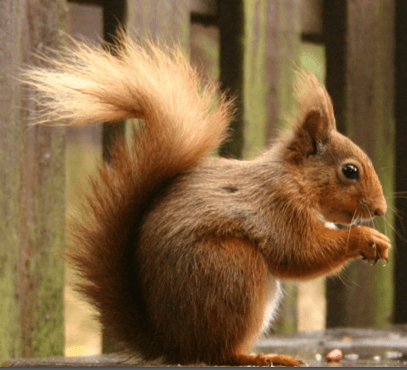
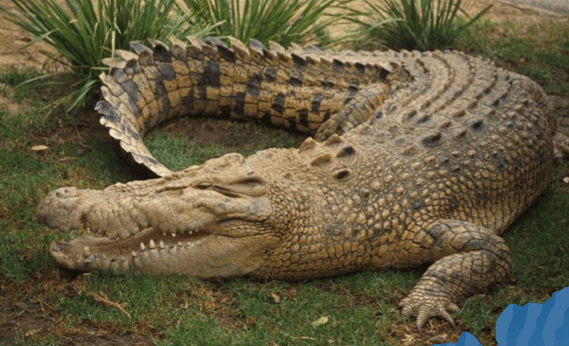
This is a picture of a...
a)
mammal
b)
bird
c)
reptile
d)
amphibian
108.
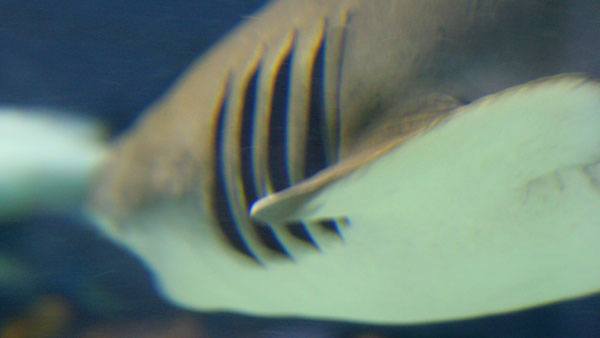
This is a picture of a....
a)
mammal
b)
bird
c)
fish
d)
reptile
109.
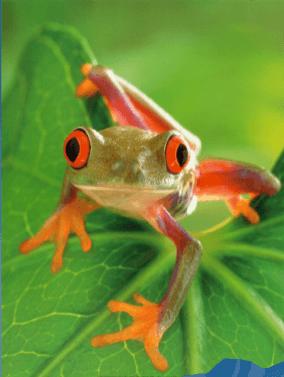
This is a picture of a...
a)
mammal
b)
bird
c)
reptile
d)
amphibian
110.
This is a picture of a...
a)
mammal
b)
bird
c)
reptile
d)
amphibian
111.
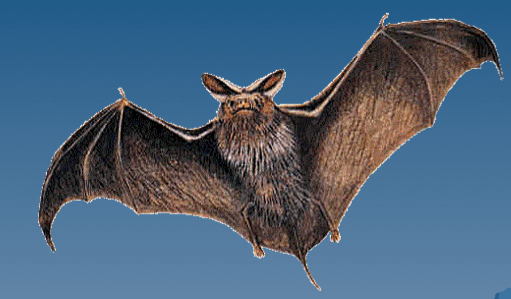
This is a picture of a...
a)
mammal
b)
bird
c)
fish
d)
reptile
112.
This is a picture of a...
a)
mammal
b)
bird
c)
reptile
d)
amphibian
113.
What word means  body temperature changes when the outside temperature changes?
a)
cold blooded
b)
warm blooded
c)
classify
d)
vertebrate
114.
What word means to divide into groups?
a)
cold blooded
b)
warm blooded
c)
classify
d)
vertebrate
115.
What word means body temperature stays the same no matter what the outside temperature is?
a)
cold blooded
b)
warm blooded
c)
classify
d)
vertebrate
116.
What group of vertebrates is a mouse?
a)
fish
b)
mammals
c)
amphibians
d)
birds
117.
What group of vertebrates is an elephant?
a)
fish
b)
mammals
c)
amphibians
d)
birds
118.
What are animals without backbones called?
a)
vertebrates
b)
invertebrates
c)
classify
d)
cold blooded
119.

What are the five groups of vertebrates?

a)

mammals, bugs, spiders, fish, and birds

b)

mammals, birds, fish, reptiles, and amphibians

c)

snakes, turtles, frogs, bugs, birds

d)

worms, insects, spiders, jellyfish, sponges

120.
Invertebrates are animals
a)
with a backbone
b)
without a backbone
121.
Sponges, segmented worms, echinoderms, arthropods, and mollusks belong in which group?
a)
endothermic
b)
ectothermic
c)
vertebrate
d)
invertebrate
122.
Between 90-95% of all animals on earth can be classified as _____.
a)
invertebrates
b)
vertebrates
c)
reptiles
d)
mammals
123.
Which of these vertebrates doesn't have lungs?
a)
birds
b)
reptiles
c)
fish
d)
mammals
124.
Frogs and salamanders are part of which animal group?
a)
reptiles
b)
amphibians
c)
birds
d)
fish
125.
This lion is a mammal because...
a)
It has a backbone.
b)
It has fur/hair
c)
It is ectothermic.
d)
It lays eggs.
126.
Which kind of animal is born in water but lives on land as an adult?
a)
reptile
b)
mammal
c)
amphibian
d)
fish
127.
a)
Vertebrate
b)
Invertebrate
128.
________ ___________ is all about placing animals into different groups depending on how they are like. 
a)
Animal grouping 
b)
Animal classification 
c)
Animal criteria
d)
Animal groups 
129.
Sponges are... 
a)
Vertebrate
b)
Invertebrate
130.
Which animal doesn't belong?
a)
snail
b)
cat
c)
worm
d)
spider
131.
Which animal doesn't belong?
a)
Frog
b)
Salamander
c)
Snake
d)
Newt
132.
Which animal doesn't belong?
a)
mouse
b)
hawk
c)
bear
d)
fox
133.
which of the following is not a mammal?
a)
duck
b)
cow
c)
horse
d)
pig
134.
True or False: 
Vertebrates have an exoskeleton.
a)
True
b)
False
135.
Is the picture a vertebrate or invertebrate?
a)
Vertebrate
b)
Invertebrate
136.
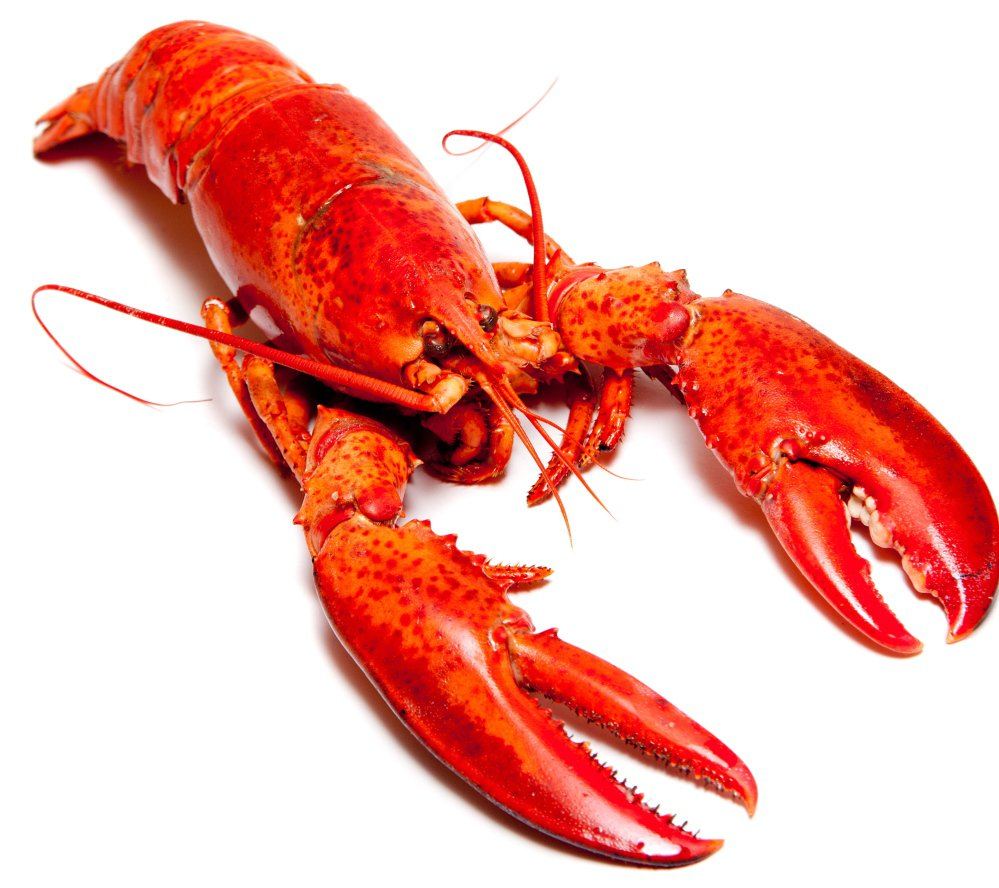
Is this animal an invertebrate or a vertebrate?
a)
Invertebrate
b)
Vertebrate
137.
Vertebrate or Invertebrate?
a)
Vertebrate
b)
Invertebrate
c)
Neither
138.
Vertebrate or Invertebrate?
a)
Vertebrate
b)
Invertebrate
c)
Neither
139.
Vertebrate or Invertebrate?
a)
Vertebrate
b)
Invertebrate
c)
Neither
140.
Plants can make their own food.
a)
True
b)
False
141.
Shrimp, Sponges, and Sea Stars
a)
Vertebrates
b)
Invertebrates
142.

What are the five types of vertebrates?

a)

mammals, birds, reptiles, amphibians, insects

b)

mammals, birds, reptiles, amphibians, plants

c)

mammals, birds, reptiles, amphibians, invertebrates

d)

mammals, birds, reptiles, amphibians, fish

143.

What are some examples of invertebrates?

a)

insects, spiders, worms, jellyfish, snails

b)

rocks, mountains, rivers, lakes

c)

trees, flowers, grass, bushes

d)

birds, fish, mammals, reptiles

144.

All vertebrates have this that invertebrates do not

a)

segmented bodies

b)

plant cells

c)

backbones

d)

spiny skins

145.

Animals with a backbone are called :

a)

invertebrates

b)

exoskeleton

c)

vertebrates

d)

molluscs

146.

Animals that don´t have a spine are called:

a)

vertebrates

b)

mammals

c)

invertebrates

d)

backbone

147.

Which are the 5 groups of vertebrates?

a)

mammals, birds, fish, molluscs, arthropods, reptiles

b)

reptiles, mammals, fish, amphibians, birds

c)

worms, arthropods, reptiles, fish, molluscs

148.

Which group does it belong to?

a)

invertebrate

b)

vertebrate

149.

What is the major difference between vertebrates and invertebrates?

a)

Vertebrates have a backbone and invertebrates do not.

b)

Invertebrates live in water and vertebrates do not.

c)

Invertebrates have a backbone and vertebrates do not.

d)

Invertebrates are smaller than vertebrates.

150.

Is this animal a vertebrate or invertebrate?

a)

invertebrates

b)

vertebrates

151.

Which group does it belong to?

a)

invertebrate

b)

vertebrate

152.

Which group does it belong to?

a)

invertebrate

b)

vertebrate

153.

Are these animals vertebrates or invertebrates?

a)

vertebrates

b)

invertebrates

154.

Which group does it belong to?

a)

vertebrates

b)

invertebrates

155.

Which group does it belong to?

a)

invertebrate

b)

vertebrate