
 Worksheets
超级旅游集团中国旅游研讨会
Total questions: 10
Worksheet time: 4mins

请问超级旅游集团是什么时候成立的?
When was Super Travels founded?
1987
1977
1978
1988

请问我们公司标志中的三架飞机代表什么意思?
What do the three airplanes in our company logo represent?
三家航空公司
Three airlines
三个市场板块
Three market segments
公司的三个股东
Three shareholders of company
一家航空公司的代码
An airline’s code

“超级旅游”这四个中文字, 是公司从哪一年开始正式使用的品牌名称?
In which year did the company officially start using the Chinese brand name “超级旅游”?
1980
1996
1978
2002

请问最近一次公司举办的员工旅游去的是哪里?
When was our last company trip?
意大利
Italy
北京
BeiJing
日本
Japan
九寨沟
JiuZhaiGou
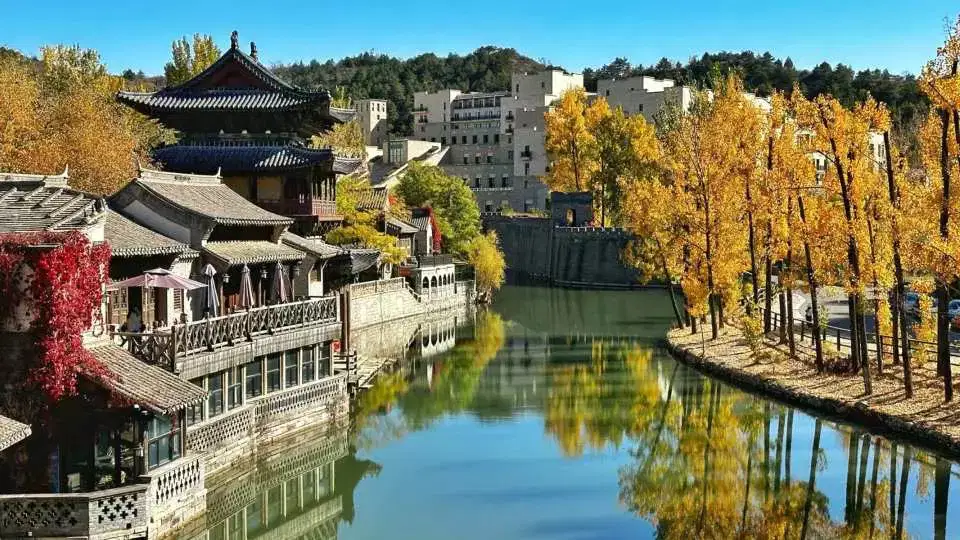
请问古北水镇的水源来自哪一条北方重要河流?
The water system in Gubei Water Town originates from which important northern river?
永定河
Yongding River
潮河
Chao River
白河
Bai River
北运河
North Grand Canal

张家界国家森林公园以哪种奇特自然景观著称?
Zhangjiajie National Forest Park is famous for which unique natural landform?
花岗岩石柱群
Granite pillar formations
喀斯特石灰岩地貌 Karst limestone formations
火山熔岩柱群
Volcanic basalt columns
石英砂岩峰林
Quartz sandstone pillars

请问我们公司飞往中国的团,主要使用以下哪些航空公司?
Which group of airlines do we primarily use for our tour groups flying to China?
QF / CI / FM / NX
CA / SQ/ MU / CZ
BR / ZH / HO / MU
MF / HU / TR / CX

请问中国佛教四大名山是哪四座?
Which are the Four Sacred Buddhist Mountains of China?
五台山、峨眉山、九华山、普陀山
Mt.Wutai, Mt. Emei, Mt. Jiuhua, Mt. Putuo
雁荡山、青城山、武当山、九华山
Mt. Yandang, Mt. Qingcheng, Mt. Wudang, and Mt. Jiuhua
华山、峨眉山、泰山、庐山
Mt.Huashan, Mt.Emei, Mt.Tai, Mt.Lushan
五台山、黄山、青城山、普陀山
Mt. Wutai, Mt. Huang, Mt. Qingcheng, and Mt. Putuo

请问接下来的 2025 年 NATAS 旅游展会将在几号举行?
When is the next NATAS travel fair?
22 July - 24 July
22 Aug - 24 Aug
15 Aug - 17 Aug
15 Sep - 17 Sep

以下哪种“旅游操作术语”是办公室新人最容易搞不懂的?
Which tour operation term most often confuses new staff?
FIT
GIT
PNR
FOC

