
Font size
 Worksheets
Ch 02 Guided Reading - EDITED
Total questions: 27
Worksheet time: 16mins
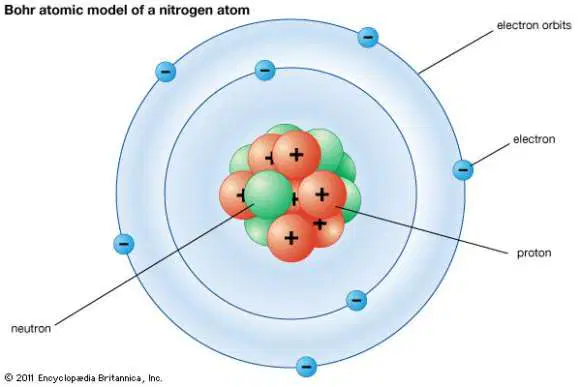
MATCH the particles with their charges.
Proton
Positive
Neutron
Neutral
Electron
Negative
Atoms are neutral despite have charged particles because atoms have equal numbers of electrons and ___________.
protons
neutrons
ions
molecules
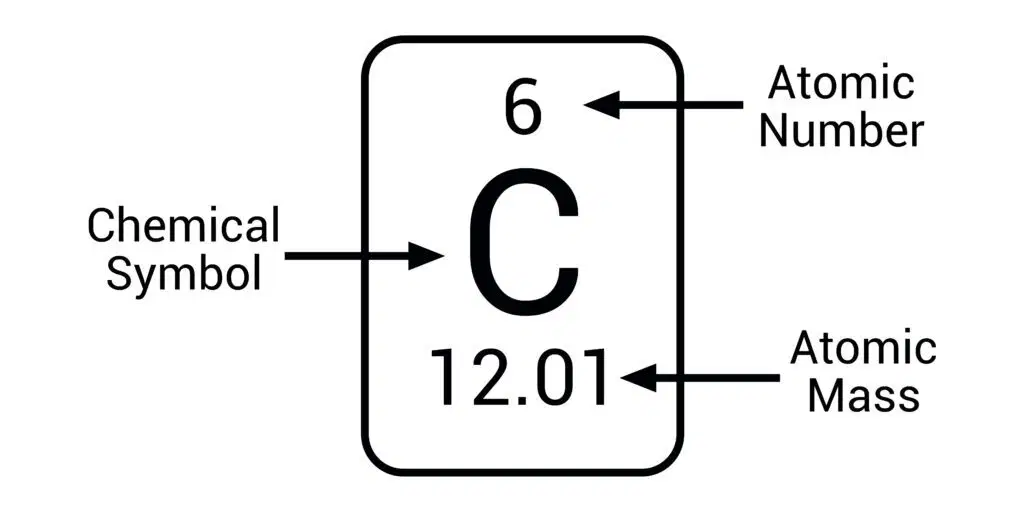
An element's atomic number represents the number of ___________ in an atom.
protons
neutrons
electrons
isotopes

Atoms of the same element that differ in the number of neutrons they contain are known as __________
isotopes
ions
molecules
allotropes
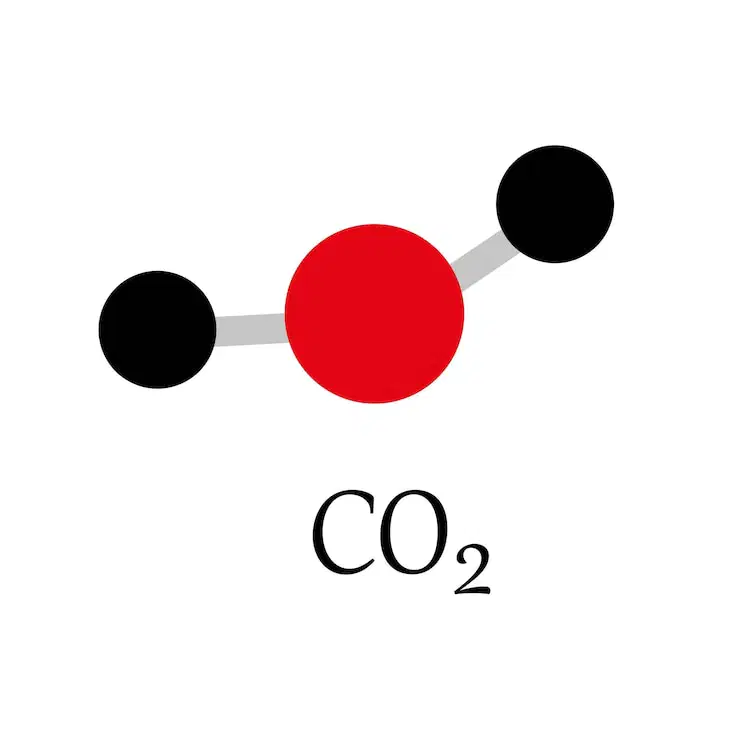
The structure that results when atoms are joined together by covalent bonds is called a ____________
molecule
ion
crystal
element
Carbon has the ability to form long chains that are almost unlimited in length because one carbon atom can bond to other ____________ atoms.
carbon
hydrogen
oxygen
nitrogen

Many of the molecules in living cells are so large that they are known as ____________.
macromolecules
micromolecules
ions
atoms
When monomers join together, they form ___________
polymers
atoms
ions
molecules
All organic compounds have what element?
(a)
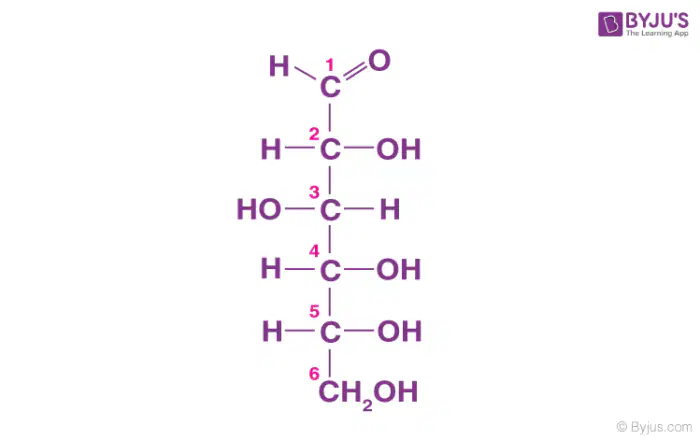
__________ are made up of carbon, hydrogen, and oxygen in a 1:2:1 ratio
Carbohydrates
Proteins
Lipids
Nucleic acids
CHOOSE 3 ANSWERS below that are TRUE statements about carbohydrates.
Starches and sugars are examples of carbohydrates.
Living things use them as their main source of energy.
The monomers in sugar polymers are starch molecules.
Plants and some animals use them for strength and rigidity.
CHOOSE 3 ANSWERS: Select all monosaccharides below.
galactose
glycogen
glucose
fructose

A polysaccharide is a large macromolecule formed from many __________.
monosaccharides
nucleotides
fatty acids
amino acids
Plants store their excess glucose in the form of starch while animals store excess glucose as (g) (a) .

Lipids are mostly made of (c) (a) and hydrogen atoms.
CHOOSE 3 ANSWERS below that are common categories of lipids.
fats
glucose
oils
waxes
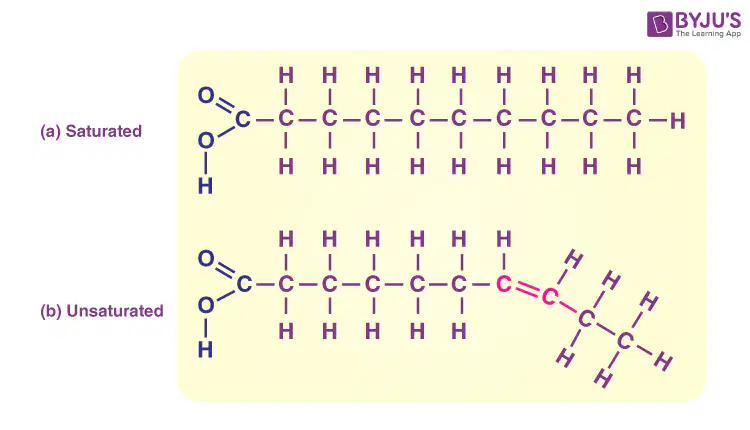
Many lipids are formed when a glycerol molecule combines with compounds called (f a) _________?
fatty acids
amino acids
nucleotides
monosaccharides
CHOOSE 3 ANSWERS below that describe the ways fats are used in living things.
As parts of biological membranes
to store energy
to give plants rigidity
as chemical messengers

The monomers that make up nucleic acids are known as (n) _________.
nucleotides
amino acids
monosaccharides
fatty acids
Select all of the components of a nucleotide.
nitrogenous base
phosphate
5-carbon sugar
fatty acid
The function of nucleic acid is to store and transmit _________ information.
genetic
chemical
thermal
mechanical
CHOOSE 2 ANSWERS: Select two types of nucleic acids below.
RNA
DNA
TSA
BAC
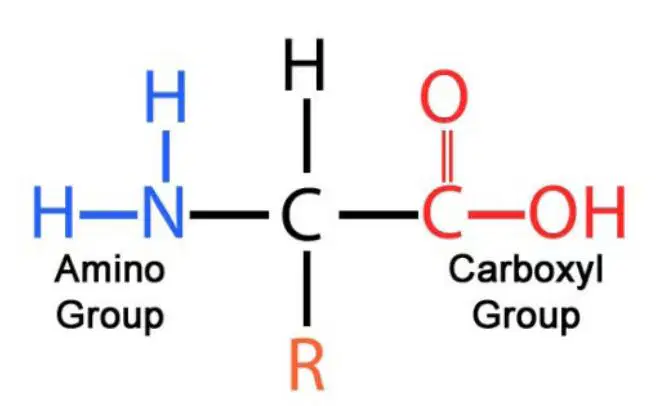
25. _________ contain nitrogen, carbon, hydrogen, and oxygen atoms.
Proteins
Carbohydrates
Lipids
Nucleic acids
26. Proteins are polymers of molecules called _________?
amino acids
fatty acids
nucleotides
monosaccharides
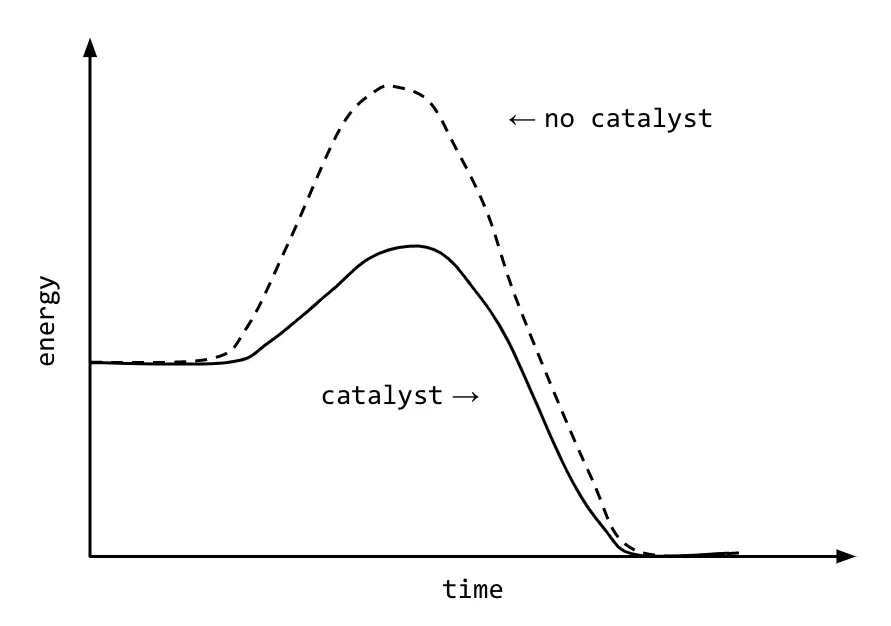
Chemists call the energy needed to get a reaction started the _________
activation energy
potential energy
kinetic energy
thermal energy
Proteins that act as biological catalysts are called (a) .
Enzymes (s) (a) up chemical reactions that take place in cells.

