wayground logo

Free Printable Worksheets

Font size

S
M
L
XL
Worksheets

5th science Mixed 3

Total questions: 189

Worksheet time: 2hrs 24mins

Name
Class
Date
1.
pancakes cook on a griddle
a)
physical change
b)
chemical change
2.
food digested in the stomach
a)
physical change
b)
chemical change
3.
tire inflated with air
a)
physical change
b)
chemical change
4.
fireworks explode
a)
physical change
b)
chemical change
5.
a piece of copper is cut in half
a)
physical change
b)
chemical change
6.
a sugar cube is ground up
a)
physical change
b)
chemical change
7.
water is heated and changed to steam
a)
physical change
b)
chemical change
8.
iron pipe rusts
a)
physical change
b)
chemical change
9.
ice cube melts
a)
physical change
b)
chemical change
10.
milk sours (goes bad)
a)
physical change
b)
chemical change
11.
paper burns
a)
physical change
b)
chemical change
12.
A copper penny turning greenish after a few years is an example of ...
a)
Chemical Change
b)
Physical Change
13.
Which of the following is NOT an example of a physical change?
a)
crumpled paper
b)
pencil sharpening
c)
shrunken clothing
d)
sour milk
14.
Which of the following IS a physical change?
a)
Getting a haircut
b)
Rusty metal
c)
sour milk
d)
A compound
15.
Is melting butter for popcorn a chemical or physical change?
a)
chemical
b)
physical
16.
Is a rusting bicycle a chemical or physical change?
a)
chemcial
b)
physical
17.
Ripping up paper ...
a)
Chemical Change
b)
Physical Change
18.
A change in phase ...
a)
Chemical Change
b)
Physical Change
19.
An explosion occurs ...
a)
Chemical Change
b)
Physical Change
20.

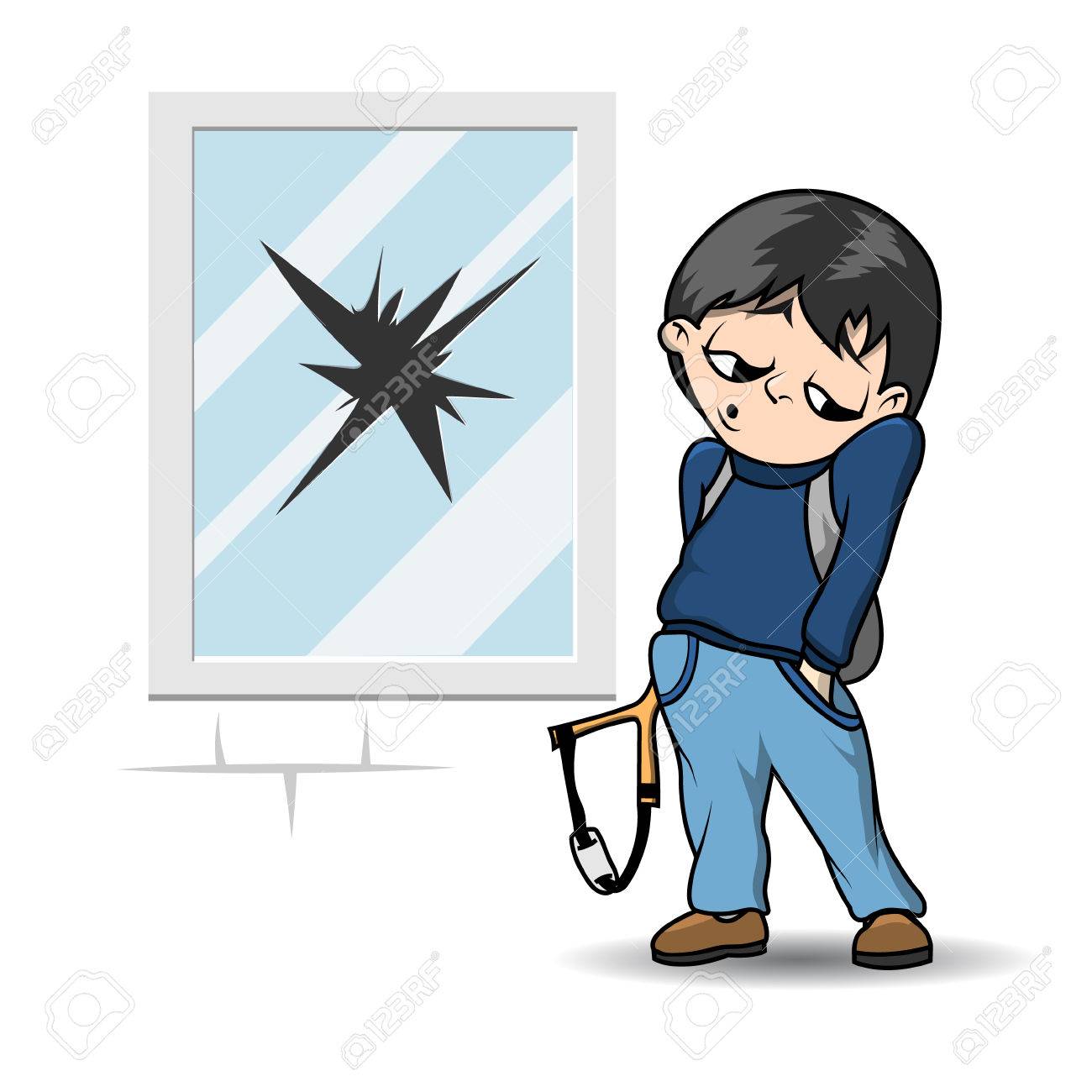
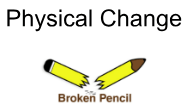
What kind of change is breaking a window?
a)
b)
21.

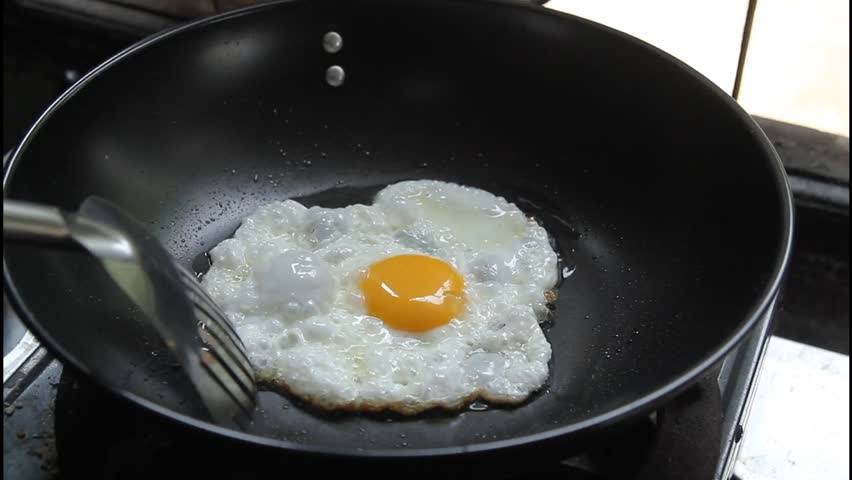
What kind of change is frying an egg?
a)
b)
22.

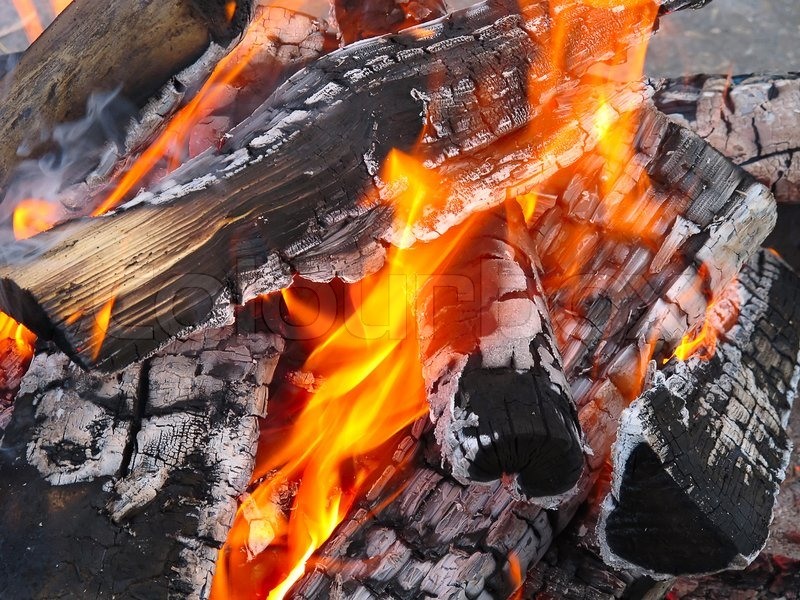
What kind of change is burning wood?

a)
b)
23.

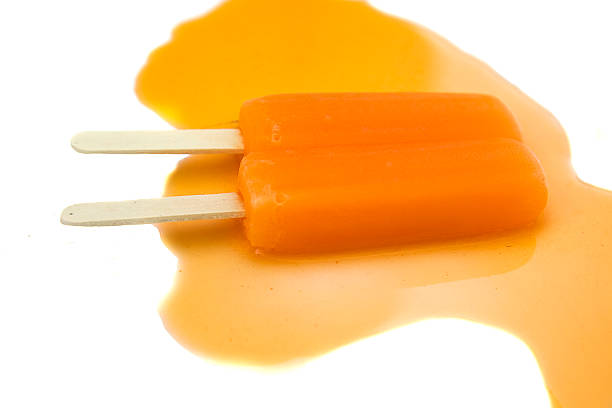
What kind of change is a melting popsicle?

a)
b)
24.

What kind of change is baking a cake?
a)
b)
25.

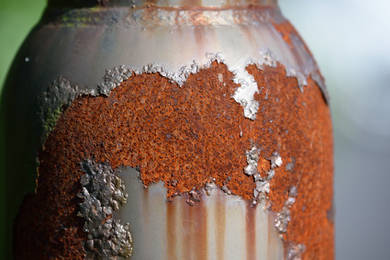
What kind of change is metal rusting?

a)
b)
26.

What kind of change is crushing a soda can?

a)
b)
27.

What kind of change is freezing water into ice cubes?

a)
b)
28.

What kind of change is cutting your hair?

a)
b)
29.

What kind of change is a rotting banana?

a)
b)
30.

What kind of change is toasting bread?

a)
b)
31.

What kind of change is mixing vinegar & baking soda?

a)
b)
32.
Physical or Chemical Change?  Cutting an orange into wedges.
a)
Physical Change
b)
Chemical Change
33.

Baking Cookies

a)

Physical Change

b)

Chemical Change

34.

Blowing up a balloon

a)

Physical Change

b)

Chemical Change

35.

Slicing Bread

a)

Physical Change

b)

Chemical Change

36.

Evaporating Water

a)

Physical Change

b)

Chemical Change

37.

Bending a metal rod

a)

Physical Change

b)

Chemical Change

38.
Curling your hair
a)
Chemical Change
b)
Physical Change
39.
Slicing an apple
a)
Chemical Change
b)
Physical Change
40.

When a bike rusts, it goes through a ________________.

a)

chemical change

b)

physical change

41.

When a banana decays, it goes through a _____________________.

a)

chemical change

b)

physical change

42.

When leaves decay, they go through a _____________________.

a)

chemical change

b)

physical change

43.

When logs burn and turn into ash, it is an example of a _________________________.

a)

chemical change

b)

physical change

44.
What is an example of a Chemical change?
a)
Ripped paper 
b)
boiled egg
c)
cracked egg
d)
sugar in water
45.
Is burning wood a chemical or physical change?
a)
chemical
b)
physical
46.
Green bananas turning yellow on their own as they ripen.
a)
Chemical Change
b)
Physical Change
47.
Bubbles form when two or more substances are combined ...
a)
Chemical Change
b)
Physical Change
48.
Causes a change in temperature ...
a)
Chemical Reaction
b)
Physical Reaction
49.
Causes a change in odor ...
a)
Chemical Reaction 
b)
Physical Reaction
50.
Is Gatorade powder dissolving in water physical or chemical change?
a)
Physical 
b)
Chemical
51.
Is making orange juice a physical or chemical change?
a)
Physical 
b)
Chemical
52.
What is the tiniest particle in the entire universe?
a)
cells
b)
gases
c)
atoms
d)
liquids
53.
Which part of an atom is POSITIVELY charged?
a)
protons
b)
neutrons
c)
electrons
d)
atoms
54.
What part of an atom is NEGATIVELY charged?
a)
protons
b)
neutrons
c)
electrons
d)
atoms
55.
Which part of an atom has no charge?
a)
protons
b)
neutrons
c)
electrons
d)
atoms
56.
What is the name of a single type of atom?
a)
cell
b)
proton
c)
element
d)
atom
57.
What is the term for combining 2 or more atoms together?
a)
atoms
b)
elements
c)
molecules
d)
compounds
58.
What is the term for combining 2 or more DIFFERENT atoms together?
a)
atoms
b)
elements
c)
molecules
d)
compounds
59.
TRUE OR FALSE:
Every compound is a molecule but not every molecule is a compound.
a)
TRUE
b)
FALSE
60.
What is the picture displayed?
a)
atom
b)
element
c)
molecule
d)
compound
61.
What is the picture displayed?
a)
atom
b)
element
c)
molecule
d)
compound
62.
Are these molecules also compounds?
a)
YES
b)
NO
63.
Atoms combine to form _______. 
a)
electrons
b)
molecules
c)
nuclei
d)
neutrons
64.
The chemical combination of two or more different kinds of atoms in fixed amounts is called a(n)
a)
orbit
b)
compound
c)
mixture
d)
element
65.
What are the basic building blocks for all matter?
a)
atoms
b)
elements
c)
compounds
d)
chemicals
66.
What do we call a substance consisting of a single atom?
a)
coefficient
b)
element
c)
compound
d)
molecule
67.
All ____________ are made up of two or more atoms bonded together.
a)
atoms
b)
molecules
c)
electrons
d)
elements
68.

H2O

How many Oxygen atoms are present?

a)

2

b)

4

c)

1

d)

5

69.

What is the chemical symbol of the element Hydrogen?

a)

Hy

b)

H

c)

Hydro

d)

Hg

70.

What is the chemical symbol for the element Carbon?

a)

C

b)

Ca

c)

Carb

d)

CO

71.

What kind of energy makes the microwave work?

a)

Light energy

b)

Heat energy

c)

Electrical energy

d)

Chemical energy

72.

Identify the type of energy

a)

Heat energy

b)

Sound energy

c)

kinetic energy

d)

Electrical energy

73.

The image shows

a)

kinetic energy

b)

elastic potential energy

c)

chemical energy

d)

sound energy

74.

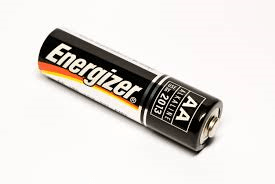
The _______________ is transformed into electrical energy inside the battery.

a)

chemical energy

b)

sound energy

c)

kinetic energy

d)

potential energy

75.

What is potential energy?

a)

moving energy

b)

stored energy

c)

renewable energy

d)

non renewable energy

76.

What is kinetic energy?

a)

moving energy

b)

potential energy

c)

stored energy

d)

renewable energy

77.

At what point does the biker have the greatest Kinetic Energy?

a)

Point A

b)

Point B

c)

Point C

d)

Point D

78.
What kind of energy is represented in the picture?
a)
Thermal
b)
Chemical
c)
Sound
d)
Nuclear
79.
On a roller coaster, where is maximum kinetic energy?
a)
At the bottom of a big hill
b)
When going around a corner
c)
When going upside down
d)
At the top of a big hill
80.
Energy that is stored in bonds between atoms is:
a)
Mechanical energy
b)
Chemical energy
c)
Kinetic energy
d)
Nuclear energy
81.
According to which law of energy, energy can't be created or destroyed?
a)
First law of motion
b)
The law of tacos
c)
Laws of Energy
d)
law of conservation of energy
82.

A windmill is an example of ________________energy.

a)

thermal

b)

mechanical

c)

light

d)

electrical

83.

Which of the following is an example of mechanical energy?

a)
b)
c)
d)
84.
a)
Sound Energy
b)
Light Energy
c)
Heat Energy
d)
Electrical Energy
85.
Making a Fruit Smoothie is YUMMY!
Plug a Blender into the wall outlet, and you're ready to go. 
Which choice below BEST shows the energy transformation of making a smoothie?
a)
Electrical to Kinetic
b)
Electrical to Chemical
c)
Mechanical to Sound
d)
Kinetic to Thermal
86.

A Steam Locomotive uses wood or coal, to create steam from water. This steam moves pistons, and thus, the train. Choose the best energy transformation below for a steam locomotive.

a)

Thermal --> Mechanical --> Chemical (plus heat)

b)

Chemical --> Thermal --> Mechanical (plus heat)

c)

Mechanical --> Chemical --> Thermal (plus heat)

d)

Electrical -> Chemical --> Thermal (plus heat)
87.
Which of the following energy transformations occur when a lamp that is plugged into a wall socket is functioning correctly?
a)
Chemical to light
b)
Electrical to chemical
c)
Electrical to light
d)
Chemical to electrical
88.
Which of the following shows an energy transformation from chemical energy to electrical to light energy?
a)
A bolt of lightning lights the night sky.
b)
A candle glows brightly in the dark.
c)
A fire in a fireplace lights up a room.
d)
A battery causes a flashlight to shine.
89.
What energy transformations take place when a battery-operated radio is in use?
a)
Electrical to chemical to light
b)
Sound to chemical to mechanical
c)
Chemical to electrical to sound
d)
Light to electrical to thermal
90.
People get energy from the food that they eat and transform that energy as they move. Which energy transformations occur as a student rapidly rubs the palms of his hands together?
a)
mechanical to thermal to electrical
b)
chemical to mechanical to thermal
c)
mechanical to chemical to sound
d)
chemical to sound to electrical
91.
Which of the following devices transforms electrical energy into mechanical energy?
a)
An e-reader
b)
a fan
c)
a manual pencil sharpener
d)
ipod
92.
A television works by transforming electrical energy into what other kinds of energy?
a)
Light, thermal, and sound
b)
Thermal, chemical, and solar
c)
Sound, mechanical, and electrical
d)
Light, chemical, and mechanical
93.
Which of the following shows the correct order of the energy transformations that occur when green plants produce their food from the Sun’s energy?
a)
chemical to thermal
b)
light to chemical
c)
thermal to light
d)
chemical to electrical
94.
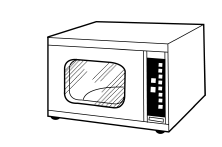
The picture shows a microwave oven. As a microwave oven is operated, electrical energy is transformed into all of the following types of energy EXCEPT —
a)
solar
b)
light
c)
thermal
d)
mechanical
95.
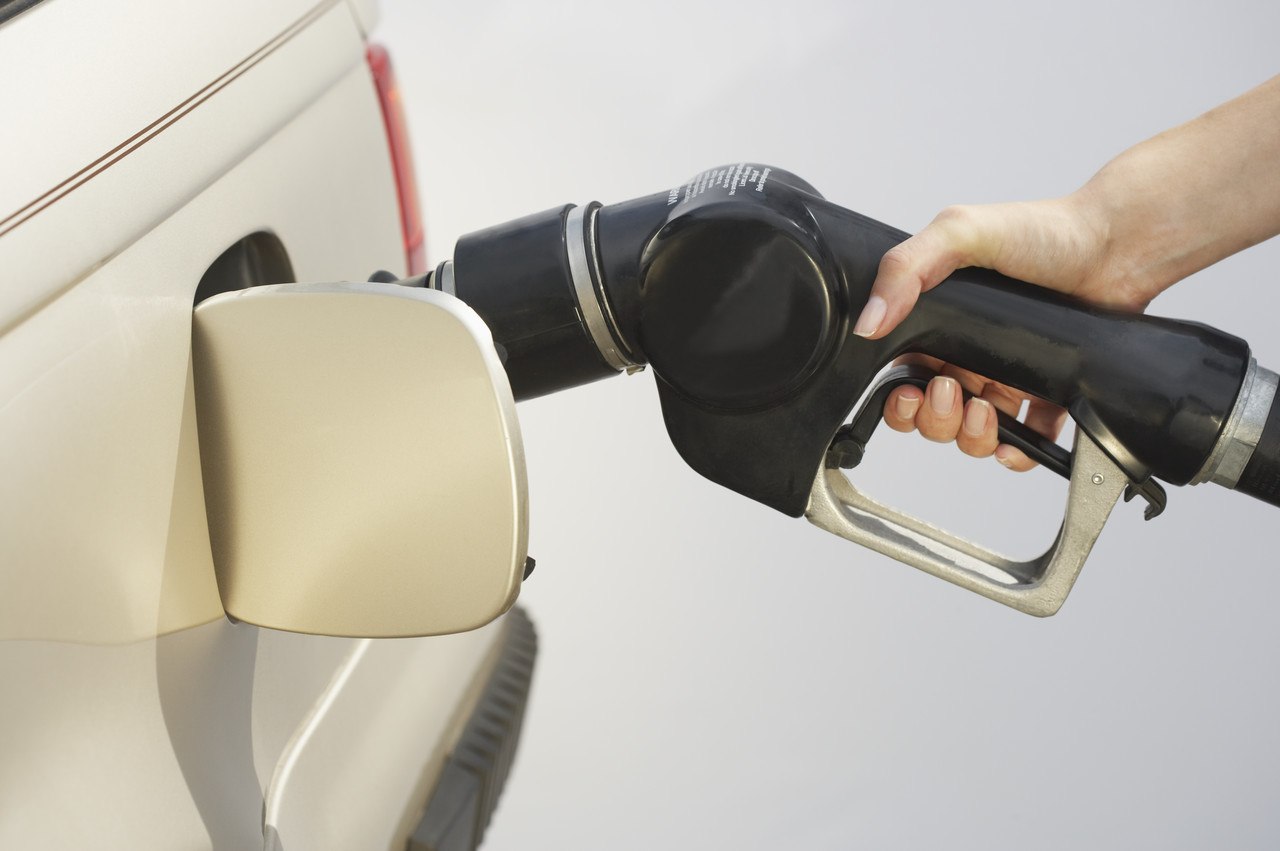
Which energy conversion is taking place when you put gasoline in a car?
a)
thermal -> electrical
b)
mechanical -> electrical
c)
chemical -> mechanical
d)
mechanical -> electromagnetic
96.
Energy transformations occur when...
a)
energy is created through conduction
b)
energy changes from one form to another
c)
two forces slide together that are touching
d)
a chemical reaction takes place
97.
Electrical Energy is transferred to _____ Energy.
a)
Solar
b)
Mechanical
c)
Chemical
d)
Electrical
98.
Electrical Energy is transferred to _____ Energy.
a)
Thermal
b)
Solar
c)
Electrical
d)
None
99.
When you eat pizza, Chemical Energy is transferred to _____ Energy.
a)
Solar
b)
Electrical
c)
Mechanical
d)
Chemical
100.
Electrical Energy is transferred to _____ Energy.
a)
Mechanical
b)
Solar
c)
Electrical
d)
Thermal
101.
Mechanical Energy is transferred to _____ Energy.
a)
Solar
b)
Mechanical
c)
Electrical
d)
Potential
102.
Chemical Energy is transferred to _____ Energy.
a)
Thermal
b)
Solar
c)
Mechanical
d)
Chemical
103.
The Electrical Energy of the stove is transferred to _____ Energy.
a)
Solar
b)
Thermal
c)
Potential
d)
Electrical
104.
Mechanical energy
a)
energy built up before being in motion
b)
energy released in a chemical reaction
c)
energy of motion
d)
sum of kinetic and potential energy
105.
According to the Law of Conservation of Energy, energy cannot be _________ or ____________. 
a)
destroyed, destroyed
b)
created, saved
c)
created, destroyed
d)
lost, found
106.
What is energy changing from one form to another?
a)
energy conservation
b)
energy transformation
c)
energy creation
d)
mechanical energy
107.
what type of energy is stored in a battery?
a)
electrical
b)
chemical
c)
thermal
d)
mechanical
108.
Electrical -> Mechanical -> Sound 
a)
A triple beam balance measuring an object’s mass
b)
A pencil sharpener plugged into a wall outlet
c)
A projector displaying a diagram on the screen
d)
A working flashlight used to light up a dark corner
109.
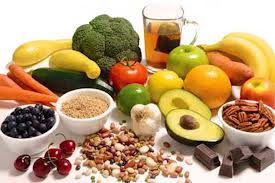
Energy you get from eating an apple
a)
nuclear energy
b)
electromagnetic energy
c)
sound energy
d)
chemical energy
110.
What energy is given off when a cell phone rings?
a)
Sound Energy
b)
Gravitational Energy
c)
Thermal Energy
d)
Nuclear Energy
111.
Which energy transformation occurs in a toaster?
a)
chemical to electric
b)
electric to thermal
c)
kinetic to chemical
d)
thermal to potential
112.

Any object with mass experiences gravity

a)

True

b)

False

113.

Why do astronauts bounce so high on the moon?

a)

The moon has more gravity

b)

The moon has no gravity

c)

The moon has less gravity

114.

As mass increases, gravitational forces:

a)

Increase

b)

decrease

c)

stay the same

d)

disappear

115.
How does friction affect speed?
a)
more friction decreases speed
b)
more friction increases speed
c)
less friction decreases speed
116.
The rougher the surface, the faster an object will travel over the surface.
a)
True
b)
False
117.
Friction is a force that acts in an ___________ direction of movement.
a)
similar
b)
opposite
c)
parallel
d)
west
118.
What does friction produce?
a)
light
b)
sound
c)
heat
d)
gravity
119.
On which surface will a toy car travel the furthest?
a)
Carpet
b)
Polished Wood
c)
Ice
120.
The girls in this picture represent ________ forces. 
a)
kinetic
b)
balanced
c)
unbalanced
d)
chemical
121.
A _________ uses force to move an object towards you. 
a)
Pull
b)
Push
c)
Motion
d)
Force
122.
A ________ uses force to move an object away from you. 
a)
Push
b)
Pull
c)
Gravity
d)
Motion
123.
If I kick a soccer ball across the field, what vocabulary word tells me why the ball would slow down in the grass?
a)
acceleration
b)
friction
c)
gravity
124.
A force that resists the movement of one surface past another surface.
a)
Acceleration
b)
Gravity
c)
Friction
d)
Lubricant
125.

What is the difference between a conductor and an insulator?

a)

An insulator allows electricity to flow through it easily and a conductor does not

b)

A conductor allows electricity to flow through it easily and an insulator does not.

c)

An insulator is magnetic and a conductor is not

d)

A conductor is magnetic and an insulator is not

Show answersExplanationPreviousNext

126.

Which one is NOT an Insulator?

a)
b)
c)
d)
127.

The foam cup and cardboard sleeve act as ______ for the hot coffee.

a)

Insulator

b)

Conductor

c)

Electricty

d)

Light

128.

What type of matter makes good conductors?

a)

Gases

b)

Nonmetals

c)

Metals

129.

Aluminum cans are examples of good conductors.

a)

True

b)

False

130.

What type of matter makes good insulators?

a)

people

b)

nonmetals

c)

metals

131.

Glass is an example of an insulator.

a)

True

b)

False

132.
Is Iron a Conductor or Insulator?
a)
Conductor
b)
Insulator
133.
Which is NOT an insulator.
a)
Wool
b)
Plastic
c)
Copper
d)
Glass
134.
Is Wood a conductor or Insulator?
a)
Conductor
b)
Insulator
135.
Olivia wanted to complete her circuit with a conductor.  What object is her best option?
a)
Wood stick
b)
Glass bead
c)
Aluminum foil
d)
Styrofoam
136.
What is the BEST example of a conductor? 
a)
A wooden block
b)
A ceramic mug
c)
A glass cup
d)
A metal bowl
137.
A jacket is a good example of an . . .
a)
Insulator
b)
Investigator
c)
Conductor
d)
Interrogator
138.
Which is NOT an insulator.
a)
Wool
b)
Plastic
c)
Iron
d)
Glass
139.
Rubber is a insulator.
a)
true
b)
false
140.
Mittens help keep your hands warm in winter because
a)
they are colorful
b)
they are fuzzy
c)
they are conductors
d)
they are insulators
141.

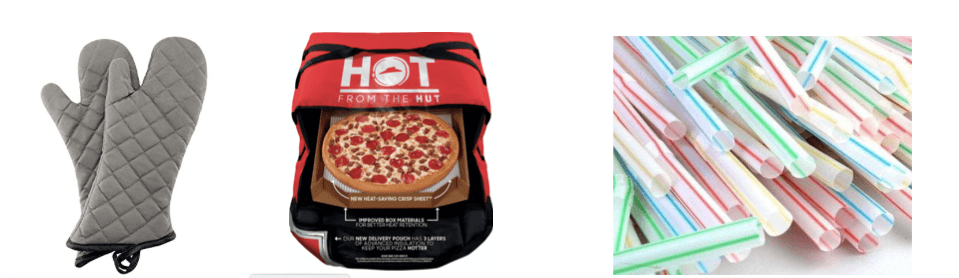
These are examples of

a)

Insulators

b)

Conductors

142.

These are examples of

a)

Conductors

b)

Insulators

143.
An organism that has cells that lack a nucleus are called:
a)
Eukaryote
b)
Heterotroph
c)
Prokaryote
d)
Autotroph
144.
An organism that gets its food by consuming other organisms is known as a:
a)
heterotroph
b)
autotroph
c)
prokaryote
d)
eukaryote
145.
Which characteristics best describes the Plant Kingdom?
a)
unicellular; eukaryote; autotroph
b)
multicellular, prokaryote, autotroph
c)
multicellular, eukaryote, autotroph
d)
unicellular, prokaryote, heterotroph
146.
What type of graph is this?
a)
Line Graph
b)
Pictograph
c)
Bar Graph
d)
Histogram
147.

As a farmer, you will need to hire additional people to help harvest the crops. What month will you need the most help?

a)

February

b)

May

c)

June

d)

March

148.
This step of the scientific method is an educated guess or a prediction. 
a)
Hypothesis
b)
Research
c)
Observation
d)
Conclusion
149.
Which one is an example of Qualitative Data?
a)
25 Pounds
b)
30 Seconds 
c)
2 Meters
d)
Soft
150.
Which is an example of Quantitative Data?
a)
42 grams
b)
Hard
c)
Squishy
d)
Blue
151.
The information you record in an experiment is called your ____________.
a)
data
b)
conclusions
c)
notebook
d)
inquiry
152.

What are the three units of the metric system

a)

ounces, feet, quart

b)

meter, gram, kilogram

c)

pounds, inches, and cups

d)

liter, meter, and gram

153.
Choose the best measurement for mass.
a)
gram
b)
Kilogram
c)
Liter
d)
Meter
154.
How many students take the bus to school?
a)
35
b)
20
c)
10
d)
15
155.
What type of graph is this?
a)
Bar Graph
b)
Line Plot
c)
Pictograph
d)
Tally Chart
156.
How many people have four books in their desks?
a)
2
b)
3
c)
4
d)
5
157.
What type of graph is this?
a)
Bar Graph
b)
Pictograph
c)
Line Plot
d)
Tally Chart
158.
a)
magnifying glass
b)
compass
c)
mirror
d)
tuning fork
159.
a)
beaker
b)
telescope
c)
microscope
d)
spring scale
160.
a)
safety goggles
b)
microscope
c)
hand lens
d)
metric measuring tape
161.
a)
compass
b)
spring scale
c)
mirror
d)
stopwatch
162.

The process of forming cloud is called as ....

a)

evaporation

b)

condensation

c)

sublimation

d)

percipitation

163.

Large frozen blocks of water in the water cycle are __________.

a)

sun

b)

water cycle

c)

glaciers

d)

precipitation

164.

_____________ is when water falls to Earth as rain.

a)

sun

b)

water cycle

c)

glacier

d)

precipitation

165.

The process in which water vapor is released into the atmosphere through plants.

a)

evaporation

b)

transpiration

c)

condensation

d)

precipitation

166.

What part of the water cycle does this picture show?

a)

condensation

b)

precipitation

c)

evaporation

167.

What part of the water cycle does this picture show?

a)

condensation

b)

precipitation

c)

evaporation

168.

How much of our planet is estimated to be covered with water?

a)

10%

b)

25%

c)

50%

d)

75%

169.

What is rainfall that is not absorbed by soil and travels to the ocean?

a)

run-off

b)

transpiration

c)

precipitation

d)

evaporation

170.

When is the best time for water to evaporate?

a)

cold and snowy

b)

wet and raining

c)

hot and dry

d)

all the time

171.

What process is happening in number 6?

a)

transpiration

b)

evaporation

c)

condensation

d)

accumulation

172.

What is number 1 in the diagram?

a)

condensation

b)

evaporation

c)

runoff

d)

precipitation

173.
Plants and trees give out water vapor, through tiny holes in their leaves
a)
Transpiration
b)
Condensation
c)
Precipitation
d)
Infiltration
174.
Water that is beneath earth's surface 
a)
groundwater 
b)
infiltration
c)
runoff
d)
transpiration 
175.
Which represents the distribution of water on Earth?
a)
3% freshwater, 97% salt water
b)
97% freshwater, 3% salt water
c)
71% freshwater, 29% salt water
d)
29% freshwater, 71% salt water
176.

Water underground is stored in ____________.

a)

aquifers

b)

reservoirs

c)

wells

d)

depositories

177.
Most of the Earth's water is in
a)
salty oceans
b)
freshwater lakes
c)
freshwater ponds
d)
glaciers
178.

Approximately _____ percent of Earth's water is freshwater.

a)

97

b)

1

c)

3

d)

10

179.

What is it called when plants release water vapor through their leaves?

a)

sublimation

b)

respiration

c)

transpiration

d)

precipitation

180.

Water that seeps through the soil into the ground is ___.

a)

condensation

b)

evaporation

c)

infiltration

d)

precipitation

181.
When the moon passes between the Earth and Sun, blocking the sunlight.
a)
lunar eclipse
b)
waning moon
c)
solar eclipse
d)
waxing moon
182.
The moon rotation around the Earth lasts about
a)
12 months
b)
365 1/4 days
c)
30 days
d)
15 days
183.
What keeps the Earth in the Solar system?
a)
string
b)
gravity
c)
moon
d)
other planets
184.
When we add an extra day to February once every four years, it is called . . . 
a)
Leap Year
b)
Leap Month
c)
Revolution
d)
Rotation
185.
Why do we have seasons?
a)
The earth's rotation on its axis
b)
The earth's revolution around the sun
c)
The moon's gravity pull on the earth
d)
The Earth's tilt as it revolves around the sun
186.
What causes day and night?
a)
The sun rises and sets
b)
The Earth rotating on its axis
c)
The Earth revolves around the sun
d)
The tilt of the Earth
187.
What two things cause our tides?
a)
the seasons and moon phases
b)
the earths gravity and rotation
c)
Moon's gravity and earth's rotation
d)
moon's gravity and earth's revolution
188.
In a solar eclipse the moon is...
a)
between the sun and earth
b)
directly behind the earth
189.
In a lunar eclipse the moon is...
a)
directly between the sun and earth
b)
behind the earth