
 Worksheets
NY Safe Tractor Operation CDE Practice
Total questions: 96
Worksheet time: 48mins
While pulling a large object, such as a log, where should the chain or cable be attached to the tractor?
wrapped around the axle
through the 3-point hitch arms
around the base of the seat
to the drawbar
The proper use of lights on agricultural equipment while transporting on public roadways would include:
Using field lights at all times
Engaging hazards lights only at dusk
Using field lights at night
Operating hazard lights at all times
When a tractor is not being used in a low clearance situation, the foldable ROPS should be:
Locked in the upright position
Lowered for improved visibility
Folded down to create a lower center of gravity
Removed
What is a basic handling procedure that should be followed when refueling a tractor?
Allow the engine to cool down
Leave equipment unattended
Unscrew fuel cap with bare hand
Fill the tank as full as possible
Of the following activities, which accounts for the largest number of farm fatalities?
Tractor operation
Machinery operation
Livestock handling
Operating vehicles
What is a safety design feature found on modern self-propelled agricultural equipment that is intended to reduce noise and vibration while controlling temperature?
Environmentally-controlled cabs
Sealed bearings
Reversing feed mechanisms
Operating lights
Which of the following is a characteristic of a 540 RPM PTO driveline system?
Rotates faster than a 1000 RPM system
Can rotate at 16.7 revolutions per second
Has six (6) splines on the stub-shaft
Rotates counterclockwise when viewed from the rear of the tractor
Safety chains are used on towed equipment for what purpose?
Prevent runaways if hitch or pins fail
Sole hitching system
Remove stuck implement
Pulling stalled vehicles
Forward and reverse controls should be in the 'Reverse' position before starting a tractor.
TRUE
FALSE
What is the most common type of fatal tractor incident?
being run over
PTO entanglements
tractor overturns
roadway collisions
A Class A fire that could occur on a self-propelled implement might be caused by:
Flammable liquids
Electrical wires
Hydraulic oil
Crop residue
Turning too sharp at high speeds can cause an overturn due to _______.
breaking an axle
centripal force
centrifugal force
gravity
Which of the following would be an acceptable safety device for preventing injuries and property damage during transportation?
Bolt
Hitch pin
Safety hitch pin with pin or latch
Baling wire
The tractor’s PTO master shield is designed to:
completely enclose a rotating PTO shaft
protect the connection of the tractor stub shaft and the front universal joint of the attached machine’s driveline
protect the connection of the driveline to the machine’s gear box
none of the above
This system is used to attach implements to the tractor:
Hydraulic
Hitching
Fuel
Cooling
Which of the following is not a purpose of a ROPS?
protect the operator during overturns
prevent overturns from occurring
limit rollovers to 90°
provide a comfortable working environment for the operator
A system on a tractor that could potentially lead to severe burns would be the:
Cooling system
Operator’s station
Hitching system
Traction system
A plow bolt has:
no head
a round head
a flat head
The first step in starting any tractor is:
turn on the ignition
check the gearshift lever
make certain the area is clear of other people
Warning safety message signs are ________ colored.
Red
Orange
Green
Which would be an advantage of an environmentally-controlled cab on a tractor?
Increased sound level
Increased exposure to dust
Allows greater exposure to UV rays
Protects against extreme temperatures
Many farmers have been killed while by-pass starting their tractor. What is the only safe way to start a tractor?
do not use any metal tools or keys
only start a tractor that is facing up hill
have someone else start your tractor
start a tractor only while sitting in the operator’s seat
Increased mechanization has made farming and ranching:
More labor intensive
Safer
Harder
Less Productive
The safest place for a child to ride while dad is operating the tractor is:
on dad’s lap
standing on the operator’s platform
on the left fender
in the pickup truck with mom.
Which of the following best represents the laws regarding operation of tractors by children?
no person under the age of 16 may operate a tractor without parental consent
children under 16 may operate a tractor on their home farm, but not for someone other than their parents, unless they have completed a tractor operator’s certification course
no child under the age of 14 may operate a tractor in any circumstances
there are no regulations regarding farm work for children
What should you do before operating a tractor?
read the owners manual
do a pre-operational walk around inspection
fasten your seatbelt
all of the above
Which would be an advantage of an environmentally-controlled cab on a tractor?
Increased sound level
Increased exposure to dust
Allows greater exposure to UV rays
Protects against extreme temperatures
Exhaust gases are deadly because they contain:
carbon monoxide
carbon dioxide
methane
Extra riders are _______ permitted on a tractor.
sometimes
never
always
Universal symbols are used on agricultural tractors and machinery to:
Allow different manufacturers to use various symbols
Keep workers with lower reading skills from operating machinery
Reduce confusion when operating different tractors
Use words instead of pictures
A system on a tractor that could potentially lead to severe burns would be the:
Cooling system
Operator’s station
Hitching system
Traction system
A safe method for examining a hydraulic system for leaks would include:
Using hands
Using forearm
Wear eye protection
Wearing a straw hat
The operator's manual for an agricultural tractor contains information regarding:
Cost of the machine
Safety precautions, operating and service procedures
Operator’s height and weight
Name of the person who assembled the engine
34. Rear overturns are the most common type of tractor rollovers.
true
false
Seatbelts should only be worn in tractors equipped with ROPS.
true
false
What would be a step for safely connecting an implement to the three-point hitch of a tractor?
Back quickly
Check for bystanders
Honk the horn
Leave the transmission in gear
Heavy clothing will protect an individual in the event of a PTO entanglement.
true
false
The main reason for color coding primary controls on combines and tractors is to:
Reduce the potential for activating the wrong control
Allow equipment manufacturers variety in labeling controls
Adjust machine function
Make it hard for the operator to recognize controls
An SMV emblem means that the tractor or equipment travels over the road at speeds less than 25 mph.
true
false
All tractors should not be started unless the transmission is in neutral or park.
true
false
Which would be a proper procedure found in the operator's manual for removing a stuck tractor?
Always hitch higher than the drawbar
Try to remove the tractor by yourself
Only hitch to designated hitch points
Use a smaller tractor to remove the stuck tractor
Which system found on a tractor consists of a stub shaft to provide rotational mechanical power?
Hydraulic system
Traction system
Hitching system
Power Take-Off (PTO) system
The radiator is part of the system.
Fuel
Electrical
Hydraulic
What is the name of the device that prevents the fall or collapse of a header or bucket on a self-propelled machine?
Overload clutch
Sealed bearing
Safety-stop (lock)
Electronic monitoring system
The Power Take-Off (PTO) shaft should be disengaged before starting a tractor and the control lever is usually RED in color.
TRUE
FALSE
The splines on a 540 rpm PTO shaft are the same as the splines for a 1000 rpm PTO shaft.
true
false
What would be a step for safely connecting an implement to the three-point hitch of a tractor?
Back quickly
Check for bystanders
Honk the horn
Leave the transmission in gear
Thrown objects would most likely be a hazard associated with which machine:
Hay baler
Rotary mower
Grain auger
This system is used to attach implements to the tractor.
Hydraulic
Hitching
Fuel
Cooling
Steps, hand-holds, and railings are all safety features that reduce injuries if:
Used for mounting and dismounting while facing away from equipment
Used for mounting and dismounting while facing towards the equipment
Covered in debris and clutter
Mounting bolts are missing
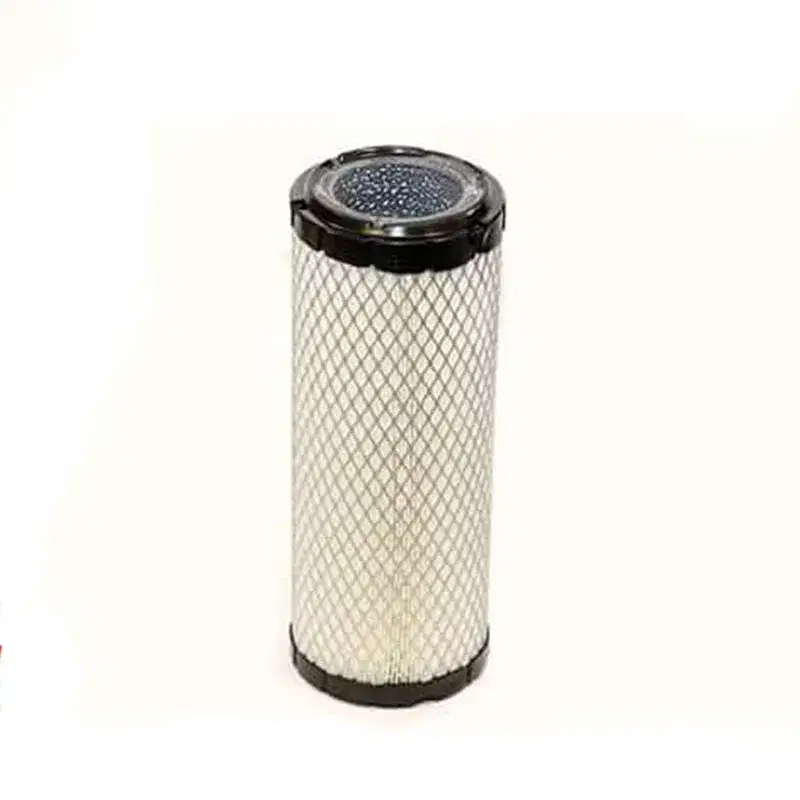
What part is pictured?
Radiator
Carburetor
Engine Oil Drain Plug
Air Filter

What part is pictured?
Alternator
Throttle, Foot
Fuel Tank
Valve Cover

What part is pictured?
Fuel Filter
Connecting Rod
Dipstick, Hydraulic Oil
Amp Meter Gauge / Indicator Light
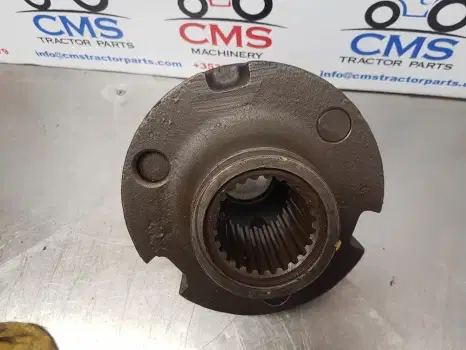
What part is pictured?
Axle Carrier, Rear
Ring Gear
Temperature Gauge / Indicator Light
Flywheel, Engine
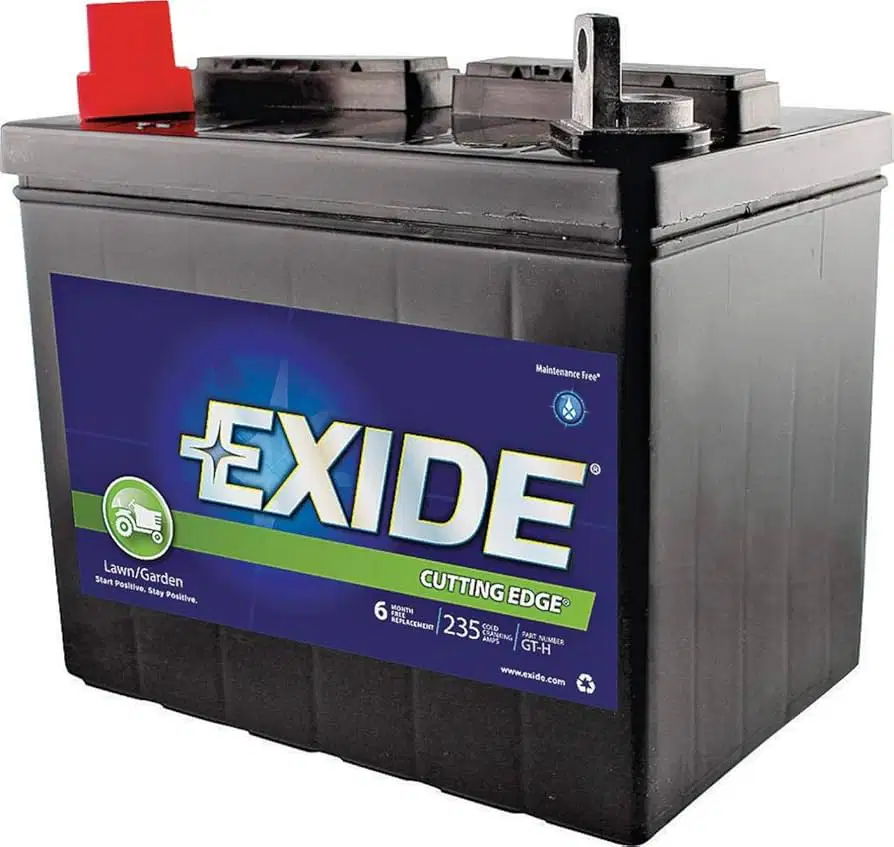
What part is pictured?
Fuel Injector
Battery
Power Steering Cylinder
Throttle Rod

What part is pictured?
Throttle Rod
Power Steering Cylinder
Bearing, Ball
Battery
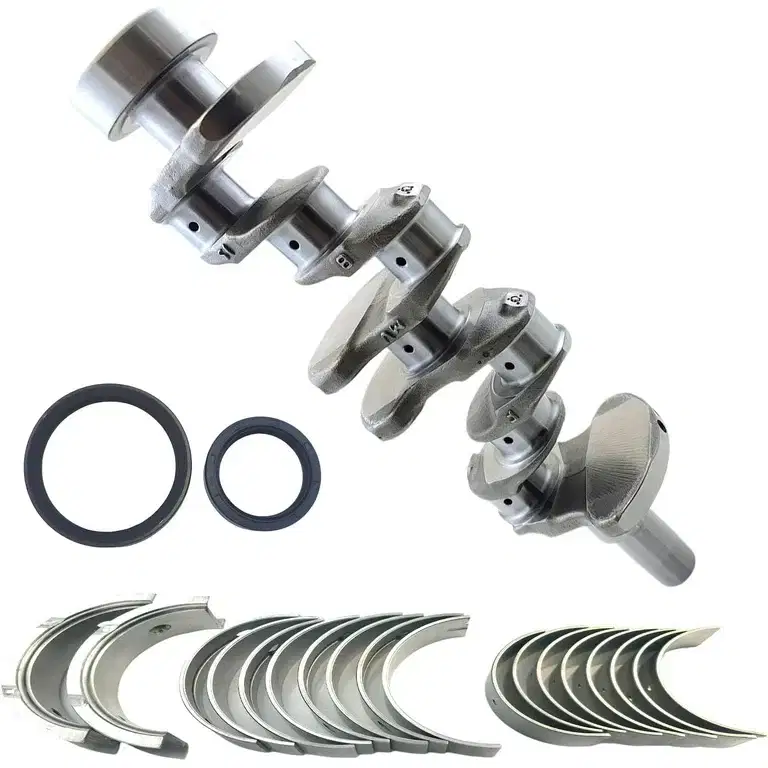
What part is pictured?
Turbo - Intake Compressor
Radiator
Bearing, Crankshaft
Tachometer
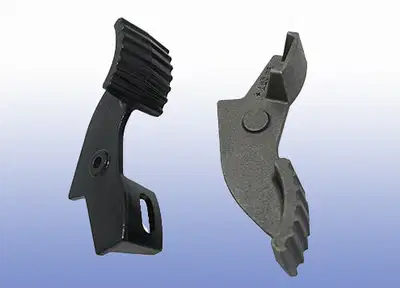
What part is pictured?
Fuel Injector Pump
Amp Meter Gauge / Indicator Light
Three Point Hitch (Upper Link)
Brake Pedal

Which part is pictured?
Throttle Rod
Clutch Disc
Dipstick, Engine Oil
Valve Cover Gasket
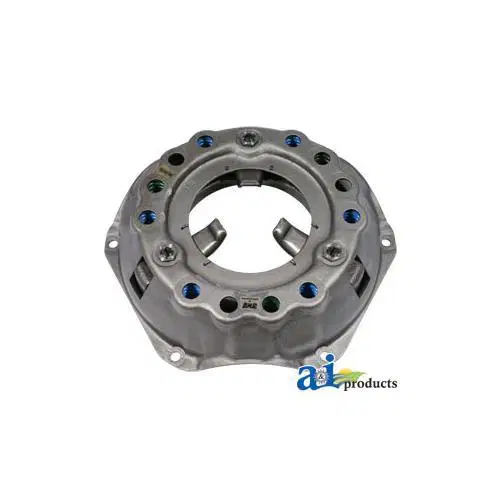
Which part is pictured?
Clutch Pressure Plate
Fuel Injector
Valve Push Rod
Three Point Hitch (Upper Link)

Which part is pictured?
Fuel Filter
Camshaft
PTO
Throttle, Foot

Which part is pictured?
Throttle, Foot
Radiator Cap
Carburetor
Parking Brake

Which part is pictured?
Ring Gear
Hydraulic Filter
Tire Valve System
Connecting Rod

Which part is pictured?
Crankshaft
Brake Pedal
Sway Blocks
Fuel Cap

Which part is pictured?
Clutch Pressure Plate
Turbo Oil Line
Dipstick, Engine Oil
Sway Blocks
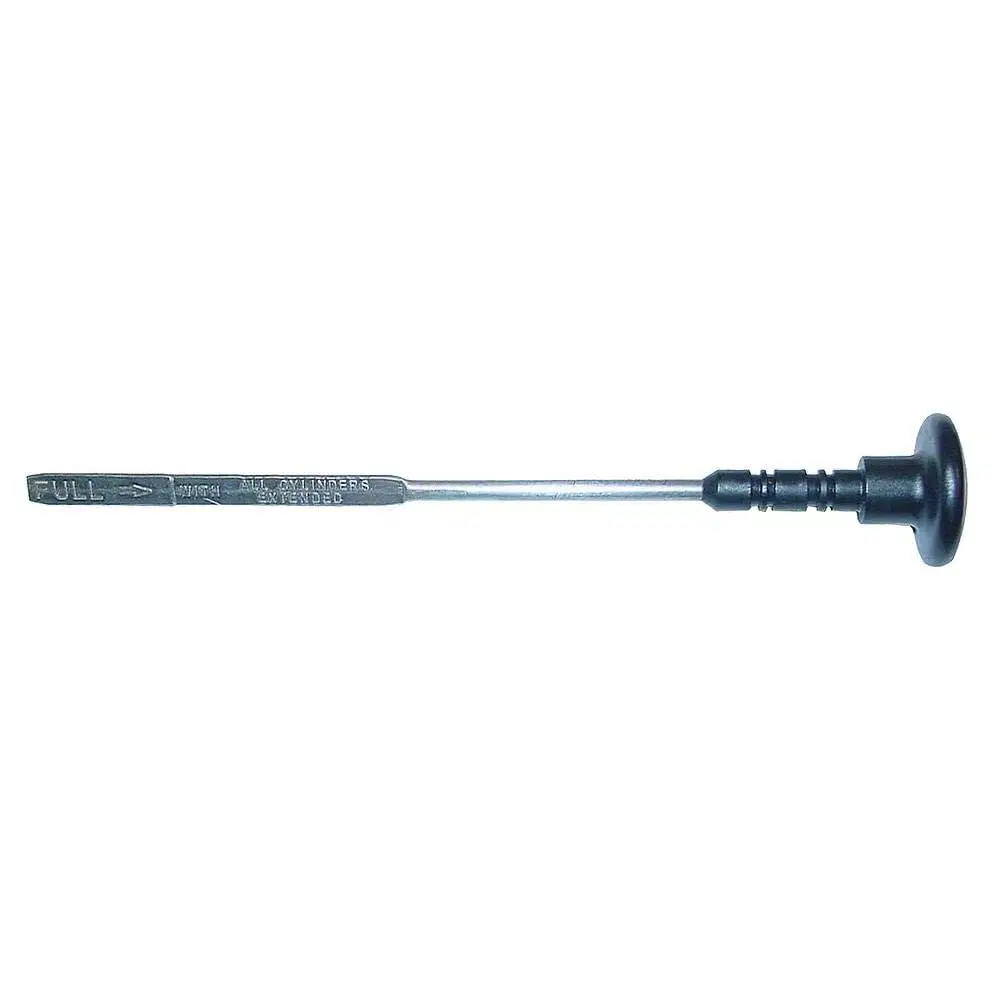
Which part is pictured?
Throttle, Foot
Throttle, Hand
Dipstick, Hydraulic Oil
Valve Spring
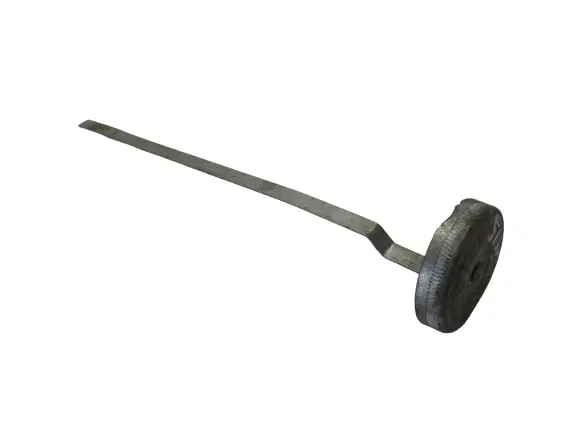
Which part is pictured?
Dipstick, Transmission Oil
Three Point Lift Control
Engine Oil Fill Cap
Engine Oil Drain Plug

Which part is pictured?
Brake Pedal
Drawbar
Valve Cover
Steering Tie Rod

Which part is pictured?
Engine Stop Control
Throttle, Foot
Valve Cover
PTO
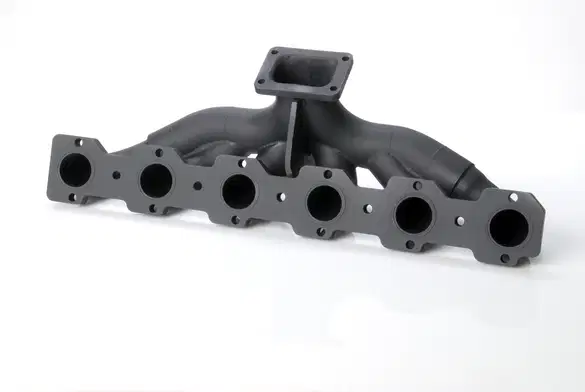
Which part is pictured?
Engine Stop Control
Fuel Tank
Turbo - Exhaust Turbine
Exhaust Manifold

Which part is pictured?
Ring Gear
Fuel Cap
Engine Oil Drain Plug
Weight Carrier
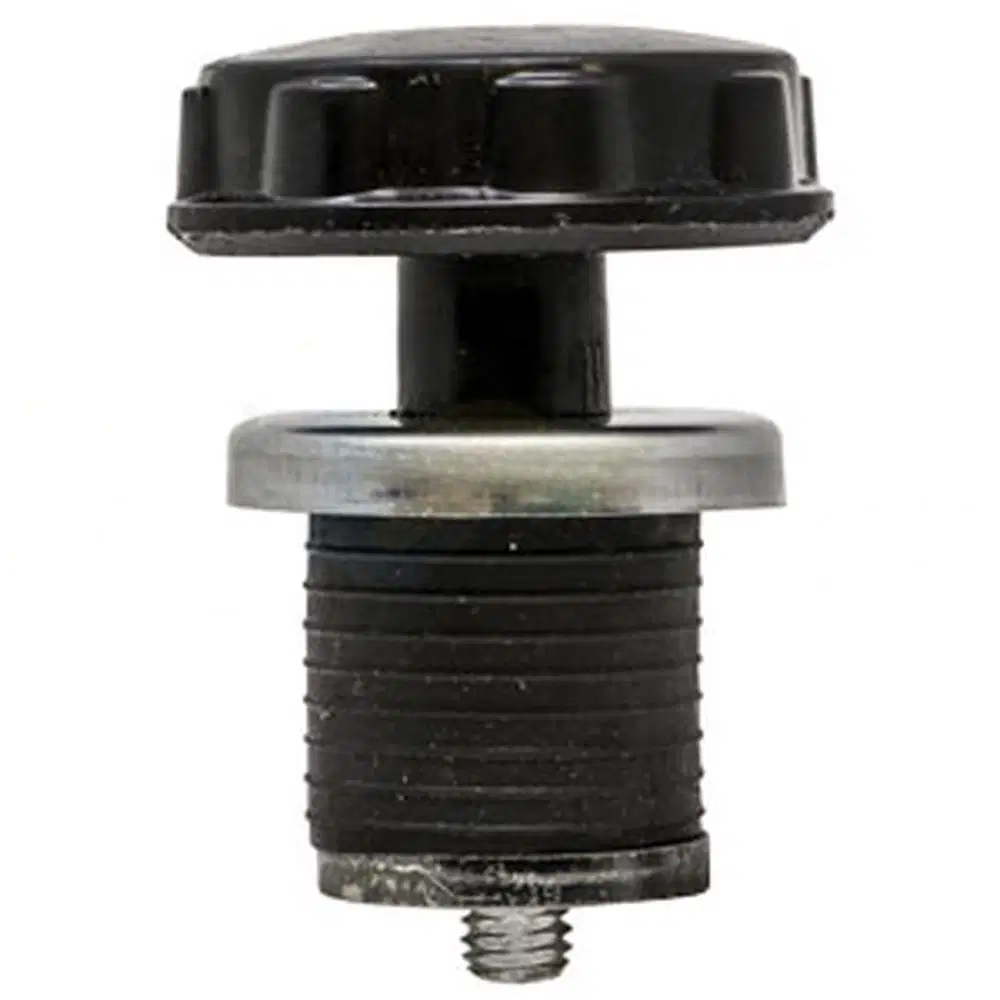
Which part is pictured?
Hydraulic Hose
Engine Oil Fill Cap
Fuel Injector Pump
Hydraulic Valve Control
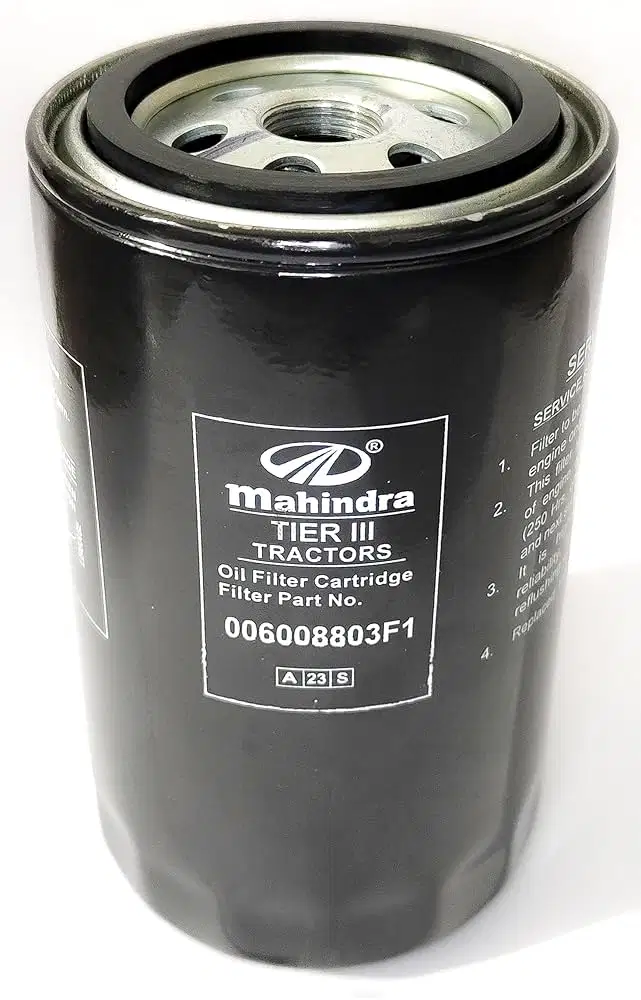
Which part is pictured?
Starter
Engine Oil Filter
Dipstick, Transmission Oil
Fan

Which part is pictured?
Bearing, Ball
Tachometer
Engine Oil Drain Plug
Engine Oil Cooler
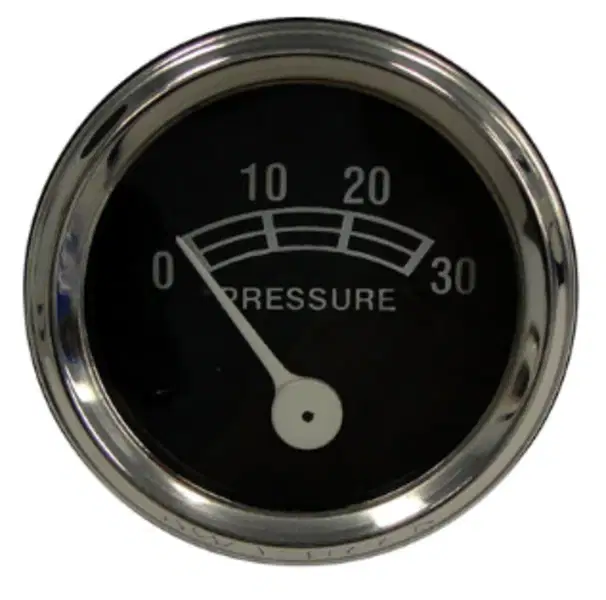
Which part is pictured?
Clutch Disc
Three Point Lift Control
Engine Oil Gauge / Indicator Light
Hydraulic Cooler

Which part is pictured?
Ring Gear
Valve Spring
Fuel Tank
Engine Coolant Hose
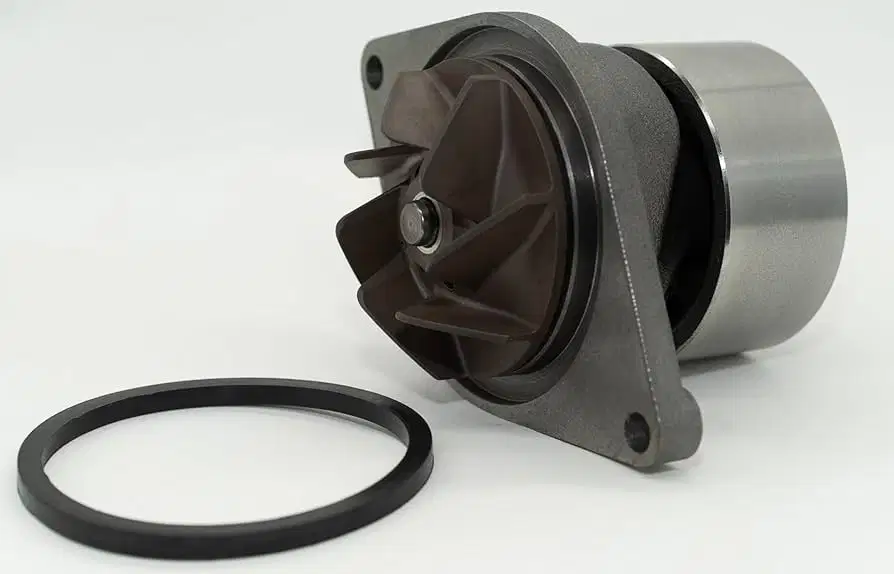
Which part is pictured?
Valve Push Rod
Fuel Injector
Engine Coolant Pump
Weight Carrier
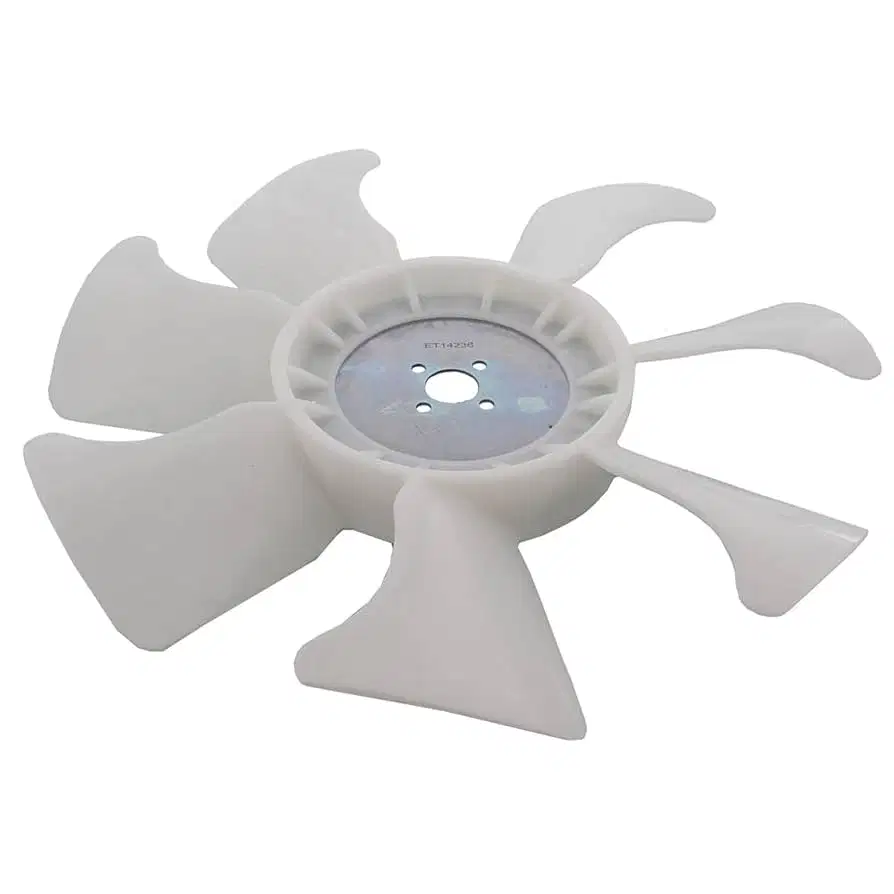
Which part is pictured?
Fan
Tachometer
Crankshaft
Steering Tie Rod

Which part is pictured?
Shifter Fork
Alternator
Throttle, Hand
Fan Belt

Which part is pictured?
Valve Spring
Fuel Cap
Flywheel, Engine
Battery

Which part is pictured?
Turbo - Exhaust Engine
Front Wheel Hub
Shifter Fork
Camshaft

Which part is pictured?
Intake Manifold
Fuel Cap
Head Gasket
Throttle Rod
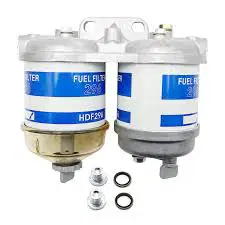
Which part is pictured?
Clutch Pressure Plate
Hydraulic Cooler
Fuel Filter
Piston

Which part is pictured?
Fuel Injector
Parking Brake
Three Point Lift Control
Drawbar

Which part is pictured?
Dipstick, Hydraulic Oil
Lug Nut
Drawbar
Fuel Injector Pump

Which part is pictured?
Battery
Engine Oil Drain Plug
Fuel Tank
Engine Oil Fill Cap

Which part is pictured?
Grease Fitting (Zerk)
Sway Blocks
Carburetor
Parking Brake

Which part is pictured?
Fuel Injector
Head Gasket
Connecting Rod
Tire Valve Stem

Which part is pictured?
Fuel Filter
Throttle Rod
Power Steering Pump
Hydraulic Hose

Which part is pictured?
Battery
Hydraulic Valve Control
Lug Nut
Valve Push Rod

Which part is pictured?
Hydraulic Valve Control
Hydraulic Filter
Valve Push Rod
Bearing, Ball
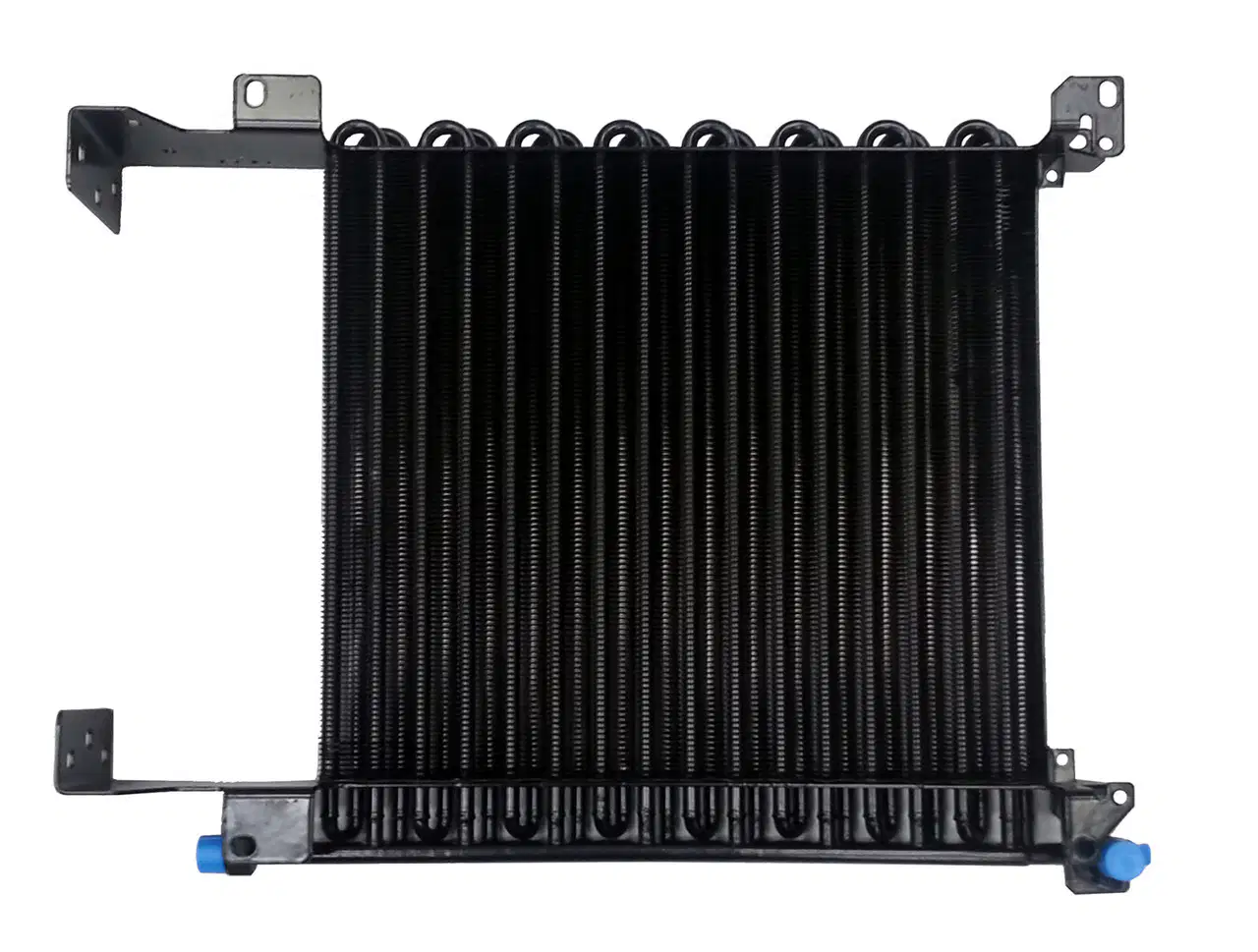
Which part is pictured?
Engine Oil Cooler
Hydraulic Cooler
Grease Fitting (Zerk)
Clutch Pressure Plate

Which part is pictured?
Clutch Pressure Plate
Intake Manifold
Radiator
Engine Oil Fill Cap

Which part is pictured?
Radiator
Lug Nut
Engine Stop Control
PTO
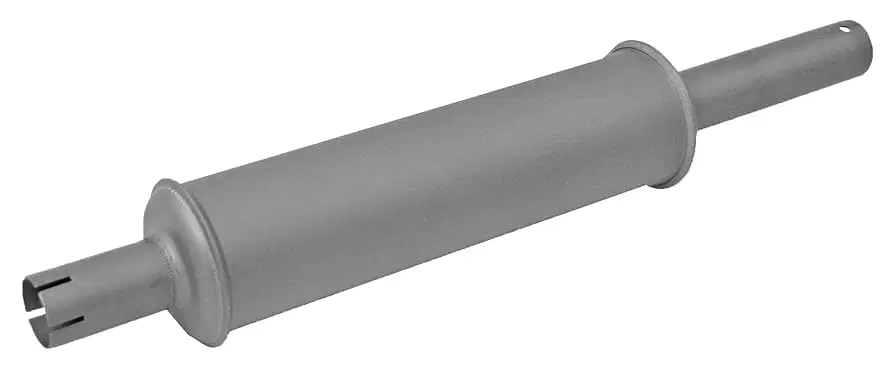
Which part is pictured?
Fan
Muffler
Hydraulic Cooler
Sway Blocks

Which part is pictured?
Fuel Injector
Three Point Lift Arm
Master Cylinder Brake
Air Filter

