
 Worksheets
PA Test 2 Review
Total questions: 23
Worksheet time: 13mins
Acute pain lasts less than____________
1 month
3 months
4 months
6 months
Neuropathic pain is best described as: (Select ALL that apply)
Dull
Intense
Burning
Achy
"Pins and needles"
The Wong-Baker "faces" pain scale primarily used for _______.
adults
children
People who have difficulty using numbers to express their level of pain.
all of the above
Is the statement "Patient has a pulse rate of 104" subjective or objective data?
Subjective
Objective
Subjective data is any information given by the patient.
True
False
Pruritus is the medical term for (a)

cyanosis
clubbing
iron deficiency
low micronutrients

How would the nurse describe a stage 4 pressure ulcer?
The wound reaches the dermis
This stage is visible by redness
This stage is very severe and you can see the patient's bone
This stage is deep and you can see fat tissue
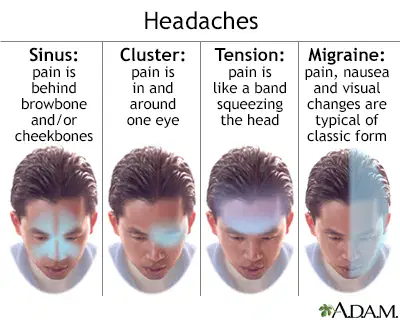
The patient describes her headache as concentrated in one spot around her right eye. The RN understands this to be
Migraine
Sinus
Tension
Cluster
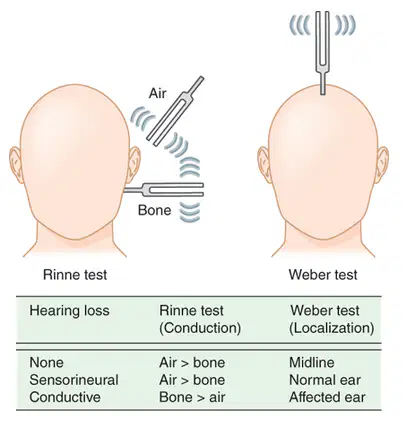
The nurse suspects hearing loss in her client and wants to perform a Rinne test. What is the correct technique for this exam?
Expected findings of a nail assessment
smooth texture, consistent color, no discoloration or separation.
While assessing the 6 cardinal fields of gaze, the nurse notices a persistent and involuntary rhythmical, shaking movement of the client's eyes. Which of the following is the most appropriate for the nurse to document?
Vertigo
Glaucoma can result in blindness
True
False
The nurse is performing an otoscopic examination on an adult client and is unable to visualize the tympanic membrane. Which of the following actions by the nurse is appropriate in this situation?
einsert the otoscope quickly and press against both sides of the inner auditory canal.
Pull the pinna up and back and then reinsert the otoscope.
Pull the pinna down and back and then reinsert the otoscope.
Left and right tonsils should meet at the midline.
True
False
The nurse documents an abnormal finding bruit heard on auscultation during her abdominal exam. which side of the stethoscope did they use?
Bell
Diaphragm
A nurse suspects the client has an infection of the maxillary sinuses. How can this suspicion be confirmed?
Using a flashlight to illuminate the floor of the mouth
Pressing gently with both thumbs into the eyebrow ridges
Applying firm pressure with the thumbs below the cheekbones
Standing behind the client and asking him or her to slowly rotate the head
A goiter found on the neck is associated with...
Hypothyroidism
Hyperthyroidism
Obesity
Allergies
The nurse assesses a client who just experienced a motor vehicle accident. What symptoms does the nurse note that suggest the sympathetic nervous system is activated? SELECT ALL THAT APPLY
Hypertension
Tachycardia
Hypotension
Bradypnea
Decreased bowel sounds
In your assessment of a 62-year-old man you note the following: resting tremor; slow movements; stooped posture; walks with shuffling, short steps; very rigid; flat facial expression; fingers move as if rolling a pill with them. These findings would be consistent with which of the following neurological conditions?
Cerebral palsy
Myasthenia Gravis
Cerebellar ataxia
Parkinson's Disease
The nurse hears in a report that a patient has expressive aphasia. What communication abilities does the nurse anticipate from this patient?
The patient understands speech but is unable to translate ideas into meaningful speech.
The patient can understand speech but has difficulty forming words creating muffled speech.
The patient is unable to comprehend speech and thus does not respond verbally
The patient is emotionally liable and cries easily, which interferes with the ability to communicate.
A client tells the nurse that they are frustrated because their BMI places them in an overweight category. Which of the following responses is the most appropriate to provide the client?
"The BMI can help you set new goals to modify your nutritional intake."
"The BMI should be used with a height and weight-table to establish your category of weight.
"The BMI used alone does not indicate that you are overweight."
An elderly patient is admitted with pneumonia and a fever of 104.5° F. At the time of admission they are confused, disoriented, restless, and tried to slap the nurse who started an intravenous line. His daughter stated, “ Yesterday he was perfectly fine, except for a cold. I can't believe he is acting this way now.” Within a few days, the erratic behavior subsided and his daughter states he is “back to normal.” The nurse recognizes this patient was possibly exhibiting signs of which disorder?
Dementia
Delirium
Anxiety
Frontal lobe injury

