
 Worksheets
Exam 4
Total questions: 47
Worksheet time: 25mins
Naegleria fowleri
come from cysts in feces (fecal-oral transmission) – causes dysentery (bloody
mucoid stools, fever, pain) and even liver abscess
only ciliate that is pathogenic to humans – in tropical areas in the pigs’ intestines –
passes to humans via contaminated food/water – causes diarrhea
causes trichomoniasis – painful vaginal
infection with frothy yellow-green discharge and a bad odor. 2.1% of
U.S. women are infected
found in freshwater ponds, causes rare cases of encephalitis when forced up the
nose
most common intestinal protozoan parasite in U.S. –
causes diarrhea that lasts more than a week! – found in contaminated
streams – resistant to even chlorine, so it must be filtered. Signature
appearance
Entamoeba histolytic
come from cysts in feces (fecal-oral transmission) – causes dysentery (bloody
mucoid stools, fever, pain) and even liver abscess
only ciliate that is pathogenic to humans – in tropical areas in the pigs’ intestines –
passes to humans via contaminated food/water – causes diarrhea
causes trichomoniasis – painful vaginal
infection with frothy yellow-green discharge and a bad odor. 2.1% of
U.S. women are infected
found in freshwater ponds, causes rare cases of encephalitis when forced up the
nose
most common intestinal protozoan parasite in U.S. –
causes diarrhea that lasts more than a week! – found in contaminated
streams – resistant to even chlorine, so it must be filtered. Signature
appearance
Balantidium coli
come from cysts in feces (fecal-oral transmission) – causes dysentery (bloody
mucoid stools, fever, pain) and even liver abscess
only ciliate that is pathogenic to humans – in tropical areas in the pigs’ intestines –
passes to humans via contaminated food/water – causes diarrhea
causes trichomoniasis – painful vaginal
infection with frothy yellow-green discharge and a bad odor. 2.1% of
U.S. women are infected
found in freshwater ponds, causes rare cases of encephalitis when forced up the
nose
most common intestinal protozoan parasite in U.S. –
causes diarrhea that lasts more than a week! – found in contaminated
streams – resistant to even chlorine, so it must be filtered. Signature
appearance
Giardia lamblia
come from cysts in feces (fecal-oral transmission) – causes dysentery (bloody
mucoid stools, fever, pain) and even liver abscess
only ciliate that is pathogenic to humans – in tropical areas in the pigs’ intestines –
passes to humans via contaminated food/water – causes diarrhea
causes trichomoniasis – painful vaginal
infection with frothy yellow-green discharge and a bad odor. 2.1% of
U.S. women are infected
found in freshwater ponds, causes rare cases of encephalitis when forced up the
nose
most common intestinal protozoan parasite in U.S. –
causes diarrhea that lasts more than a week! – found in contaminated
streams – resistant to even chlorine, so it must be filtered. Signature
appearance
Trichomonas vaginalis
come from cysts in feces (fecal-oral transmission) – causes dysentery (bloody
mucoid stools, fever, pain) and even liver abscess
only ciliate that is pathogenic to humans – in tropical areas in the pigs’ intestines –
passes to humans via contaminated food/water – causes diarrhea
causes trichomoniasis – painful vaginal
infection with frothy yellow-green discharge and a bad odor. 2.1% of
U.S. women are infected
found in freshwater ponds, causes rare cases of encephalitis when forced up the
nose
most common intestinal protozoan parasite in U.S. –
causes diarrhea that lasts more than a week! – found in contaminated
streams – resistant to even chlorine, so it must be filtered. Signature
appearance
Trypanosoma brucei
causes “Chagas’ disease”. Mostly occur in Rural Latin America, spread by the
Kissing bug (reduviid bug). Insect bites and defecates on skin; scratching allows the microbe to enter
the body. Spreads to organs, if not treated can be fatal
cause malaria = transmitted by mosquito (Anopheles). Enters blood, goes to liver,
multiples, gets into blood, infects RBCs, multiples inside them, lyses, releases more parasites. This
causes anemia and enlarged spleen due to destroyed RBCs. Clogs from damages cells halt blood supply
to vital organs.
Giardia lamblia
Eating rare meat that contains cysts, or cat feces contaminating food. Usually only
an issue for immunosuppressed patients or pregnant women handling cat litter (it can kill an embryo).
causes skin lesions, transmitted by Sand Flies (Phlebotomus)
causes African sleeping sickness, a form a
encephalitis – spread by tsetse fly bite
Trypanosoma cruzi
causes “Chagas’ disease”. Mostly occur in Rural Latin America, spread by the
Kissing bug (reduviid bug). Insect bites and defecates on skin; scratching allows the microbe to enter
the body. Spreads to organs, if not treated can be fatal
cause malaria = transmitted by mosquito (Anopheles). Enters blood, goes to liver,
multiples, gets into blood, infects RBCs, multiples inside them, lyses, releases more parasites. This
causes anemia and enlarged spleen due to destroyed RBCs. Clogs from damages cells halt blood supply
to vital organs.
Giardia lamblia
Eating rare meat that contains cysts, or cat feces contaminating food. Usually only
an issue for immunosuppressed patients or pregnant women handling cat litter (it can kill an embryo).
causes skin lesions, transmitted by Sand Flies (Phlebotomus)
causes African sleeping sickness, a form a
encephalitis – spread by tsetse fly bite
Leishmania donovani
causes “Chagas’ disease”. Mostly occur in Rural Latin America, spread by the
Kissing bug (reduviid bug). Insect bites and defecates on skin; scratching allows the microbe to enter
the body. Spreads to organs, if not treated can be fatal
cause malaria = transmitted by mosquito (Anopheles). Enters blood, goes to liver,
multiples, gets into blood, infects RBCs, multiples inside them, lyses, releases more parasites. This
causes anemia and enlarged spleen due to destroyed RBCs. Clogs from damages cells halt blood supply
to vital organs.
Giardia lamblia
Eating rare meat that contains cysts, or cat feces contaminating food. Usually only
an issue for immunosuppressed patients or pregnant women handling cat litter (it can kill an embryo).
causes skin lesions, transmitted by Sand Flies (Phlebotomus)
causes African sleeping sickness, a form a
encephalitis – spread by tsetse fly bite
Plasmodium
causes “Chagas’ disease”. Mostly occur in Rural Latin America, spread by the
Kissing bug (reduviid bug). Insect bites and defecates on skin; scratching allows the microbe to enter
the body. Spreads to organs, if not treated can be fatal
cause malaria = transmitted by mosquito (Anopheles). Enters blood, goes to liver,
multiples, gets into blood, infects RBCs, multiples inside them, lyses, releases more parasites. This
causes anemia and enlarged spleen due to destroyed RBCs. Clogs from damages cells halt blood supply
to vital organs.
Giardia lamblia
Eating rare meat that contains cysts, or cat feces contaminating food. Usually only
an issue for immunosuppressed patients or pregnant women handling cat litter (it can kill an embryo).
causes skin lesions, transmitted by Sand Flies (Phlebotomus)
causes African sleeping sickness, a form a
encephalitis – spread by tsetse fly bite
Toxoplasma gondii
causes “Chagas’ disease”. Mostly occur in Rural Latin America, spread by the
Kissing bug (reduviid bug). Insect bites and defecates on skin; scratching allows the microbe to enter
the body. Spreads to organs, if not treated can be fatal
cause malaria = transmitted by mosquito (Anopheles). Enters blood, goes to liver,
multiples, gets into blood, infects RBCs, multiples inside them, lyses, releases more parasites. This
causes anemia and enlarged spleen due to destroyed RBCs. Clogs from damages cells halt blood supply
to vital organs.
Giardia lamblia
Eating rare meat that contains cysts, or cat feces contaminating food. Usually only
an issue for immunosuppressed patients or pregnant women handling cat litter (it can kill an embryo).
causes skin lesions, transmitted by Sand Flies (Phlebotomus)
causes African sleeping sickness, a form a
encephalitis – spread by tsetse fly bite
Cryptosporidium
causes “Chagas’ disease”. Mostly occur in Rural Latin America, spread by the
Kissing bug (reduviid bug). Insect bites and defecates on skin; scratching allows the microbe to enter
the body. Spreads to organs, if not treated can be fatal
causes watery diarrhea. Found in water contaminated with feces. Self-limiting
(resolves on its own without medical treatment) unless in an immunosuppressed patient
Eating rare meat that contains cysts, or cat feces contaminating food. Usually only
an issue for immunosuppressed patients or pregnant women handling cat litter (it can kill an embryo).
causes skin lesions, transmitted by Sand Flies (Phlebotomus)
causes African sleeping sickness, a form a
encephalitis – spread by tsetse fly bite
Mite
Elephantitis (or lymphatic filariasis) – infects/blocks lymphatic system and
causes extreme lymphedema whose damage is mostly irreversible.
worms in cysts within muscles of infected organisms, spread by eating infected
meat. Digestion breaks cysts down and releases the larvae into the small intestines to mature
causes Scabies – burrows under skin, creates slightly elevated serpentine lines, intense itching
(common in nursing homes)
head, body, and pubic lice (infections are called Pediculosis) – intense itching
Eggs are transmitted via feces of infected individuals. Larvae hatch in intestine
after they are consumed, enter bloodstream, and migrate to lungs where they are coughed up and re-
swallowed, causing the ongoing infection.
Lice
Elephantitis (or lymphatic filariasis) – infects/blocks lymphatic system and
causes extreme lymphedema whose damage is mostly irreversible.
worms in cysts within muscles of infected organisms, spread by eating infected
meat. Digestion breaks cysts down and releases the larvae into the small intestines to mature
causes Scabies – burrows under skin, creates slightly elevated serpentine lines, intense itching
(common in nursing homes)
head, body, and pubic lice (infections are called Pediculosis) – intense itching
Eggs are transmitted via feces of infected individuals. Larvae hatch in intestine
after they are consumed, enter bloodstream, and migrate to lungs where they are coughed up and re-
swallowed, causing the ongoing infection.
Wuchereria bancrofti
Elephantitis (or lymphatic filariasis) – infects/blocks lymphatic system and
causes extreme lymphedema whose damage is mostly irreversible.
worms in cysts within muscles of infected organisms, spread by eating infected
meat. Digestion breaks cysts down and releases the larvae into the small intestines to mature
causes Scabies – burrows under skin, creates slightly elevated serpentine lines, intense itching
(common in nursing homes)
head, body, and pubic lice (infections are called Pediculosis) – intense itching
Eggs are transmitted via feces of infected individuals. Larvae hatch in intestine
after they are consumed, enter bloodstream, and migrate to lungs where they are coughed up and re-
swallowed, causing the ongoing infection.
Trichinella spiralis
Elephantitis (or lymphatic filariasis) – infects/blocks lymphatic system and
causes extreme lymphedema whose damage is mostly irreversible.
worms in cysts within muscles of infected organisms, spread by eating infected
meat. Digestion breaks cysts down and releases the larvae into the small intestines to mature
causes Scabies – burrows under skin, creates slightly elevated serpentine lines, intense itching
(common in nursing homes)
head, body, and pubic lice (infections are called Pediculosis) – intense itching
Eggs are transmitted via feces of infected individuals. Larvae hatch in intestine
after they are consumed, enter bloodstream, and migrate to lungs where they are coughed up and re-
swallowed, causing the ongoing infection.
Ascaris lumbricoides
Elephantitis (or lymphatic filariasis) – infects/blocks lymphatic system and
causes extreme lymphedema whose damage is mostly irreversible.
worms in cysts within muscles of infected organisms, spread by eating infected
meat. Digestion breaks cysts down and releases the larvae into the small intestines to mature
causes Scabies – burrows under skin, creates slightly elevated serpentine lines, intense itching
(common in nursing homes)
head, body, and pubic lice (infections are called Pediculosis) – intense itching
Eggs are transmitted via feces of infected individuals. Larvae hatch in intestine
after they are consumed, enter bloodstream, and migrate to lungs where they are coughed up and re-
swallowed, causing the ongoing infection.
Necator americanus
beef tapeworm
the hookworm. Burrows into the skin, causes the “ground itch” rash
blood flukes, a flatworm (Platyhelminthes) Snails are the primary host. Larvae
penetrate skin of a human when they come in contact with contaminated water. Adult worms love the
intestines, blood, and the bladder
swimmer’s itch spread in lakes of the Northern U.S. (only a cutaneous allergic reaction)
tapeworm that is found in pike, trout, perch, and salmon. Infected through
consumption of raw fish (sushi or sashimi)
Diphyllobothrium latum
beef tapeworm
the hookworm. Burrows into the skin, causes the “ground itch” rash
blood flukes, a flatworm (Platyhelminthes) Snails are the primary host. Larvae
penetrate skin of a human when they come in contact with contaminated water. Adult worms love the
intestines, blood, and the bladder
swimmer’s itch spread in lakes of the Northern U.S. (only a cutaneous allergic reaction)
tapeworm that is found in pike, trout, perch, and salmon. Infected through
consumption of raw fish (sushi or sashimi)
Taenia saginata
beef tapeworm
the hookworm. Burrows into the skin, causes the “ground itch” rash
blood flukes, a flatworm (Platyhelminthes) Snails are the primary host. Larvae
penetrate skin of a human when they come in contact with contaminated water. Adult worms love the
intestines, blood, and the bladder
swimmer’s itch spread in lakes of the Northern U.S. (only a cutaneous allergic reaction)
tapeworm that is found in pike, trout, perch, and salmon. Infected through
consumption of raw fish (sushi or sashimi)
Cercariae
beef tapeworm
the hookworm. Burrows into the skin, causes the “ground itch” rash
blood flukes, a flatworm (Platyhelminthes) Snails are the primary host. Larvae
penetrate skin of a human when they come in contact with contaminated water. Adult worms love the
intestines, blood, and the bladder
swimmer’s itch spread in lakes of the Northern U.S. (only a cutaneous allergic reaction)
tapeworm that is found in pike, trout, perch, and salmon. Infected through
consumption of raw fish (sushi or sashimi)
Schistosoma mansoni
beef tapeworm
the hookworm. Burrows into the skin, causes the “ground itch” rash
blood flukes, a flatworm (Platyhelminthes) Snails are the primary host. Larvae
penetrate skin of a human when they come in contact with contaminated water. Adult worms love the
intestines, blood, and the bladder
swimmer’s itch spread in lakes of the Northern U.S. (only a cutaneous allergic reaction)
tapeworm that is found in pike, trout, perch, and salmon. Infected through
consumption of raw fish (sushi or sashimi)
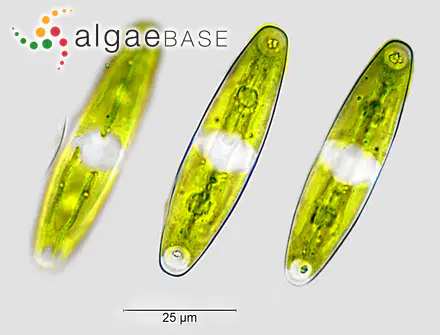
Navicula
algae
protozoan
bacterium
Fungi
Amoeba
algae
protozoan
bacterium
Fungi
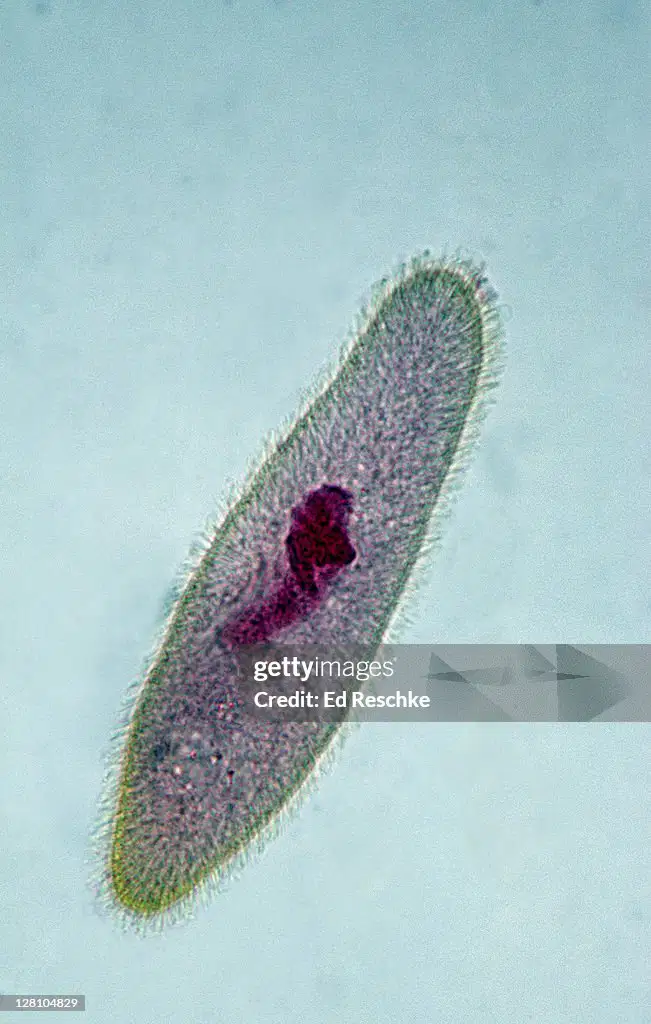
Paramecium
algae
protozoan
bacterium
Fungi

Saccharomyces
algae
protozoan
bacterium
Fungi
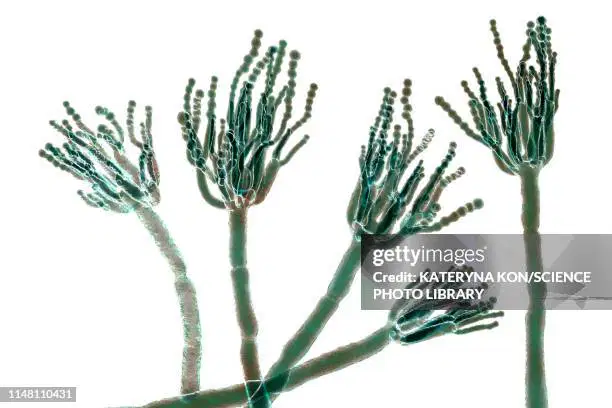
Penicillium
algae
protozoan
bacterium
Fungi
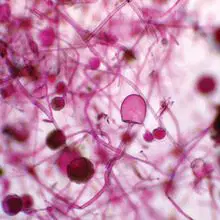
Rhizopus
algae
protozoan
bacterium
Fungi
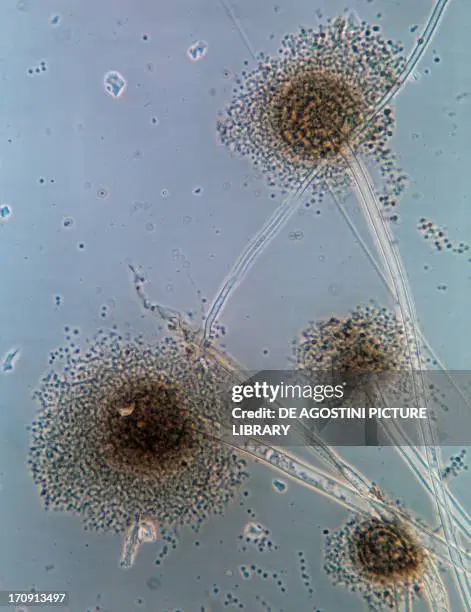
Aspergillus
algae
protozoan
bacterium
Fungi
Bacillus
algae
protozoan
bacterium
Fungi
Coccus
algae
protozoan
bacterium
Fungi
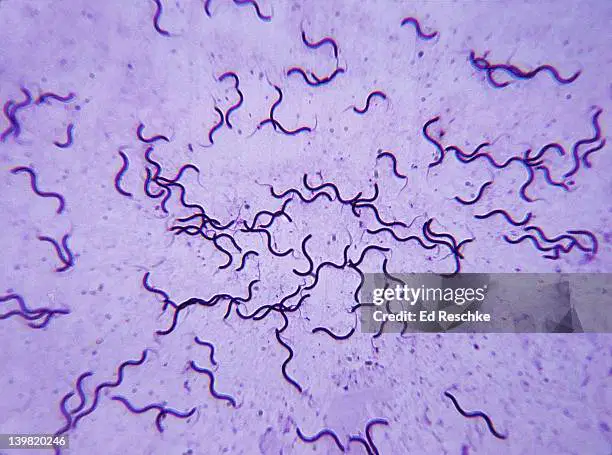
Spirillum
algae
protozoan
bacterium
Fungi
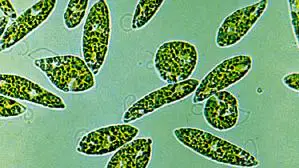
Euglena
algae
protozoan
bacterium
Fungi
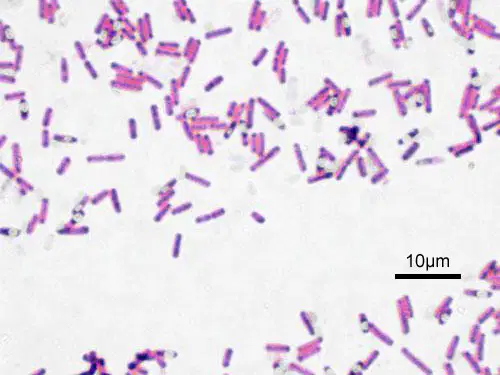
Bacillus
algae
protozoan
bacterium
Fungi
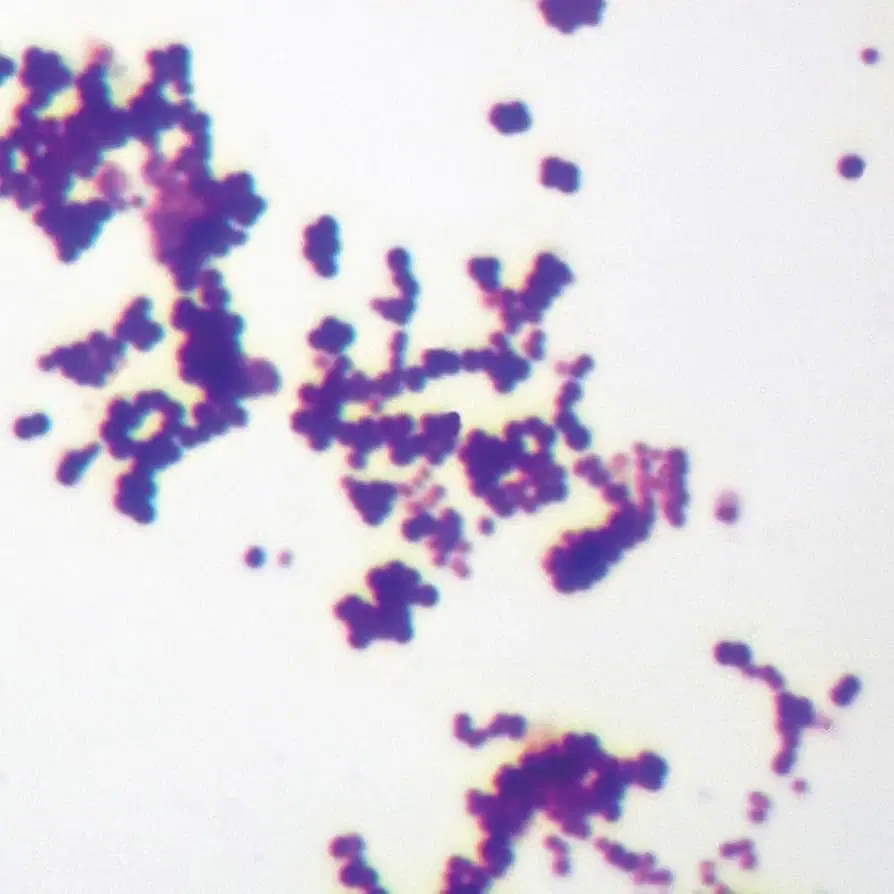
Coccus
algae
protozoan
bacterium
Fungi
SImple staining
nigrosin
nigrosin
Positive Staining
methylene blue, malachite green, safranin, crystal violet
methylene blue, malachite green, safranin, crystal violet
gram staining
Red-pink neg
Blue-purple pos
Acid fast
non acid fast BLUE
Acid fast PINK
Acid Fast Staining
Ziehl-Neelson
Schaeffer-Fulton
Endo spore staining
Ziehl-Neelson
Schaeffer-Fulton

What is this
Sheep Liver Fluke
Fasciola hepatica
Blood Fluke
Schistosoma mansoni
Tapeworm (Dipylidium canium)
Specimen
Roundworm
Ascaris lumbricoides
Tapeworm (Dipylidium canium)
Slides

What is this
Sheep Liver Fluke
Fasciola hepatica
Blood Fluke
Schistosoma mansoni
Tapeworm (Dipylidium canium)
Specimen
Roundworm
Ascaris lumbricoides
Tapeworm (Dipylidium canium)
Slides
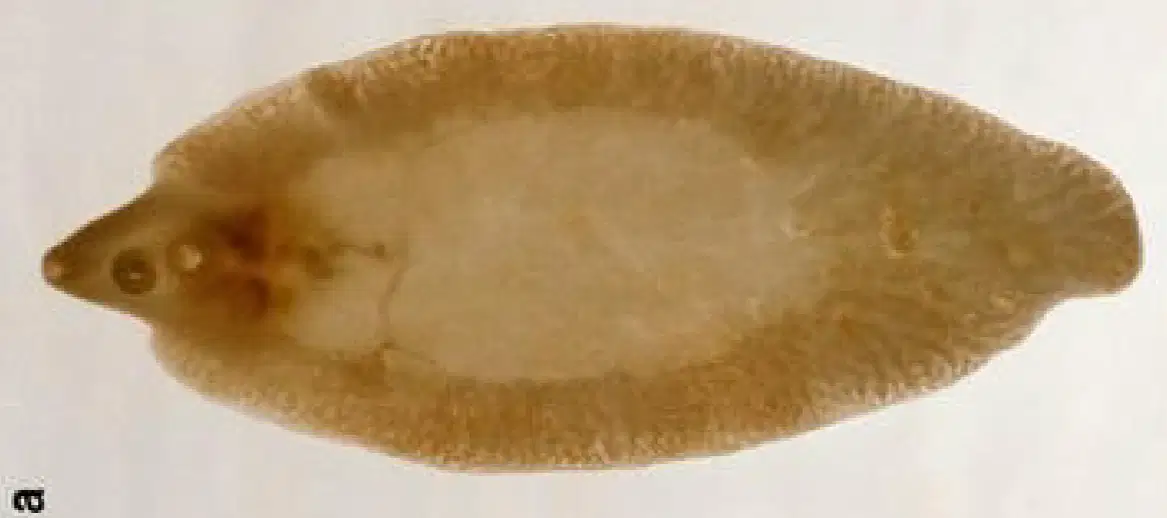
What is this
Sheep Liver Fluke
Fasciola hepatica
Blood Fluke
Schistosoma mansoni
Tapeworm (Dipylidium canium)
Specimen
Roundworm
Ascaris lumbricoides
Tapeworm (Dipylidium canium)
Slides

What is this
Sheep Liver Fluke
Fasciola hepatica
Blood Fluke
Schistosoma mansoni
Tapeworm (Dipylidium canium)
Specimen
Roundworm
Ascaris lumbricoides
Tapeworm (Dipylidium canium)
Slides

What is this
Hookworm
Ancylostoma canium
Blood Fluke
Schistosoma mansoni
Trichinella Worm
Trichinella spiralis
Heartworm Larva
Dirofilaria immitis
Tapeworm (Dipylidium canium)
Slides

What is this
Hookworm
Ancylostoma canium
Blood Fluke
Schistosoma mansoni
Trichinella Worm
Trichinella spiralis
Heartworm Larva
Dirofilaria immitis
Tapeworm (Dipylidium canium)
Slides
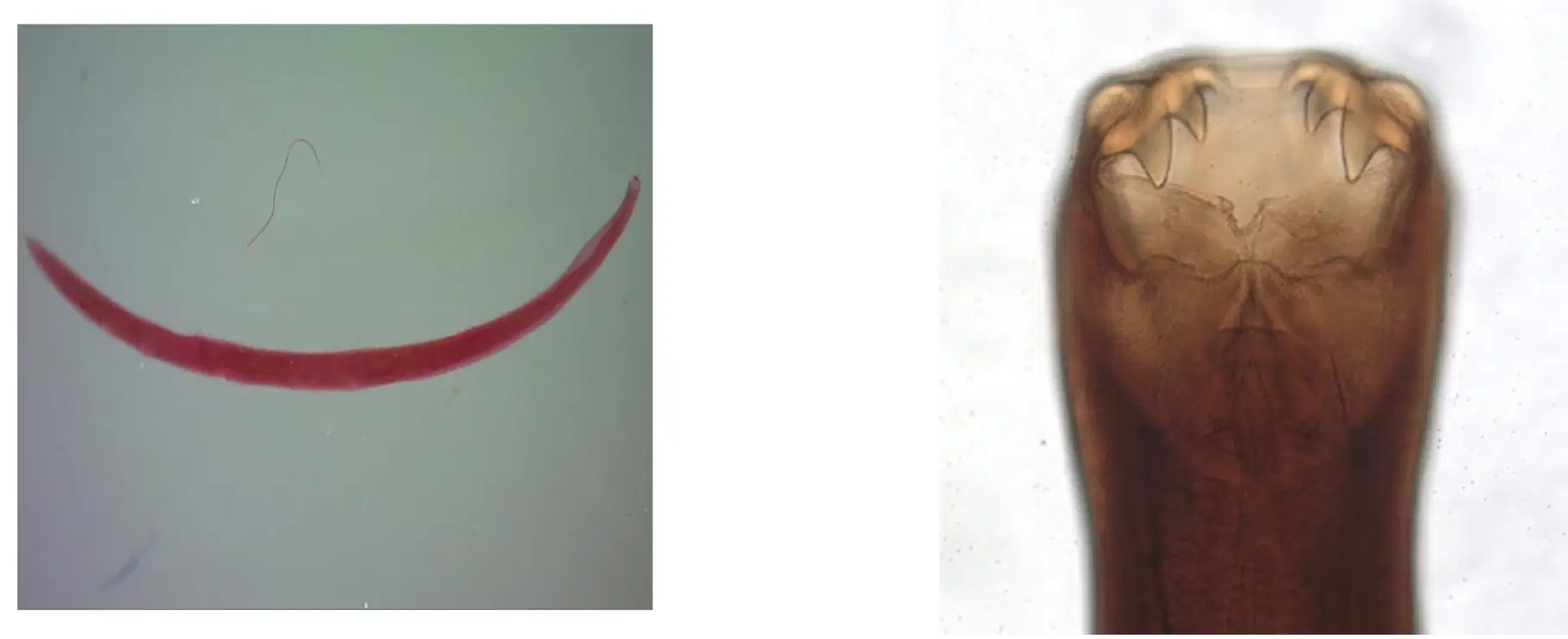
What is this
Hookworm
Ancylostoma canium
Blood Fluke
Schistosoma mansoni
Trichinella Worm
Trichinella spiralis
Heartworm Larva
Dirofilaria immitis
Tapeworm (Dipylidium canium)
Slides

