
 Worksheets
T1W7
Total questions: 35
Worksheet time: 18mins
Name
Class
Date
1.
An individual form of life that has a body made up of organs, organelles, or other parts that work together to carry on the various processes of life
a)
Patterns
b)
Cause and effect relationship
c)
Scale
d)
System
e)
Organism
2.
A type of relationship between two or more variables or phenomena whereby the one variable or event leads to a predictable response
a)
Patterns
b)
Cause and effect relationship
c)
Scale
d)
System
e)
Organism
3.

A ratio between two sets of measurements.
a)
Patterns
b)
Cause and effect relationship
c)
Scale
d)
System
e)
Organism
4.
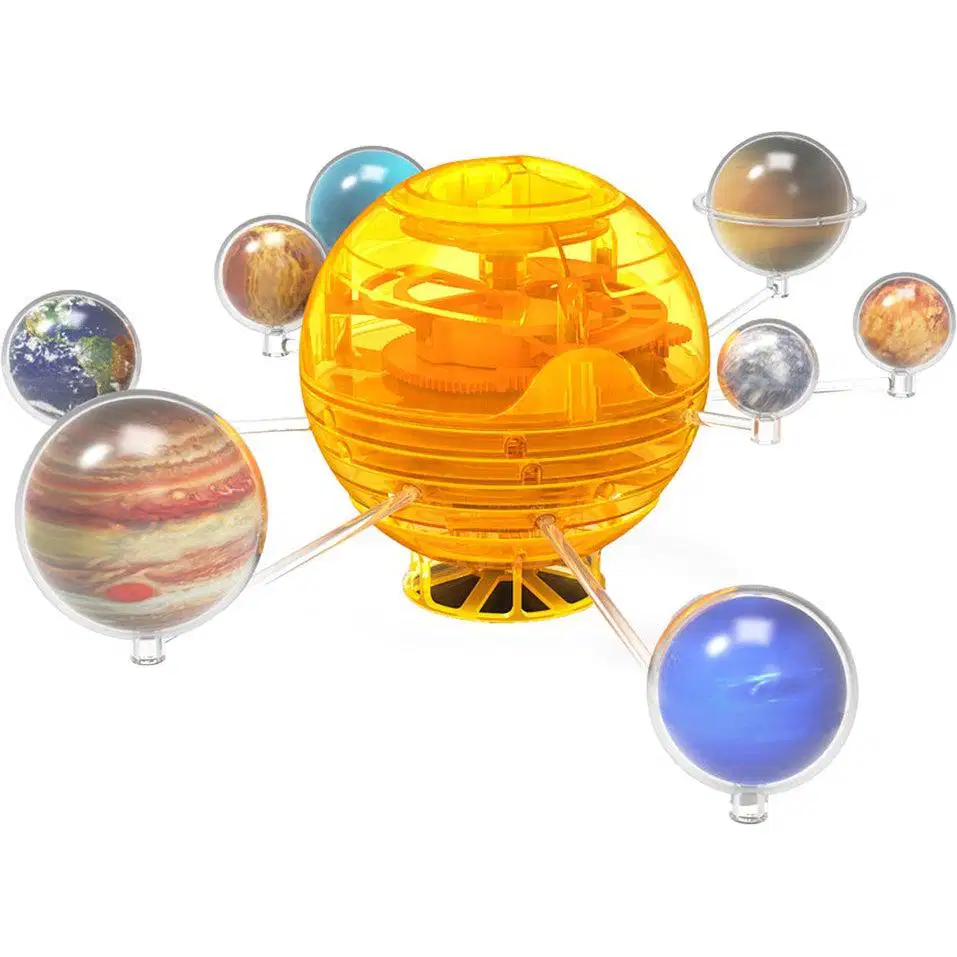
Regularly interacting or interdependent group of items forming a unified whole.
a)
Patterns
b)
Cause and effect relationship
c)
Scale
d)
System
e)
Organism
5.
Regular sequences that can be found throughout nature
a)
Patterns
b)
Cause and effect relationship
c)
Scale
d)
System
e)
Organism
6.
Something arranged in a definite pattern of organization.
a)
Structure
b)
Compound
c)
Element
d)
Heterogeneous Mixture
e)
Homogeneous Mixture
7.

A pure substance that is made up of two or more different elements in a specific ratio.
a)
Structure
b)
Compound
c)
Element
d)
Heterogeneous Mixture
e)
Homogeneous Mixture
8.

A material which consists of multiple different substances that are not evenly distributed.
a)
Structure
b)
Compound
c)
Element
d)
Heterogeneous Mixture
e)
Homogeneous Mixture
9.
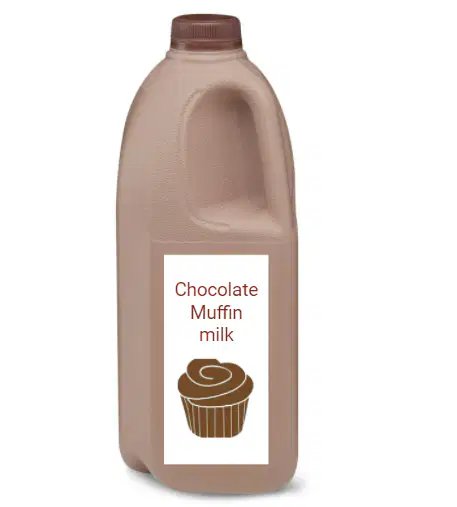
A material which consists of multiple different substances that are evenly distributed.
a)
Structure
b)
Compound
c)
Element
d)
Heterogeneous Mixture
e)
Homogeneous Mixture
10.
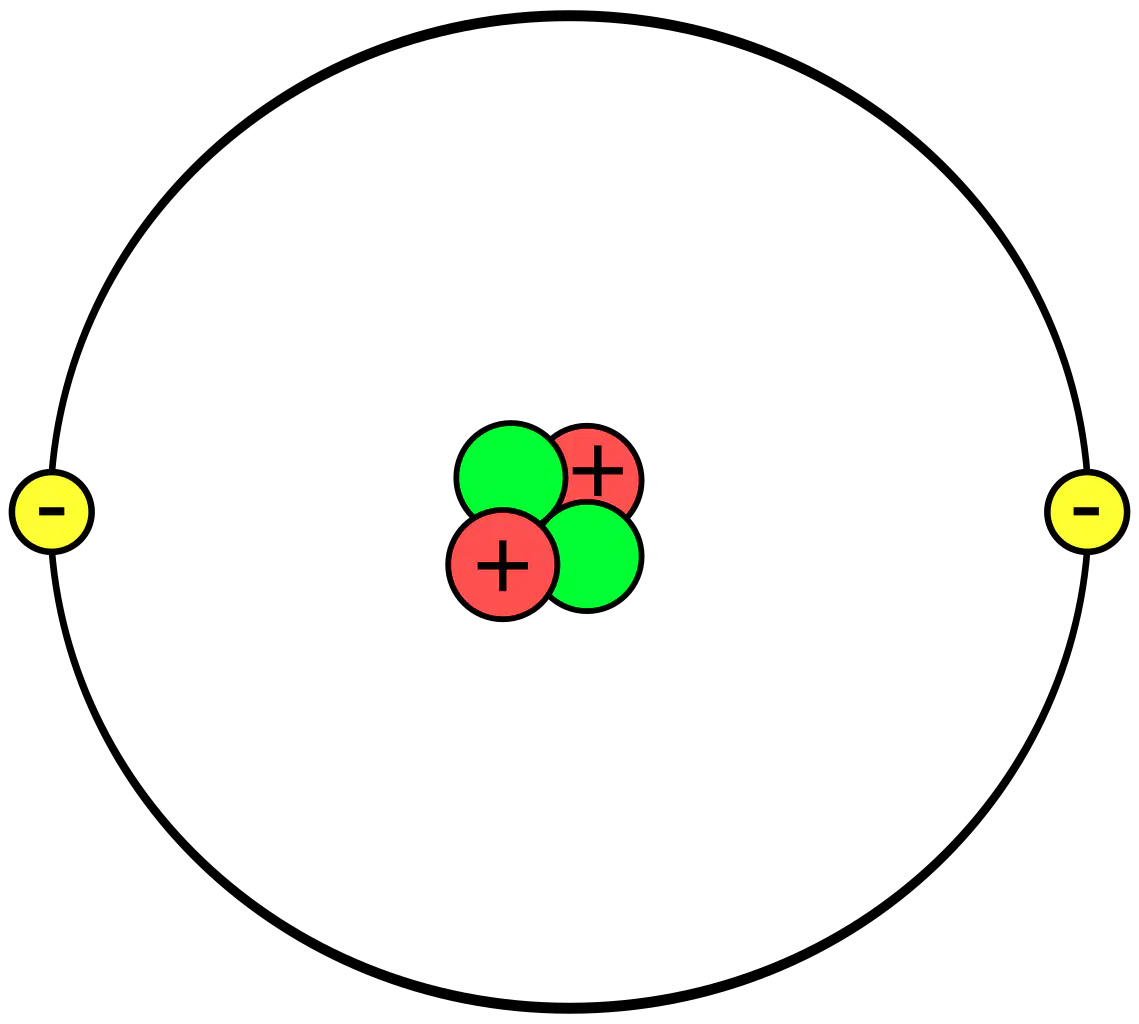
The smallest particle of matter that has distinct physical and chemical properties; consists of a nucleus which contains protons and neutrons and an electron cloud which contains electrons.
a)
Atom
b)
Chemical reaction
c)
Adhesion
d)
Cohesion
e)
Surface tension
11.
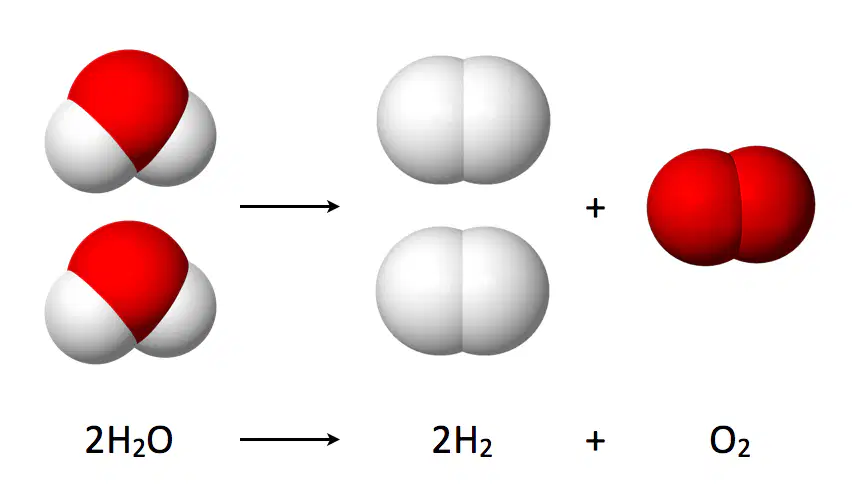
A chemical change that occurs when two or more substances combine to form a new substance.
a)
Atom
b)
Chemical reaction
c)
Adhesion
d)
Cohesion
e)
Surface tension
12.
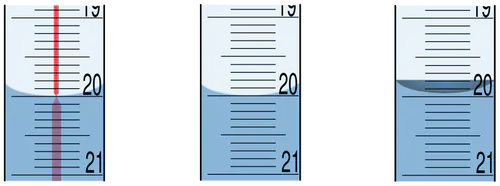
The molecular attraction exerted between the surfaces of bodies in contact.
a)
Atom
b)
Chemical reaction
c)
Adhesion
d)
Cohesion
e)
Surface tension
13.
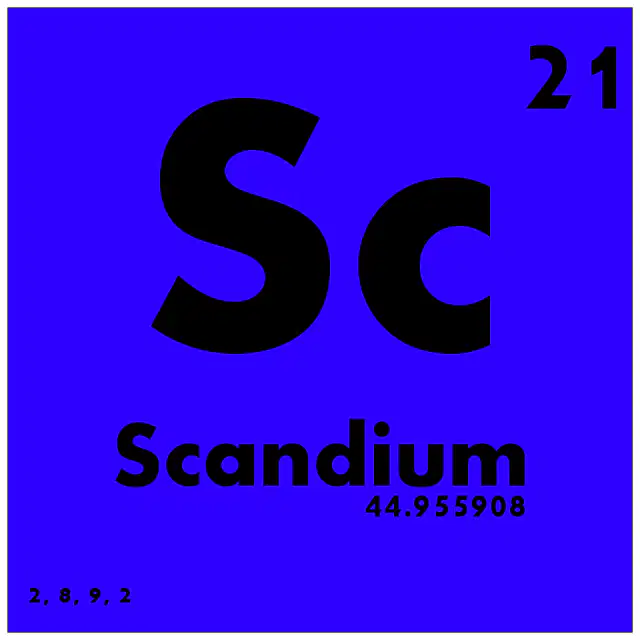
A pure substance that is made up of one type of atom.
a)
Structure
b)
Compound
c)
Element
d)
Heterogeneous Mixture
e)
Homogeneous Mixture
14.

The act or state of sticking together tightly; the attraction of water molecules to each other, creating the water droplet
a)
Atom
b)
Chemical reaction
c)
Adhesion
d)
Cohesion
e)
Surface tension
15.
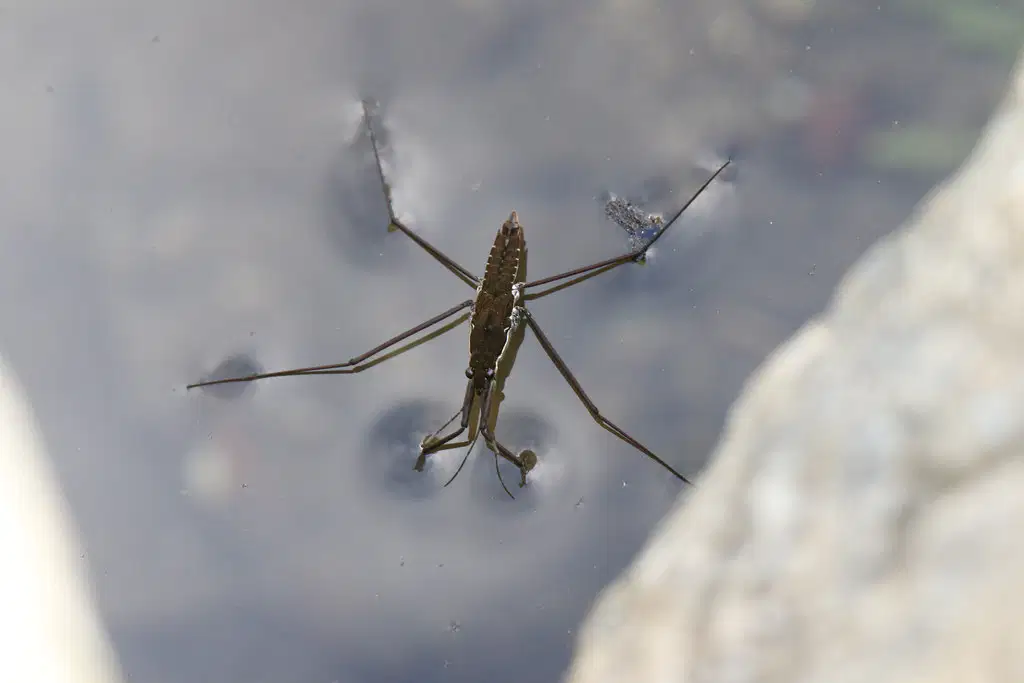
The attractive force exerted upon the surface molecules of a liquid by the molecules beneath that tends to draw the surface molecules into the bulk of the liquid and makes the liquid assume the shape having the least surface area
a)
Atom
b)
Chemical reaction
c)
Adhesion
d)
Cohesion
e)
Surface tension
16.
Any substance that in aqueous solution tastes sour, changes blue litmus paper to red, reacts with bases to form salts, promotes chemical reactions, and has a pH less than 7
a)
Acid
b)
Base
c)
pH
d)
Chemical change
e)
Chemical equation
17.
Any substance that in aqueous solution is slippery to the touch, tastes bitter, and has a pH greater than 7
a)
Acid
b)
Base
c)
pH
d)
Chemical change
e)
Chemical equation
18.
A measure of acidity and alkalinity of a solution that is a number on a scale from 0-14.
a)
Acid
b)
Base
c)
pH
d)
Chemical change
e)
Chemical equation
19.
The state of matter that has a specific mass and volume; maintains its shape.
a)
Kinetic energy
b)
gas
c)
liquid
d)
solid
e)
volume
20.
Describes a chemical reaction and includes all of the reactants and all of the products of the reaction
a)
Acid
b)
Base
c)
pH
d)
Chemical change
e)
Chemical equation
21.
A physical system that does not allow transfer of matter in or out, although energy can flow into and out of the system
a)
Closed system
b)
Law of conservation of mass
c)
matter
d)
photosynthesis
e)
Chemical formula
22.
The total mass of the reactants is equal to the total mass of the products.
a)
Closed system
b)
Law of conservation of mass
c)
matter
d)
photosynthesis
e)
Chemical formula
23.
The chemical process carried out in chloroplasts by which plants produce their own food (glucose) from carbon dioxide and water using chlorophyll and sunlight for energy.
a)
Closed system
b)
Law of conservation of mass
c)
matter
d)
photosynthesis
e)
Chemical formula
24.
A substance that occupies space, has mass, and is composed of microscopic particles
a)
Closed system
b)
Law of conservation of mass
c)
matter
d)
photosynthesis
e)
Chemical formula
25.
A type of change in which a new substance is made from one or more previous substances.
a)
Acid
b)
Base
c)
pH
d)
Chemical change
e)
Chemical equation
26.
The unique combination of chemical symbols and subscripts that describe which and how many of each element are bonded together in a compound
a)
Closed system
b)
Law of conservation of mass
c)
matter
d)
photosynthesis
e)
Chemical formula
27.
A substance in which a solid, liquid, or gaseous substance is evenly distributed (or dissolved) within a liquid or sometimes a gas or solid.
a)
Solution
b)
Solute
c)
Solvent
d)
Aqueous solution
e)
Temperature
28.
The part of a solution in the smaller quantity, often the solid or gas dissolved into a liquid; the part of a solution in the smaller quantity, often the solid or gas dissolved into a liquid.
a)
Solution
b)
Solute
c)
Solvent
d)
Aqueous solution
e)
Temperature
29.
The (often liquid) portion of a solution that is in the greater proportion into which the solvent is evenly distributed.
a)
Solution
b)
Solute
c)
Solvent
d)
Aqueous solution
e)
Temperature
30.
The state of matter that has a specific mass and volume; takes the shape of its container; particles are loosely arranged, flow around, and bounce off each other.
a)
Kinetic energy
b)
gas
c)
liquid
d)
solid
e)
volume
31.
Solution that occurs when a solid, liquid, or gaseous substance (solute) is evenly distributed within water (solvent).
a)
Solution
b)
Solute
c)
Solvent
d)
Aqueous solution
e)
Temperature
32.
The measure of the average kinetic energy of the particles within a substance.
a)
Solution
b)
Solute
c)
Solvent
d)
Aqueous solution
e)
Temperature
33.
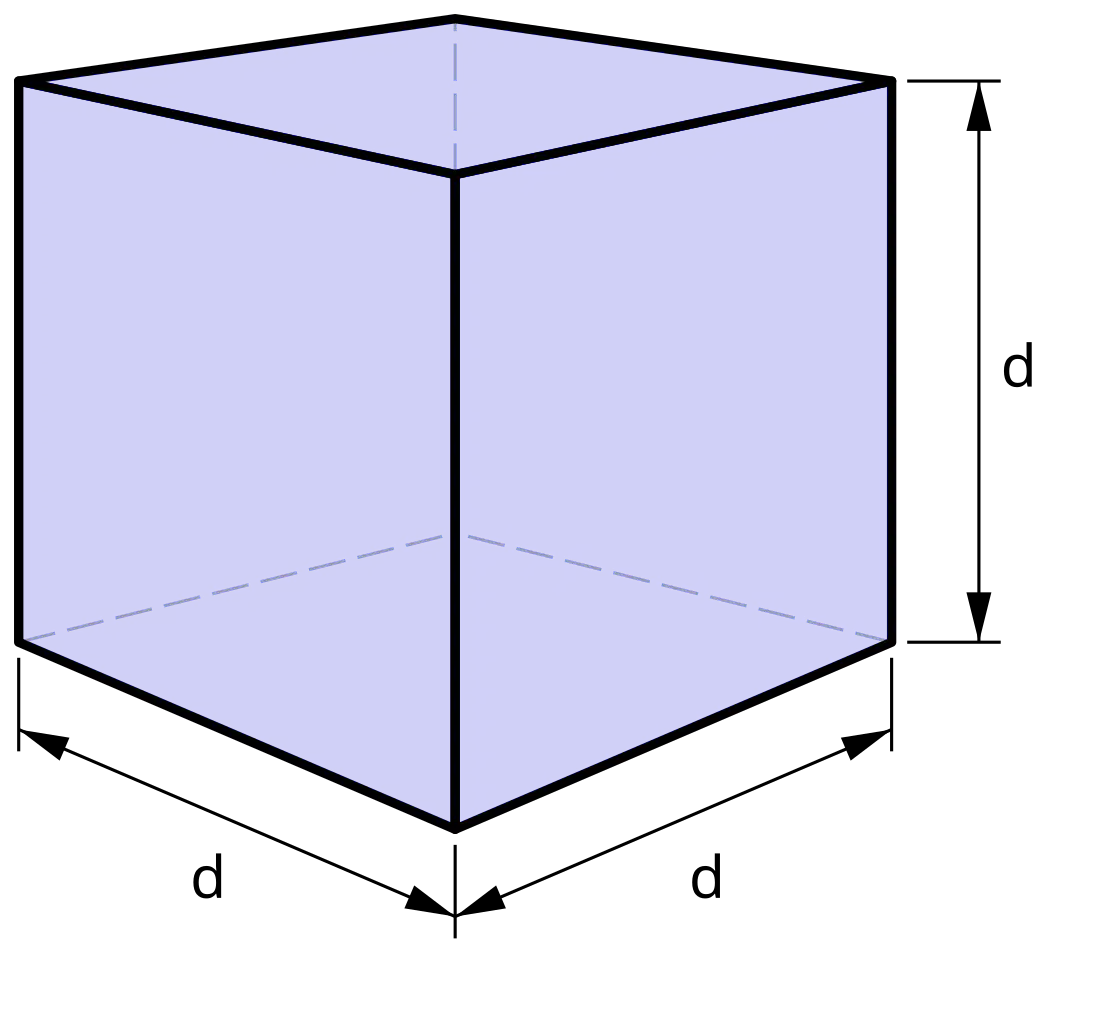
The amount of space that a substance or object occupies and is measured in cubic units such as liters; may be measured mathematically or by displacement
a)
Kinetic energy
b)
gas
c)
liquid
d)
solid
e)
volume
34.
The energy caused by the motion of objects or particles within a system.
a)
Kinetic energy
b)
gas
c)
liquid
d)
solid
e)
volume
35.
The state of matter where particles are far apart and moving quickly, bouncing off each other and their container.
a)
Kinetic energy
b)
gas
c)
liquid
d)
solid
e)
volume
100 %

