
 Worksheets
Electrical Safety Quiz
Total questions: 20
Worksheet time: 10mins
What is one precaution to take to avoid risks when working with electrical equipment?
Use equipment with wet hands
Ensure equipment is properly grounded
Ignore warning labels
Overload electrical outlets
What is a danger of using electrical equipment?
Increased productivity
Risk of electric shock
Improved efficiency
Enhanced durability
What is the purpose of voltage color coding in the workplace?
To enhance aesthetic appeal
To identify different voltage levels
To confuse workers
To reduce manufacturing costs
What is the approximate number of accidents at work involving electricity reported each year?
500
1,000
1,500
2,000
What can faults in electrical systems potentially cause?
Water leakage
Fire
Noise pollution
Air contamination
What is the main focus of the Provision and Use of Work Equipment Regulations 1998 (PUWER)?
To regulate the use of electricity in the workplace
To place duties on people and companies regarding work equipment
To ensure environmental protection in workplaces
To provide guidelines for employee training programs
What does PUWER stand for?
Provision and Use of Work Equipment Regulations
Provision and Utilization of Workplace Equipment Rules
Protection and Use of Work Equipment Regulations
Provision and Use of Workplace Equipment Regulations
What is a potential risk when using electrical equipment near water?
Increased efficiency
Reduced power consumption
Electrical shock
Improved grounding
What can result from the incorrect use of replacement fuses?
Enhanced safety
Overheating and potential fire
Improved electrical flow
Reduced energy consumption
How does an RCD help in preventing electric shock?
By increasing the circuit voltage
By switching off the circuit quickly if a fault is detected
By providing additional insulation
By reducing the current flow
What voltage is associated with a blue cable connector?
110 volt
230 volt
410 volt
240 volt
What is one of the key components of a risk assessment for electrical hazards?
Identifying the color of the equipment
Determining who could be harmed by the hazard
Calculating the cost of the equipment
Measuring the size of the equipment
What is the primary function of a residual-current device (RCD)?
To increase electrical current
To quickly break an electrical circuit to prevent electric shock
To store electrical energy
To convert AC to DC
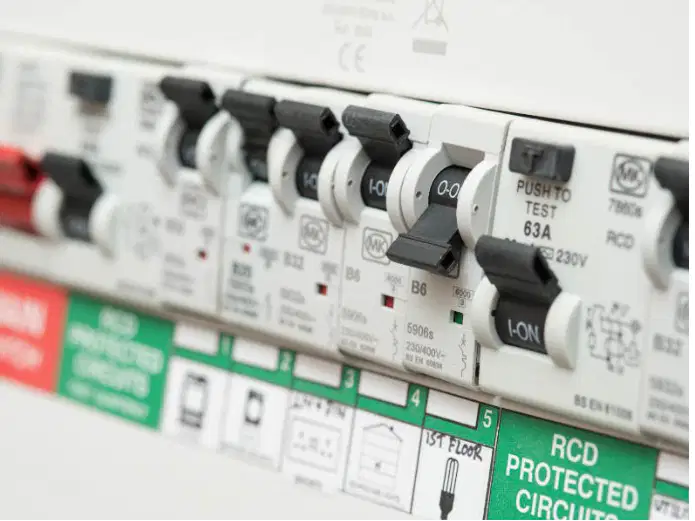
What is another name for a consumer unit?
Power transformer
Electrical generator
Fuse board
Circuit amplifier
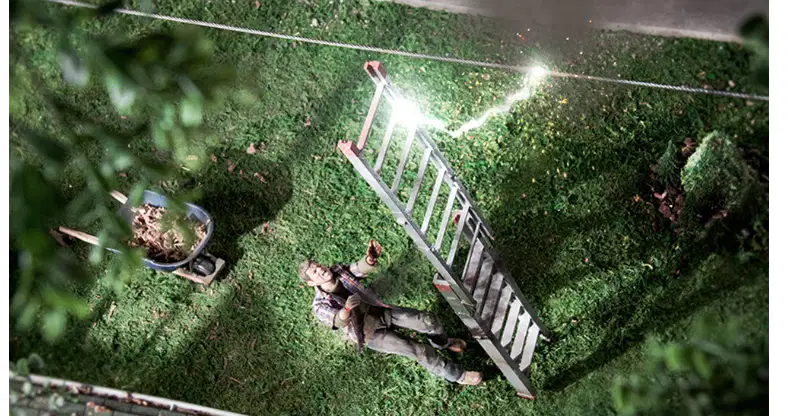
What is a common cause of injury related to overhead power lines?
Contact with live overhead electricity
Falling from a height
Slipping on wet surfaces
Tripping over cables
How far should ladders be kept from overhead cables to ensure safety?
2 metres
4 metres
6 metres
8 metres
What is one way that underground cables can be damaged?
By being exposed to sunlight.
By being cut through by a sharp object.
By being submerged in water.
By being painted over.
What is the primary purpose of a Permit to Dig?
To provide a safe system of work for operations that disturb the ground level
To ensure quick completion of excavation projects
To reduce the cost of excavation activities
To increase the number of workers on site
Which of the following is NOT a purpose of a permit to excavate/dig?
Ensuring people are protected from harm
Increasing the speed of excavation
Protecting underground services
Defining roles and responsibilities

What is a recommended method for storing electrical equipment?
Leave tools running
Store in a damp place
Disconnect tools when not in use
Pull the lead when disconnecting

