

wayground logo

Free Printable Worksheets

NEW

Font size

S
M
L
XL
Worksheets

Animal Adaptations

Total questions: 10

Worksheet time: 5mins
Name
Class
Date
1.

Animal Adaptations

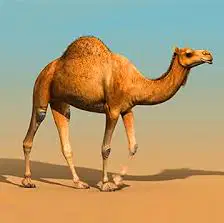
To survive long periods of time without food, what does a camel store in its hump?
a)
Protein
b)
Fat
c)
Sugar
d)
Water
2.

Animal Adaptations

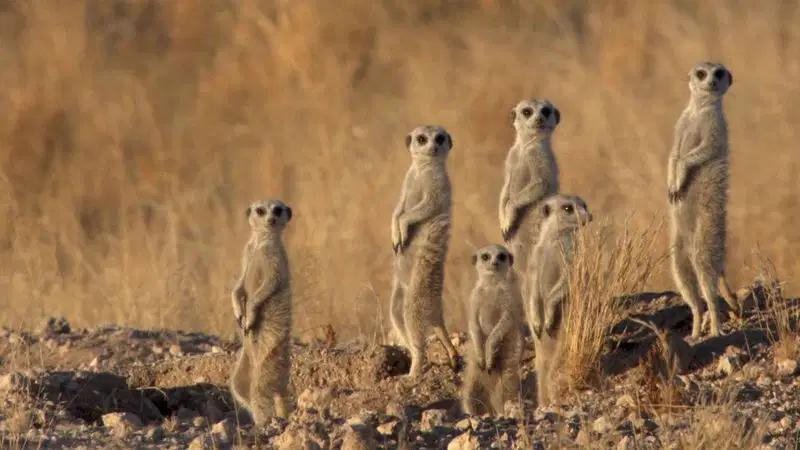
To survive in the desert heat, where do Meerkats live?

a)
On the surface of the sand
b)
In caves
c)
Burrows underground
d)
In trees
3.

Animal Adaptations

To survive in freezing Antarctic weather, how does blubber help a seal?
a)
Blubber protects seals from predators in the ocean.
b)
Blubber allows seals to store food for long periods.
c)
Blubber helps seals by providing insulation against freezing temperatures.
d)
Blubber helps seals by providing buoyancy in water.
4.

Animal Adaptations

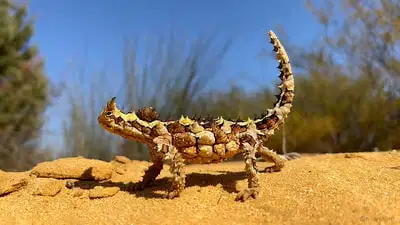
To survive in the hot Australian desert, how does a Thorny Devil obtain water?
a)
The Thorny Devil drinks from puddles after rain.
b)
It absorbs water through its feet.
c)
The Thorny Devil relies on dew collected on its spines.
d)
The Thorny Devil obtains water by using grooves on its skin to channel moisture to its mouth.
5.

Animal Adaptations

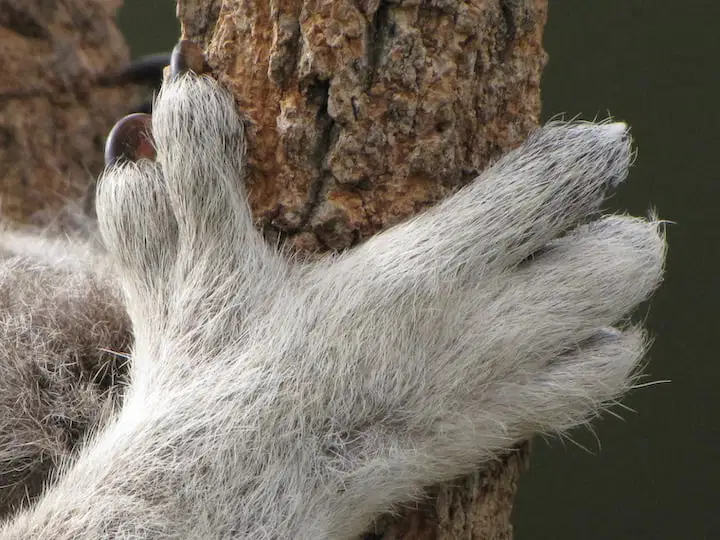
To survive, Koalas have two thumbs on each paw to help them...?

a)

throw things at predators

b)

climb smooth-barked trees tightly and grasp eucalyptus leaves

c)
dig burrows for shelter
d)
swim in rivers
6.

Animal Adaptations

In order to survive, why does a lyrebird mimic noises they hear?

a)

To attract predators.

b)
To communicate with other species.
c)

To attract mates, establish territory, protect themselves from predators.
d)
To find food more easily.
7.

Animal Adaptations

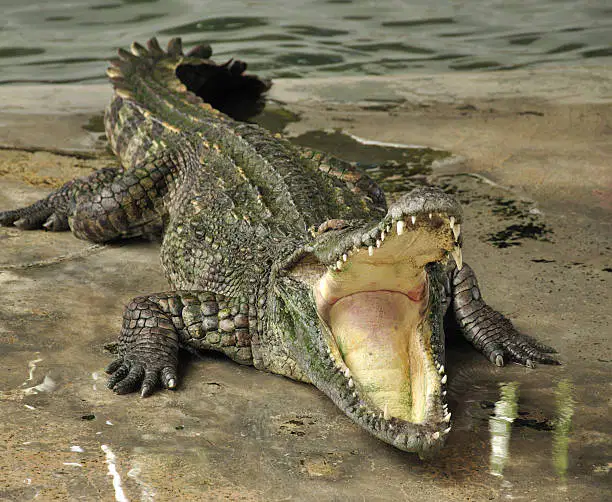
To survive, why do saltwater crocodiles go into the water or sit with their jaws open?
a)
To find food more easily.
b)
To escape from predators.
c)
To attract mates.
d)
To regulate body temperature and cool down.
8.

Animal Adaptation

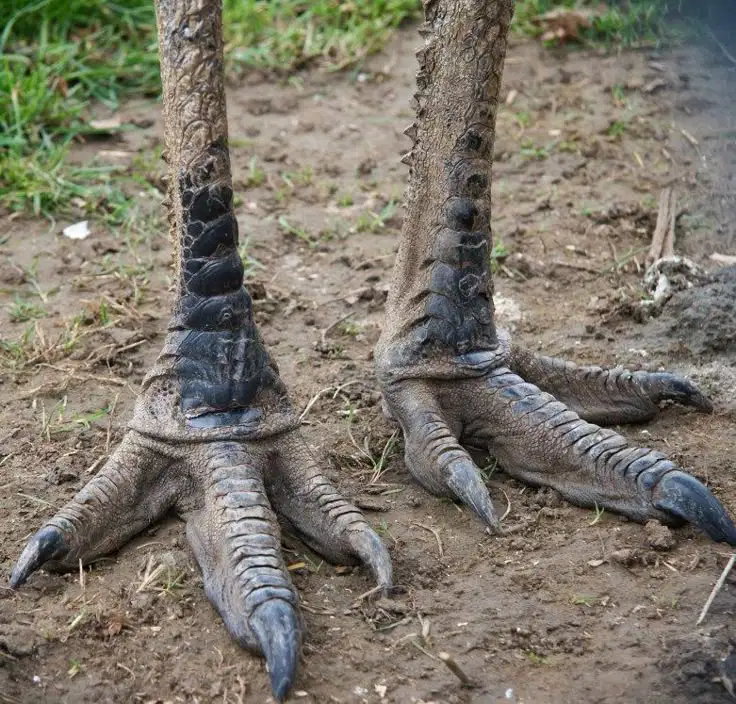
To survive, how does a third toe assist an emu?

a)
The third toe helps the emu run faster.
b)
The third toe allows the emu to swim better.
c)

The third toe assists an emu balance and the ability to turn 180 degrees quickly.
d)
The third toe is used for digging in the ground.
9.

Animal Adaptations

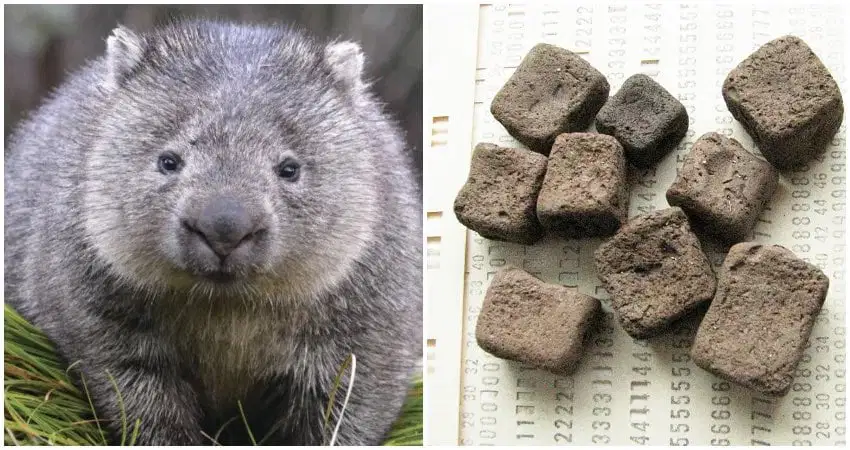
To survive, why does a wombat have poo that is shaped like a cube?
a)
To attract mates with unique scents.
b)
To help them dig burrows more easily.
c)
To prevent their poo from rolling away, allowing effective territory marking.
d)
To store food for later consumption.
10.

Animal adaptations

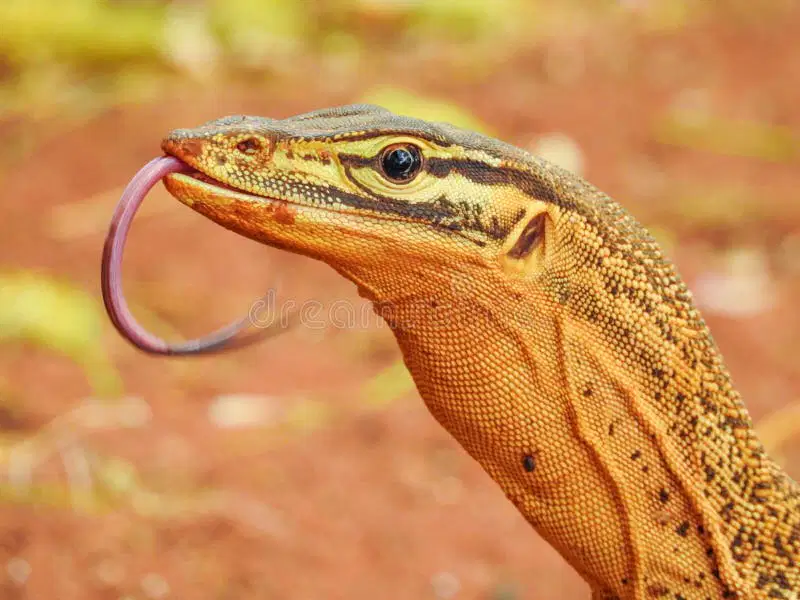
To survive, how does a forked tongue assist a goanna?

a)
It helps the goanna detect scents and locate food.
b)
It enables the goanna to produce sounds for communication.
c)
It allows the goanna to change color for camouflage.
d)
It helps the goanna swim faster in water.