
 Worksheets
UCSP (1-3)
Total questions: 70
Worksheet time: 1hrs 8mins
(LESSON 1) Complex whole which
includes knowledge, belief,
art, morals, law, customs,
and any other capabilities
and habits acquired by
man as a member of the
society
(a)
An organized group or
groups of interdependent
people who share
common territory,
language and culture and
act together for collective
survival and well being
(a)
• The art of government
• The activity of people
where they create,
preserve, and amend laws
under which they liv
(a)
Anthropos means “___” while logos means
“___”
(a)
Study or Science of Man dealing with its
origins, nature, and differences from cross-
cultural perspectives and even physical
attributes
(a)
Studies dealing the use
and identification of
human origins through
HUMAN FOSSILS
(a)
Tracing natures of
human to the closest
kind which are the
family of PRIMATES
(a)
Description and comparison
of the adaptations made by
human groups to the diverse
ecosystems of the earth
(a)
This is the type of cultural anthropology which is distinct as describe/describing
(a)
What does Ethnology do?
(a)
Systematic study of the
remains of previous cultures as
a means of reconstructing the
life ways of people who lived in
the past ( kagamitan )
(a)
The study of language.
Study how language is
formed and how it works
(a)
It is one
of the disciplines that studies
human social behavior in a
scientific, systematic manner
(a)
Socius means “___” while
logus means “___”
(a)
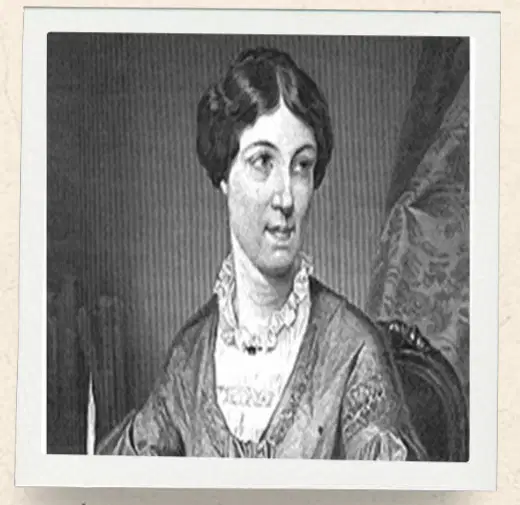
The first female sociologist, she translated Comte's work and focused on social justice, gender, and class issues.
(a)

Known as the "Father of Sociology," he founded positivism and emphasized using scientific methods to study society.
(a)
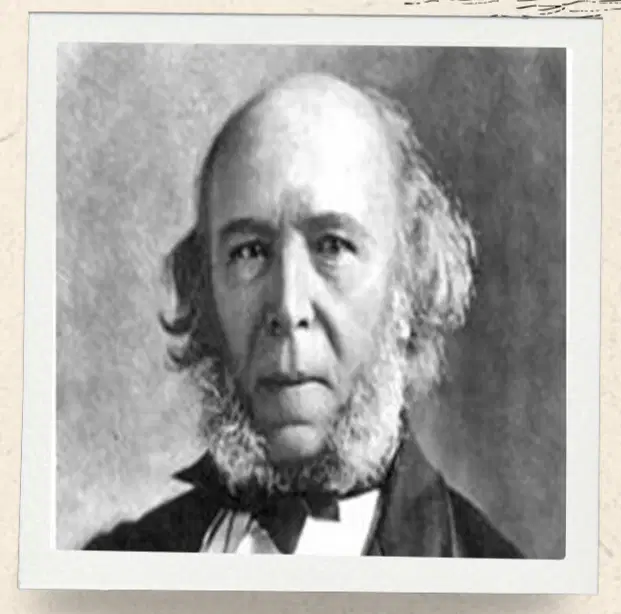
He Applied evolutionary theory to society and coined the term "survival of the fittest" in social contexts.
(a)

Focused on class conflict, capitalism, and economic power as key drivers of social change
(a)
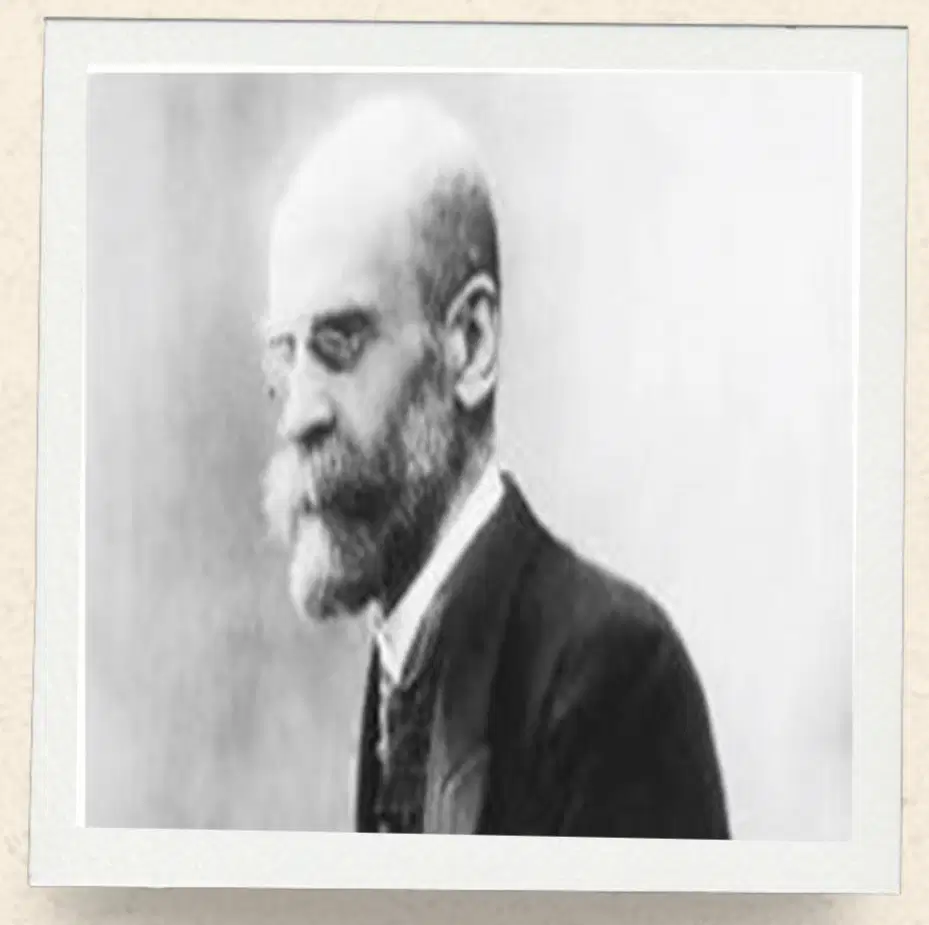
Established sociology as a formal academic discipline and studied social integration, norms, and the role of institutions.
(a)

Emphasized understanding social action through interpretive analysis and studied the effects of culture, religion, and bureaucracy on society.
(a)
( significance of culture ) ex.
Kapag cincelebrate natin ang pasko nagiging masaya tayo
(a)
( significance of culture ) ex.
Nag a-adapt tayo ng ibang kultura
(a)
( significance of culture ) ex.
Mga katanggap tanggap na asal na ginagawa natin
(a)
( significance of culture ) ex.
Nag bebenefit tayo sa mga bagay na gawa ng tao
(a)
( significance of culture ) ex.
Kaya tayo may cultura dahil may meaning ito na nakukuha
(a)
Considered as the very heart
of the Politics. Since Political Science involves human management, it is necessary to have the power to control others. This is more of direct control over people.
(a)
Affects the behavior of another. People obeys the leader or the person they are admiring with because that individual is attached to the person
(a)
Right to exercise the
power and influence.
(a)
Having the approval of others. Correctly placed in a particular role. A person or let us say a candidate can manifest both power and authority during the campaign until he/she won the election. But it is not enough to LEGALLY sit in the power and do his/her duty without being confirmed by the Committee.
Power
Authority
Influence
The strong bond between the leader to its people. Also, the connection of different nations to each other.
(a)
Ano ang tawag sa mga negosyo na di pag mamay-ari ng gobyerno o mas tinatawag na private sectors
(a)
lahat ay pag mamayari ng gobyerno ( gusto nila pantay pantay ang society )
(a)
Ito ay combination of com and capi / pwede mag negosyo pero may limit lamang & provided ng gobyerno ang basic needs
(a)
a type of one- party dictatorship. Fascists are against democracy (kung sino ang mataas o leader sya lang ang may boses)
(a)
(a) is a position in society.
• Your position in your family.
• Your position in your community
Status assigned at birth such as sex, race,age.
(a)
Status attained through our own actions.
(a)
The expectations of what individuals should do in accordance with their particular status.
(a)
___ consists of people, and ___ consists of the products that people create.
(a)
These are physical objects that people create. For example, the food that we eat.
(a)
Abstract human creations. Such as human made activities like celebration of festivals.
(a)
are the very basis of human culture. It “stands for anything”.
Di kailangan ng words (pagmamano)
(a)
the organization of written or spoken symbols in any culture.
Kailangan ng salita/words (bugtong bugtong)
(a)
are shared beliefs of what is good or bad, desirable or undesirable.
Ugali natin na tama o mali (bilang pilipino tayo ay magalang)
(a)
are the shared rules of conduct that tell people how to act on specific situations.
Expectations ng society satin (kailangan pag babae ka mahinhin ka)
(a)
common customs of everyday life. They do not have great moral significance attached to them.
Kultura na ginagawa araw araw
(a)
have great moral significance. Violation of mores endangers the well-being and stability of society :
Papasok dito ang batas o pamantayag lumabag ka
(a)
smallest unit of culture. An individual tool, act, or belief related to a particular situation or need.
Culture traits
Culture complex
Culture pattern
clash between different cultures because of varieties or difference of culture
(a)
CHARACTERISTICS OF CULTURE
nakukuha sa pamamagitan ng pakikipagsalamuha sa ibang tao
(a)
CHARACTERISTICS OF CULTURE
maraming kultura/walang eksaktong kultura o pagkakaparehas
(a)
CHARACTERISTICS OF CULTURE
Sama samang ginagawa o pinapaniwalaan
(a)
CHARACTERISTICS OF CULTURE
Natututunan sa mga nagtuturo
(a)
CHARACTERISTICS OF CULTURE
Pinapasa sa mga henerasyon
(a)
CHARACTERISTICS OF CULTURE
Hindi napuputol ang kultura pero nagbabago o umuunlad
(a)
CHARACTERISTICS OF CULTURE
Dahil sa kultura nagiging masaya tayo o nag eenjoy
(a)
Mas gusto mo yung kultura mo ayaw mo sa ibang kultura
(a)
Mas gusto mo yung ibang kultura ayaw mo sa kultura mo
(a)
Gitna kalang, wala kang kinakampihang kultura
(a)
It is defined as the relationship between human biology and culture
(a)
inherited traits of biological populations from one generation to another.
Clue : “ (a) evolution”
term used by scientists to categorize the group of early humans and other humanlike creatures that can walk erect during the pre-historic times.
(a)
-They are the first direct ancestors of the Homo
- ancestor of modern humans because of their ability to produce tools, and these tools were used for hunting and food gathering.
-They developed tools primarily for their use in scavenging
(a)
(meaning "upright man") is an early human species that lived between 1.9 million and 100,000 years ago
(a)
-Lived in shelters
-Food gatherers
-Hunted animals
-Used fire
-Crafted Materials
(a)
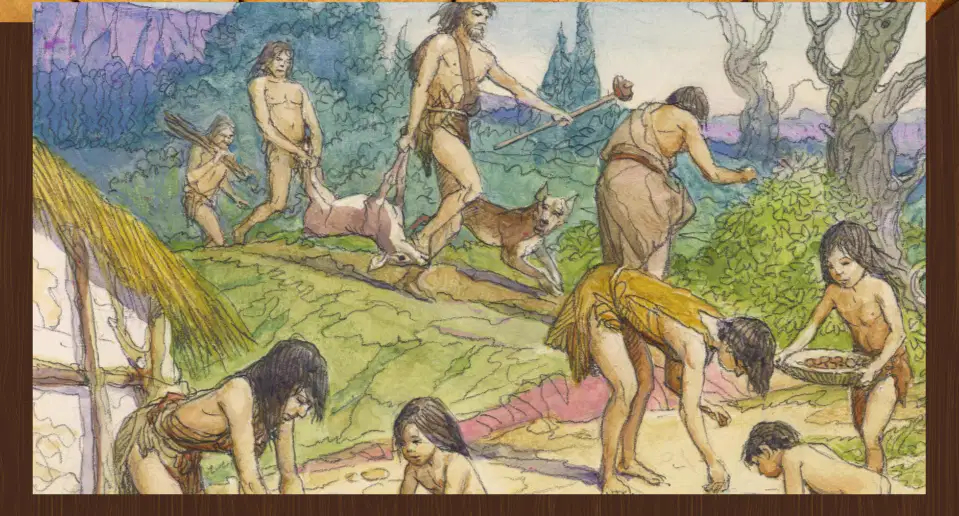
"foraging society"
-basic human instincts and skills as a way to acquire food and shelter.
-Division of labour occurred between men as meat hunters and women as plant gatherers.
(a)
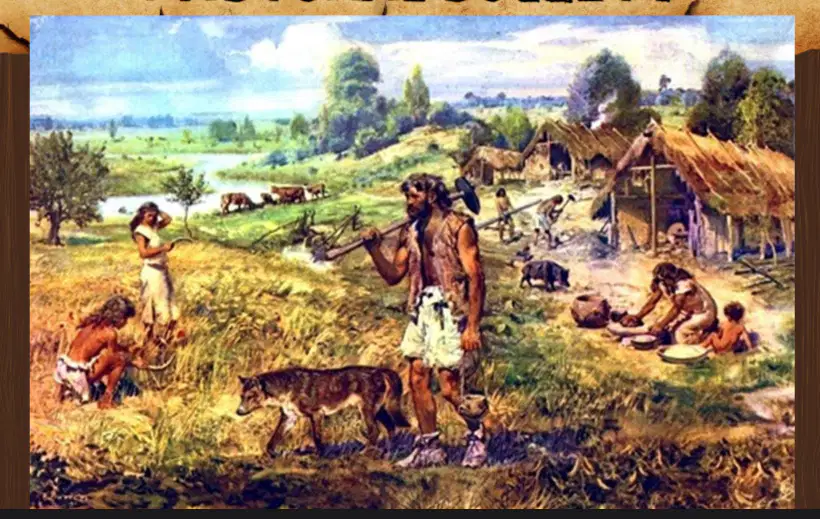
Ancient people discovered and cultivated the process of raising crops.
- "horticulture" is derived from Latin hortus, "garden", and colere, "to cultivate". -Food production became easier and more accessible to the dwellers of this society.
NEOLITHIC AGE-HORTICULTURAL AND PASTORAL SOCIETY
NEOLITHIC REVOLUTION - AGRARIAN /AGRICULTURAL SOCIETY
EARLY CIVILIZATION AND THE RISE OF STATE

-Farming became a systematic agricultural
-It encouraged the use of fertilization to further enhance the production of food for personal consumption
NEOLITHIC REVOLUTION - AGRARIAN /AGRICULTURAL SOCIETY
NEOLITHIC AGE-HORTICULTURAL AND PASTORAL SOCIETY
EARLY CIVILIZATION AND THE RISE OF STATE

–It defined as an organized political community
DEMOCRATIZATION
EARLY CIVILIZATION AND THE RISE OF STATE
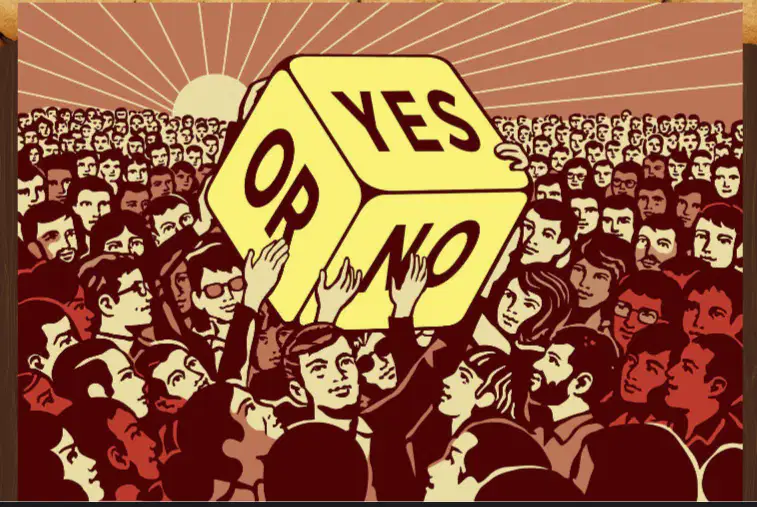
Democracy originated from the city-states of ancient Greece in Athens
(a)

