
Font size
 Worksheets
P.E and Health Q1 11
Total questions: 31
Worksheet time: 14mins
What does health-related fitness involve?
Exercise activities to improve physical health
Improving mental health
Sleep patterns
Dietary changes
What is cardiovascular endurance?
The amount of body fat
The flexibility of joints
The level at which heart, lungs, and muscles work together during exercise
The ability to lift heavy weights
How is muscular strength typically measured?
By heart rate
By body composition
By the number of repetitions
By the maximum amount of force in a single effort
What does flexibility refer to?
The strength of bones
The endurance of muscles
The range of motion around a joint
The amount of muscle mass
What is body composition?
The flexibility of joints
The strength of muscles
The proportion of fat and non-fat mass in the body
The amount of exercise performed
What does the FITT Principle stand for?
Frequency, Intensity, Training, Time
Fitness, Intensity, Training, Type
Flexibility, Intensity, Time, Type
Frequency, Intensity, Time, Type
How often is it recommended to exercise?
Every day
Every other day
Once a week
Twice a week
What is the recommended duration of daily exercise?
30 minutes
45 minutes
90 minutes
60 minutes
What type of activities should be included in daily exercise?
Only strength training
Aerobic activities
Flexibility exercises
Only recreational activities
What is MVPA?
Moderate Vitality Physical Activity
Maximum Vital Physical Activity
Maximum to Vigorous Physical Activity
Moderate to Vigorous Physical Activity
How much MVPA should children and adolescents do daily?
120 minutes
60 minutes or more
90 minutes
30 minutes
What is the maximum heart rate formula?
MHR = 220 / Age
MHR = Age - 220
MHR = 220 - Age
MHR = 220 + Age
What is resting heart rate (RHR)?
Heart rate after vigorous activity
Maximum heart rate
Heart rate during inactivity
Heart rate during exercise
What is the normal range for resting heart rate?
80 to 140 bpm
30 to 60 bpm
40 to 100 bpm
60 to 120 bpm
What does heart rate reserve (HRR) help calculate?
Body composition
Resting heart rate
Maximum heart rate
Target heart rate for exercise
What is one benefit of engaging in MVPA?
Increased body fat
Improved mental health
Decreased muscle strength
Reduced flexibility
What is a recommended activity for muscle-strengthening?
Walking
Weight lifting
Yoga
Jogging
What is a benefit of activity-focused P.E.?
Decreased attendance
Increased screen time
Improved academic performance
Reduced physical activity
What is the ideal target heart rate during moderate-intensity activity?
No heart rate
Very low heart rate
High heart rate
Moderate heart rate
What type of physical activity is associated with vigorous intensity?
Light stretching
Walking slowly
Jogging
Sitting
Why is it important to know your body composition?
to help you assess your health and fitness level
to inspire you to have an inactive lifestyle
helps you to identify potential health risks associated with excess body fat
to help you to better track your fitness progress
What is the difference between muscular strength and muscular endurance?
What principle provides a great way of monitoring your exercise program?
(a)
The following are components of health-related fitness:
muscular endurance, muscular strength, flexibility, speed, coordination
power, reaction time, body composition, cardiovascular endurance, cardiorespiratory endurance
agility, balance, coordination, power, reaction time, speed
cardiovascular endurance, muscular strength, flexibility, muscular endurance, body composition
The following must be included in their MVPA:
Aerobics
Muscle strengthening
Bone strengthening
What is METs?
MVPA is important because it can...
help to improve a student’s mental health
improve self confidence
decrease childhood obesity
contribute for maintaining and improving overall health and well-being
What is Heart Rate?

Which pulse sites are included in the given pdf?
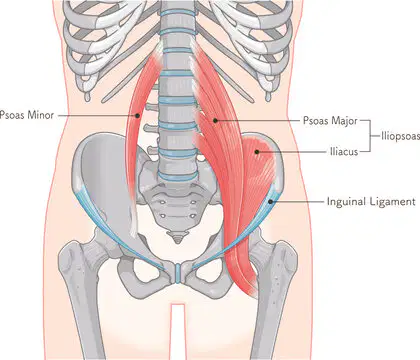
Explain the highlighted word:
The femoral pulse rate can be found where the femoral artery passes alongside the inguinal ligament.
What is the Karvonen Method?

