
 Worksheets
Quiz - Echinoderms and Arthropods
Total questions: 27
Worksheet time: 15mins
Name
Class
Date
1.

This is the underside of a blue crab. Is it a male or a female, and how can you tell?
a)
It's a female - I can tell by the shape of it's abdomen
b)
It's a male - I can tell by the shape of it's abdomen
c)
It's a female - I can tell because it's last set of legs are paddle-shaped
d)
It's a male - I can tell because it doesn't have any chelipeds
2.
Which of these animals is most closely related to a lobster?
a)
Octopus
b)
Anemone
c)
Jellyfish
d)
Grasshopper
3.
Which of the following is NOT an Echinoderm?
a)
Option 1
b)
Option 2
c)
Option 3
d)
Option 4
4.

The long-spined urchin is important on coral reefs throughout the Caribbean. If they were to disappear, what change would occur?
a)
The fish would disappear
b)
The coral would die from disease
c)
The coral would become covered in fleshy algae
d)
plankton blooms would occur
5.
Which species uses tube feet for locomotion and feeding?
a)
Sea urchin
b)
Clam
c)
Squid
d)
Lobster
6.
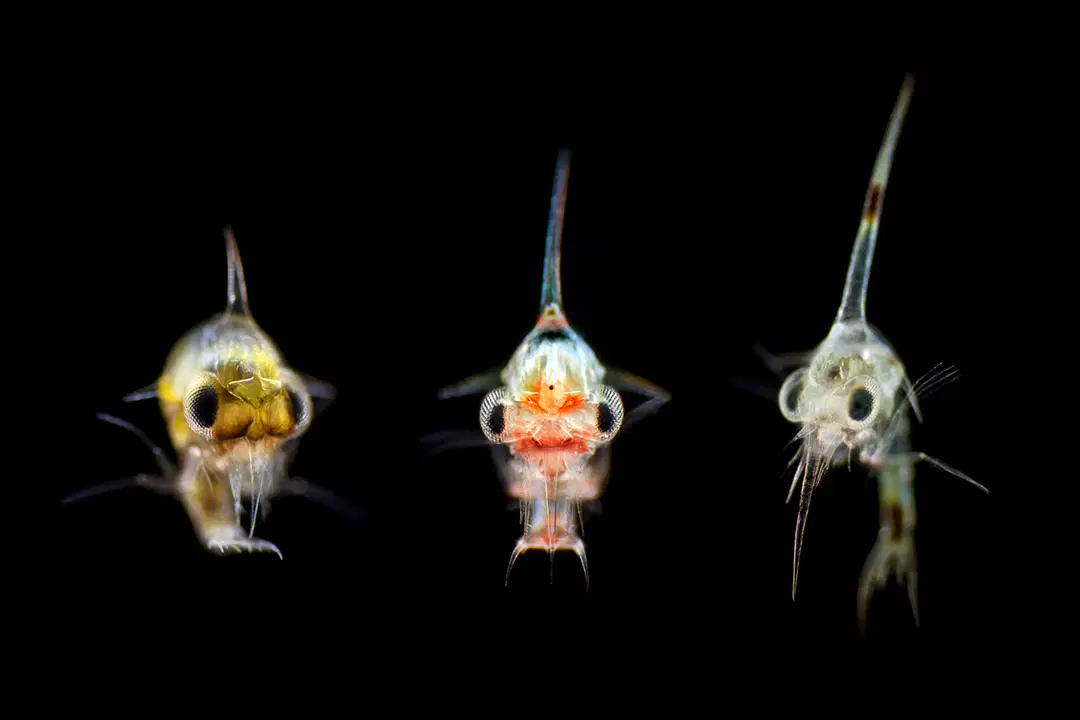
These are the crab zoea of 3 different species of crabs. Where would you find them living?
a)
in the sediment, hidden from predators
b)
in the surface waters, floating with plankton
c)
under the abdomen of the female crab
7.
Choose the species that does not match the description given (just one).
a)
Urchins - too many can destroy a kelp forest
b)
Urchins - too few can drastically change a coral reef
c)
Lobsters - reproduce by spawning, with no care for the developing eggs
d)
Sea cucumber - filter feed by passing sand through their bodies
8.
What happens after a crab molts it's exoskeleton?
a)
a female will often mate
b)
their bodies are soft for a few days
c)
they are more susceptible to predators
d)
all of the above
9.

This crab has an oversized
a)
carapace
b)
pincer cheliped
c)
crusher cheliped
d)
swimmeret appendage
10.

What are these, on the underside of the abdomen?
a)
chelipeds
b)
swimmerets
c)
thorax
d)
walking legs
11.
Why does a crustacean have to molt?
a)
so that it can mate
b)
so that it can carry eggs
c)
so that it can grow larger
d)
so that it can live in shallow water
12.
Which of the following is NOT an Arthropod?
a)
Rainbow grasshopper
b)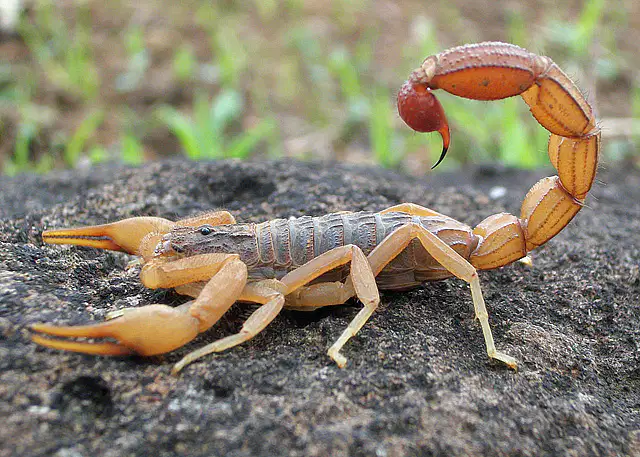
Scorpion
c)
Mantis shrimp
d)
Sea slug
13.

What is this?
a)
a newly hatched crab
b)
crab food
c)
a juvenile crab
d)
a deep sea species of crab
14.

Which is incorrect?
a)
A is the carapace
b)
F is a cheliped
c)
E are the walking legs
d)
D are the swimmerets
15.

What is this?
a)
copepod
b)
barnacle
c)
shrimp
d)
krill
16.
Copepods are extremely common and are a a type of
a)
phytoplankton
b)
zooplankton
c)
swimming crab
d)
swimming shrimp
17.
Which of the following is NOT a function of swimmerets in crustaceans?
a)
Carrying eggs
b)
Locomotion
c)
Respiration
d)
Feeding
18.
Which group of animals is most likely to be found drifting with plankton in the ocean?
a)
Sea urchins
b)
Adult barnacles
c)
Crab zoea
d)
Adult lobsters
19.

Appendages on the abdomen that create water currents, transfer sperm and carry young
a)
Maxillipeds
b)
Chelipeds
c)
Swimmerets
d)
Uropods
20.

What is the exoskeleton usually made up of?
a)
Chitin
b)
Bones
c)
Cuticle
d)
Carapace
21.

Where does a female blue crab hold her eggs?
a)
Abdomen
b)
Telson
c)
Uropods
d)
Tail
22.

Echinoderms are the only marine invertebrates with this type of body structure:
a)
Exoskeleton
b)
Adductor muscles
c)
Spicules
d)
Endoskeleton
23.

Appendages on the abdomen that create water currents, transfer sperm and carry young
a)
Telson
b)
Mandibles
c)
Swimmerets
d)
Chiton
24.

What phylum do crustaceans belong to?
a)
Animalia
b)
Echinodermata
c)
Arthropoda
d)
Cnidarian
25.

What does Echinodermata mean?
a)
Hard shell
b)
Many arms
c)
Soft bodied
d)
Spiny skin
26.
Sea stars feed by
a)
Injecting poison that digests the prey
b)
Everting their stomach to digest prey
c)
Chewing their prey with jaws and teeth
d)
squeezing their prey until it dies
27.
Echinoderms have ____ symmetry.
a)
bilateral
b)
biradial
c)
spherical
d)
radial
100 %

