
NEW
Font size
 Worksheets
PHS - Vocab 1 - Healthcare History - Quizs
Total questions: 11
Worksheet time: 6mins
Anesthesia
Loss of feeling with loss of consciousness.
Loss of feeling without loss of consciousness.
Loss of feeling with/without loss of consciousness.
Loss of consciousness without loss of feeling.
Genomic medicine
Study of a person’s DNA sequences for healthcare.
A method of gene therapy for hereditary diseases.
A type of personalized nutrition based on DNA.
A technique for cloning organisms.
Epidemic
A prolonged illness affecting a small group of people.
Rapid spread of a disease to many people.
A disease that is endemic to a specific region.
A sudden outbreak of a disease that is easily treatable.
Psychoanalysis
A type of medication for mental disorders.
A form of cognitive behavioral therapy.
Talking therapy for mental disorders.
A physical exercise regimen for mental health.
Pathogens
Microorganisms causing disease.
Beneficial bacteria for digestion.
Viruses that enhance immunity.
Fungi that decompose organic matter.
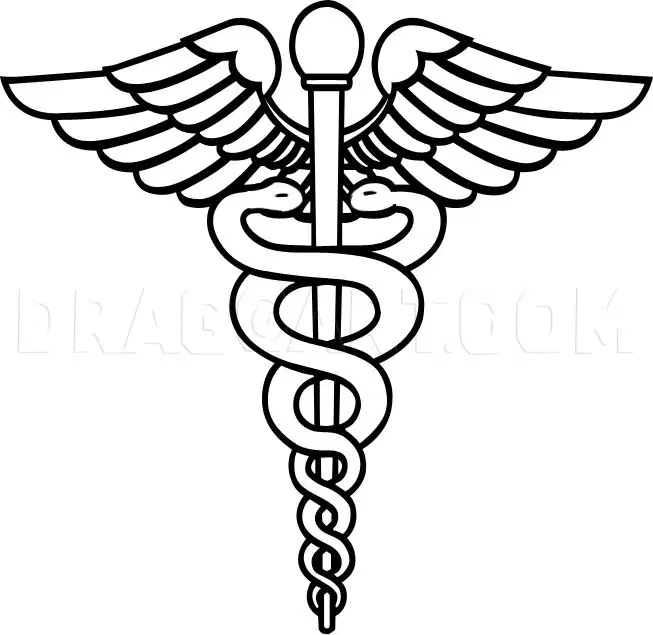
Caduceus
Symbol of medicine in the US.
A type of snake
A medical instrument
A historical figure in medicine
Quarantine
Isolation to prevent disease spread.
A method to enhance food preservation.
A technique for improving air quality.
A process for increasing physical fitness.
Antibiotics
Drugs that destroy or slow bacterial growth.
Drugs that enhance viral replication.
Drugs that increase blood pressure.
Drugs that relieve pain.
Vaccination
Use of weakened/dead microbes to build immunity.
A method to treat existing infections.
A process to enhance physical strength.
A technique to diagnose diseases.
Hippocratic Oath
Promise to uphold ethical medical practices.
A historical document on surgery techniques.
A guideline for patient nutrition.
A declaration of medical malpractice.
Microscope
Magnifies tiny objects invisible to the naked eye.
Used to measure the temperature of liquids.
Helps in identifying different species of plants.
Used for viewing distant celestial bodies.

