
 Worksheets
Objectives - SDS
Total questions: 50
Worksheet time: 25mins
The use of a SDS is to:
Provide information on the safe handling of chemicals
Describe the process of scientific data storage
Summarize daily schedules for employees
List standard delivery services
The sections that encompass a SDS include:
Identification, Hazard(s) identification, Composition/information on ingredients, First-aid measures
Product pricing, Marketing strategy, Sales forecast, Customer reviews
Employee records, Payroll information, Training schedules, Vacation policies
Website design, Social media links, Customer testimonials, Blog posts
Analyze a SDS sheet.
A SDS sheet provides information on the safe handling and hazards of chemicals.
A SDS sheet is used to record employee attendance.
A SDS sheet is a financial document for sales data.
A SDS sheet is a recipe for food preparation.
Which of the following is a required document that contains needed information, must be provided, must be accessible by all employees wherever they work, and must be maintained on file?
SDS
Invoice
Purchase Order
Packing Slip
What does SDS stand for?
Safety Data Sheet
Standard Data System
Secure Document Storage
Systematic Design Solution
The term 'MSDS' was used before 2012.
True
False
The document format was changed to a common 16-section format to make it ________ to find information.
easier
harder
slower
confusing
SDS must be accessible by all employees, wherever they work.
True
False
Which section of the SDS includes 'Identification'?
Identification
Hazard(s) Identification
First-aid Measures
Handling and Storage
Which section of the SDS includes?
Hazard(s) identification
First-aid measures
Fire-fighting measures
Ecological information
Which section of the SDS includes 'Composition/Information on ingredients'?
Composition/Information on ingredients
First-aid measures
Fire-fighting measures
Handling and storage
Which section of the SDS includes 'First-aid measures'?
First-aid measures
Handling and storage
Fire-fighting measures
Exposure controls/personal protection
Which section of the SDS includes 'Fire-fighting measures'?
Fire-fighting measures
Handling and storage
Exposure controls/personal protection
Accidental release measures
Which section of the SDS includes 'Accidental release measures'?
Accidental release measures
First aid measures
Handling and storage
Exposure controls/personal protection
What is included as section 7 in the SDS?
Handling and storage
First-aid measures
Fire-fighting measures
Exposure controls/personal protection
What is included as section 8 in the SDS?
Exposure controls/personal protection
First-aid measures
Fire-fighting measures
Handling and storage
What is included as section 9 in the SDS?
Physical and chemical properties
First-aid measures
Handling and storage
Toxicological information
What is included as section 10 in the SDS?
Stability and reactivity
First aid measures
Fire-fighting measures
Handling and storage
What is included as section 11 in the SDS?
Toxicological information
Fire-fighting measures
Handling and storage
Physical and chemical properties
What is included as section 12 in the SDS?
Ecological information (non-mandatory)
Fire-fighting measures
Handling and storage
Toxicological information
Which section of the SDS includes 'Disposal considerations (non-mandatory)'?
Section 13
Section 5
Section 8
Section 2
Which section of the SDS includes 'Transport information (non-mandatory)'?
Section 14
Section 10
Section 5
Section 8
Which section of the SDS includes 'Regulatory information (non-mandatory)'?
Section 15
Section 10
Section 5
Section 3
Which section of the SDS includes 'Other information'?
Section 16
Section 1
Section 8
Section 12
Which of the following is included under 'Other information' in the SDS?
When SDS was prepared
Last known revision
Changes
Supplier contact info
All of the above
Fill in the blank: The SDS section 'Other information' may include details such as ________.
When SDS was prepared, Last known revision, Changes, Supplier contact info
Chemical reactivity, Flammability limits, Odor threshold, Boiling point
First aid measures, Firefighting procedures, Accidental release measures, Handling and storage
Toxicological effects, Ecological information, Disposal considerations, Transport information
Which of the following is a symptom of short-term overexposure to fumes?
Dizziness
Siderosis
Headache
Fatigue
Fill in the blank: Long-term overexposure to fumes can cause ________ (iron in lungs).
Siderosis
Silicosis
Asbestosis
Anthracosis
Which of the following is NOT a symptom of short-term overexposure to fumes?
Nausea
Nose, throat or eye irritation
Siderosis
Dizziness
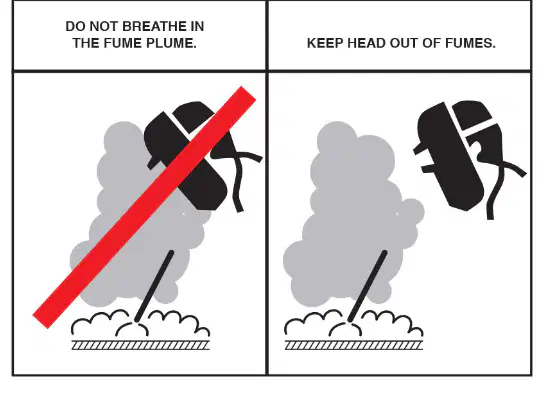
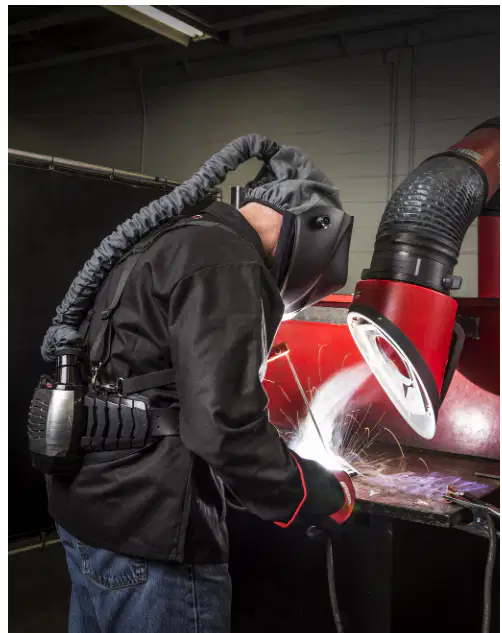
According to the diagram, what should you do to avoid overexposure to fumes?
Breathe in the fume plume
Keep your head out of fumes
Stand closer to the fumes
Ignore the fumes
Fill in the blank: Short-term overexposure to fumes can cause dizziness, nausea, and ________.
Nose, throat or eye irritation
Hearing loss
Skin tanning
Tooth decay
According to the 'Medical Procedures Following an Accident' guidelines, procedures are important, but only provide what type of guidance?
Initial guidance
Comprehensive solutions
Final diagnosis
Long-term treatment
According to the 'Medical Procedures Following an Accident' guidelines, who should you call as quickly as possible after an accident?
9-1-1/doctor/local EMS emergency squad
Your family
Your supervisor
The police
According to the 'Medical Procedures Following an Accident' guidelines, what section of the SDS should you review after an accident?
Emergency and first aid section
Handling and storage section
Physical and chemical properties section
Stability and reactivity section
What does reactivity data describe? Fill in the blank: Reactivity data describes the effects upon the material when it reacts with _________.
another material
light
electricity
pressure
In welding, what is the reaction?
The melting of the electrode
The welding process
The cooling of the material
The cleaning of the surface
What is a possible result of the welding process according to the reactivity data? Fill in the blank: Some electrode ingredients and other nearby materials react to produce ________ and ________.
welding fumes and gases
electric sparks and light
liquid metal and slag
heat and electricity
What does the abbreviation 'MFEG' stand for?
Maximum Fume Exposure Guideline
Minimum Fuel Efficiency Grade
Medical Facility Emergency Guide
Magnetic Field Emission Gauge
In which section of the SDS can you find information about MFEG?
Reactivity Data section
Hazard Identification section
First Aid Measures section
Handling and Storage section
What is the purpose of the Maximum Fume Exposure Guideline (MFEG)?
To determine if sampling and analysis should be done for individual fume constituents
To set the maximum temperature for welding
To provide guidelines for equipment maintenance
To identify the color of fumes
If total exposure is below MFEG, what does it mean about exposure to all fume components?
Exposure to all fume components is below PEL or TLV
Exposure to all fume components is above PEL or TLV
Exposure to some fume components may exceed PEL or TLV
Exposure to all fume components is not regulated
What is the MFEG used to identify?
Exposures close to MFEG
Types of soil
Water sources
Weather patterns
What is the Maximum Exposure Guideline (MFEG) for stainless steel electrode based on Hexavalent Chromium content?
0.05 milligrams per cubic meter
0.08 milligrams per cubic meter
0.10 milligrams per cubic meter
0.005 milligrams per cubic meter
Fill in the blank: The Maximum Exposure Guideline for stainless steel electrode (based on Hexavalent Chromium content) is ______ milligrams per cubic meter.
0.08
0.5
0.01
0.2
If total fume exposure is controlled to less than 0.08 mg/m3 and the base metal is clean and free of coatings, then the worker exposure will generally be less than the Hexavalent Chromium PEL of ______ mg/m3.
0.005
0.01
0.02
0.1
Many factors contribute to fume exposure.
True
False
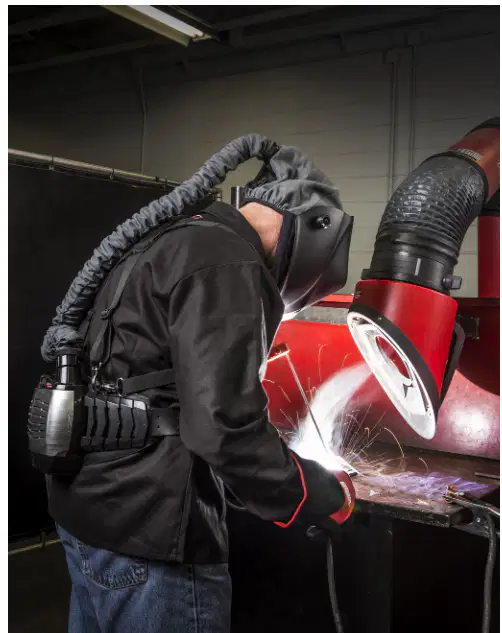
Air Quality: When welding with electrodes that require special ventilation, what should you do to keep exposure as low as possible?
Use special ventilation to keep exposure as low as possible.
Work in a closed area without any ventilation.
Ignore the need for ventilation and continue welding.
Only use a fan to blow air around the workspace.
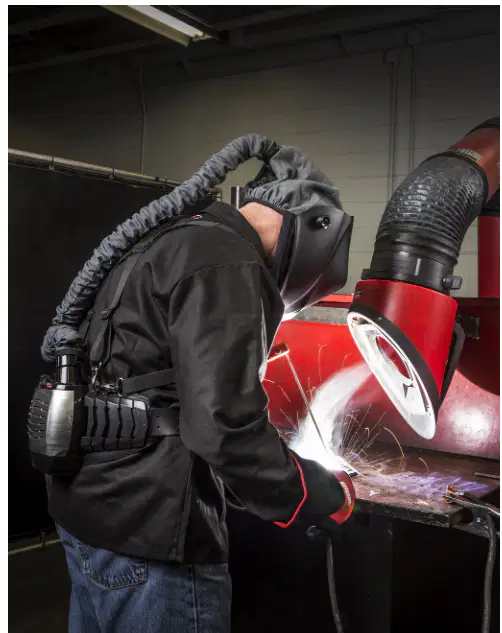
When welding on lead or cadmium plated steel and other metals or coating that produce hazardous fumes, what should you do?
Keep exposure as low as possible.
Work in a confined space without ventilation.
Ignore safety precautions and proceed as usual.
Use water to cool the metal instead of protective equipment.
Wear only regular clothing without any respiratory protection.
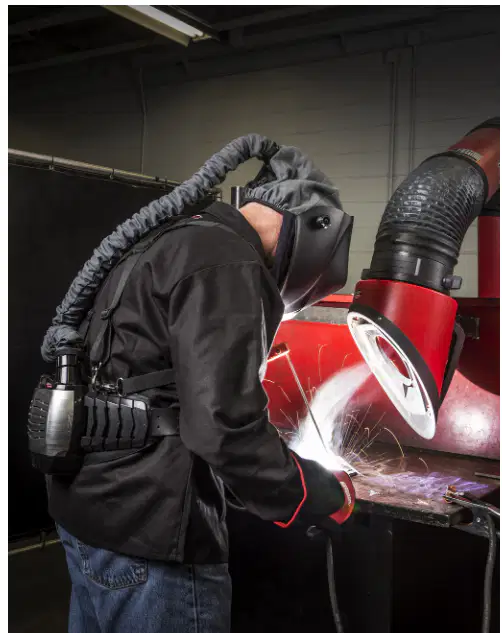
In which situation may you need a respirator?
In confined spaces.
When working at a desk.
While watching television.
During a phone call.
Air Quality: Where can you find PEL/TLV values?
On SDS sheets.
In weather reports.
On food packaging labels.
In travel brochures.

