
 Worksheets
Laboratory Safety Objectives
Total questions: 50
Worksheet time: 25mins
The importance of safe work conditions is:
To prevent accidents and injuries in the workplace.
To increase the number of workplace hazards.
To encourage unsafe behavior among employees.
To reduce productivity and morale.
Procedures used in a safety walk through in laboratories include:
Inspecting safety equipment and checking for hazards.
Ignoring chemical storage areas.
Allowing food and drinks in the lab.
Skipping the use of personal protective equipment.
Safety hazards commonly seen in laboratories include:
Chemical spills, broken glassware, electrical hazards, and fire risks
Only chemical spills
Only electrical hazards
Only fire risks
Identify which of the following is a safe behavior in a laboratory setting.
Wearing safety goggles at all times
Eating and drinking in the lab
Running in the laboratory
Ignoring safety instructions
Fill in the blank: ______ is the priority of ALL.
Safety
Comfort
Speed
Efficiency
Fill in the blank: Safety is governed by ______ and ______.
OSHA; ANSI
EPA; FDA
CDC; WHO
ISO; IEC
Importance of Safe Working Conditions: Who is responsible for safety in the workplace?
Everyone is responsible for safety.
Only the manager is responsible for safety.
Only the safety officer is responsible for safety.
Only new employees are responsible for safety.
What should you evaluate to ensure safety while completing a given task?
All safety practices needed to ensure safety.
Only the fastest way to complete the task.
The tools that look the newest.
Whether you can finish without any breaks.
What should you assess before using equipment to complete a task?
The safety of the equipment.
The color of the equipment.
The brand of the equipment.
The age of the equipment.
Fill in the blank: One of the risks associated with laboratories is _________
Eye Injury
Sunburn
Frostbite
Jet Lag
Burns to skin or unprotected areas is a risk associated with _________.
laboratories
libraries
cafeterias
offices
Which of the following is a risk associated with laboratories?
Fumes
Loud noises
Broken glass
Flooding
Fill in the blank: You should keep your gloves ____ even if you have to keep an extra pair.
dry
wet
dirty
loose
Which of the following materials can be used as dry insulation to stand or lie on while welding?
Plywood
Rubber mats
Both A and B
None of the above
Fill in the blank: You should insulate your body from the ____ you are welding.
metal
floor
air
light
True or False: It is safe to rest your body, arms, or legs on the workpiece, especially if your clothing is wet or bare skin is exposed.
True
False
Fill in the blank: According to the Rules and Expectations for Welding Safety, a DC manual (stick) welder is recommended for use in ____________ conditions.
potentially electrically hazardous
outdoor windy
high temperature
low humidity
Which of the following is a type of personal protective equipment (PPE) mentioned in the image?
Ear protection
Hand protection
Foot protection
Respiratory protection

Fill in the blank: The image shows a pair of _______ used for eye protection.
safety glasses
ear plugs
gloves
face mask
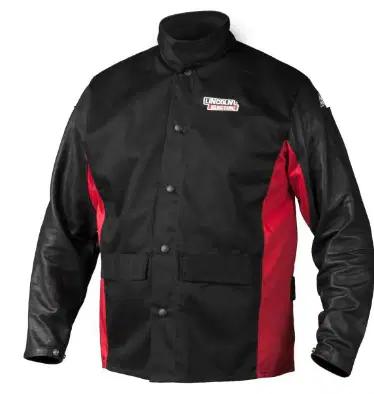
Which of the following is used for heat and radiation protection?
Flame/heat retardant outerwear
Fume extraction systems
Respirators
Safety goggles
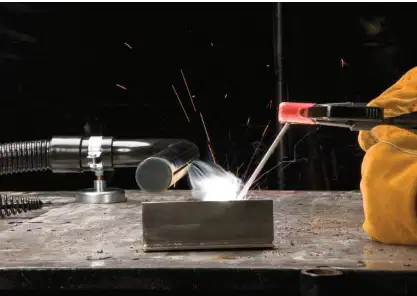
Which item is used to protect hands from heat and radiation?
Gloves
Respirators
Fume extraction systems
Safety glasses
Spark/heat resistant shoes that cover above the ankle are used for ________ protection.
heat and radiation
chemical
electrical
water
Fume extraction systems are used for ________ protection.
fume
fire
water
sound
Which of the following is used for fume protection?
Gloves
Flame/heat retardant outerwear
Respirators
Spark/heat resistant shoes
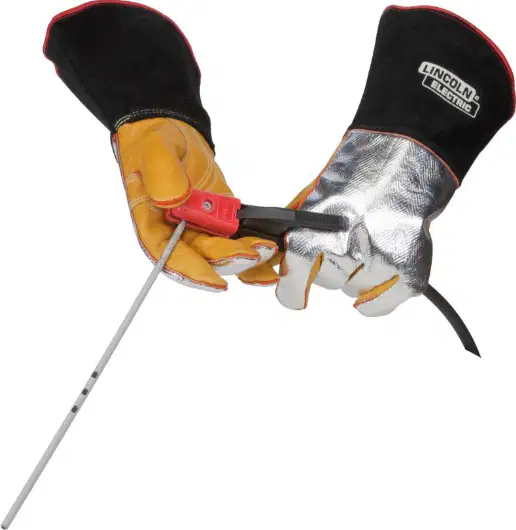
What type of clothing is recommended for electrical shock protection according to the Personal Protective Equipment guidelines?
Cotton clothing
Insulated clothing
Wool clothing
Synthetic clothing
Which of the following is a signal word used in warning labels?
Caution
Prevent
Risk
Secure
What is a safety data sheet (SDS)?
A) A list of chemicals only
B) A systematized catalogue or list of information regarding chemicals, chemical compounds and chemical mixtures, including instruction for safe use and potential hazards.
C) A list of laboratory equipment
D) A list of safety equipment
Fill in the blank: Always maintain ______ that comes with machine or hand tool.
guarding
grease
label
paint
Fill in the blank: Put tools away after each use so they do not become ______ or trip hazards.
obstructions
decorations
toys
souvenirs
Fill in the blank: Keep your work area clean and free of ______.
debris
water
paint
furniture
Fill in the blank: Always understand your role in any ______.
emergency
celebration
vacation
argument
Fill in the blank: Be aware of your ______ and the types of work those around you may be performing.
surroundings
clothes
tools
schedule
Fill in the blank: According to the safety rules for working with moving parts, Rule #1 is: Turn the engine or power ___ before working on a machine.
off
on
up
down
Fill in the blank: According to the safety rules for working with moving parts, Rule #2 is: If it ain’t ___, don’t fix it.
broke
fixed
running
safe
Fill in the blank: According to the safety rules for working with moving parts, Rule #3 is: Always ensure that protective guards and safety shields are present and in good ___ order on equipment.
working
decorative
temporary
random
Fill in the blank: According to the safety rules for working with moving parts, Rule #4 is: Fix the machine; don’t ___ with it.
fight
play
argue
negotiate
Fill in the blank: According to the safety rules for working with moving parts, Rule #5 is: ___ . ___ . ___ .
Read. Read. Read.
Stop. Look. Listen.
Think. Plan. Act.
Check. Double-check. Proceed.
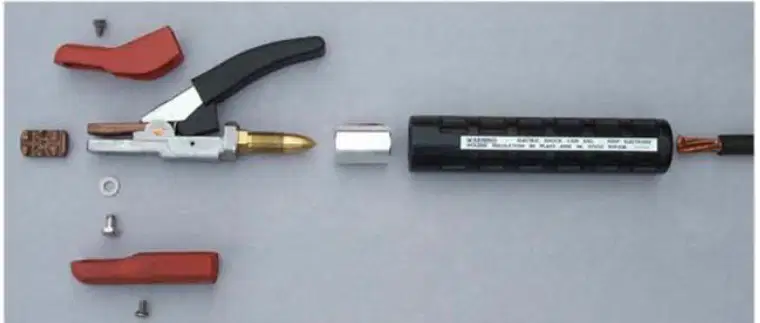
Why is the condition of your electrode holder and electrode important?
Because it ensures safety and proper functioning during use.
Because it makes the welding process faster regardless of technique.
Because it changes the color of the weld.
Because it increases the weight of the equipment.
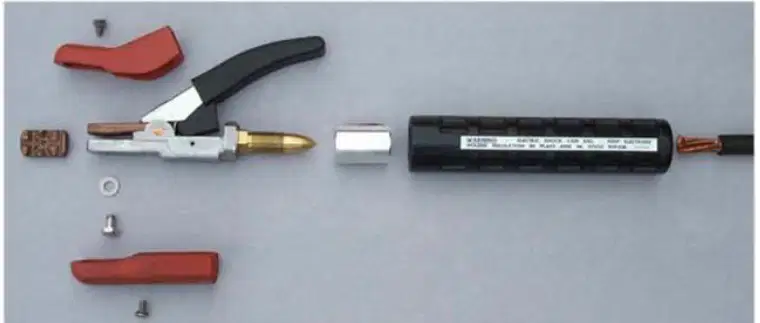
The plastic or fiber insulation on the electrode holder protects you from touching the metal 'electrically hot' parts inside.
True
False
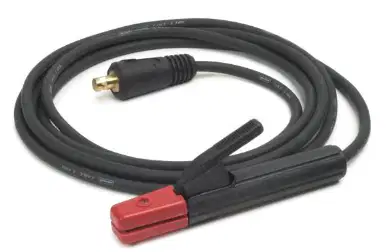
Equipment Safety: Always inspect your electrode holder before turning the welder on.
True
False
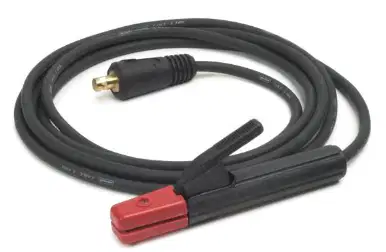
Equipment Safety: What should you do if your electrode holder is damaged?
Repair it yourself
Replace the holder
Ignore the damage
Use it anyway
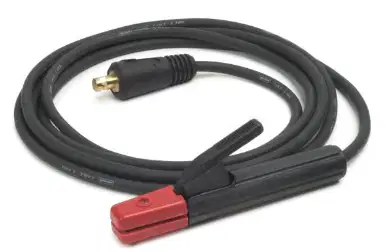
Equipment Safety: Do not try to repair the electrode holder unless you have _________?
replacement parts
protective gloves
a welding mask
an assistant
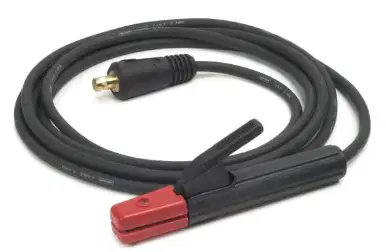
Equipment Safety: The electrode holder is always electrically hot when the machine is on.
True
False
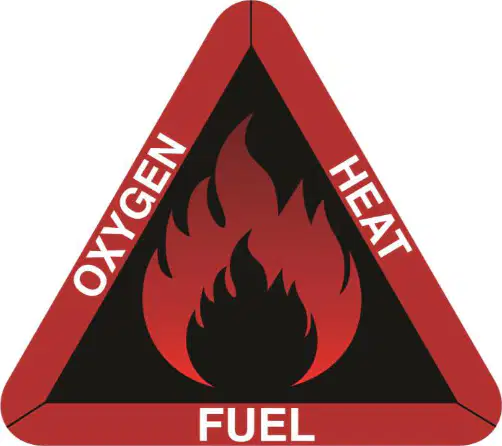
Fire Safety: Heat is not the hazard (in general).
True
False
What is a danger of fire when working with sparks and molten metal?
Danger of fire from sparks and molten metal.
Increased humidity in the air.
Improved air quality.
Reduced noise levels.
Fire Safety: Make sure the work is not in contact with any combustible. Which of the following is a combustible liquid?
Gasoline
Wood
Acetylene
Cardboard
Fire Safety: Make sure the work is not in contact with any combustible. Which of the following is a combustible solid?
Paints
Cardboard
Hydrogen
Oils
Fire Safety: Make sure the work is not in contact with any combustible. Which of the following is a combustible gas?
Acetylene
Gasoline
Wood
Paints
Fire Safety: You should know where fire alarms and fire extinguishers are located.
True
False
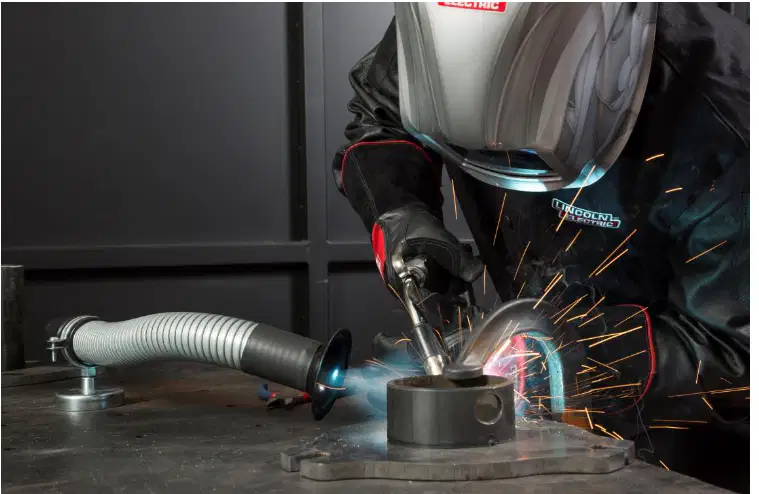
What equipment should you use to remove harmful fumes while welding?
Proper fume removal equipment
Safety gloves
Welding helmet
Ear protection

