
 Worksheets
EPF Unit 4 Taxes and You
Total questions: 30
Worksheet time: 22mins

Which of the following taxes is applied to wages, salaries, dividends, and interest earned?
Corporate Income Tax
Income Tax
Estate Tax
Excise Tax
The W-4 form lets...
the government know how much you paid in taxes last year
your employer know how much to withhold from your paycheck
the 3 major credit bureaus know how many dependents you have
you know how much you paid in taxes last year

By claiming "exempt" on the W-4 form...
You are paying all income taxes upfront at the START of the year.
You are requesting an extension to file your taxes
You will NOT have income taxes withheld from your paycheck.
You are paying all income taxes at the END of the calendar year.
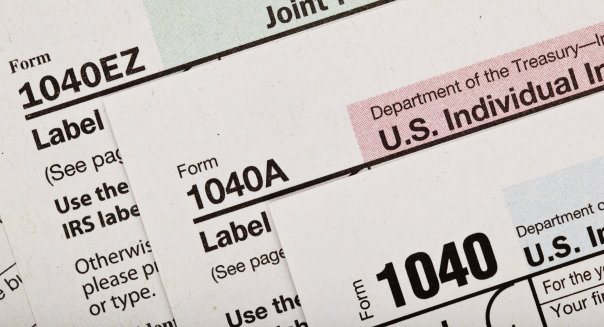
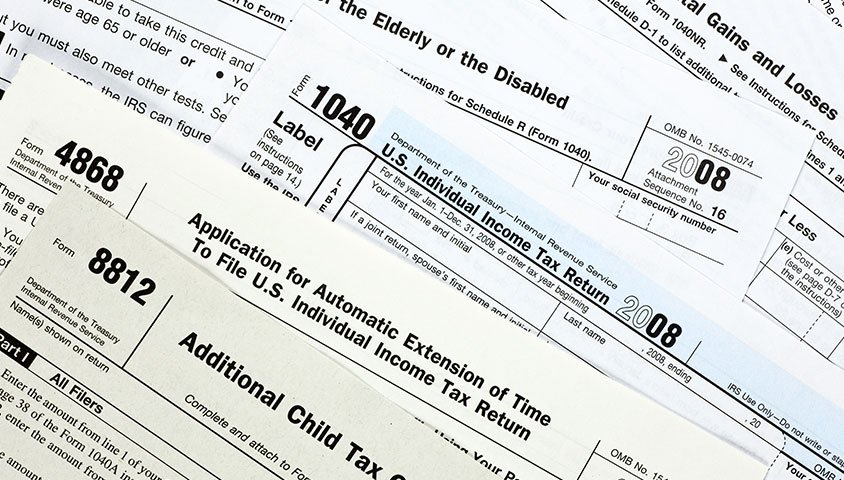
What do you need to file your 1040 form?
Your W-2
Your W-4
Your prior year's tax return
Income of $50,000 or more

Which of the following is NOT a way you can file your taxes?
Through a tax professional
Mailing in a paper tax return to the Federal government
Using tax software like TurboTax
Through your employer's HR department

If a teen files a tax return, can the parent still claim him/her as a dependent?
Yes. All teens are dependents until they are 18 years old
No. If a teen files a tax return, he/she cannot be claimed
Yes, as long as the teen meets the dependency requirements
Yes, but the parent has to add the teen's income to theirs

Local Governments earn the majority of their money from...
Property tax
Sales Tax
Corporate Tax
Fees
__________ go towards things like education, building and repairing roads and bridges, and providing health coverage to low-income families?
Benefits
Taxes
Deposit
If too many taxes were deducted from your gross pay, the government will send you money back after you file your taxes... This is called a _________.
Pay Period
Timesheet
Tax Return or Tax Refund
A tax rate is applied to an income range, or
Progressive Taxes
Tax Bracket
Other Taxes
Tax Credit

In this tax structure you pay a greater percentage of the value of the tax base as that value increases. Our Federal Income Tax is paid in this manner.
Progressive Tax
Regressive Tax
Proportional or Flat Tax
Excise Tax
In this tax structure a single tax rate (percentage) is applied to all levels of income. Some states use this as structure for State Income tax, and our FICA taxes are collected in this way.
Progressive Tax
Regressive Tax
Proportional or Flat Tax
Excise Tax
In this tax structure a single tax rate (percentage) is applied to all levels of income, however, a smaller percentage of income is used to cover the tax as your income increases. An example of this would be sales tax or even tolls for roads/bridges.
Progressive Tax
Regressive Tax
Proportional or Flat Tax
Excise Tax

When you purchase a new pair of sneakers valued at $150, but are required to pay $158.50 at the register because there is a tax on the item, which type of tax have you paid?
Corporate taxes
General sales taxes
Individual income taxes
Property taxes
Which of the following refers to an excise tax that is meant to discourage the purchase of goods that do not promote consumers’ health?
Exercise tax
Luxury tax
Sin tax
User tax

Which of the following is the single largest federal expenditure?
national defense
Social Security
interest
Medicare
A tax on the sale or production of a domestic good is called a(n)…
Estate Tax
Import Tax
"Sin" Tax
Excise Tax
Which form do you need to file your taxes?
W-1
W-2
W-3
W-4
Which form do you need to file your taxes?
1040
4010
1004
4001
Which of the following describe what a "dependent" is for tax purposes?
Someone under the age of 19 who you financially support
Someone who is temporarily disabled
Someone who financially supports you
Someone who is a full-time student under the age of 30.
The difference between taking the standard deduction and itemizing deductions is that...
Taking the standard deduction is more work than itemizing your deductions.
The standard deduction requires written proof while the itemized deductions do not.
The standard deduction is a fixed dollar amount while itemized deductions can be many smaller amounts added up.
What does it mean when the IRS audits your taxes?
They are giving you a refund.
They are updating your tax records.
They are looking at your reports to make sure they are accurate.
They are reducing the amount of taxes you owe.
For what purposes are tax credits usually given?
Only for education
Only for starting a business
For health care, adoptions, education, starting a business, etc.
Solely for personal entertainment expenses
What can inaccuracies on your tax return result in?
A quicker tax refund.
No consequences.
Rewards from the IRS.
Fees and fines that add to the money you owe.
What form did you complete at the beginning of your employment that determined how much was taken out in taxes (based on your marital status and dependents)?
I-9
W-2
W-4
1040
What can be deducted from your taxable income?
Interest on student loans
Interest on credit card debt
Interest on car loans
Food expenses
What form is used by independent contractors and the self-employed to report income?
I-9
1099
W-2
W-4
Which of the following is NOT considered a legitimate tax deduction?
Children
Pet Care Expenses
Student Loans
Charitable Donations

