
 Worksheets
Intro to Financial Literacy - TH Fall 2025
Total questions: 62
Worksheet time: 31mins
Name
Class
Date
1.
Which of these is the only true measure of wealth?
a)
Net Worth
b)
Income
c)
Assets
d)
Liabilities
e)
Expenses
2.
Cars and houses are ______.
a)
Assets
b)
Income
c)
Liabilities
d)
Expenses
e)
College Degrees
3.
The salary that you earn from your job is called ______.
a)
Income
b)
Assets
c)
Liabilities
d)
Expenses
e)
College Degrees
4.
Savings and Investments are ______.
a)
Assets
b)
Income
c)
Liabilities
d)
Expenses
e)
College Degrees
5.
Student loans and car loans are ______.
a)
Liabilities
b)
Income
c)
Assets
d)
Expenses
e)
College Degrees
6.
True or False. You should save for your retirement.
a)
True
b)
False
7.
Most millionaires are college graduates.
a)
True
b)
False
8.
Most millionaires work fewer than 40 hours a week.
a)
True
b)
False
9.
More than half of all millionaires inherited their money. True or False
a)
True
b)
False
10.
Most millionaires attended private schools. True or False
a)
True
b)
False
11.
Most millionaires drive expensive new cars. True or False
a)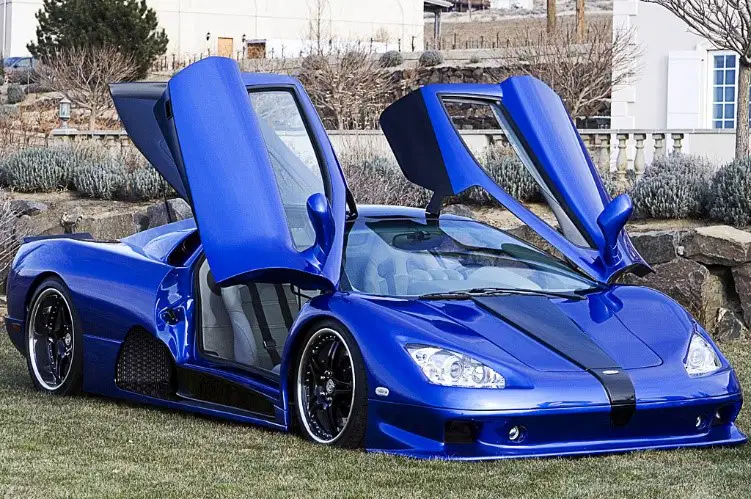
True
b)
False
12.
Most millionaires work in glamorous jobs, such as sports, entertainment, or high tech True or False
a)
True
b)
False
13.
The most common way to become a millionaire is by winning the lottery. True or False
a)
True
b)
False
14.
A college graduate earns almost double the annual income of a high school graduate. True or False
a)
True
b)
False
15.
Millionaires tend to avoid investing in the stock market. True or False
a)
True
b)
False
16.
Millionaires tend to be single rather than married. True or False
a)
True
b)
False
17.
What percentage of Americans are millionaries?
a)
1 in 32
b)
1 in 3
c)
Neither of these
18.
Statistically, _____ have the most millionaires:
a)
High school graduate
b)
College graduates
c)
People with a masters or doctorate degree
d)
There is no correlation between education and wealth
19.
Which of these are the serious life challenges that people often face?
a)
All of these
b)
divorce
c)
disability
d)
caregiving (e.g. taking care of parents)
e)
illness
20.
People with medical debt are _____ than others to grapple with mental health issues like anxiety and depression.
a)
just as likely
b)
three times more likely
c)
three times less likely
d)
None of these. Medical debt doesn't impact mental health.
21.
Due to ____ stress, 48% reported sleep problems, 40% had higher anxiety, 38% led diminished social lives and 34% experienced depression.
a)
debt-related
b)
medical-related
c)
relationship-related
d)
performance-related
22.
True or False. Most people are less likely to go into debt if they are stressed out about money.
a)
True
b)
False
23.
True or False. For some people, the pressure and stress of owing money can sometimes lead to seeking temporary relief or comfort through buying.
a)
True
b)
False
24.
True or False. Financially anxious and stressed individuals are more likely to plan for retirement.
a)
True
b)
False
25.
True or False. Financial literacy education may help students be better prepared to navigate whatever money stressors come their way throughout their lifetimes.
a)
True
b)
False
26.
What percentage of people make purchases due to FOMO?
a)
20
b)
40
c)
60
d)
80
e)
100
27.
Which social media site causes the most spending because of FOMO?
a)
Facebook
b)
Instagram
c)
Twitter
d)
Pinterest
28.
___ is when an investor puts her money in “what she knows”, rather than seeking the obvious benefits from portfolio diversification.
a)
Familiarity Bias
b)
Self-Attribution Bias
c)
Anchoring Bias
d)
Survivorship Bias
29.
True or False. You should invest in "what you know", instead of trying to learn about new industries or investments.
a)
True
b)
False
30.
___ is when an entrepreneur overly attributes his company’s success to himself, rather than other factors (team, luck, industry trends).
a)
Familiarity Bias
b)
Self-Attribution Bias
c)
Anchoring Bias
d)
Survivorship Bias
31.
An employee in a salary negotiation being is too dependent on the first number mentioned in the negotiations, rather than rationally examining a range of options, is an example of _______.
a)
Familiarity Bias
b)
Self-Attribution Bias
c)
Anchoring Bias
d)
Survivorship Bias
32.
When entrepreneurship looks easy, because there are so many successful entrepreneurs out there, this is ______.
a)
Familiarity Bias
b)
Self-Attribution Bias
c)
Anchoring Bias
d)
Survivorship Bias
33.
The higher your income is, the _____ you set the bar for what it means to be "rich."
a)
higher
b)
lower
c)
Both of these
d)
Neither of these - rich is rich no matter how much money you make.
34.
Which of these is the best measurement of wealth:
a)
Income
b)
Expenses
c)
Assets
d)
Liabilities
e)
Net Worth
35.
How do you calculate someone’s net worth?
a)
Assets minus liabilities
b)
Debts minus liabilities
c)
Liabilities minus savings
d)
Assets minus savings
e)
Their shoes
36.
True or False. You could make $100k or more and still struggle to pay your bills.
a)
True
b)
False
37.
True or False? Most Americans think you need at least $1 million to be “financially comfortable.”
a)
True
b)
False
38.
How do banks make their money if you DON'T have a lot of money deposited there?
a)
They use your money to earn interest for themselves.
b)
They charge you a monthly fee.
c)
Neither of these
d)
Both of these
39.
How do banks reorder what you spend your money on (with checks or a debit card)?
a)
From highest to lowest dollar amounts, so they can charge more overdraft fees.
b)
From lowest to highest dollar amounts, so they can charge more overdraft fees.
c)
Alphabetically, so you can find them easier.
d)
None of these - banks don't reorder anything.
40.
True or False. Some low income people avoid banks because the bank charges them high fees.
a)
True
b)
False
41.
Which of these are expenses that people without bank accounts pay just to spend their own money:
a)
Check cashing fee
b)
Buying a money order
c)
Using overnight delivery to mail a check
d)
None of these
e)
All of these
42.
Which of these charge up to 800% APR?
a)
Payday loans
b)
Car title loans
c)
Both of these
d)
Neither of these
43.
True or False. Inflation hits everyone the same, whether you are wealthy or poor.
a)
True
b)
False
44.
True or False. The lower the Expected Family Contribution ("EFC") the more it will cost you to go to college.
a)
True
b)
False
45.
Which of these is used to calculate your Expected Family Contribution:
a)
Your family's income
b)
Your family's assets
c)
Your family's expenses
d)
Your family's liabilities
46.
What ONE THING do you ALWAYS use when buy food, travel, go to college, or own a home?
a)
Assets
b)
Liabilities
c)
Income
d)
Expenses
e)
Net Worth
47.
Money is _____ .
a)
important to understand and know how to manage.
b)
easy to understand.
c)
easy to manage.
d)
All of these
e)
None of these
48.
When you borrow money, you will have to pay the lender ____.
a)
Interest
b)
Income
c)
Taxes
d)
All of these
e)
None of these
49.
True or False. You will probably need three times your monthly rent before you can rent an apartment.
a)
True
b)
False
50.
Which of these should is not a true statment about financial literacy:
a)
You should learn as much about it as you possibly can.
b)
You should think about your own financial decisions, and the decisions of others around you.
c)
Any mistakes you make with personal finance are permanent and can't be fixed.
51.
True or False. Knowing about illogical fallacy decisions can help us avoid them.
a)
True
b)
False
52.
True or False. Assignments for this class are in Teams.
a)
True
b)
False
53.
True or False. Closing Bell Work is due at midnight, every day except Wednesday, because we have Advocacy on Wednesdays.
a)
True
b)
False
54.
Which of these should you include in every Closing Bell Work that you turn in:
a)
A list of the topics that we learned
b)
A summary of the things that we learned
c)
A question about what we learned
d)
All of these
e)
None of these
55.
Which of these should you include in every Closing Bell Work that you turn in:
a)
A list of the things that we did in class
b)
A summary of the things that we did in class
c)
A question about what we did in class
d)
All of these
e)
None of these
56.
What does R.A.T. stand for?
a)
Research, Analysis, and Testing
b)
Read, Answer, Teach
c)
Review, Argumentation, Technology
d)
None of these
57.
True or False. EdPuzzles are never homework, because we always do them together in the classroom.
a)
True
b)
False
58.
Which of these are ok to use while you are taking a Quiz, a Quest, or a Test:
a)
None of these
b)
Notes from your Closing Bell Work
c)
Google searches
d)
Working copies
e)
Help from your classmates
59.
The final in this class is important because:
a)
It is 10 % of your grade for the class
b)
You can use your percentage from the final for the final and also apply it to one Quest with a lower percentage
c)
Both of these
d)
Neither of these
60.
If you are late submitting a Google Form and the Form is no longer "Accepting Responses", you can make up that late work:
a)
Saturday school - but only for the current unit, and one unit prior
b)
Advocacy - but only for the current unit, and one unit prior
c)
Anytime
d)
During lunch
e)
After school
61.
If you miss a Quiz or Quest or Test, you can make it up:
a)
After School
b)
During lunch
c)
During Advocacy - on days that we are allowed to pass
d)
Saturday School
62.
True or False. This class moves fast, and it is hard to catch up if you fall behind.
a)
True
b)
False
100 %

