
NEW
Font size
 Worksheets
Biomed: HBS - Anatomy Regional and Directional Terms 1.1.1-1.1.2
Total questions: 71
Worksheet time: 34hrs 2mins
Anatomical position
The body is standing up straight with arms hanging at the sides and palms facing backward
The body is standing up straight with arms directly on the sides and palms facing sideways
The body is standing up straight with arms hanging at the sides and palms facing forward
The body is standing up straight with arms directly on the sides and palms facing forward
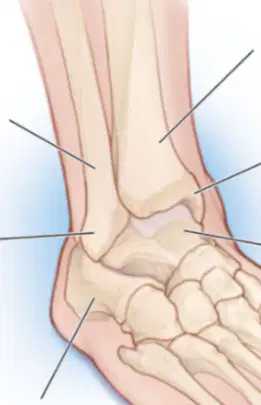
What region is this?
Digital
Carpal
Tarsal
Calcaneal

What region is this?
Olecranal
Patellar
Lumbar
Femoral
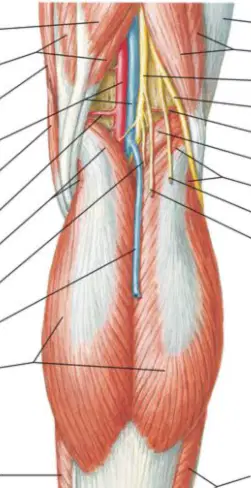
What region is this?
Popliteal
Antecubital
Gluteal
Sarcal
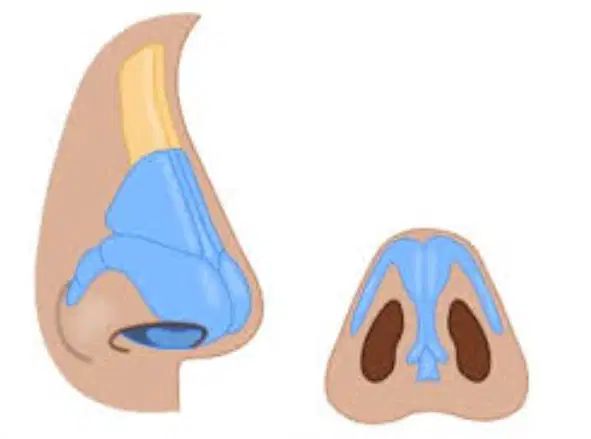
What region is this?
Orbital
Cephalic
Nasal
Oral
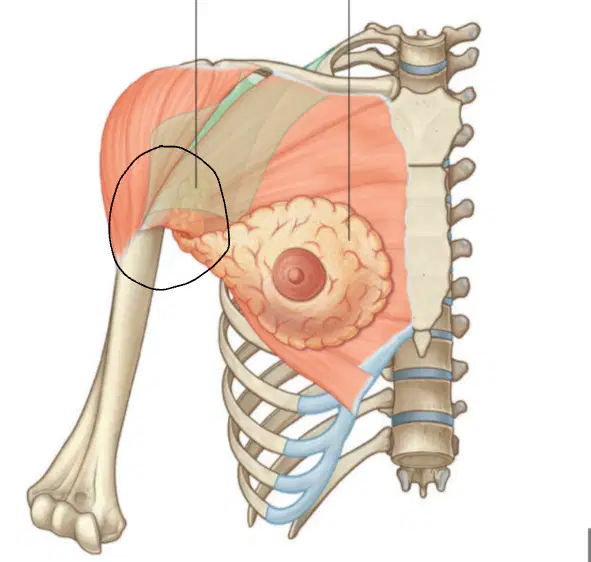
What region is this?
Axillary
Buccal
Brachial
Coxal
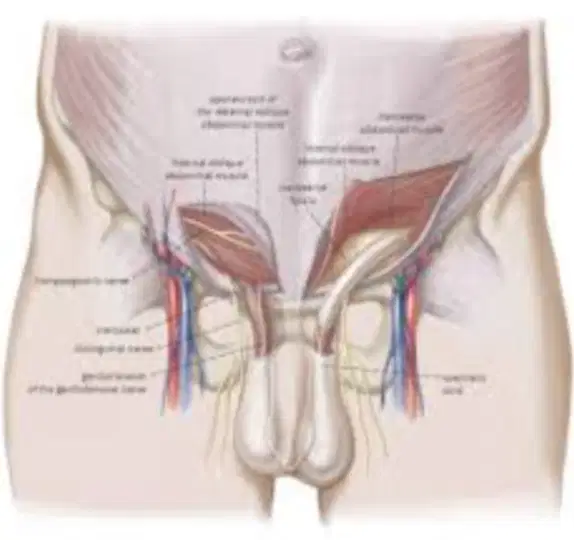
What region is this?
Gluteal
Pelvic
Umbilical
Inguinal
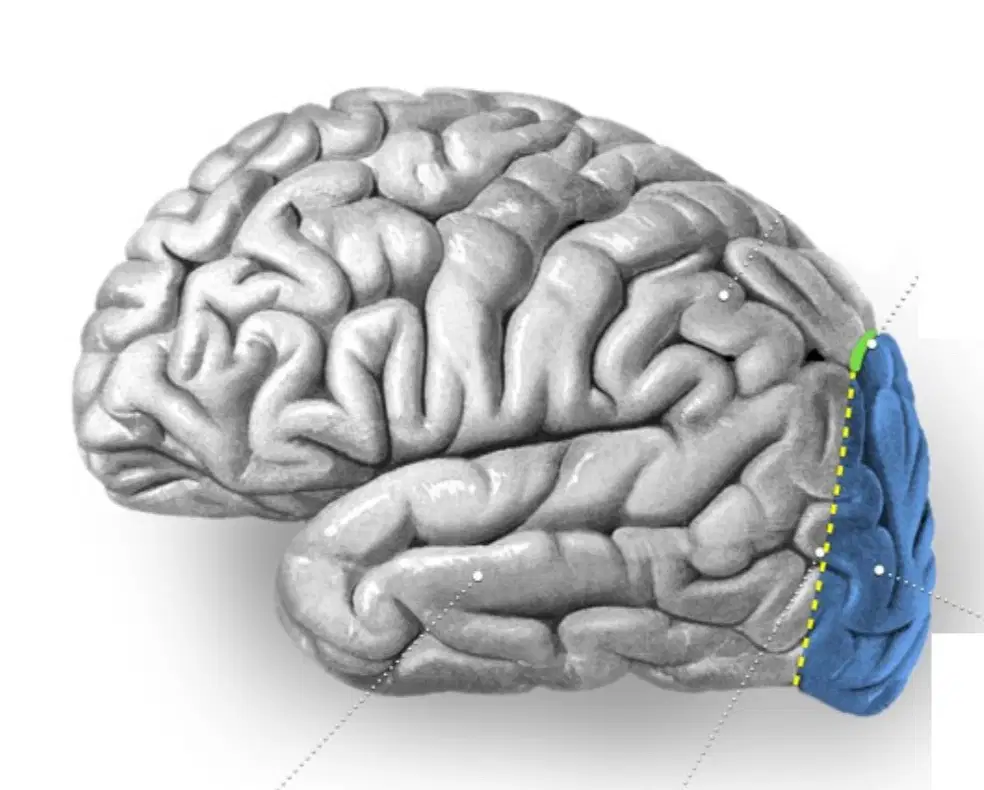
What region is this?
Occupital
Oral
Cervical
Sternal

What region is this?
Pelvic
Lumbar
Thoracic
Sternal
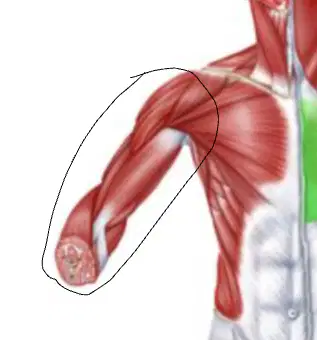
What region is this?
Calcaneal
Olecrancal
Antecubital
Brachial

What region is this?
Pelvic
Inguinal
Sacral
Coxal
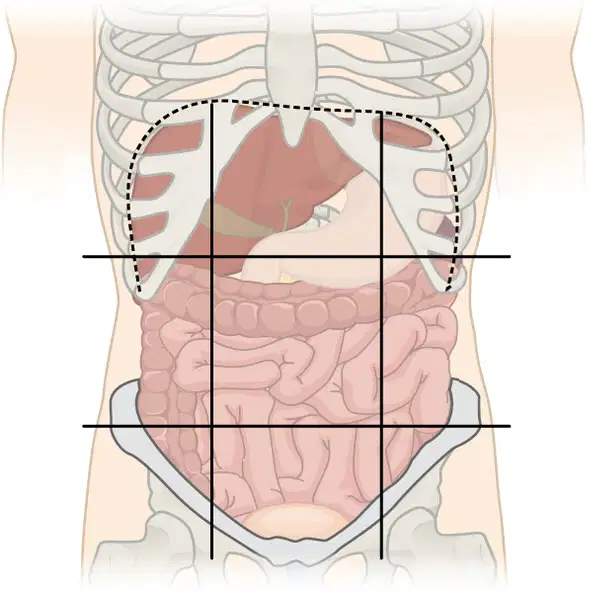
What region is this?
Carpal
Scapular
Umbilical
Abdominal

What region is this?
Olecranal
Oral
Orbital
Cervial
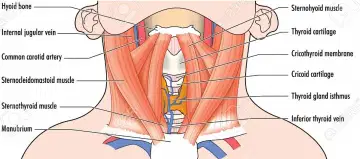
What region is this?
Cervical
Buccal
Brachial
Thoracic
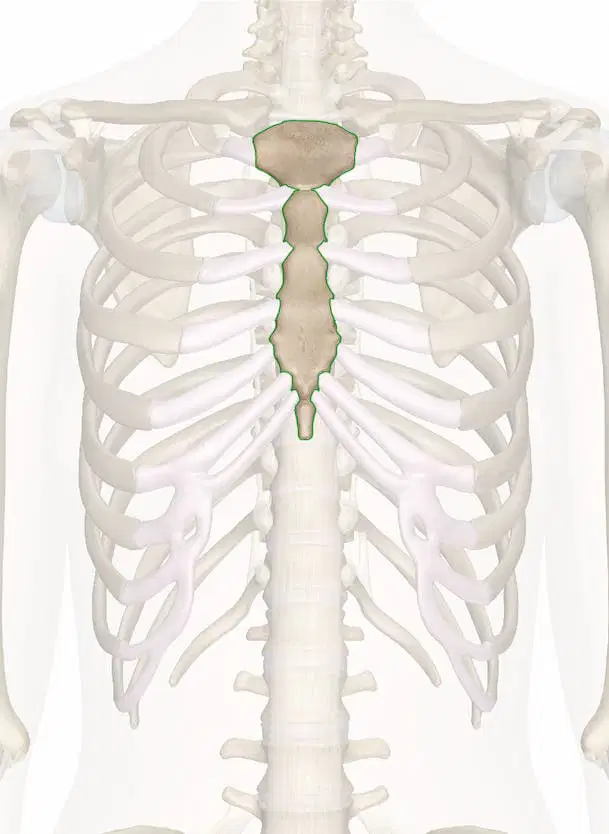
What region is this?
Thoracic
Vertebral
Sternal
Lumbar
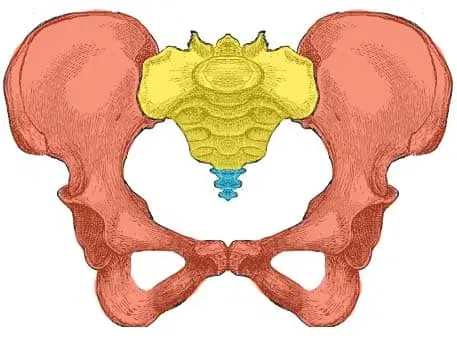
What region is this?
Pelvic
inguinal
Coxal
Gluteal
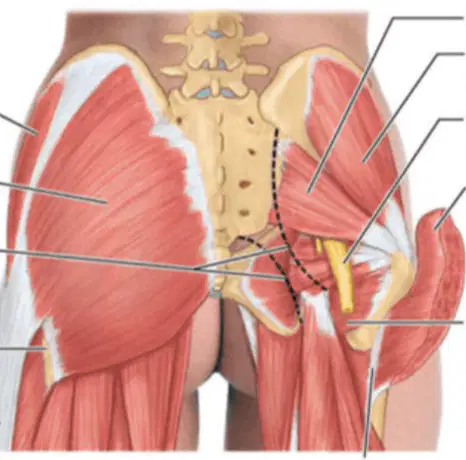
What region is this?
Cephalic
Digital
Gluteal
Umbilical

What region is this?
Antrecubital
Scapular
Sacral
Pelvic
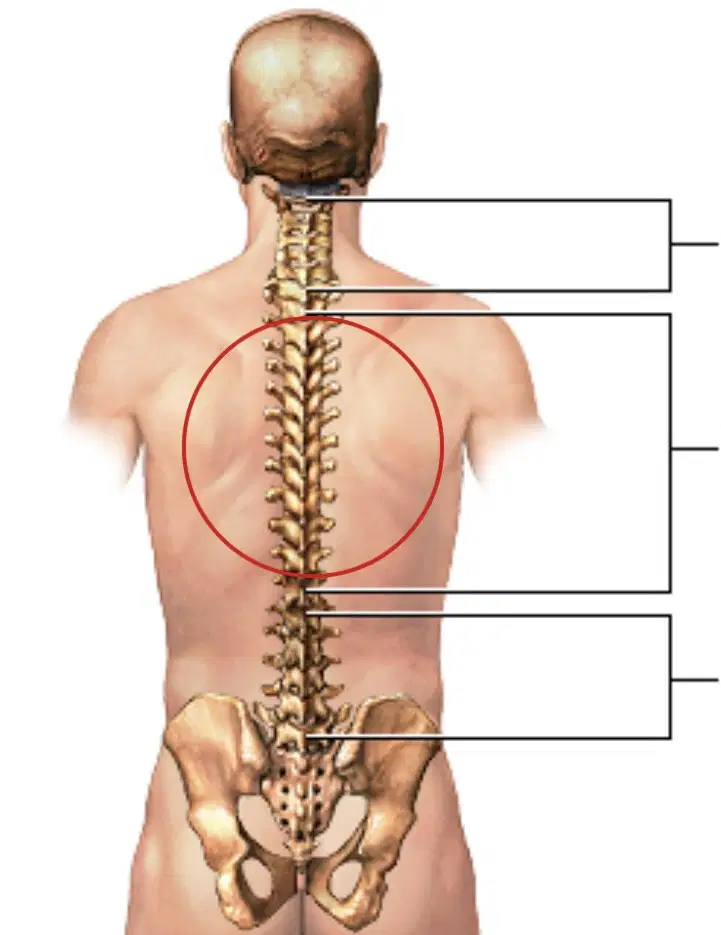
What region is this?
Femoral
Sternal
Vertebral
Thoracic
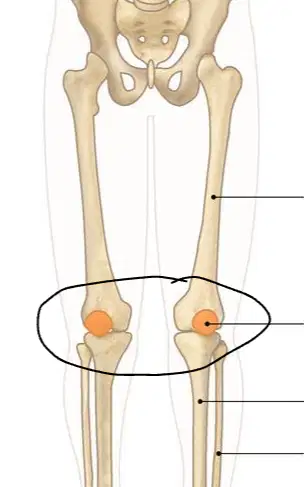
What region is this?
Patellar
Olecranal
Calcaneal
Buccal

What region is this?
Tarsal
Buccal
Orbital
Axillary

What region is this?
Brachial
Olecranal
Vertebral
Popliteal
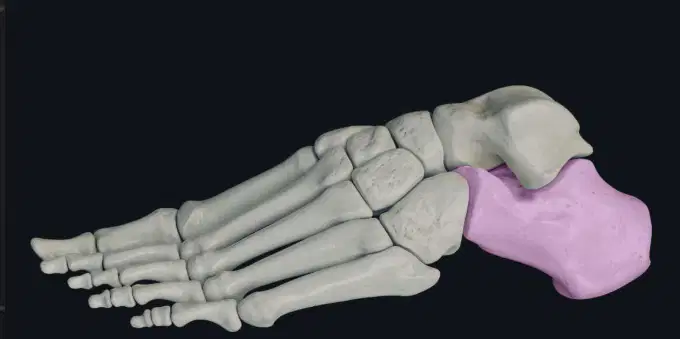
What region is this?
Calcaneal
Orbital
Cephalic
Cervical

What region is this?
Carpal
Digital
Oral
Orbital
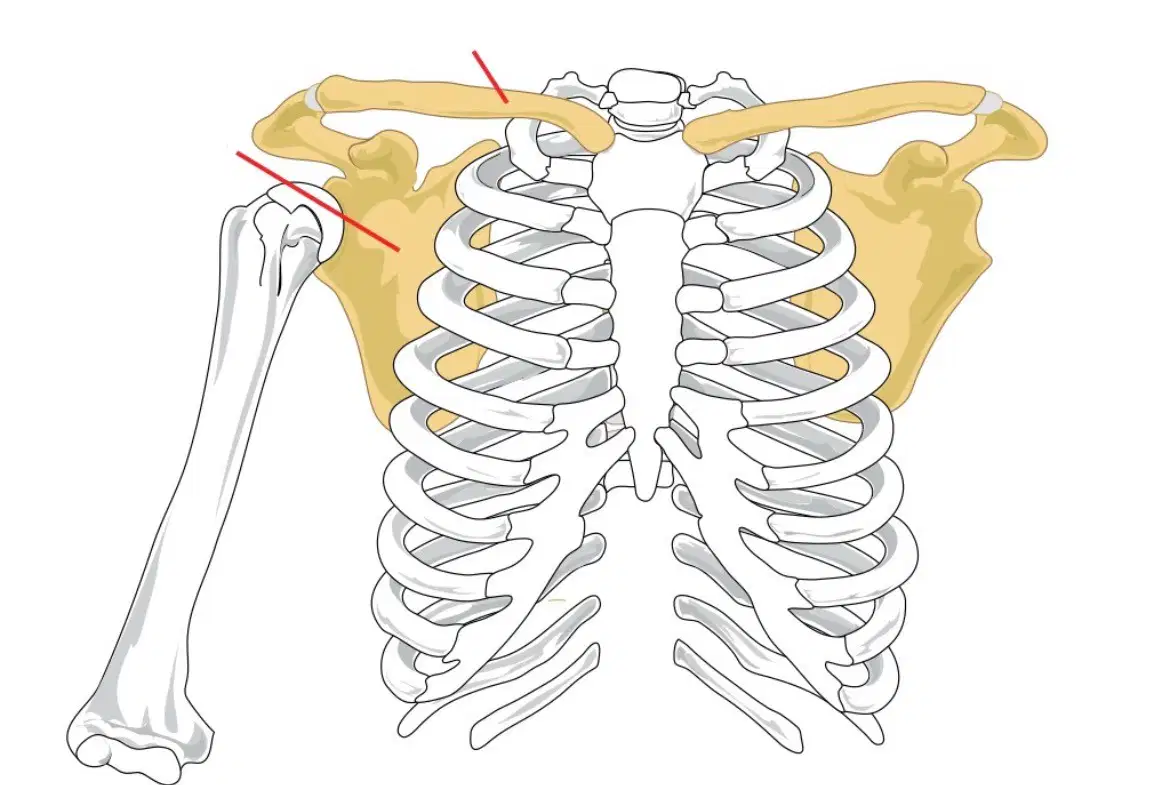
What region is this?
Patellar
Abdominal
Scapular
Vertebral

What region is this?
Sacral
Carpal
Digital
Coxal
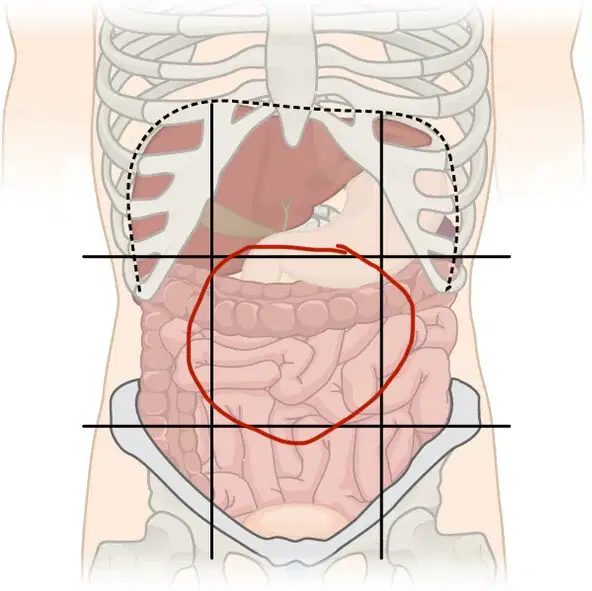
What region is this?
Umbilical
Femoral
Occupital
Sternal
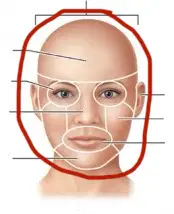
What region is this?
Cervical
Occupital
Buccal
Cephalic
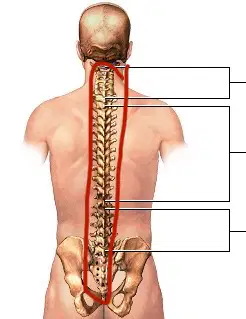
What region is this?
Vertebral
Thoracic
Lumbar
Sternal
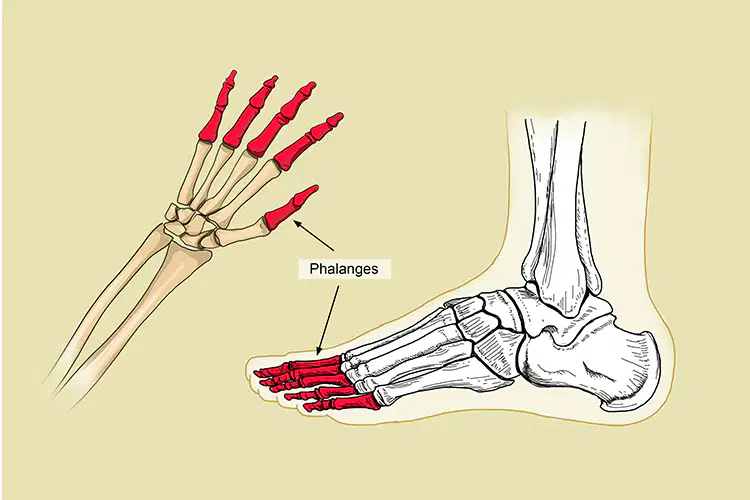
What region is this?
Cervical
Popliteal
Digital
Carpal

What region is this?
Scapular
Axillary
Antecubital
Olecranal
Posterior
Front side of body part
Back of body
Backside of body part
Front of body
Anterior
Front of body
Front side of body part
Backside of body part
Back of body
Dorsal
Backside of body part
Front of body
Frontside of body part
Back of body
Ventral
Back of body
Frontside of body part
Front of body
Backside of body part
Proximal
Part further from the midline
Part further from the trunk
Part closer to the midline
Part closest to the trunk
Medial
Part closer to midline
Part further away from midline
Part closest to the trunk
Part further from the trunk
Distal
Part further from the trunk
Part further away from midline
Part closest to the trunk
Part closer to midline
Lateral
Part further from trunk
Part closer to midline
Part closest to the trunk
Part further away from midline
Superior
Closest to feet (Bottom)
Further from the surface of the body part (Interior)
Closest to head (Top)
Closer to the surface of the body part (Exterior)
Deep
Closest to feet (Bottom)
Further from the surface of the body (Interior)
Closest to head (Top)
Closer the the surface of the body (Exterior)
Superficial
Further from the surface of the body (Interior)
Closest to the head (Top)
Closest to the feet (Bottom)
Closer to the surface of the body (Exterior)
Inferior
Closest to head (Top)
Further from the surface of the body (Exterior)
Closest to feet (Bottom)
Closer to the surface of the body (Interior)
Anatomist
Diagnoses and treats illness
Identify remains and determines cause of death
Helps prevent, treat, and rehabilitate patients after injuries
An expert in anatomy; a dissector
Physical therapist
Helps prevent, treat, and rehabilitate patients after injuries
Interprets medical images like X-rays and MRIs
Examines tissues and organs and diagnoses diseases
Studies anatomy to understand how to body works and develops new treatments
Directional terms
Words that describe specific regions or locations on the body
Words that describe the spaces of the body that contain the internal organs, or viscera
Words that describe the location of one structure in relation to another. Also used to indicate specific locations on organs or bones
Words that act like a coordinate system to describe a human in the anatomical position
Regional terms
Words that describe specific regions or locations on the body
Words that describe the location of one structure in relation to another. These terms are also used to indicate specific locations on organs or bones
Words that act like a coordinate system to describe a human in the anatomical position
Words that describe the spaces of the body that contain the internal organs, or viscera
Body planes
Words that describe the location of one structure in relation to another. These terms are also used to indicate specific locations on organs or bones
Words that act like a coordinate system to describe a human in the anatomical position
Words that describe the spaces of the body that contain the internal organs, or viscera
Words that describe specific regions or locations on the body
Body cavities (Term)
Words that describe specific regions or locations on the body
Words that act like a coordinate system to describe a human in the anatomical position
Words that describe the spaces of the body that contain the internal organs, or viscera
Words that describe the location of one structure in relation to another. These terms are also used to indicate specific locations on organs or bones
What are the body's main divisions?
Axial and appendicular
The cranial cavity and the vertebral cavity
The dorsal body cavity and the ventral body cavity
The thoracic cavity and the abdomino-pelvic cavity
Axial
Makes up the main axis of our body, includes the head, neck, and trunk
Consists of the appendages, or limbs, attached to the body’s axis
Process where bones gradually fuse together over time, increasing stability but reducing flexibility
Muscles that are arranged in a circular pattern, allowing for a wide range of motion but less power
Appendicular
Describes the body's ability to perceive and respond to changes in air pressure, such as during air travel
Makes up the main axis of our body, includes the head, neck, and trunk
Consists of the appendages, or limbs, attached to the body’s axis
A network of tiny blood vessels that deliver nutrients directly to individual cells, bypassing the main circulartory system
Anatomical planes
Invisible energy fields surrounding the body, used in traditional medicine or diagnose imbalances in the body's vital energy
A set of virtual grids used by surgeons to plan the trajectory of surgical instruments in minimally invasing procedures
Used by cells to navigate and communicate with each other during tissue repair and regeneration
Used to study organs or structures in different views
Front (Coronal) plane
Divides the body vertically into equal left and right portions
Divides the body vertically into unequal right and left portions
Divides the body horizontally into superior and inferior portions
Divides the body vertically into anterior and posterior portions
Median plane
Divides the body vertically into equal left and right portions
Divides the body vertically into unequal right and left portions
Divides the body vertically into anterior and posterior portions
Divides the body horizontally into superior and inferior portions
Transverse (Axial) plane
Divides the body vertically into equal left and right portions
Divides the body vertically into unequal right and left portions
Divides the body vertically into anterior and posterior portions
Divides the body horizontally into superior and inferior portions
Sagittal plane
Divides the body horizontally into superior and inferior portions
Divides the body vertically into unequal right and left portions
Divides the body vertically into anterior and posterior portions
Divides the body vertically into equal left and right portions
Body cavities (Definition)
The body's natural sound amplifiers, resonating with different frequencies to enhance hearing and improve communication
Contains fluid and protect delicate internal organs by providing room for the organs to change in size and shape as they perform their functions
The body's internal communication network, transmitting electrical signals between organs to coordinate complex functions
Empty spaces within bones, specifically designed to reduce the overall weight of the skeleton, making movement easier and more efficient
What are the main body cavities the human body is divided into?
The abdominal cavity and the pelvic cavity
The cranial cavity and the vertebral cavity
The ventral cavity and the vertebral cavity
The dorsal cavity and the ventral cavity
What are the parts that the dorsal body cavity are subdivided into?
The cranial cavity and the vertebral cavity
The dorsal cavity and the ventral cavity
The cranial cavity and the ventral cavity
The abdominal cavity and the pelvic cavity
Cranial cavity
The space formed by the bones of the skull. It contains the brain and protects it from bumps and bruises
The space formed by the bones of the vertebral column and contains the spinal cord
Contains the heart and the lungs. It is enclosed by the ribs and provides space for the lungs to expand and contract inside the cavity
The largest hollow space of the body and contains the stomach, liver, spleen, kidneys, small intestine, and most of the large intestine
Vertebral cavity
A bowl-like structure that sits below the abdominal cavity and is part of the abdominal-pelvic cavity. It contains the bladder and internal reproductive organs
The largest hollow space of the body and contains the stomach, liver, spleen, kidneys, small intestine, and most of the large intestine
The space formed by the bones of the vertebral column and contains the spinal cord
Contains the heart and the lungs. It is enclosed by the ribs and provides space for the lungs to expand and contract inside the cavity
What are the parts that the ventral body cavity are subdivided into?
The cranial cavity and the abdomino-pelvic cavity
The dorsal body cavity and the ventral body cavity
The thoracic cavity and the abdomino-pelvic cavity
The cranial cavity and the vertebral cavity
What separates the thoracic cavity and the abdomino-pelvic cavity?
The pelvic cavity
The vertebral cavity
The diaphragm
The subcostal membrane
Thoracic(Chest) cavity
The space formed by the bones of the skull. It contains the brain and protects it from bumps and bruises
The largest hollow space of the body and contains the stomach, liver, spleen, kidneys, small intestine, and most of the large intestine
A bowl-like structure that sits below the abdominal cavity and is part of the abdominal-pelvic cavity. It contains the bladder and internal reproductive organs
Contains the heart and the lungs. It is enclosed by the ribs and provides space for the lungs to expand and contract inside the cavity
Pelvic cavity
Consists of the abdominal cavity and the pelvic cavity
Contains fluid and protect delicate internal organs by providing room for the organs to change in size and shape as they perform their functions
A bowl-like structure that sits below the abdominal cavity and is part of the abdominal-pelvic cavity. It contains the bladder and internal reproductive organs
The space formed by the bones of the vertebral column and contains the spinal cord
Abdomino-pelvic Cavity
Consists of the appendages, or limbs, attached to the body’s axis
Consists of the abdominal cavity and the pelvic cavity
A bowl-like structure that sits below the abdominal cavity and is part of the abdominal-pelvic cavity. It contains the bladder and internal reproductive organs
The largest hollow space of the body and contains the stomach, liver, spleen, kidneys, small intestine, and most of the large intestine
Abdominal cavity
A bowl-like structure that sits below the abdominal cavity and is part of the abdominal-pelvic cavity. It contains the bladder and internal reproductive organs
The largest hollow space of the body and contains the stomach, liver, spleen, kidneys, small intestine, and most of the large intestine
Contains the heart and the lungs. It is enclosed by the ribs and provides space for the lungs to expand and contract inside the cavity
Consists of the abdominal cavity and the pelvic cavity
Conclusion question 1 - 1.1.1
Physical therapists are experts in treating muscular and skeletal conditions. Why would an understanding of how other body systems work be important in treating their patients?
The human body is interconnected. Body systems can have effects on each other, meaning if something happens to one system, it can affect another system
Physical therapists need to understand other body systems for billing purposes, even if those systems aren't directly related to the issue. It ensures they can justify treatment
Knowledge of other body systems help physical therapists upsell additional services. By identifying potential issues in unrelated systems, they can recommended costly, unnecessary treatment
Physical therapists must know about other body systems to convince patients into thinking they're getting more comprehensive care
Conclusion question 1 - 1.1.2
What are the benefits of using universal terms and anatomical positions to refer to locations on the human body? How do they help identify all humans?
Universal terms help improve relations between patients and doctors by creating a professional distance
Constantly using anatomical terms can speed up the healing process for patients
It gives a clear way to help accurately locate, describe and identify body parts and can be practiced and learned universally
By using universal terms, hospitals can stop hiring translators to make sure doctors and patients understand each other
Conclusion question 2 - 1.1.2
Your friend assures you that “anterior” and “posterior” can always be used interchangeably with “ventral” and “dorsal.” Politely explain to them that this statement is not always true.
Anterior and posterior refers to the front and back, while ventral and dorsal refers to the upper or back surface of the body and the underside or belly of the body, particularly in animals
Anterior and posterior are terms exclusively used when describing the limbs(arms and legs), while dorsal and ventral are used for the torso and head
Dorsal and ventral refers to the front and back, while anterior and posterior refers to the back side of body parts
Anterior and posterior are subjective terms that depend on the viewpoint, while dorsal and ventral are objective and fixed, based on the structure

