
 Worksheets
Review Athletic Training Part I
Total questions: 42
Worksheet time: 22mins
What is one of the main roles of certified athletic trainers in the athletic health care system?
Designing workout plans
Providing nutritional advice
Preventing and treating injuries
Coaching sports teams
Which of the following is a professional organization available to certified athletic trainers?
National Athletic Trainers' Association (NATA)
American Medical Association (AMA)
National Education Association (NEA)
American Psychological Association (APA)
What is the purpose of the Athlete’s Bill of Rights?
To ensure athletes have access to proper training facilities
To protect the rights and well-being of athletes
To provide financial support to athletes
To regulate the salaries of professional athletes
How does liability and risk management pertain to athletic training?
It involves creating training schedules
It ensures the safety and legal protection of athletes and trainers
It focuses on improving athletic performance
It deals with the financial management of sports teams
Why is HIPAA legislation important in athletic training?
It regulates the dietary supplements athletes can use
It ensures the privacy and security of athletes' health information
It provides guidelines for athletic scholarships
It sets standards for athletic equipment
What is the primary focus of the Allied Health Profession?
Providing specialized care for athletes
Contributing to professions like physical medicine, dentistry, and optometry
Establishing policies for fair treatment of athletes
Prohibiting discrimination based on sex in athletics
What is the role of a Certified Athletic Trainer (ATC)?
To create policies for athlete treatment
To provide specialized care and rehabilitation for injuries
To legislate federal laws for athletics
To take the Hippocratic Oath
What does the National Athletic Trainers’ Association define athletic trainers as?
Highly qualified, multi-skilled health care professionals
Fitness coaches for athletes
Nutritionists for sports teams
Personal trainers for gym workouts
What are athletic trainers specifically trained in according to the National Athletic Trainers’ Association?
Designing workout plans
Prevention, examination, diagnosis, treatment, and rehabilitation of medical conditions
Conducting yoga sessions
Providing dietary supplements
What is the designation given to a professional who has attained certification in the field of athletic training?
Certified Athletic Trainer (CAT)
Athletic Trainer Certified (ATC)
Professional Athletic Trainer (PAT)
Licensed Athletic Trainer (LAT)
In what year did the American Medical Association recognize athletic training as an allied health profession?
1985
1991
2000
1995
What role does an Athletic Trainer Certified (ATC) play in a healthcare team?
They only focus on physical therapy.
They function as a member of a healthcare team involving several medical specialties.
They work independently without collaboration.
They only provide fitness training.
Which of the following fields are athletic trainers involved in, besides healthcare?
Culinary arts
Performing arts
Fashion design
Architecture
How has the role of athletic trainers changed in recent times?
They only work with athletes now.
They are more aligned with other healthcare providers.
They focus solely on physical therapy.
They have become less involved in healthcare.
What is one of the impacts of the changing role of athletic trainers?
Decreased demand for athletic trainers.
Changes in athletic training education.
Less involvement in sports.
Reduced employment opportunities.

What was the main purpose of the federal legislation enacted in 1972 known as Title IX?
To increase funding for athletic programs
To prohibit discrimination on the basis of sex in school athletics
To promote international sports competitions
To establish new athletic leagues
How did Title IX impact female athletes according to the legislation?
It reduced the number of female athletes
It provided female athletes with scholarships
It accorded female athletes equal treatment under the law
It limited female participation in athletics
Since the enactment of Title IX, how has the participation of females in athletics changed?
It has decreased significantly
It has remained the same
It has grown substantially
It has only increased in professional sports
What does the National Alliance for Youth Sports estimate about participation in non-school athletics?
Over 30 million youngsters participate
Over 20 million youngsters participate
Over 15 million youngsters participate
Over 25 million youngsters participate
What is one reason the athletic training profession continues to assert itself in mainstream healthcare?
Increasing educational requirements and public demand for skilled professionals
Decreasing interest in sports and medicine
Lack of advancements in medical science
Reduced need for healthcare professionals
How will advancements in medical science impact those involved in sports and exercise?
They will face more injuries
They will stay healthier and active longer in life
They will require less training
They will have fewer career opportunities
What factor will contribute to the evolution of athletic training?
Decrease in sports participation
Increase in athlete retirements
Ongoing competition and occurrence of injuries
Reduction in healthcare facilities
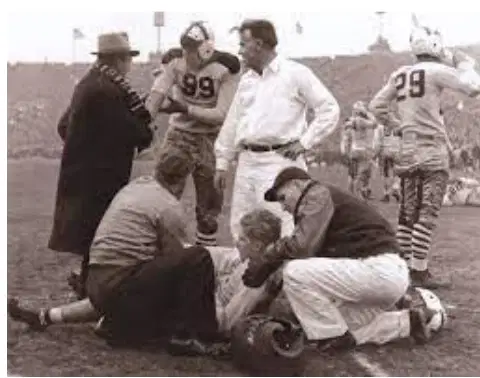
What significant event in 1905 led to the hiring of athletic trainers in colleges?
Introduction of intercollegiate football
Recognition of the first athletic trainer
Threat to abolish football due to injuries
Promotion of athlete hygiene
What role did Galen have in ancient Rome?
Philosopher and teacher
Physician and trainer to gladiators
Architect and engineer
Poet and playwright

What skills do athletic trainers possess?
Ability to work with people, solve problems, and communicate clearly
Expertise in financial management and accounting
Skills in graphic design and digital marketing
Proficiency in culinary arts and food preparation
What is a major benefit of being an athletic trainer?
Knowing you made a difference in the life of an athlete
Receiving high financial bonuses
Traveling to exotic locations frequently
Working a standard 9-5 schedule
What is a typical work schedule for athletic trainers?
Varying schedules often exceeding 40 hours a week
Standard 9-5 work hours
Part-time hours with weekends off
Flexible hours with remote work options
What is the primary ethical requirement for certified athletic trainers?
To follow a flexible code of conduct
To adhere to a strict code of ethics and professionalism
To prioritize personal judgment over rules
To focus solely on physical training
Which organization’s rules must ATCs abide by?
International Sports Federation
National Athletic Trainers Association Board of Certification
Global Health Professionals Council
World Athletic Trainers Union

What can result from failing to follow the rules set by the certifying organization for ATCs?
Promotion to a higher position
Disciplinary action or termination of certification
Increased salary
Additional training opportunities
What is one of the key principles of the NATA's Code of Ethics regarding the treatment of others?
Members should prioritize their own interests.
Members should practice with compassion, respecting the rights, welfare, and dignity of others.
Members should focus solely on athletic performance.
Members should disregard patient confidentiality.
What type of conduct should members avoid according to the NATA's Code of Ethics?
Conduct that enhances their reputation.
Conduct that could be construed as a conflict of interest.
Conduct that promotes teamwork.
Conduct that improves patient outcomes.
What is the primary focus in professional practice according to the foundational behaviors?
The healthcare system
The patient
The medical staff
The technology used
Which of the following is a foundational behavior of professional practice related to ethics?
Practicing ethically
Practicing quickly
Practicing independently
Practicing economically

What does advancing the knowledge base in athletic training involve?
Ignoring new research
Staying updated with current practices
Focusing only on traditional methods
Limiting education to basic skills

Which of the following is a personal quality of an athletic trainer?
Stamina and the ability to adapt
Financial acumen
Technical skills in software
Culinary expertise
What personal quality involves understanding and sharing the feelings of others?
Empathy
Sense of humor
Communication
Intellectual curiosity
Why is communication considered a vital quality for an athletic trainer?
It helps in creating workout plans.
It ensures effective interaction with athletes and colleagues.
It is necessary for financial management.
It aids in developing new training equipment.

What is the role of athletic training students (ATS)?
To operate independently in clinical settings
To gain clinical experience under the supervision of a certified athletic trainer
To make clinical decisions without oversight
To diagnose and treat patients independently

Which task is NOT allowed for athletic training students?
Assisting with basic injury assessments
Administering first aid
Making clinical decisions independently
Participating in rehabilitation exercises

What is a limitation of athletic training students?
They can diagnose patients
They can operate independently
They are not licensed or certified
They can create treatment plans
Athletic Training is:
A specialization in sports medicine
A major link between sports programs and the medical community
Concerned with prevention and treatment of the athletic injuries
All of the answer choices are correct

