
 Worksheets
Telecommunications Equipment and Testing Quiz
Total questions: 37
Worksheet time: 19mins
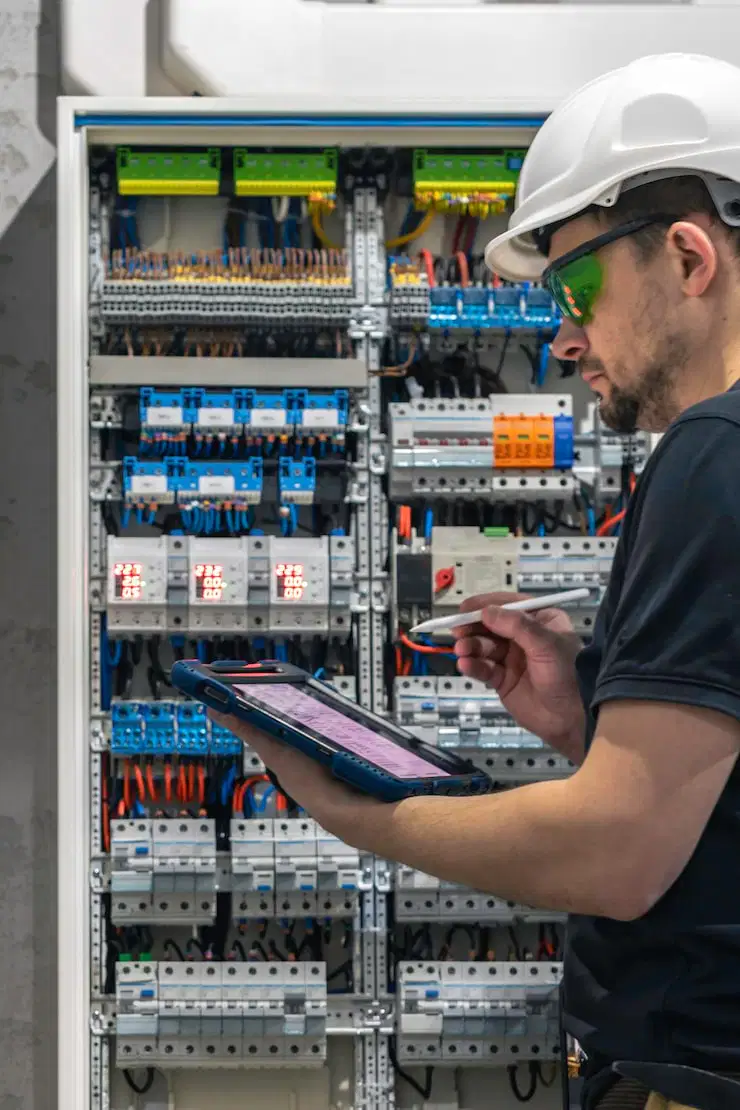
What is the primary purpose of electrical testing in telecommunications?
To measure the speed of data transmission
To ensure reliability and prevent faults/failures
To enhance the aesthetic design of equipment
To reduce the cost of telecommunications equipment
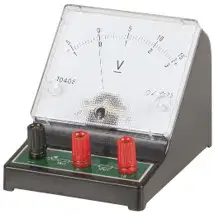
Which device is used to measure voltage drop across components in a circuit?
Oscilloscope
Ohmmeter
Voltmeter
Ammeter
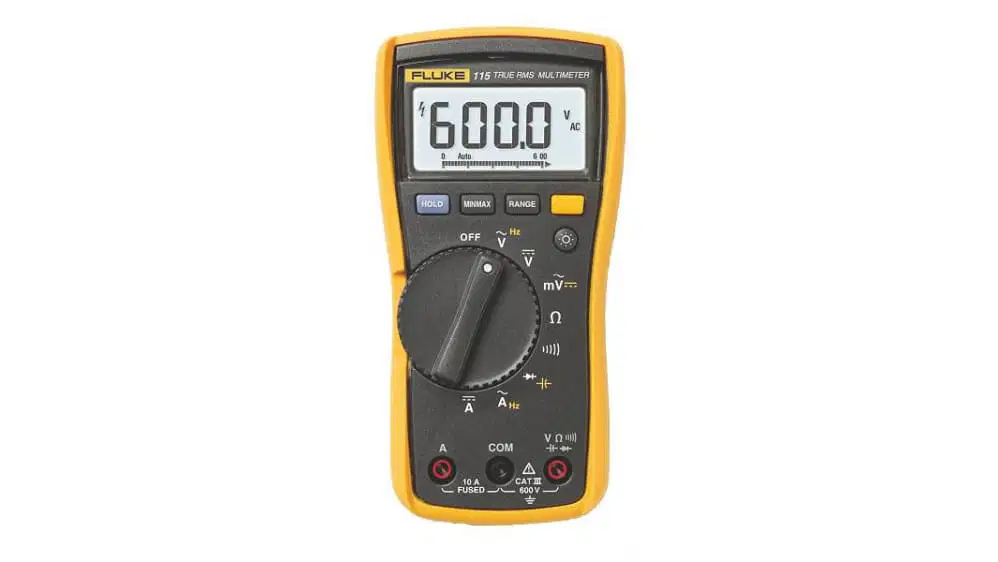
What is the function of a multimeter?
It combines several measuring tools into one device
It measures only voltage
It measures only resistance
It measures only current
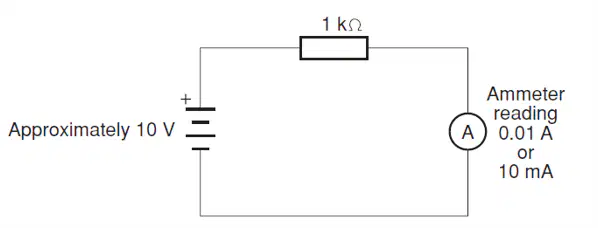
What is the key setup point for using an ammeter?
Connect it in series so all current flows through it
Use it only for AC measurements
Ensure it has high internal resistance
Connect it in parallel with the component
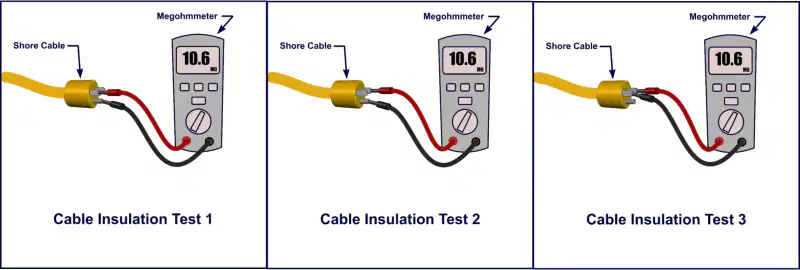
What does a high resistance reading in insulation testing indicate?
Good insulation and safe equipment
A need for immediate repair
A fault or deterioration in insulation
A short circuit in the system

Which device provides a real-time visual representation of voltage or current?
Voltmeter
Ammeter
Oscilloscope
Ohmmeter
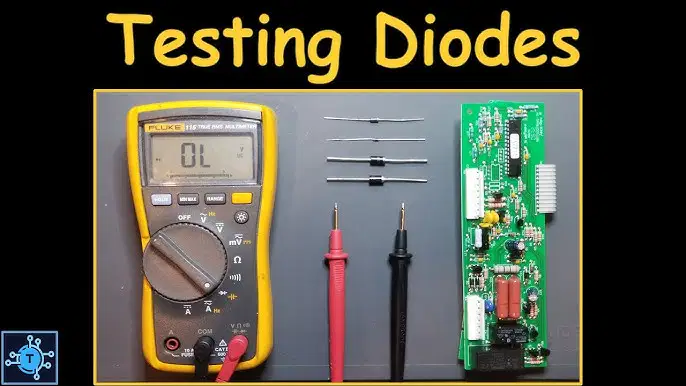
What is the purpose of using a diode tester in a multimeter?
To measure resistance
To test the continuity of a circuit
To measure AC voltage
To test the functionality of diodes
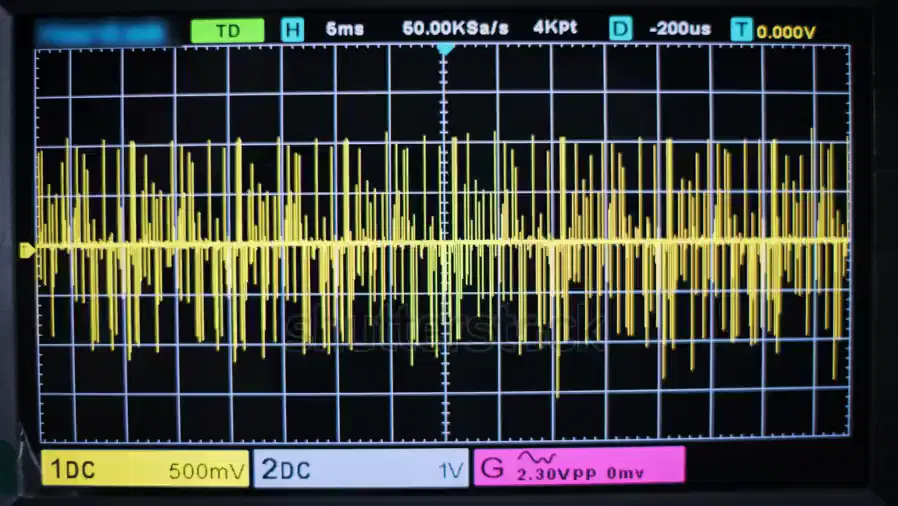
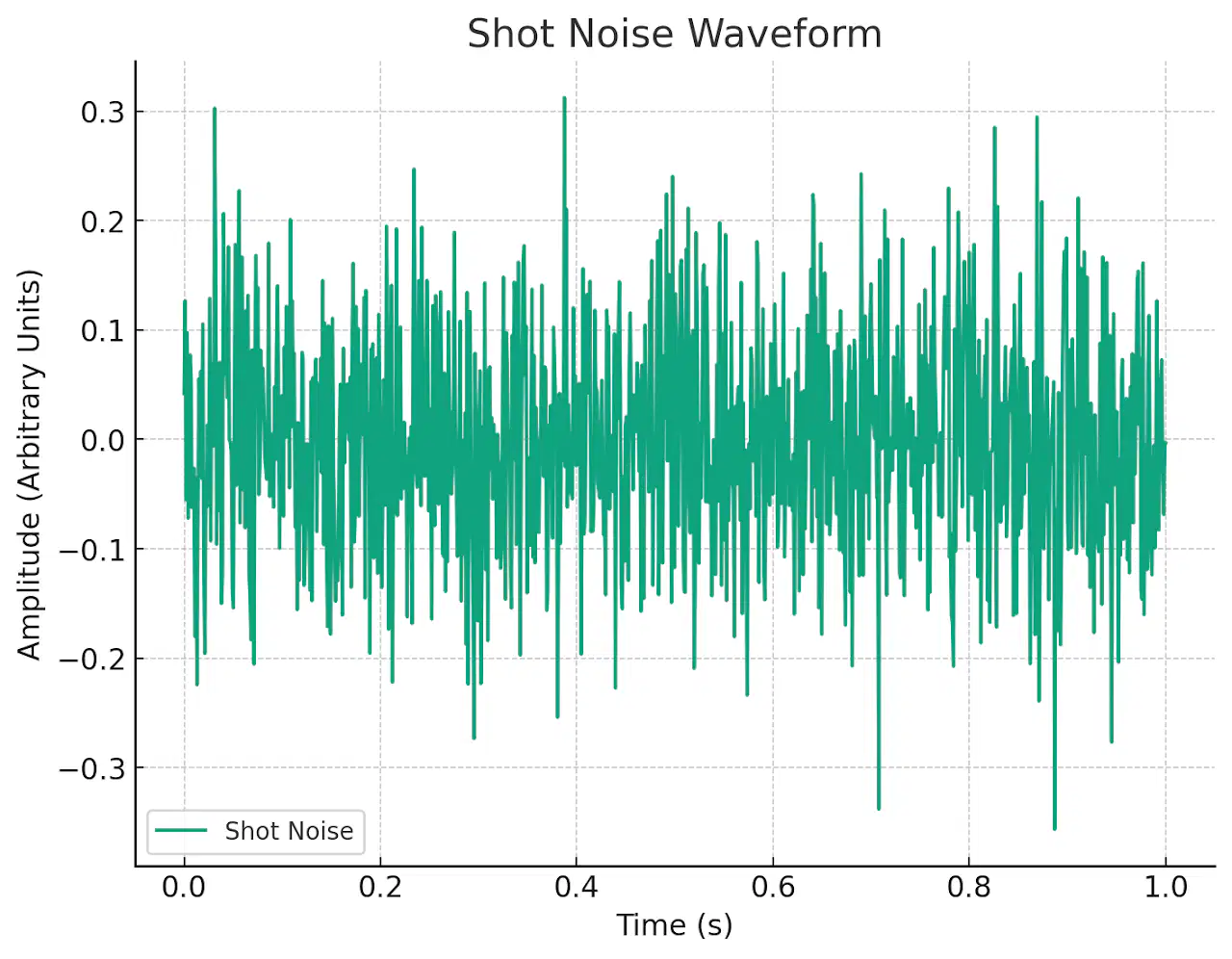
What is the significance of a noisy signal on an oscilloscope?
It shows random spikes and fluctuations
It indicates a clean and stable signal
It confirms the absence of interference
It suggests the signal is free from distortion

What is the primary function of an oscilloscope?
To test for continuity
To measure temperature
To measure resistance
To display how a voltage or current changes over time
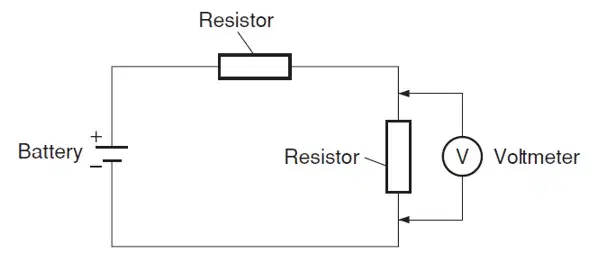
What is the correct placement of a voltmeter in a circuit?
At the ground terminal
At the power source
In parallel with the component
In series with the component
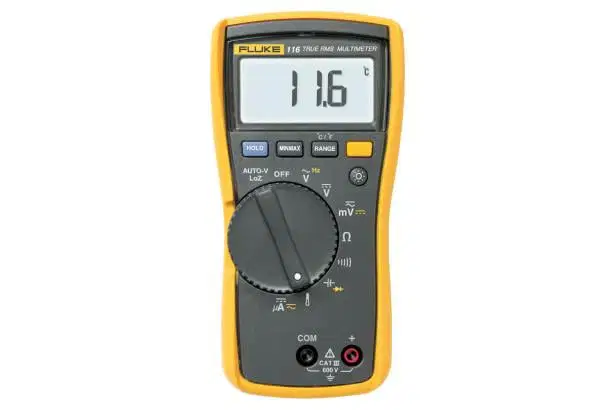
What does a multimeter's continuity tester do?
Measures resistance
Measures current
Measures voltage
Beeps when a circuit is complete
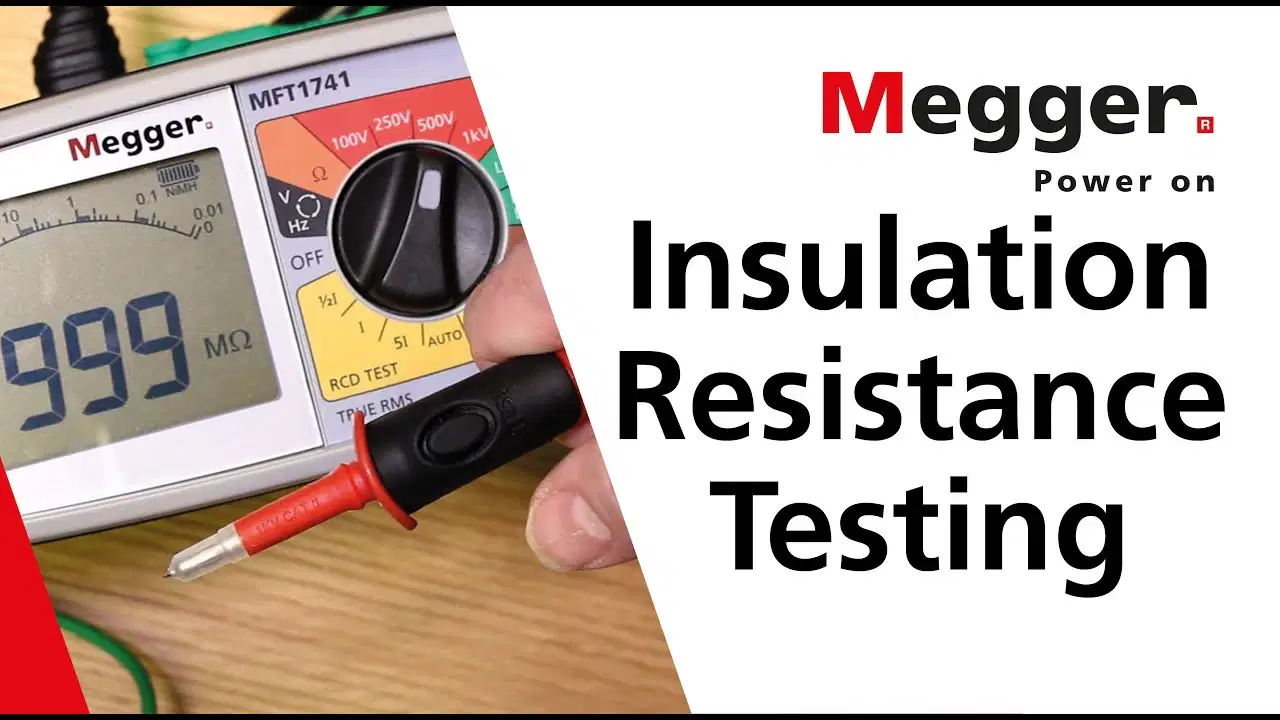
What is the purpose of insulation testing?
To test the functionality of diodes
To measure the frequency of signals
To ensure live wires and equipment are properly insulated
To measure the flow of electric charge

What is the typical unit for measuring circuit current?
Amperes
Watts
Ohms
Volts
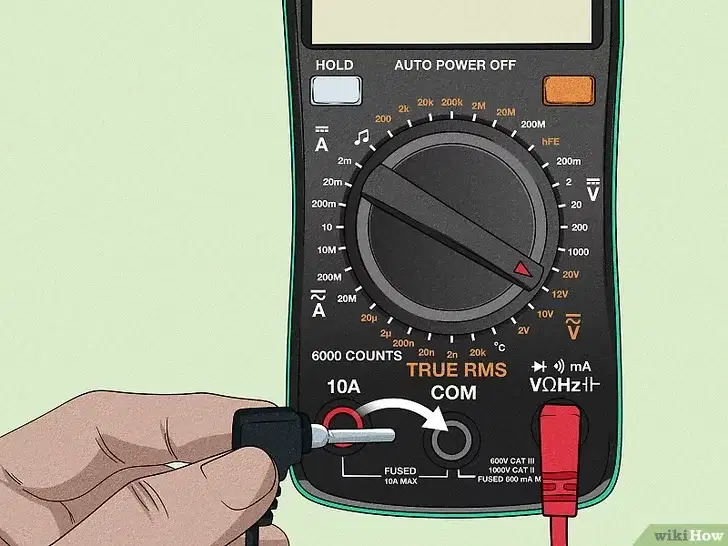
What is the function of the COM terminal on a multimeter?
It connects the black lead when measuring resistance only
It connects the black lead when measuring voltage only
It connects the black lead to complete all measurements
It connects the black lead when measuring high current only
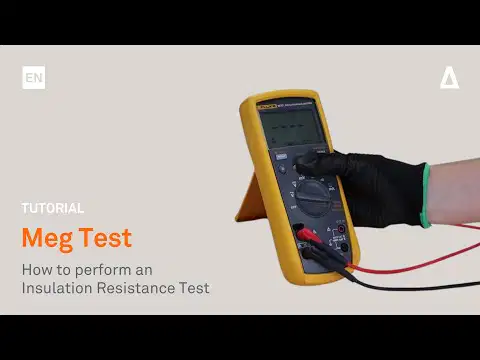
What does a low resistance reading in insulation testing suggest?
Good insulation
A short circuit
A fault or deterioration in insulation
A need for more insulation
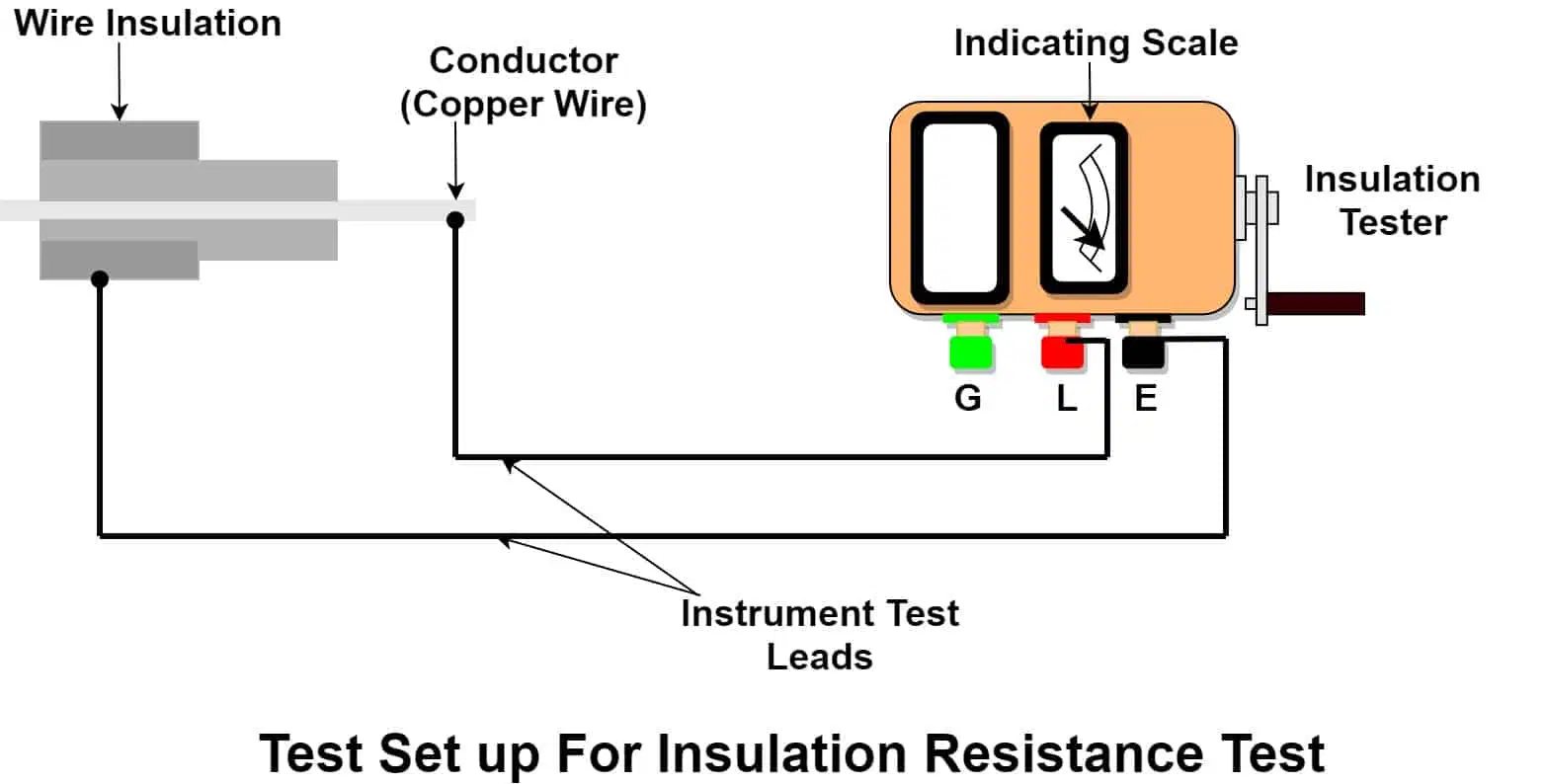
What is the purpose of using a megohmmeter?
To measure voltage
To test insulation
To measure current
To test continuity
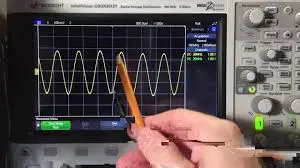
What is the significance of a sinusoidal waveform on an oscilloscope?
It indicates a DC signal
It indicates a faulty component
It represents an AC signal
It shows a steady, non-varying signal
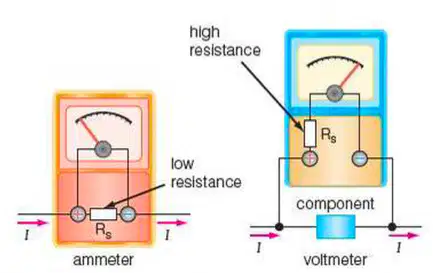
What is the role of internal resistance in a voltmeter?
To avoid drawing current and altering circuit behavior
To increase the voltage drop
To draw current and alter circuit behavior
To decrease the voltage drop
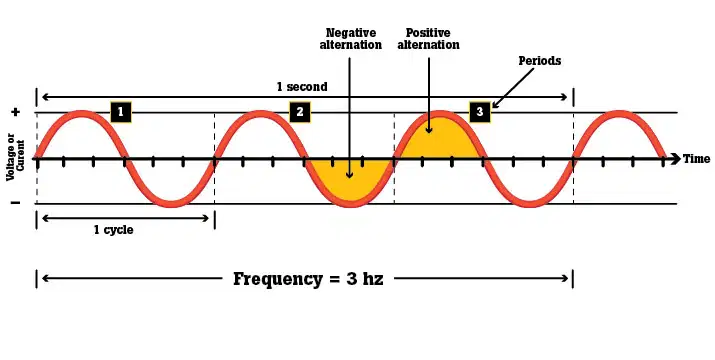
What does the term 'frequency' refer to in signal testing?
The amplitude of a signal
The number of cycles per second
The voltage level of a signal
The resistance of a circuit
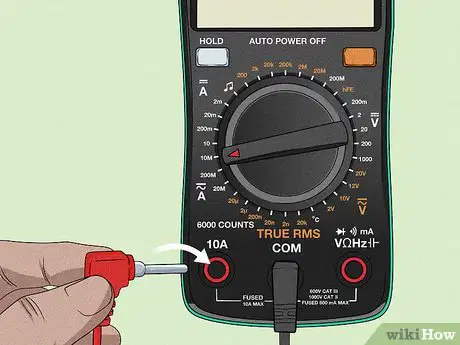
What is the purpose of the 10A terminal on a multimeter?
To measure low current
To measure voltage
To measure high current
To measure resistance
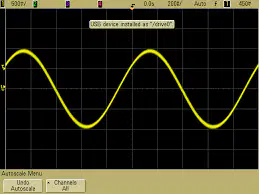
What does a clean sinusoidal AC signal look like on an oscilloscope?
Random and spiky
Flat and steady
Smooth and regular
Irregular and noisy
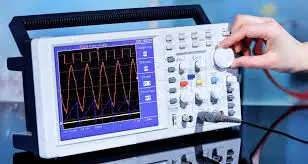
What is the purpose of using an oscilloscope in telecommunications?
To test for continuity
To measure resistance
To display how a signal changes over time
To measure temperature
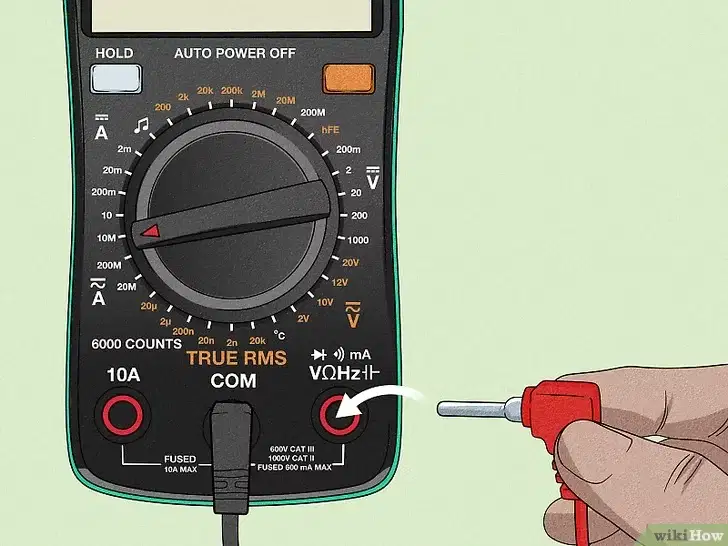
What is the function of the V/Ω/mA terminal on a multimeter?
To measure only voltage
To measure everything except high current
To measure only high current
To measure only resistance
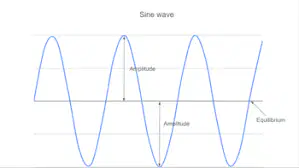
What does the term 'amplitude' refer to in signal testing?
The resistance of a circuit
The current flow in a circuit
The voltage level of a signal
The frequency of a signal
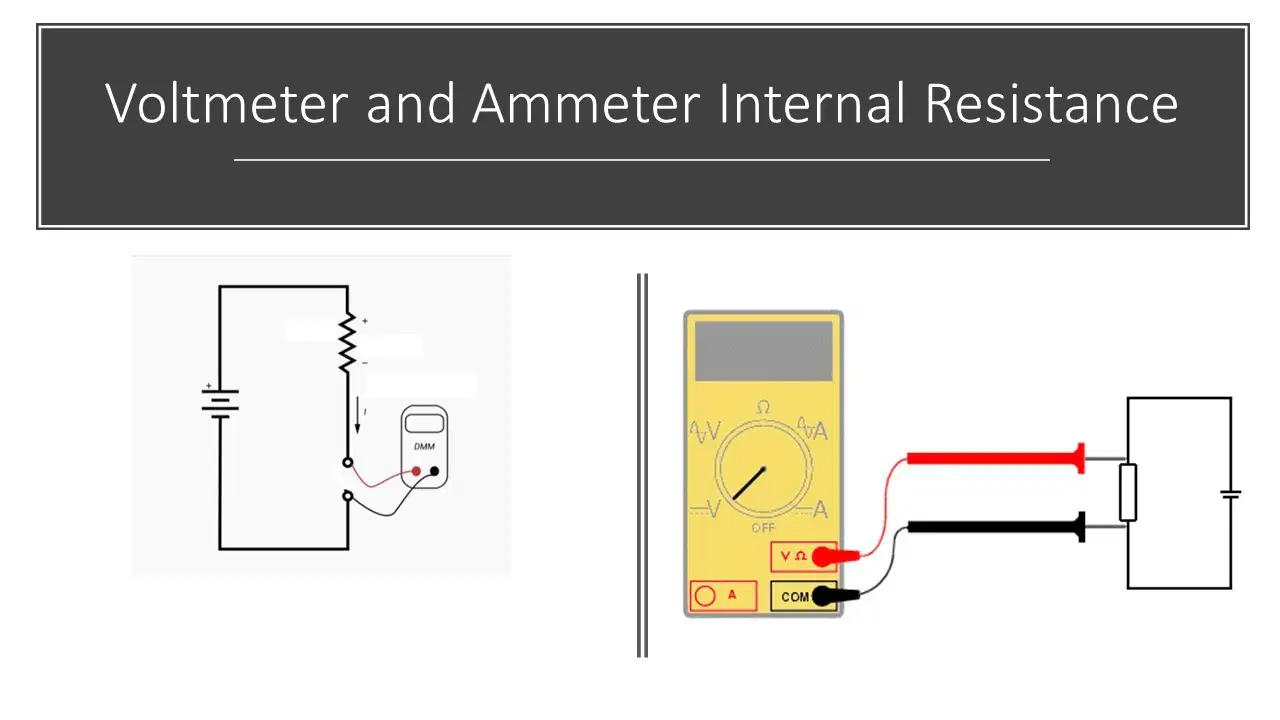
What is the role of internal resistance in an ammeter?
To have very low resistance
To increase circuit performance
To cause a significant voltage drop
To avoid drawing current
What is the purpose of using a continuity tester?
To measure voltage
To measure resistance
To check if a circuit is complete
To measure current
What does a noisy signal on an oscilloscope indicate?
Random spikes and fluctuations
A clean and stable signal
A steady DC signal
A smooth sinusoidal waveform
What is the purpose of using a voltmeter?
To measure current
To test for continuity
To measure resistance
To measure voltage drop across components
What is the significance of a flat line on an oscilloscope?
It indicates a faulty component
It represents a DC signal
It shows a noisy signal
It indicates an AC signal
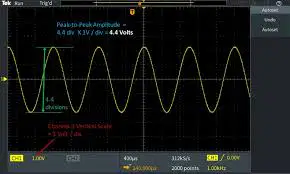
On an oscilloscope, what does a higher amplitude of a signal indicate?
A weaker signal with more distortion
A stronger signal with greater intensity
A slower signal with less frequency
A circuit with higher resistance

Why is amplitude important when using an oscilloscope to test signals?
It shows whether the signal can be transmitted and received clearly
It prevents distortion by lowering the frequency
It measures the number of oscillations per second
It determines how much resistance is in the circuit
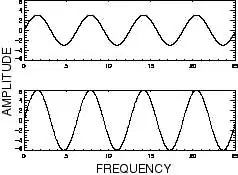
If two signals appear on an oscilloscope with the same frequency but different amplitudes, what does this mean?
They both carry information at the same strength
The signal with lower amplitude will always travel faster
Both signals are equal because frequency is more important
The signal with higher amplitude is stronger than the other
When using an oscilloscope, which of the following is not described by amplitude?
The strength of a signal
The voltage size of a signal
The number of oscillations per second
How easily a signal can be interpreted

On an oscilloscope, what does frequency refer to?
The voltage height of the signal
The number of cycles per second shown by wave spacing
The resistance of the circuit
The intensity or strength of the signal
Why is signal testing important in telecommunications?
To lower the cost of equipment
To check amplitude and frequency are within safe limits
To improve the appearance of communication devices
To increase the resistance of the signal path

Which type of signal appears as a flat line on an oscilloscope?
A DC signal with constant voltage
An AC signal with sinusoidal shape
A distorted signal with irregular shape
A noisy signal with random spikes
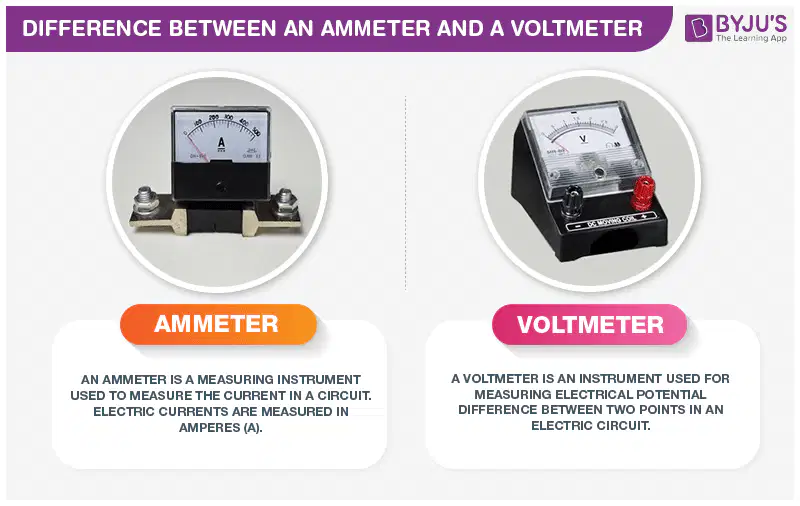
Why must an ammeter have very low resistance while a voltmeter has very high resistance?
To reduce the cost of testing equipment
To prevent the oscilloscope from showing noise
To make the readings less accurate
To ensure neither device changes circuit behaviour

