
 Worksheets
Engineering Lab Norms and EDP Quiz
Total questions: 36
Worksheet time: 31mins
What is the primary focus of the lab norms?
To ensure safety, focus, and success
To allow unrestricted use of tools
To promote horseplay and fun
To encourage eating and drinking in the lab
What is prohibited in the lab at all times?
Collaborating on projects
Following instructions
Eating or drinking
Using tools
What should students do before leaving the lab?
Leave trash and scrap materials behind
Take tools home
Clean as they go and remove personal items
Ignore damaged equipment
What should be done if a tool is broken or equipment is damaged?
Throw it away
Ignore it
Report it immediately
Use it anyway
When are cell phones allowed in the lab?
At all times
With teacher permission for approved purposes
During breaks
For personal use
What happens if a student uses a phone without authorization?
They are given extra lab time
They are allowed to continue using it
They face consequences per school policies
They are rewarded
When is the lab accessible to students?
After school hours
At any time
During lunch breaks
Only when a teacher is present
What is required for students to use lab equipment?
Direct supervision
Permission from classmates
A signed waiver
No supervision
What is not allowed to leave the lab without teacher approval?
Personal items
Tools, equipment, or materials
Trash
Safety norms
What type of conduct is encouraged in the lab?
Disrespect
Horseplay
Collaboration
Ignoring instructions
What should students do when given instructions?
Follow them the first time
Ignore them
Ask for repeated explanations
Disregard safety norms
What are students expected to demonstrate according to school and district rules?
Ignoring rules
Laziness and carelessness
Disrespect and irresponsibility
Respect, responsibility, and integrity
What mindset is encouraged in the lab?
Irresponsible mindset
Engineer mindset
Careless mindset
Disrespectful mindset
What should students do to improve through iteration?
Learn from mistakes
Ignore feedback
Avoid trying new things
Disregard safety norms

What is the 1st Step of the Engineering Design Process
Testing Solutions
Designing Solutions
Identifying the Problem
Planning Solutions
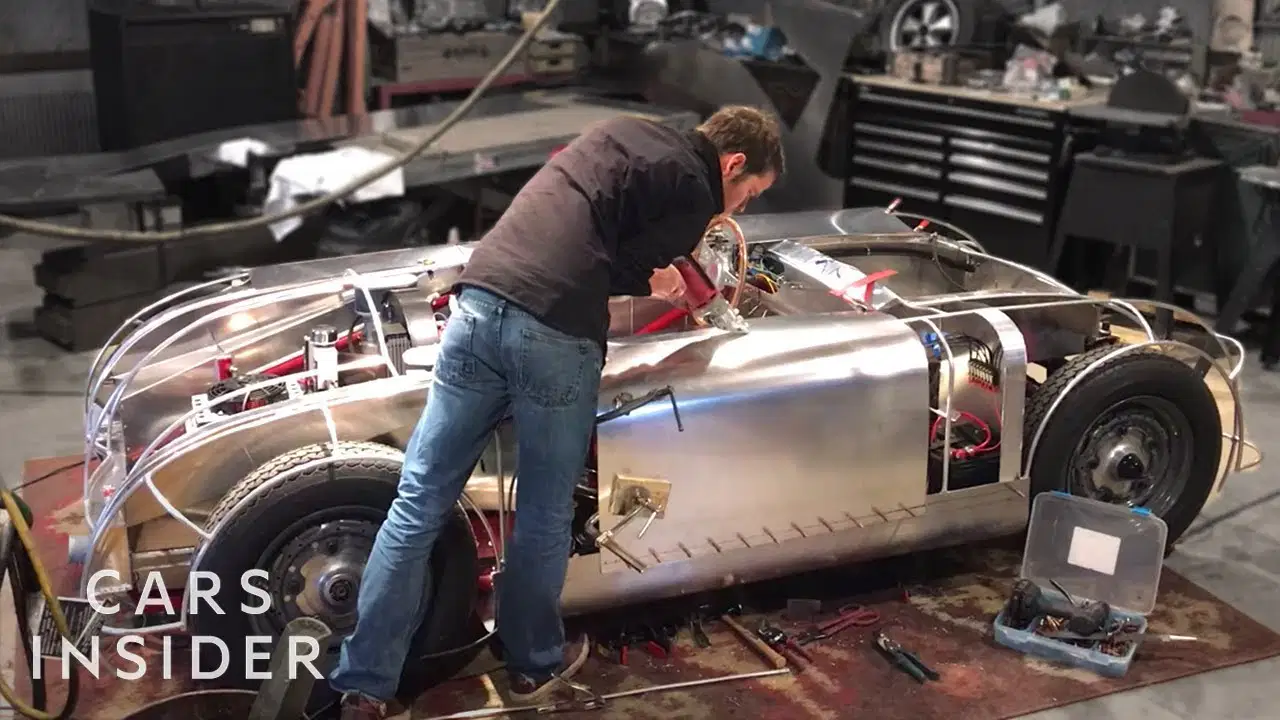
An engineer built a prototype to improve the brakes of a car. AFTER building, what step should the engineer do?

During which step of the Design Process do you experiment with the prototype and collect /record data?
Test/Evaluate
Build a Model
Identify Failure Points
Reflect and Redesign

A working model that allows you to test your design and show how it will work.
solution
design
prototype
failure point
The reason for the engineering and design process is _____________.
discover new things
find answers
solve a problem

1st step in the engineering and design process:
Identify a problem
Share solution
Design
Build

2nd step in the engineering and design process:
Research/Brainstorm
Build
Design
Test

3rd step in the engineering and design process:
Build
Design
Test
Redesign

4th step in the engineering and design process:
Design
Test
Build
Redesign

5th step in the engineering and design process:
Test and Evaluate
Share solution
Identify problem
Design
6th step in the engineering and design process:
Test and Evaluate
Build
Design
Redesign

a person who uses technology and scientific knowledge to solve problems
scientist
engineer
doctor
When you IDENTIFY A PROBLEM the solution to the problem is included.
True
False

Example: I need to travel a far distance (across the ocean) in order to visit my family.
What step is this example in the Engineering Process?
Step 2:Brainstorm
Step 3: Design
Step 1: Identify a problem
Step 7: Share the solution

Example: My brothers and I communicate ideas to figure out the solution to our problem.
What step in the Engineering Process is this?
Step 1: Identify the Problem
Step 2: Brainstorm
Step 3: Design
Step 4: Build

Example: We begin to draw a blueprint for a vehicle that can travel across large bodies of water.
What step in the Engineering Process is this?
Step 1: Identify the Problem
Step 2: Brainstorm
Step 3: Design a solution
Step 4: Build

Example: We begin to build a prototype of our design of this water-mobile. It is not the actual size of the final solution, but we will use it to test our theory.
What step in the Engineering Process is this?
Step 1: Identify the problem
Step 2: Brainstorm
Step 3: Design
Step 4: Build

Example: We test our prototype to see how well it works on water for long amounts of time. We time the model and write down what we observe from the tests.
What step in the Engineering Process is this?
Step 4: Build
Step 5: Test and Evaluate
Step 6: Redesign
Step 7: Share the solution

Example: We found out that the material we used for our prototype did not stay afloat in the water for as long as we needed. We go back and design using a different type of wood and create another model.
What step in the Engineering Process is this?
Step 4: Build
Step 5: Test and Evaluate
Step 6: Redesign
Step 7: Share the Solution

Example: Our final model was a success! We think that we could help solve the same problem for other people. We begin to show our family members and friends the solution to travelling across large bodies of water!
What step in the Engineering Process is this?
Step 4: Build
Step 5: Test and Evaluate
Step 6: Redesign
Step 7: Share the solution
Where are classroom announcements and assignments posted weekly?
Canvas
Canva
CodeHS
TinkerCAD

Collaboration in Engineering and Technology at Redan High School
In Mrs. Scarboro-Vazquez's Engineering and Technology class at Redan High School, students are learning the importance of collaboration through team project design. This week, the class was tasked with creating a prototype for a sustainable energy solution. Working in groups, students combined their individual skills to brainstorm ideas, sketch designs, and build models. Collaboration allowed them to pool their knowledge and creativity, ensuring that each project reflected diverse perspectives and innovative thinking.
Problem-solving techniques played a key role in the success of the projects. When one group encountered a challenge with their prototype's stability, they used effective communication skills to discuss potential solutions. By sharing resources and ideas, they identified a way to reinforce the structure using materials available in the classroom. This process demonstrated how teamwork can lead to practical solutions that might not have been discovered individually.
Peer review was another critical aspect of the week’s activities. Groups presented their prototypes to the class, receiving constructive feedback from their peers. This feedback helped them refine their designs and address overlooked issues. Time management in groups was emphasized as students worked to meet deadlines while balancing their responsibilities. Through collaboration, the students not only completed their projects but also developed skills that will benefit them in future academic and professional endeavors.
What was the main task assigned to students in Mrs. Scarboro-Vazquez's Engineering and Technology class?
Creating a prototype for a sustainable energy solution
Designing a new classroom layout
Building a robot for a competition
Writing a report on renewable energy
How did students address the challenge of prototype stability?
By using effective communication to discuss solutions
By abandoning the project
By asking the teacher for a solution
By using pre-made designs from the internet
What role did peer review play in the students' projects?
It helped refine designs and address overlooked issues
It was used to grade the projects
It replaced the need for teamwork
It delayed the project deadlines
Which skill was emphasized to help students meet project deadlines?
Time management
Public speaking
Advanced coding
Mathematical calculations
What benefit did students gain from collaboration in their projects?
Development of skills for future academic and professional endeavors
Learning how to work independently
Avoiding challenges in the project
Skipping deadlines

