
 Worksheets
12th Grade AVID College and Career Readiness Framework Quiz
Total questions: 39
Worksheet time: 20mins

How many lessons are included in the 12th Grade AVID College and Career Readiness Framework Unit?
3
4
5
6

What message is being conveyed to AVID seniors in the image?
Their last year of high school is beginning now.
They have already graduated.
They are starting their first year of high school.
They are being welcomed to college.
What does the verb "commence" mean?
To end, finish
To begin, start
To pause, wait
To forget, ignore

What does the "G" in the acronym GROW stand for?
Get ready to learn.
Go and achieve.
Gain knowledge.
Grow your skills.

According to the GROW acronym, what should you do after getting ready to learn?
Review what you know.
Open your mind.
Wonder and ask.
Take a break.

In the GROW strategy, what does the "O" represent?
Open your mind.
Organize your notes.
Observe others.
Offer help.

What is encouraged by the "W" in the GROW acronym?
Wonder and ask.
Work hard.
Write notes.
Win every challenge.
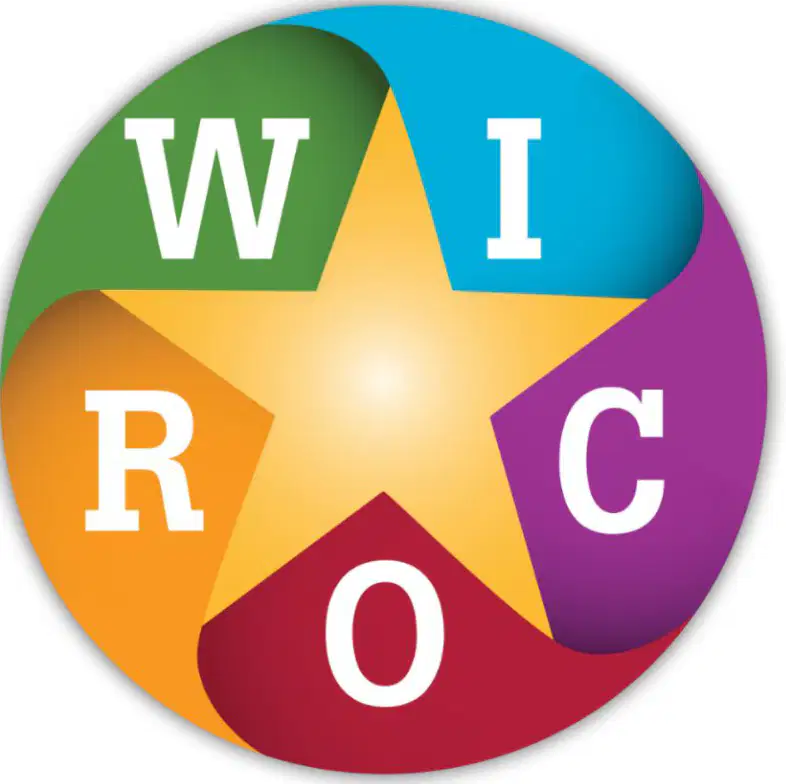
What does the "W" in WICOR stand for?
Writing
Working
Watching
Wondering
Which of the following is represented by the "I" in WICOR?
Inquiry
Inspiration
Instruction
Innovation
In the WICOR acronym, what does the "C" stand for?
Collaboration
Communication
Calculation
Creation
What does the "O" in WICOR represent?
Organization
Observation
Operation
Orientation
Which skill is represented by the "R" in WICOR?
Reading
Research
Review
Reflection
What does the verb "ameliorate" mean?
To make better or more tolerable
To make worse
To ignore a problem
To create something new
Which of the following is an example of using the word "ameliorate" correctly?
Use medicine to ameliorate the pain.
Use medicine to increase the pain.
Use medicine to ignore the pain.
Use medicine to create pain.
Which of the following is NOT listed as a universal skill needed for academic preparation?
Writing
Inquiry
Collaboration
Mathematics
Which activity is mentioned as a way to help envision your future?
Writing essays
Career and Job Fairs
Reading novels
Playing sports
What does the acronym AVID stand for?
Advancement, Vision, Integrity, Determination
Advancement, Via, Individual, Determination
Achievement, Value, Innovation, Dedication
Advancement, Virtue, Initiative, Discipline
Which of the following is a belief necessary to persist when encountering obstacles?
Believing in your potential
Memorizing facts
Avoiding challenges
Ignoring feedback
Which of the following is NOT listed as a way to envision your future?
High School Pathways
Community Service
College Campus Visits
Sports Competitions

Which of the following is associated with "SKILLS" according to the learning material?
Rigorous Academic Preparedness
Opportunity Knowledge
Student Agency
Creative Expression

What is the main focus under the "VISION" category in the provided material?
Student Agency
Opportunity Knowledge
Rigorous Academic Preparedness
Leadership Skills

Which term is linked to "BELIEFS" in the learning material?
Student Agency
Opportunity Knowledge
Rigorous Academic Preparedness
Academic Integrity

Which of the following best describes "Rigorous Academic Preparedness" as outlined in the learning material?
Students develop academic skills and can successfully complete rigorous college and career preparatory curriculum and experiences.
Students research opportunities, set goals, and make choices that support their long-term aspirations.
Students believe in themselves and act intentionally to build relationships and persist through obstacles.
Students focus only on extracurricular activities and hobbies.

What is the main focus of "Opportunity Knowledge" according to the material?
Students develop only social skills.
Students research opportunities, set goals, make choices that support their long-term aspirations, and successfully navigate transitions to the next level.
Students memorize facts for exams.
Students focus on physical education.

According to the material, what does "Student Agency" involve?
Students rely on teachers for all decisions.
Students believe in themselves and act intentionally to build relationships, persist through obstacles, and activate their academic, social, emotional, and professional knowledge and skills to reach their potential.
Students only focus on academic achievements.
Students avoid setting personal goals.
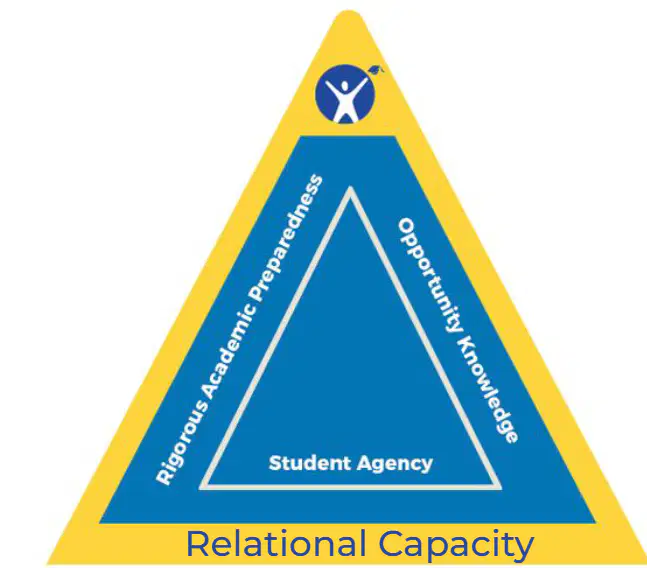
What does each side of the triangle in the AVID College and Career Readiness Framework represent?
What students need to be college- and career-ready.
Different types of college degrees.
Steps to apply for a job.
Ways to improve your grades.
Why is student agency placed inside the triangle in the AVID College and Career Readiness Framework?
Because it is already inside you and just needs to be activated.
Because it is the least important factor.
Because it represents external support.
Because it is not needed for college readiness.
What does relational capacity represent in the AVID College and Career Readiness Framework?
The network and support needed to become college- and career-ready.
The number of friends you have.
The amount of homework you complete.
The classes you take in high school.
According to the AVID College and Career Readiness Framework, can you become college- and career-ready all by yourself?
No, you need a network.
Yes, you can do it alone.
Only if you study hard.
Only if you have good grades.
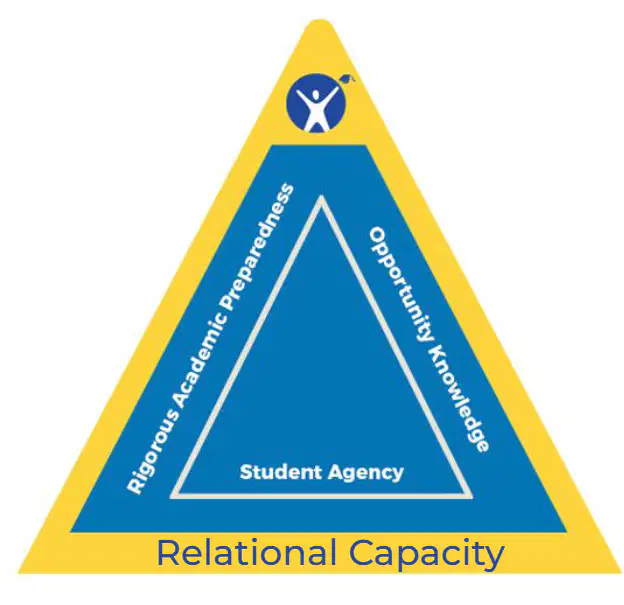
Which of the following is NOT a side of the CCR Framework triangle shown in the diagram?
Student Agency
Rigorous Academic Preparedness
Opportunity Knowledge
Relational Capacity
What is one of the foundational components of developing relational capacity?
Social contracts
Financial agreements
Legal disputes
Personal opinions
What do social contracts outline?
The rights and responsibilities of each member of the group
The financial status of the group
The history of the group
The hobbies of each member
When should a social contract be developed and how should it be maintained?
Developed early, referred to often, and refined as necessary throughout the year
Developed at the end of the year and never changed
Developed only when problems arise
Developed by one person and kept secret
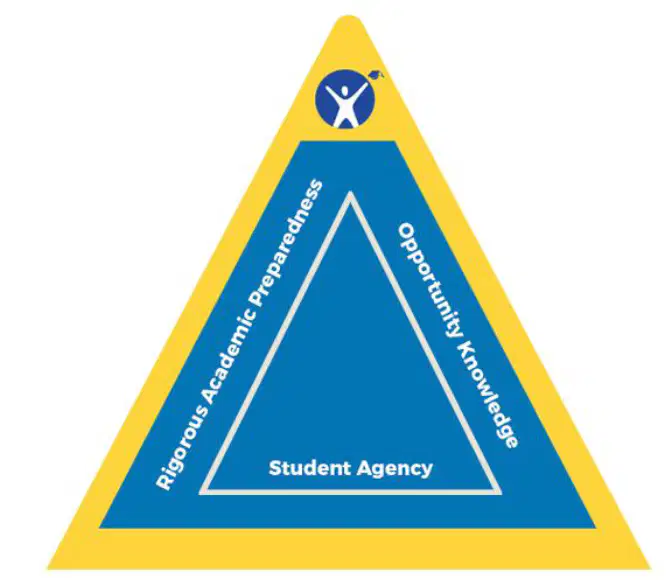
Which of the following is NOT a component of the AVID College and Career Readiness Framework as shown in the diagram?
Rigorous Academic Preparedness
Opportunity Knowledge
Student Agency
Financial Literacy
What is the main purpose of setting behaviors, norms, or expectations as AVID students?
To gain the necessary skills to become college- and career-ready
To compete with other students
To avoid doing group work
To reduce academic workload
When collaborating as a group to set standards and expectations for senior year, what type of language should be used?
Negative words
Positive words
Technical jargon
Sarcastic remarks
What is an acrostic?
A poem, word puzzle, or composition where certain letters in each line form a word or words.
A type of essay that explains a topic in detail.
A mathematical equation solved by letters.
A story written in rhyme.
When developing a list of classroom norms and expectations using an acrostic, what should you do?
Choose words or phrases that begin with each letter of the chosen term.
Write a story about classroom rules.
Draw a picture for each classroom rule.
Memorize the classroom rules in alphabetical order.
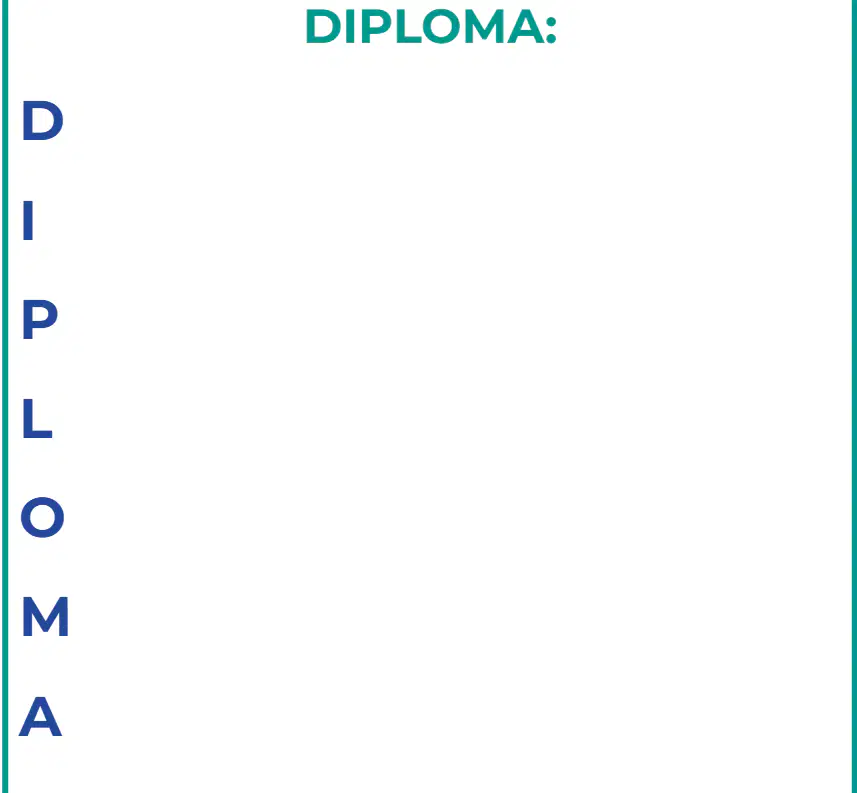
Which of the following words could be used as the basis for an acrostic about graduation, as shown in the image?
DIPLOMA
SCHOOL
TEACHER
CLASSROOM

