
 Worksheets
Inter House Psychology Quiz1
Total questions: 100
Worksheet time: 1hrs 8mins
Intelligence is completely determined by genetics.
True
false
Which of the following is NOT a defense mechanism?
a) Projection
b) Regression
c) Conditioning
d) Sublimation
The “Bobo Doll” experiment demonstrated:
a) Operant conditioning
b) Observational learning
c) Classical conditioning
d) Insight learning

Name the system to cure psychological disorders developed by this psychologist.
(a)
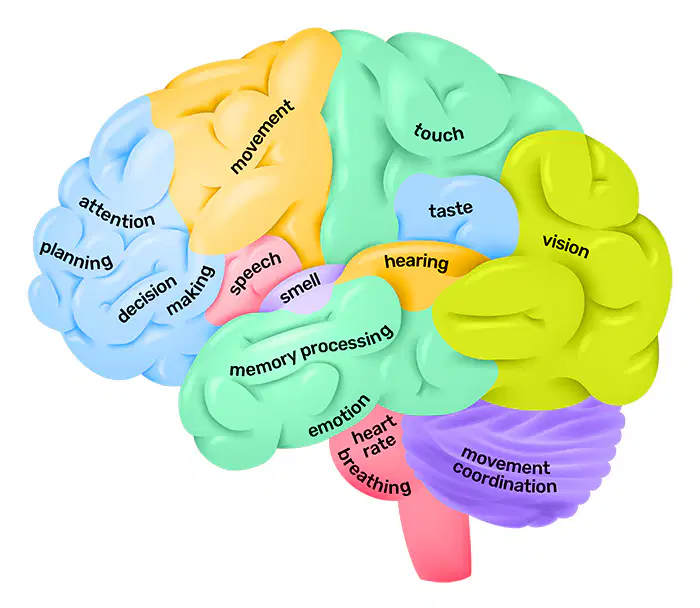
Which lobe of the brain is concerned with thinking, attention, planning & decision making?
(a)

Which principle of perception does this picture demonstrate?
Principle of proximity
Principle of similarity
Principle of closure
PPrinciple of good figure
Who developed the first psychological laboratory in Leipzig?
(a)
Intelligence quotient was introduced by (a) .
Memory has three stages – encoding, storage, and retrieval.
True
false
The “fight or flight” response is triggered by the (a) nervous system.
What is Howard Gardner's contribution in the field of intelligence?
(a)
Schizophrenia means having split personality.
True
False
Which part of Freud’s personality theory operates on the “pleasure principle”?
(a)
Which psychologist studied moral development through dilemmas?
B.F. Skinner
Ivan P. Pavlov
Jean Piaget
Lawrence Kohlberg
The part of the brain responsible for transfer of memory from short-term to long-term is (a) .
When failing an exam, blaming the teacher instead of oneself is ________ defense mechanism.
Projection
Rationalization
Denial
Reaction Formation
Who am I? I’m the psychologist who studied conformity with line experiments.
Asch
Milgram
Vygotsky
Dollard
Who am I? I am the reflex that makes babies suck anything placed in their mouth.
Moro
Rooting
Grasp
Sucking
Fill in: (ABC of Attitudes = _____ + _____ + _____. )
(a)
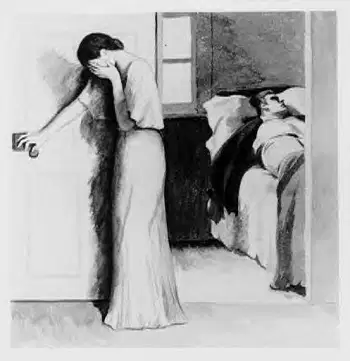
Identify the Projective test.
(a)
The bystander effect is linked with lack of ________.
Helping behavior
Anxiety
Helplessness
Creactivity
Who is called the father of Indian psychology?
J P Das
Sudhir kakkar
N. N. Sengupta
G. K. Pradhan
Friends ask you to cheat; you refuse due to conscience. Which part of personality is working?
(a)
A group project fails because nobody takes responsibility. Which social concept?
Social Loafing
Pro social behavior
Learned Helplessness
unwillingness
Ritika studies hard only because she enjoys learning. What type of motivation?
Psychosocial
Biological
Extrinsic
Intrinsic
Aman performs better in sports when friends cheer. Which effect?
(a)

Whose experiment?
(a)
Identify the psychologist.
(a)
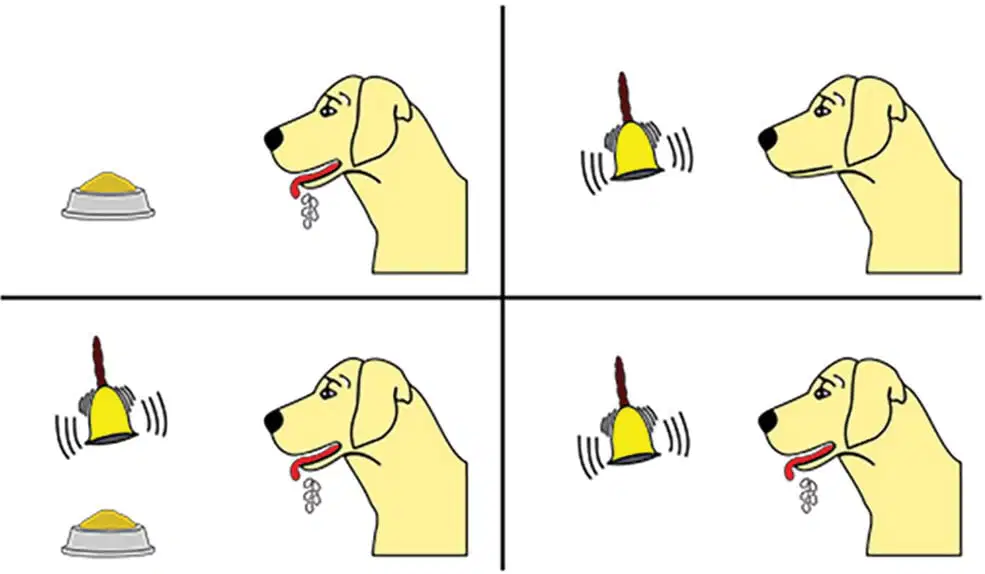
Identify the form of learning.
(a)
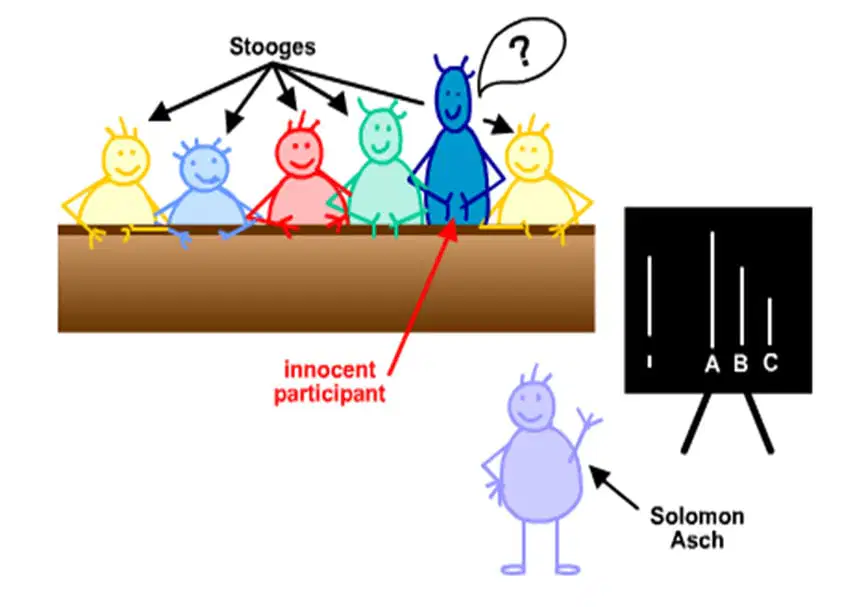
Identify the concept.
(a)

Identify the psychological disorder.
(a)

Identify the disorder.
(a)
A car accident survivor constantly relives the event in nightmares. Which disorder it might be?
Depression
Anxiety
Post Traumatic Stress Disorder
Psychosomatic disorder
A 16-year-old student constantly feels nervous, restless, and imagines the worst possible outcomes in all situations. These feelings persist for many months. Identify the disorder.
Depression
Generalised Anxiety Disorder
Bipolar Disorder
OCD
Sahil’s dog salivates whenever he hears the sound of the bell because he associates it with food.
The bell in this example acts as:
Unconditioned Stimulus
Conditioned Stimulus
Unconditioned Response
Reinforcer
A boy blames his teacher for his failure instead of accepting that he didn’t study enough.
Which defense mechanism is he using?
Projection
Regression
Repression
Sublimation
A student is excellent at solving puzzles and logical reasoning but struggles with languages and music.
According to Gardner, he has high:
Interpersonal Intelligence
Logical-Mathematical Intelligence
Naturalistic Intelligence
Bodily-Kinesthetic Intelligence
Rohan feels challenged before his inter-house debate. He prepares well under this pressure and eventually wins.
What kind of stress is this?
Distress
Eustress
Chronic Stress
PTSD
Sneha forgets her old ATM pin after she got a new one.
Which interference explains this?
Retroactive Interference
Proactive Interference
Memory Decay
Repression
A psychologist studies a rare child prodigy in detail for several years.
Which method is this?
Experiment
Case Study
Observation
Survey
A student’s IQ is measured as 70. He struggles in academics and needs support in day-to-day activities.
His condition is best described as:
Giftedness
Intellectual Disability
Emotional Disorder
Dementia
Before her exams, Priya calms herself by practicing meditation and slow breathing.
This technique is part of:
Cognitive therapy
Relaxation Techniques
Psychoanalysis
Reinforcement
A student buys a mobile phone because “all her classmates use the same model,” not based on actual features.
This decision shows:
Rational Choice
Conformity Bias
Divergent Thinking
Insight
Adolescents often feel strong peer pressure and struggle with their identity. Erikson calls this stage:
Intimacy vs. Isolation
Identity vs. Role Confusion
Autonomy vs. Shame
Industry vs. Inferiority
Which illusion makes you see moving patterns in a still image?
Optical illusion
Auditory illusion
Gustatory illusion
Olfactory illusion
What is the fear of clowns called?
Coulrophobia
Gymnophobia
Cynophobia
Arachnophobia
What does the “Hawthorne Effect” describe?
Dreaming of flying
Forgetting due to interference
Seeing patterns in random data
Changing behavior because you’re observed
Which cognitive bias makes you think you’re better than you actually are?
Placebo Effect
Dunning-Kruger Effect
Recency Effect
Self-fulfilling prophecy
What’s the name of a psychological effect where catchy songs get stuck in your head?
Mandela Effect
Butterfly Effect
Earworm Effect
Spotlight Effect
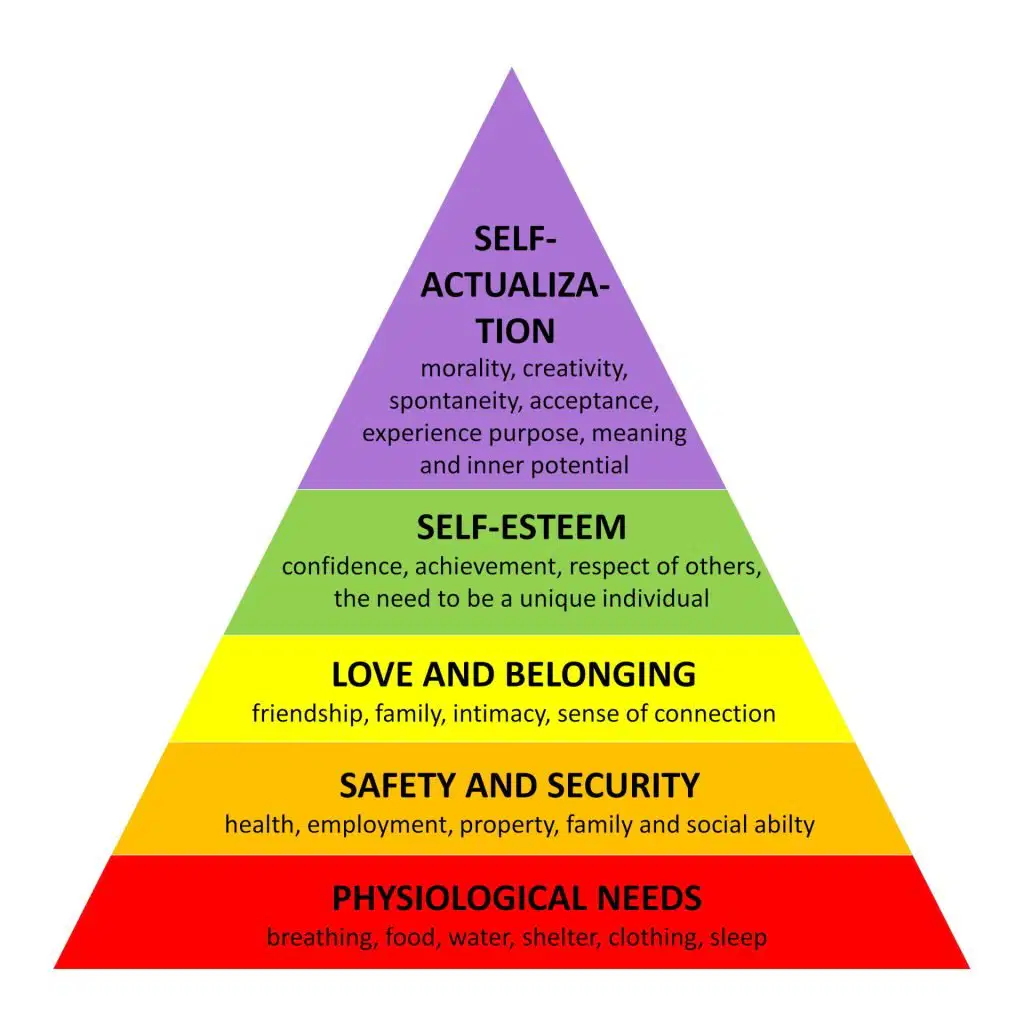
Which of these is NOT a level in Maslow’s hierarchy of needs?
Safety
Esteem
Immortality
Self-actualization
What’s the term for the study of body language?
Kinesics
Semantics
Kinetics
Phonetics
Which emotion is most easily recognized across cultures?
Happiness
Disgust
Surprise
Shame
What’s the term for recalling your first day of school?
Episodic Memory
Semantic Memory
Procedural Memory
Working Memory
Why do spooky ghost stories make people’s hearts race, even if they don’t believe in ghosts?
Suggestibility
Sensory adaptation
Positive illusion
Placebo effect
What’s the common term for seeing animals or faces in clouds?
Pareidolia
Paranoia
Delusion
Auditory Hallucination
Who performed the famous “obedience with electric shocks” experiment?
Ivan Pavlov
Stanley Milgram
John B. Watson
Elisabeth Kübler-Ross
What is the primary hormone released during ‘fight or flight’ stress?
Adrenaline
Oxytocin
Testosterone
Insulin
Why do some people get “stage fright”?
Fear of negative evaluation
Love of attention
Anxiety
Visual illusion
Which type of intelligence involves being “street smart” or socially savvy?
Interpersonal intelligence
Musical intelligence
Logical-mathematical
Bodily-kinesthetic
If someone gives wrong reasons for forgetting homework, which defense mechanism are they likely using?
Rationalization
Regression
Sublimation
Projection

What concept is illustrated by this picture?
Figure-Ground Perception
Cognitive Dissonance
Operant Conditioning
Spotlight Effect
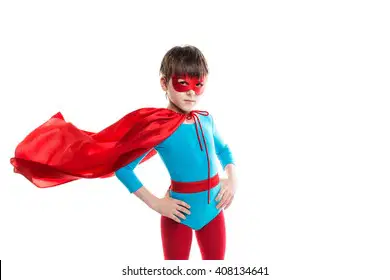
What type of learning does this image demonstrate?
Forgetting Curve
Observational Learning
Classical Conditioning
Projection
Which part of the brain acts like a command center, regulating heartbeat and breathing automatically?
Cerebellum
Medulla Oblongata
Hippocampus
Thalamus

Which stage is marked by the ability to think abstractly and hypothetically?
Formal operational
Concrete operational
Preoperational
Sensorimotor

This activity mainly tests which developmental skill?
Cognitive development and classification
Language development
Motor skill
Emotional regulation
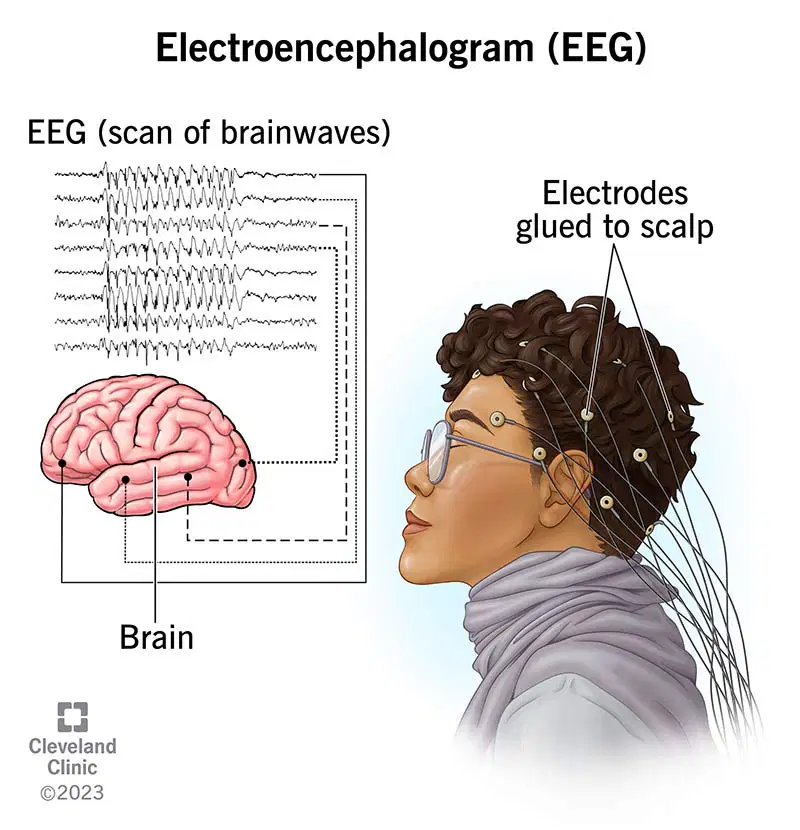
What does EEG primarily measure?
Brain blood flow
Electrical activity of the brain
Brain structure
Neurotransmitter levels
Jumbled Word: TPEERCSIOHNAPA
Clue: The process by which organisms interpret and organize sensory information to recognize meaningful objects.
Perception
Reception
Projection
Sensation
Jumbled word: GINTOICNI
Clue: The mental process of acquiring knowledge and understanding.
(a)
Jumbled word: TTENIAOTN
Clue: The ability to focus on certain stimuli while ignoring others.
(a)
Jumbled word: TATITEUAD
Clue: A mental and emotional entity that directs behavior toward objects, people, or events.
(a)
Jumbled word: TNERDEVEOLPM
Clue: The process of growth and change throughout the lifespan.
(a)
Jumbled word: OCNLUOSVIE
Clue: Existing or operating without conscious awareness.
(a)
Jumbled word: NOMIAECTATPON
Clue: The capacity to stay focused or devote cognitive resources to a stimulus.
(a)
Jumbled word: OPEERICXNE
Clue: The process of consciously noticing or undergoing something.
(a)
Which type of attention involves focusing on one stimulus while ignoring others?
Divided attention
Selective attention
Sustained attention
Alternating attention
When a person changes their attitude to match a group’s to avoid conflict, it is called:
Internalization
Compliance
Persuasion
Self-justification
According to the Big Five model, which trait is linked to being organized and reliable?
Openness
Agreeableness
Conscientiousness
Neuroticism
A problem-solving method that tries multiple solutions until one works is called:
(a)
Erikson’s stage of “Industry vs. Inferiority” primarily relates to:
Adolescence and identity formation
Early adulthood and relationships
Childhood and learning competence
Old age and reflection
Which term refers to the mental frameworks children use to organize knowledge?
(a)
What is ‘attachment theory’ mainly concerned with?
Social acceptance
Emotional bonds between child and caregiver
Motor development
Language acquisition
A person experiencing manic and depressive episodes likely has:
Major depressive disorder
Bipolar disorder
OCD
Panic disorder
Which disorder is characterized by prolonged low mood, loss of interest, and fatigue?
Bipolar disorder
Major depressive disorder
Social anxiety
Generalized anxiety disorder
Cognitive dissonance arises when:
Beliefs and behavior conflict
New information fits old beliefs
Behavior reinforces beliefs
Attitudes change willingly
The “foot-in-the-door” technique is used to:
Make large requests first
Gain compliance with small requests first
Change attitudes instantly
Avoid conflict
Carl Jung’s concept of the collective unconscious refers to:
Personal memories
Shared inherited memories and archetypes
Social influences
Conscious thoughts
Which personality trait tends to experience more negative emotions?
Agreeableness
Neuroticism
Extraversion
Conscientiousness
What brain area is most associated with controlling attention?
Occipital lobe
Prefrontal cortex
Hippocampus
Cerebellum
The "Aha!" moment is associated with which type of learning?
Trial and error
Insight learning
Classical conditioning
Observational learning
Divergent thinking is best described as:
Finding a single correct answer
Generating many creative ideas
Solving problems through logic
Memorizing facts
Dr. Kapoor observes a child in a classroom without interfering, noting patterns in distracted behavior. Which method is this?
(a)
Tanvi regularly forgets instructions, cannot follow multi-step tasks, and has much difficulty with mathematics despite usual intelligence. Which diagnosis is most likely?
(a)
Tara helps a company improve teamwork, mediates conflicts, and designs leadership workshops for managers. What is her psychological specialization?
(a)
Priya is disappointed after losing a competition but quickly tells herself she did her best and starts focusing on her strengths. What self-related trait does this most clearly reflect?
(a)
Meera fears flying. Her therapist gradually helps her face her fear by imagining airplane trips, then visiting airports, and finally taking a short flight. What kind of therapy is this an example of?
Flooding
Systematic desensitization
Psychodynamic therapy
Aversion therapy
Raghav has persistent negative thoughts and mild depression. In therapy, he learns to challenge these thoughts, set realistic goals, and practice relaxation techniques. Which therapeutic approach is most likely being used?
(a)
After failing a test, Rohan believes he is not capable of handling academic challenges, so he stops trying in future tests.
What self-related concept does this show?
(a)
Navya describes herself as a hard-working, empathetic, and friendly person. What aspect of self is she expressing?
Social identity
Personal identity
Role identity
Self-actualization
Ms. Sen provides therapy for trauma, tests personality, and helps with learning strategies for students with anxiety.
Her work best matches which specialization?
(a)
A child with frequent anxiety attacks learns to relax with guided meditation, breathing exercises, and progressive muscle relaxation in sessions.
Which therapy focuses on these techniques?
(a)

