
 Worksheets
Test #1 - AV1 S1
Total questions: 29
Worksheet time: 57mins
The word electrocution refers specifically to:
Injury from touching a live wire
Feeling a mild zap from static
Death caused by electric shock
A small electrical burn on the skin
If electricity passes through your body but you survive, it is called:
Electric spark
Electrocution
Electric shock
Current transfer
Why is the human body so sensitive to electrical currents?
Our nervous system depends on tiny electrical signals
Our hair can store static charges
Bones conduct voltage
We are 100% water
Which two things determine how much current will flow through your body?
Voltage and body resistance
Pressure and temperature
Wire size and power source age
Frequency and battery charge
Which condition makes a person more vulnerable to electric injury?
Wearing thick gloves
Using battery-powered devices
Damp or broken skin
Standing on a carpet
What is the role of a defibrillator during a cardiac emergency?
To restart or regulate heart rhythm using an electric shock
To slow a dangerously fast heartbeat
To improve blood flow using air pressure
To magnetically keep the heart contracting
Saying electricity “takes the easiest path to ground” means:
It always travels in a straight line
It follows the route with the least resistance
It prefers the safest possible material
It flows equally in all directions
What does the term remix mean?
Creating something entirely original without influence
Copying and selling someone else’s work unchanged
Copy + Transform + Combine existing material into something new
Making an exact duplicate of another artist’s work
Why should you never touch the camera lens directly?
It could zoom incorrectly
It drains the battery
It can smudge or scratch and ruin image quality
It resets the focus settings
What is the purpose of the viewfinder?
To reset the camera settings
To store photos and videos
To see what the camera is recording
To turn the zoom lever
The HDMI video output is most useful when you want to:
Record audio separately
Output video to another device, such as a TV or monitor
Transfer video footage without removing the SD card
Charge the camera battery
Camera is placed below the subject and looking up. Often makes the subject look bigger or more intimidating.
Eye Level
High Angle
Bird’s Eye View
Dutch Angle
Low Angle
Camera shot that focuses closely on one particular detail of a subject (often non-human).
Extreme Close Up
Medium Close Up
Close Up
Wide Shot
Medium (Mid) Shot
Camera shot that focuses on the head and chest of the subject, often used to show someone talking.
Medium Close Up
Wide Shot
Medium (Mid) Shot
Close Up
Extreme Close Up
A shot taken from behind a character, including their shoulder/head, often showing both sides of a conversation.
Close Up
Medium (Mid) Shot
Medium Close Up
Over-the-Shoulder
Wide Shot
Camera shot that shows the subject from the waist to the top of the head.
Cowboy Shot
Wide Shot
Medium Close Up
Close Up
Medium (Mid) Shot
Type of shot that frames the subject from mid-thigh/knees to above the head.
Close Up
Medium Close Up
Medium (Mid) Shot
Wide Shot
Cowboy Shot
Camera shot that shows the subject in full context, often used to establish location.
Medium (Mid) Shot
Wide Shot
Medium Close Up
Extreme Close Up
Close Up

Identify IMAGE #6:
Close Up
Wide Shot
Extreme Close Up
Choker
Medium Close Up

Identify IMAGE #5: Mark only one oval.
Medium (Mid) Shot
Wide Shot
Extreme Close Up
Medium Close Up
Close Up

Identify IMAGE #4: Mark only one oval.
Wide Shot
Medium (Mid) Shot
Extreme Close Up
Medium Close Up
Close Up
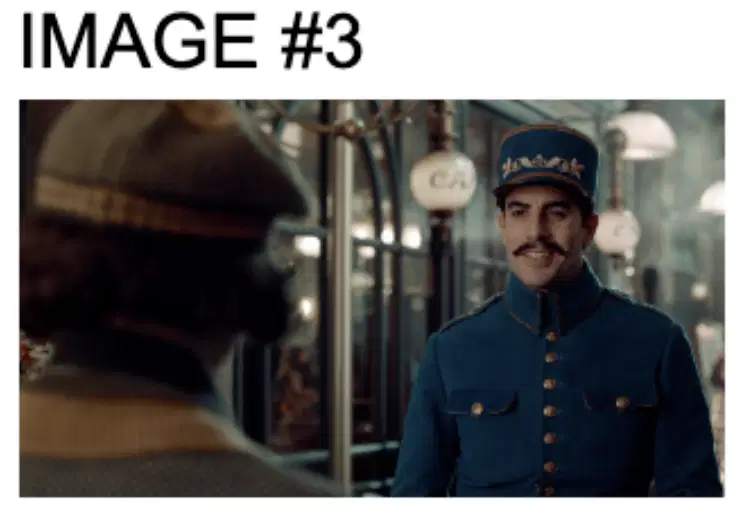
Identify IMAGE #3:
Wide Shot
Close Up
Medium (Mid) Shot
Over-the-Shoulder
Extreme Close Up
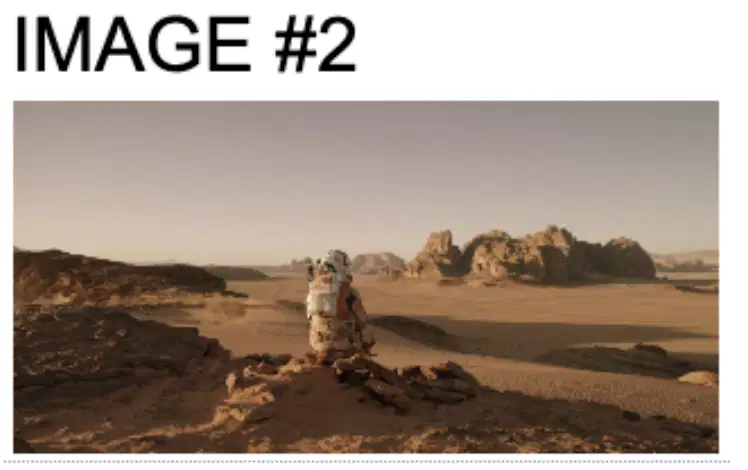
Identify IMAGE #2:
Extreme Close Up
Wide Shot
Medium (Mid) Shot
Close Up
Medium Close Up

Identify IMAGE #1:
Close Up
Medium Close Up
Extreme Close Up
Medium (Mid) Shot
Wide Shot
Which type of shot captures the subject from head to toe, filling the frame?
Wide Shot
Full Shot
Medium Shot
Close-Up
Label the parts of the camera
Power Button
Playback
SD Card Slot
Microphone Input
Headphone Output
HDMI Video Output
USB Terminal
Label the parts of the camera
Label the parts of the camera
Label the parts of the camera

