
NEW
Font size
 Worksheets
Unit 1 Review
Total questions: 50
Worksheet time: 51mins
Protective outermost layer of animal cells:
Cell Membrane
Nucleus
Chromatin
Microtubules

What is the function of a chloroplast?
makes proteins for animal cells
allows materials in and out of the cell
provides structure and support
absorbs sunlight for photosynthesis

Identify the structure that is indicated by the arrow in the image.
cell wall
central vacuole
chloroplast
nucleus

Identify the structure that is indicated by the arrow in the image.
cell wall
central vacuole
chloroplast
cell membrane

The arrow is showing the fluid inside the cell that surrounds the cell organelles and gives the cell its shape. What is the arrow pointing to in the cell?
cytoplasm
mitochondria
ribosomes
nucleus

What organelle is this??
cell wall
chloroplast
mitochondria
nucleus
cell membrane

I make proteins for the cell. What am I?
ribosome
cell membrane
nucleus
chloroplast
This organelle stores water, and is very big in plant cells
nuclolus
ribosomes
golgi bodies
vacuoles
If many of the ribosomes of a cell were destroyed, what effect would this most likely have on the cell?
The cell would not be able to create energy.
The cell would not be able to make proteins.
The cell would not e able to photosynthesize.
The cell would not be able to break down waste in the cell.
Which statement is true about organelles that make food for animal and plant cells?
The mitochondria makes food for animal cells, and the nucleus makes food for plant cells.
The mitochondria makes food for plant cells, and the nucleus makes food for animal cells.
The chloroplasts make food for animal cells, but plant cells cannot make their own food.
The chloroplasts make food for plant cells, but animal cells cannot make their own food.
The _____________ is a gel-like fluid that fills plant and animal cells. It holds the organelles in place and gives each cell its shape.
Cytoplasm
Cell Membrane
Cell Wall
Chloroplast
The _____________ holds the DNA, and controls the functions of eukaryotic cells.
Nucleus
Nuclear Membrane
Mitochondria
Chloroplast
What is the organelle shown?
Plant
Ribosomes
ER
Chloroplast
Cell Wall
provides shape, structure, and protection for the cell
site of photosynthesis; uses the sun's energy to produce food
stores water in order to maintain plant shape (if a plant needs water, it wilts)
site of cellular respiration
Chloroplast
provides shape, structure, and protection for the cell
site of photosynthesis; uses the sun's energy to produce food
stores water in order to maintain plant shape (if a plant needs water, it wilts)
site of cellular respiration
Central Vacuole
provides shape, structure, and protection for the cell
site of photosynthesis; uses the sun's energy to produce food
stores water in order to maintain plant shape (if a plant needs water, it wilts)
site of cellular respiration

Identify the structure that is labeled "H" in the image.
cell wall
chloroplast
mitochondria
nucleus
cell membrane

Identify the structure that is labeled "C" in the image.
central vacuole
nucleus
chloroplast
mitochondria
cell membrane


I make proteins for the cell. What am I?
ribosome
cell membrane
nucleus
chloroplast


What cell structure is letter E in the picture?
mitochondrion
chloroplast
lysosome
ribosome
What structure is found in a plant cell, but is not found in an animal cell?
Cell Wall
Cytoplasm
Nucleus
Cell Membrane

What organelle is labeled "D" on the diagram?
Mitochondria
Vacuole
Chloroplast
Cytoplasm

What letter is a structure that is found in a plant cell, but not in an animal cell?
C
B
G
A

What is DNA
donuts need algea
did no algebra
do not answer
deoxyribonucleic acid

Why is DNA important?
It teleports cookies to my locker.
It carries the instructions for our cells.
It allows me to be invisible.
It gave us a snow day in August.

A chromosome is made of coiled up ___________.
cells
nuclei
DNA

What are the x-shaped objects called inside of the nucleus of a cell?
genes
DNA
chromosomes
cocodrilo peludo que sonríe

The part of the cell that contains chromosomes and genes is the:
Mitochondria
Nucleus
Chloroplast
Ribosomes

A segment of DNA that codes for a trait
gene
centromere
chromosome
chromatid


Which of the following is a structural adaptation for the underlined animal?
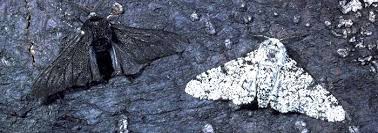
What is an adaptation?
A behavior that helps an animal survive.
The food that animal eats.
How energy moves in a food web.
How animals evolve throughout time.
A giraffe's long neck - used to reach leaves high in trees - is an example of a
behavior adaptation
physical adaptation
learned behavior
behavior
How does adaptations help animals?
to hide from predators
to hunt for food
to survive in their habitats
All of these are correct

An example of a structual adaptation is...
a turtle hiding inside its shell
The spikes on a porcupine fish
a rabbit burrowing underground
a viper biting when threatened


Plants grow towards sunlight to help them acquire as much sunlight as possible.
behavioral
structural

A kangaroo has a pouch to protect its young.
Structural/Physical Adaptation
Behavioral Adaptation

A snake's fangs
structural
physiological
behavioral

