
 Worksheets
Reviewer Quiz – Middle Ages to Exploration
Total questions: 40
Worksheet time: 21mins
Which social system dominated Europe during the Middle Ages?
Democracy
Feudalism
Capitalism
Imperialism
Who was the leader of the Ottoman Turks who captured Constantinople in 1453?
Suleiman the Magnificent
Mehmed II
Saladin
Genghis Khan
The Black Death that killed millions in Europe during the 14th century was caused by:
Influenza
Bubonic plague
Cholera
Smallpox
Which invention by Johannes Gutenberg helped spread Renaissance ideas more quickly?
Compass
Telescope
Printing press
Astrolabe
In 1517, Martin Luther began the Protestant Reformation by posting the:
Magna Carta
95 Theses
Edict of Worms
Treaty of Augsburg
Why was the Catholic Church powerful during the Middle Ages?
It controlled armies.
It controlled trade routes.
It influenced politics, education, and everyday life.
It invented feudalism.
Why is the Renaissance called a “rebirth”?
It revived Greek and Roman culture.
It discovered new continents.
It marked the fall of feudalism.
It began the Age of Exploration.
What was the main reason Europeans searched for new sea routes to Asia?
To avoid pirates
To spread democracy
Because land routes were blocked by the Ottoman Empire
To escape the Black Death
Which of the following best describes Humanism?
Belief in astrology
Focus on human potential and achievements
Rejection of religion
Support for absolute monarchy
What was the major goal of the Counter-Reformation?
To spread Islam in Europe
To encourage scientific discoveries
To reform the Catholic Church and fight Protestantism
To expand colonial territories
If you were a European merchant in the 15th century, how would the Fall of Constantinople affect your trade?
It would make land routes to Asia safer.
It would block your trade routes, forcing you to find alternatives.
It would give you direct access to the Silk Road.
It would end your need for spices.
A ruler in the Middle Ages granting land to nobles in exchange for loyalty is an example of:
Absolutism
Democracy
Feudalism
Colonialism
Which explorer’s voyage proved that the Earth could be circumnavigated?
Christopher Columbus
Ferdinand Magellan
Vasco da Gama
Amerigo Vespucci
A Grade 9 student compares Leonardo da Vinci’s Mona Lisa with medieval art. Which observation shows understanding of Renaissance art?
“Medieval art focused on human beauty and realism.”
“The Mona Lisa shows lifelike details and perspective.”
“The Mona Lisa uses mostly religious themes only.”
“Renaissance art rejected the use of perspective.”
Spain colonized most of Latin America, while Portugal colonized:
Canada
India
Brazil
The Philippines
What was the connection between the Black Death and the weakening of feudalism?
The plague made knights stronger.
Labor shortages gave peasants more bargaining power.
Nobles gained more land.
Kings became weaker because of war.
How did the Treaty of Tordesillas (1494) affect global exploration?
It encouraged war between Spain and Portugal.
It divided newly discovered lands between Spain and Portugal.
It united Europe under one ruler.
It gave Asia to Spain.
Which of the following is a cause-and-effect relationship?
Renaissance led to the Fall of Constantinople.
Protestant Reformation led to Counter-Reformation.
Age of Exploration caused the Black Death.
Printing press caused the Hundred Years’ War.
What similarity exists between the Renaissance and the Protestant Reformation?
Both emphasized humanism.
Both challenged traditional authority.
Both rejected Christianity.
Both started in Spain.
Which of the following best explains why Spain and Portugal led early exploration?
They were rich from industrialization.
Their location on the Atlantic coast made sea voyages easier.
They were united by the Reformation.
They were the first to industrialize.
Which was more important in ending the Middle Ages: the Black Death or the Fall of Constantinople?
Black Death, because it weakened feudalism.
Fall of Constantinople, because it started the Age of Exploration.
Both had equal influence.
Neither had a major effect.
If you were a 16th-century Catholic leader, which action would you prioritize to stop Protestantism?
Strengthen the Inquisition
Abolish universities
Ban the printing press
Ignore Martin Luther
Which of these explorers had the most lasting impact on world history?
Ferdinand Magellan – circumnavigation
Christopher Columbus – discovery of the Americas
Vasco da Gama – sea route to India
Prince Henry – navigation school
Evaluate the Columbian Exchange: Which statement is most accurate?
It only benefited Europeans.
It brought both positive and negative effects to both worlds.
It was entirely harmful.
It ended exploration.
Which factor best explains the success of Spanish conquest in the Americas?
Native American resistance
Spanish use of steel weapons, horses, and diseases
Treaty of Tordesillas
Native Americans had advanced technology
Which Pope crowned Charlemagne?
John XII
Benedict XVI
Gregory the Great
Leo III

Why did people join in fighting in the Crusades?
They wanted adventure.
They thought it would help them get rich.
They thought it would help them get into heaven.
All of these answers
The city of Jerusalem is important to what three major religions?
Buddhism, Hinduism, and Islam
Islam, Christianity, and Hinduism
Islam, Christianity, and Judaism
How did the Medici family contribute to the Renaissance?
They were patrons of the arts
They killed off anyone who challenged their power
They went on a crime spree
They formed the first government that collected taxes
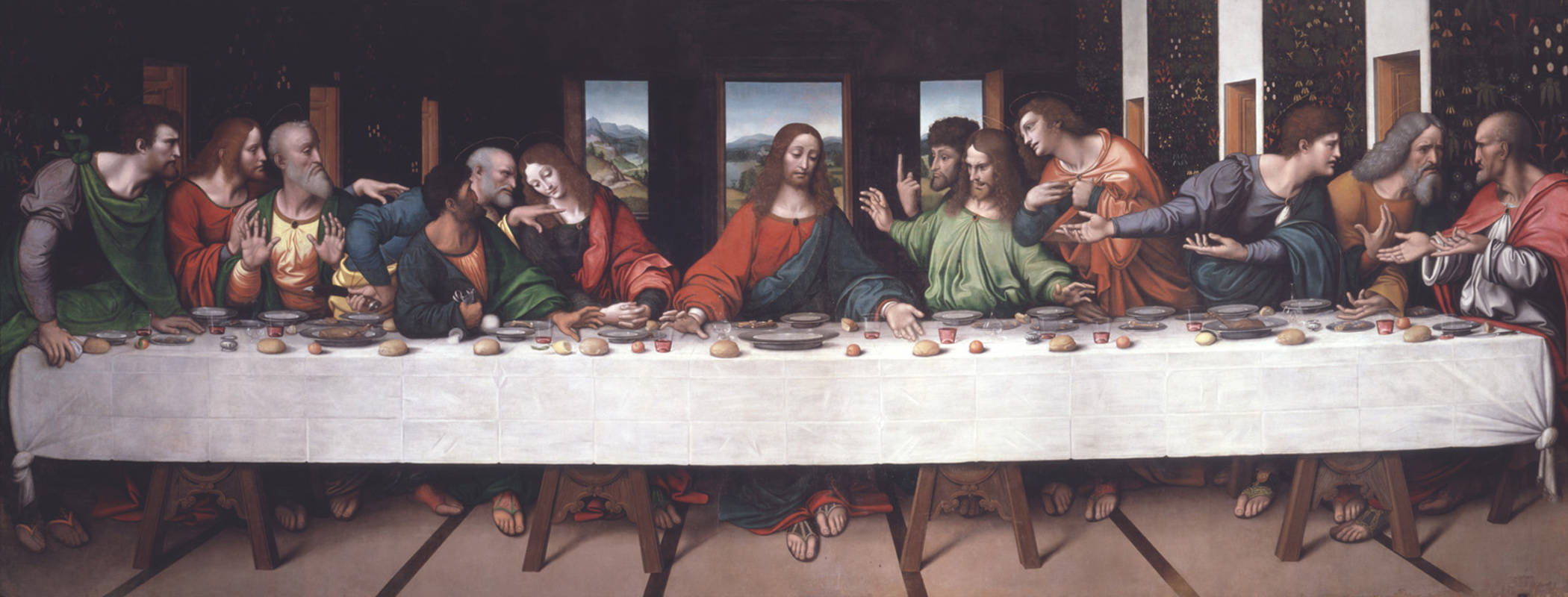
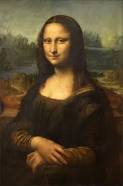

Artist who painted the ceiling of the Sistine Chapel in Rome
Michelangelo
Leonardo Da Vinci
Perspective
Patron
Humanism...
emphasized the Bible
leads to happier lives
encourages people to learn Latin and Greek
emphasized human interests and values


Patronage during the Renaissance was most closely aligned with
Leaders granting loyal supporters lucrative government jobs
Wealthy families hiring artists to create paintings, sculptures, etc. in exchange for money, food, shelter, etc.
The concept of frequenting the same shop or business so you are loyal to an individual and/or their products
Governments assisting mariners in funding overseas voyages to further expand trade

