
 Worksheets
Pre-Cooking Assessment
Total questions: 41
Worksheet time: 21mins
What is the minimum amount of time you should wash your hands with soap and water?
10 seconds
15 seconds
20 seconds
30 seconds
When washing dishes, what item should never be put in the soapy water where it can’t be seen?
Silverware
Glass cups
Knife
Skillet
Which is NOT a required supply for washing dishes?
Dish soap
Warm water
Hand Soap
Dish towel
What is the best defense against the spread of infection?
Using antibacterial soap
Hand washing
Using hot water only
Using hand sanitizer
When measuring flour, what is the correct method?
Pack firmly and level off
Scoop directly from container
Spoon in lightly and level off
Pour until overflowing
Which step is NOT part of proper hand washing?
Using running water
Applying soap
Drying with disposable towels
Using cold water only
When following a recipe, what should you do first?
Gather ingredients
Preheat the oven
Read the recipe carefully
Start mixing ingredients
When washing dishes, what should you do with extra dirty dishes?
Leave them in the sink for someone else
Wash them first
Soak them in hot water
Use extra soap
What is the correct way to view liquid measurements in a measuring cup?
From above
At eye level
From below
At arm's length
When cutting a recipe in half, what remains the same?
Pan size
Cooking temperature
Cooking time
Amount of ingredients
Which is NOT a proper step in cleaning up after dishes?
Wiping down counters
Mopping the floor
Leaving soapy water in sink
Taking out garbage
Which measuring method is correct for brown sugar?
Spoon in lightly
Pack firmly and level off
Pour until full
Scoop and shake
What should you check on the stove after your'e done cooking for the day?
That it's clean
That it's dry
That it's off
That it's working
When should you change dishwater?
After washing all dishes
When it gets cold
When it gets dirty or cloudy
Every 5 minutes
What are the four main parts of a recipe?
Ingredients, steps, time, Number of servings
Name, tools, ingredients, temperature
Instructions, nutrition facts, equipment, notes
Time, temperature, tools, techniques
Which is NOT a step in following a recipe correctly?
Measuring exactly
Mixing carefully
Estimating ingredients
Gathering equipment
What should you do with dirty dishcloths after washing dishes?
Leave them in the sink
Put them in the laundry
Hang them to dry
Throw them away
What is the primary purpose of using oven mitts in the kitchen?
To keep hands clean while cooking
To prevent burns when handling hot items
To improve grip on kitchen utensils
To protect against cuts from sharp objects
When storing knives safely, what is the correct method?
Place them loose in any drawer
Store them with blades pointing upward
Keep them in a knife block or drawer with blade down
Leave them on the counter for easy access
How should you clean up broken glass in the kitchen?
Pick it up carefully with bare hands
Use a broom and dustpan
Vacuum it immediately
Leave it for someone else to clean
What is the correct direction to point pot handles on the stove?
Toward the front of the stove
Toward the center of the stove
Toward the side of the stove
In any convenient direction
What should you do immediately after spilling liquid on the kitchen floor?
Wait for it to dry naturally
Place a warning sign and leave it
Cover it with a towel
Clean it up immediately
When using a knife to cut ingredients, which direction should you cut?
Toward your body
Away from your body
In any comfortable direction
Parallel to your body
What type of shoes are appropriate for kitchen work?
Open-toed sandals
High heels
Non-slip, closed-toe shoes
Any comfortable shoes
How should you handle raw meat and vegetables to prevent cross-contamination? Choose all that apply.
Use the same cutting board
Use separate cutting boards
Wash the cutting board between uses
Cut the vegetables before the raw meat
What should you never use to extinguish a grease fire?
Fire extinguisher
Baking soda
Water
Fire blanket
For how long should you run cool water over a burn?
1-2 minutes
20 minutes
10-15 minutes
30 seconds
What creates slippery surfaces in the kitchen?
Only water spills
Only grease spills
Only food debris
Water, grease, and food debris
Where should dish towels and clothes be kept while cooking in the kitchen?
Near the stove for easy access
Away from heat sources
In the cabinet storage
Anywhere convenient
What should you do with your workspace while cooking?
Clean only after finishing
Clean only before starting
Keep it clean and organized as you cook
Wait for someone else to clean
How should fingers be positioned when chopping with a knife?
Extended straight
Curled under
Wrapped around the food
However feels comfortable
What is the first step in responding to a kitchen fire?
Call 911 immediately
Try to put it out with water
Turn off heat source if safe
Run from the kitchen
What is the first step you should take when getting a cut?
Ignore it and continue cooking
Put a bandaid on it
Rinse with water and then apply pressure
Wait to see if it stops
How should you maintain kitchen floors to prevent accidents?
Clean only at the end of day
Keep them dry and free of debris
Mop once a week
Use lots of cleaning products
What items should you know the location of for kitchen emergencies?
Only fire blanket
Only fire extinguisher
Only emergency phone
Fire blanket, fire extinguisher, and emergency phone
What should you do with broken glass pieces after sweeping?
Dispose in regular trash
Leave them in the dustpan
Double-bag before disposing
Recycle them immediately
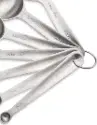
What is this item?
Measuring cups
Measuring spoons
Silverware
Ladles
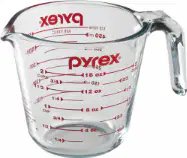
What types of ingredients do you measure with this item?
Liquid Ingredients
Dry Ingredients
Flour
Fruit
Why is it important that we have assigned roles in the kitchen?
So everyone can be the boss
To find out who is a good leader
Prevent Injury
To give everyone a chance to do something in the kitchen
What is the most important section in a recipe?
Cook time
Ingredients List
Step by Step Instructions
Nutrition Facts
If you are rough housing in the kitchen for the 3rd time what is your consequence?
Don't get to cook for the rest of that day
Asked to sit down for 15 minutes and try rejoining your group after that
Don't get to cook for the rest of the semester
Sent to the office and done cooking for that day

