
NEW
Font size
 Worksheets
Ex Phys - Heat Transfer and Environmental Conditions Quiz
Total questions: 64
Worksheet time: 32mins
Which of the following is a method of heat transfer that involves the movement of fluid or air?
Conduction
Convection
Radiation
Evaporation
What is the process called when a liquid turns into vapor, often used by the body to cool down?
Conduction
Convection
Radiation
Evaporation
Which environmental condition involves the body's need for fluid replacement to maintain performance?
Cold
Humidity
Heat
Altitude
What is the term for the body's adjustment to high altitude over time?
Heat acclimatisation
Cold acclimatisation
Altitude acclimatisation
Wind chill
What is ATP?
Adenosine Triphosphate
Adenosine Diphosphate
Adenosine Monophosphate
Adenosine Tetraphosphate
Which of the following is a phase of activity in exercise?
Pre competition
Post competition
Mid competition
Pre training
Which of the following is a performance enhancement strategy?
Protein powders
Vitamin supplements
Herbal teas
Meditation
What is a key component of training programs?
Periodisation
Meditation
Relaxation
Visualization
Which of the following is a temperature regulation mechanism in varying environmental conditions?
Photosynthesis
Radiation
Fermentation
Respiration
What is one of the considerations for performing in heat and humidity?
Nutritional intake
Acclimatisation processes
Sleep patterns
Altitude training
Which process involves the body's adaptation to environmental conditions?
Evaporation
Acclimatisation
Conduction
Convection

Which environmental condition was a significant challenge for athletes during the Tokyo Olympics?
Pollution
Altitude
Heat and humidity
Cold
What environmental factor affected the Beijing 2008 Olympics?
Humidity
Pollution
Altitude
Heat
How do environmental conditions impact athletes' performance?
They have no impact
They only affect mental focus
They alter the body's response to physical activity
They improve performance
Which of the following is considered an environmental condition affecting athletes?
Temperature - Hot/cold
Diet - Balanced/unbalanced
Training - Intense/light
Equipment - New/old
What is the maximum on-court temperature that can be reached at the Australian Open?
45°C
50°C
55°C
60°C
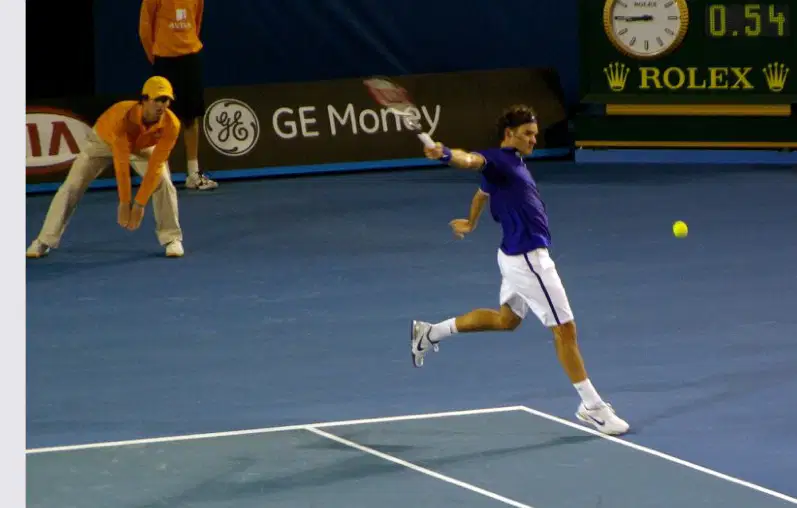
How can players minimize the impact of heat during a match?
By wearing heavier clothing
By increasing their calorie intake
By staying hydrated and taking breaks
By using heavier equipment
What is ambient temperature?
The temperature inside the athlete’s body
The temperature of the environment the athlete is performing in
The temperature of the skin surface
The temperature of the blood
What happens to blood vessels during vasodilation?
They decrease in diameter
They increase in diameter
They remain the same
They constrict completely

What is the effect of vasoconstriction on the body?
Increases blood flow to the skin
Minimizes heat loss
Enhances sweating
Improves fine motor skills

Which of the following is a factor contributing to heat gain in the body?
Radiation
Conduction
Hormones
Evaporation
What happens to core temperature when heat gain exceeds heat loss?
Core temperature decreases
Core temperature remains constant
Core temperature rises
Core temperature fluctuates
Which process is involved in heat loss from the body?
Muscular activity
Basal metabolic rate
Convection
Environment
What is the normal core temperature range the body tries to maintain during exercise in the heat?
37°C +/- 3 degrees
40°C +/- 5 degrees
35°C +/- 2 degrees
39°C +/- 4 degrees
What is the term used to describe the body's challenge of coping with heat from both active muscles and environmental conditions?
Heat overload
Double heat load
Thermal stress
Heat exhaustion
Which of the following is NOT a method of heat loss from the body?
Conduction
Convection
Insulation
Evaporation
What is conduction in terms of heat exchange?
Heat exchanged by radiation
Heat exchanged by convection
Heat exchanged by 2 objects in contact
Heat exchanged by evaporation
Which factor increases the rate of heat loss through conduction?
Decrease in surface area
Increase in surface area
Decrease in temperature difference
Low thermal conductivity
Why is metal considered a good conductor of heat?
It has low thermal conductivity
It has high thermal conductivity
It decreases surface area
It increases temperature difference

How can athletes cool down in hot environments according to the text?
By wearing heavy clothing
By using ice vests or ice baths
By drinking hot beverages
By standing in the sun
What is convection in the context of environmental conditions?
Heat exchange by contact with a solid surface
Heat exchange by contact with a fluid that is flowing
Heat exchange by radiation
Heat exchange by conduction
Which factor affects the magnitude of heat loss due to convection?
Color of the clothing
Speed and temperature of the air/water
Time of day
Altitude
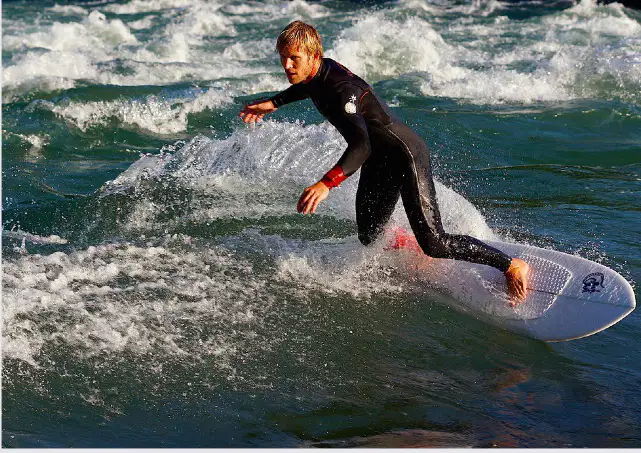
How can athletes promote heat loss in cooler surroundings?
By wearing thicker clothing
By reducing body surface area exposure
By exposing more of their body surface area
By staying indoors
What is radiation in the context of heat transfer?
Transfer of heat through direct contact
Transfer of heat through a fluid
Transfer of heat from a warmer body to cooler surroundings without physical contact
Transfer of heat through conduction
What percentage of heat loss from the body at rest on a cool day is accounted for by radiation?
30%
60%
50%
70%
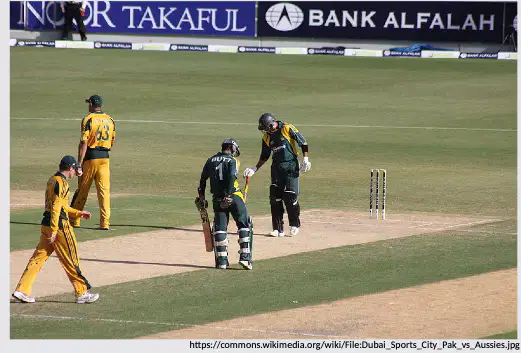
When do people absorb radiant heat energy?
When their core temperature is higher than the ambient temperature
When their surroundings are hotter than their core temperature
When they are in a shaded area
When they are in a cold environment
What is the primary method the body uses to regulate temperature during exercise?
Shivering
Evaporation of sweat
Increased heart rate
Muscle contraction
How does increased blood flow to the skin help in cooling the body?
By reducing muscle activity
By vasodilation of blood vessels
By increasing heart rate
By decreasing sweat production
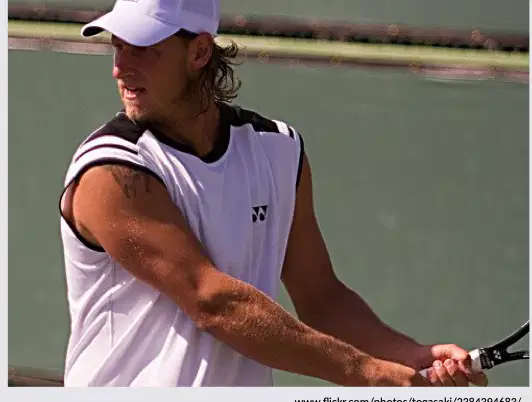
What percentage of heat loss can evaporation account for in hot conditions?
10%
25%
50%
80%
In which conditions is evaporation most effective?
Humid conditions
Dry conditions
Cold conditions
Windy conditions
What happens to evaporation as humidity increases?
Evaporation becomes more effective
Evaporation becomes less effective
Evaporation remains unchanged
Evaporation stops completely
What is the result of 100% humidity on heat loss via evaporation?
Increased heat loss
No heat loss
Decreased sweating
Faster evaporation
Why does dehydration become a problem in high heat conditions?
Due to increased food intake
Due to a large volume of fluid being lost from the body
Due to decreased physical activity
Due to increased humidity
Which factor does NOT affect the rate of sweating?
Gender
Number of sweat glands
Body surface area
Hair color
What can excessive sweating lead to if not managed properly?
Improved performance
Heat exhaustion and heatstroke
Increased energy levels
Enhanced thermoregulation
What percentage of body mass loss due to sweat can compromise performance and thermoregulation?
1%
2%
5%
10%
What is the only method of heat loss when the ambient temperature is above the body's core temperature?
Convection
Radiation
Evaporation
Conduction
How does forced convection affect heat loss?
It decreases heat loss if it is windy.
It increases heat loss if it is windy.
It has no effect on heat loss.
It increases heat loss if it is humid.
What effect do barriers to convection, such as clothing, have on heat loss?
They increase heat loss by allowing more air flow.
They have no effect on heat loss.
They minimize heat loss by insulating the boundary layer of air.
They increase heat loss by absorbing more heat.
Why might light clothing be preferable to dark clothing in terms of temperature regulation?
Light clothing absorbs more heat.
Light clothing does not absorb as much heat as dark clothing.
Light clothing increases heat loss through conduction.
Light clothing increases heat gain through radiation.
What happens to heat loss via evaporation when relative humidity is 100%?
Heat loss via evaporation increases.
Heat loss via evaporation decreases.
No heat loss via evaporation occurs.
Heat loss via evaporation remains constant.
Why do children produce more heat relative to body mass compared to adults?
They have more developed sweat glands.
They have a higher rate of heat production.
They have a lower body mass.
They have a higher plasma volume.
What is one reason children are more prone to heat illness than adults?
They sweat more than adults.
They have a higher hydration state.
They have a lower sweating capacity.
They have a higher plasma volume.
How does a reduction in plasma volume affect sweat rate?
It increases the sweat rate.
It decreases the sweat rate.
It has no effect on sweat rate.
It stabilizes the sweat rate.
Which of the following is a temperature regulation mechanism in varying environmental conditions?
Photosynthesis
Radiation
Digestion
Filtration
What is one of the physiological changes that occur in varying environmental conditions?
Increased bone density
Enhanced vision
Sweating
Hair growth
What is the purpose of acclimatisation processes in varying environmental conditions?
To increase muscle mass
To gain adaptations
To improve memory
To enhance taste
Which strategy is important for managing performance in heat and humidity?
Reducing water intake
Wearing heavy clothing
Hydration
Avoiding rest
What does Heart Rate (HR) refer to?
The amount of blood ejected from the heart each beat
The number of times the heart beats per minute
The amount of blood circulating around the body every minute
A situation where the body deals with two forms of heat
What is Stroke Volume (SV)?
The number of times the heart beats per minute
The amount of blood ejected from the heart each beat
The amount of blood circulating around the body every minute
When heart rate increases to maintain cardiac output
How is Cardiac Output (Q) calculated?
HR + SV
HR - SV
HR * SV
HR / SV
What is Double Heat Load?
A decrease in stroke volume
A situation where the body deals with two forms of heat
The amount of blood ejected from the heart each beat
The number of times the heart beats per minute
What occurs during Cardiovascular Drift?
Stroke volume increases
Heart rate decreases
Heart rate increases to maintain cardiac output
The body deals with two forms of heat
What is Dehydration?
When the amount of water entering the body exceeds the amount leaving
When the amount of water leaving the body exceeds the amount being taken in
When heart rate increases to maintain cardiac output
A situation where the body deals with two forms of heat

