
Font size
 Worksheets
Mapeh4.1 Body Awareness
Total questions: 46
Worksheet time: 23mins
________ refers to the knowledge of one’s body parts and what each part can do and how to make each part move.
Body Awareness
Spatial Awareness
Coordination
Balance
A person's health status may be determined through _________
health appraisal procedures
random guessing
astrological signs
fortune telling
Health appraisal procedures are:
methods used to assess an individual's health status
techniques for improving physical fitness
steps for diagnosing specific diseases
ways to prescribe medication
HEALTH APPRAISAL PROCEDURES are series of procedures to assess or determine one's ________ status. This is usually done in schools by health professionals and teachers through observations, screenings, and tests.
health
academic
financial
social
What are health appraisal procedures?
Procedures to assess or determine one's health status
Procedures to teach math
Procedures to organize sports events
Procedures to clean classrooms
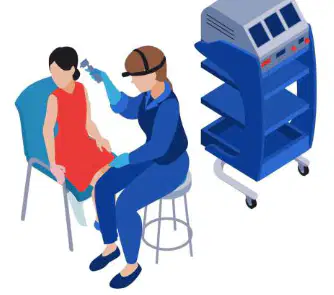
Which of the following is a test commonly done during health appraisals?
Hearing Test
Blood Sugar Test
Allergy Test
Bone Density Test
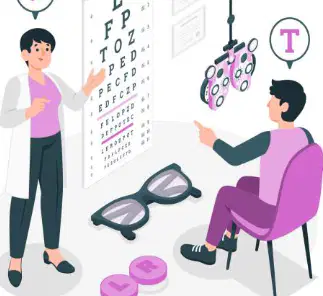
A ________ test is used to check a person's ability to see clearly during health appraisals.
Vision
Hearing
Blood
Urine
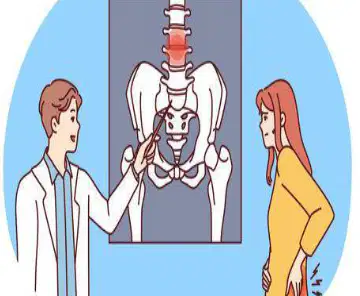
Scoliosis screening is one of the usual tests done during health appraisals.
True
False
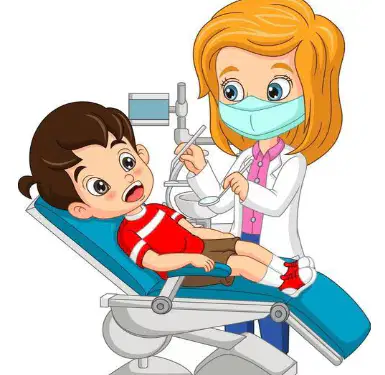
One of the usual tests and screenings done during health appraisals is _________.
Dental Health
Vision Test
Blood Pressure Measurement
Hearing Test
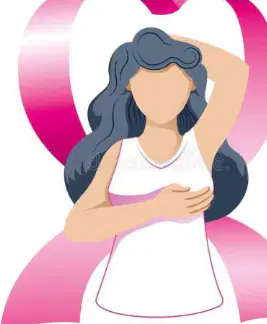
One of the usual tests and screenings done during health appraisals is _________.
Breast Self-Examination
Vision Test
Blood Pressure Measurement
Hearing Test
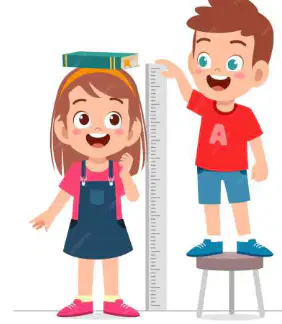
One of the usual tests and screenings done during health appraisals is _________.
Weight and Height Measurements
Blood Sugar Level Measurement
Vision Test
Dental X-ray
What does BMI stand for?
Body Mass Index
Body Muscle Indicator
Basic Mass Index
Body Measurement Indicator
What does BMI stand for?
Body Mass Index
Basic Muscle Indicator
Body Mass Information
Biological Mass Index
What two factors does BMI use to make this determination?
Height and weight
Age and gender
Blood type and cholesterol level
Diet and exercise habits
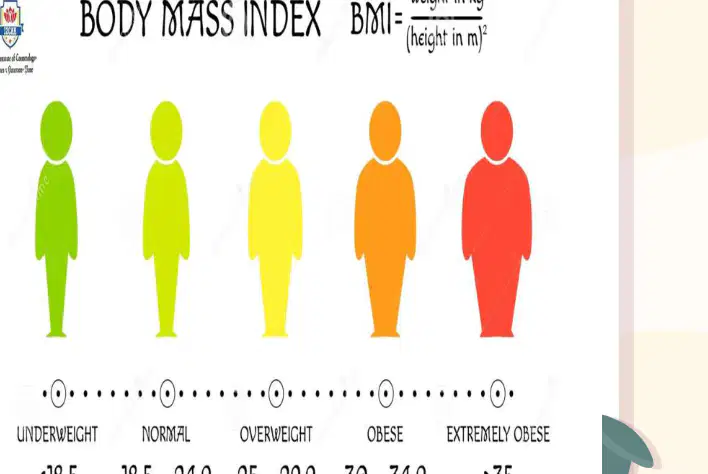
What is the formula for calculating BMI?
BMI = weight in kg / (heightinm)2
BMI = weight in kg × height in m
BMI = weight in kg / height in m
BMI = height in m / weight in kg
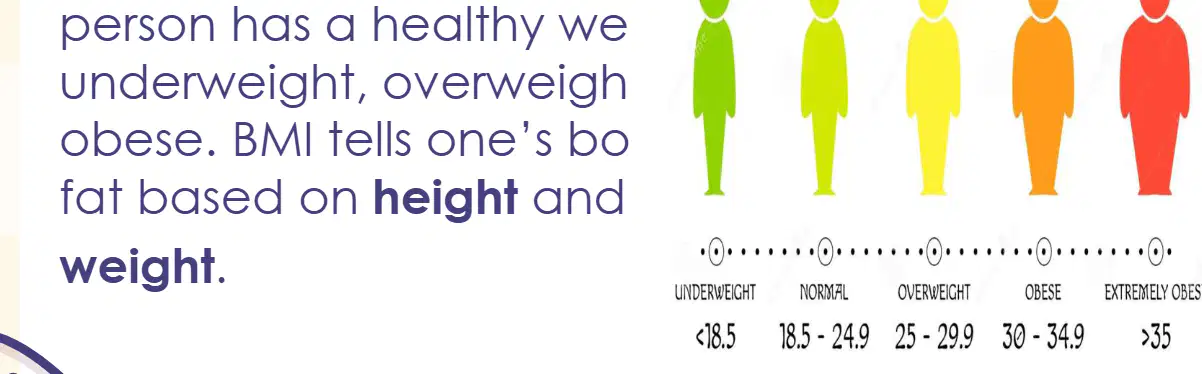
Which BMI range is considered 'Normal'?
<18.5
18.5 - 24.9
25 - 29.9
30 - 34.9
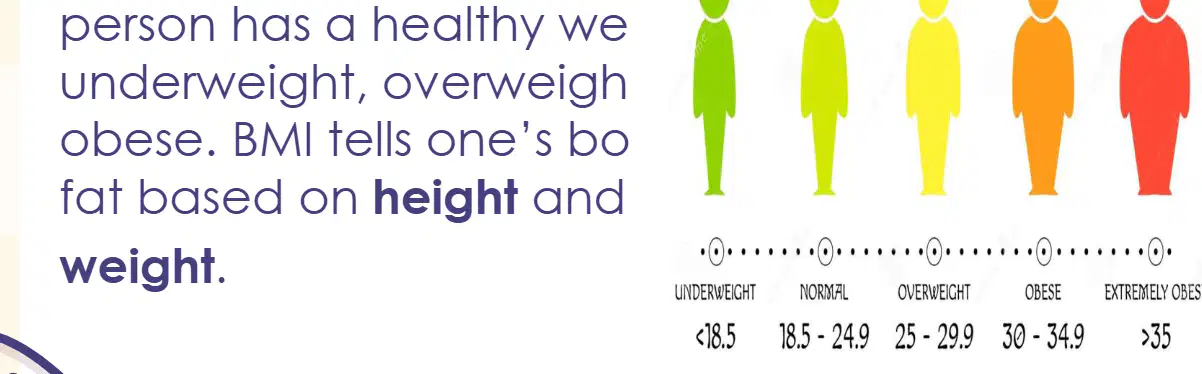
Match the following BMI categories to their corresponding BMI ranges:
Underweight
<18.5
Normal
18.5 - 24.9
Overweight
25 - 29.9
Obese
30 - 34.9
Extremely Obese
>35
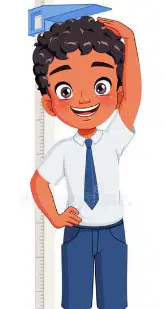
The stadiometer is used to measure _____?
height
weight
temperature
blood pressure
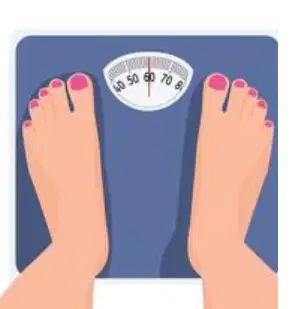
A weighing scale is used to measure:
Height
Weight
Temperature
Length
What corrective action is recommended for someone who is underweight?
Increase calorie intake, get plenty of exercise, consult a general practitioner.
Decrease calorie intake and avoid exercise.
Skip meals regularly and avoid medical advice.
Follow a strict low-calorie diet and avoid physical activity.
What should a person with normal weight do to maintain their health?
Maintain healthy eating and maintain regular physical activities.
Eat only junk food and avoid exercise.
Skip meals regularly to lose more weight.
Avoid all forms of physical activity.
What is the recommended corrective action for someone who is overweight?
Reduce calorie intake.
Increase sugar intake.
Skip all meals.
Eat only junk food.
What corrective actions are suggested for someone who is obese?
Improve healthy eating habits and increase physical activities.
Skip meals regularly to lose weight quickly.
Take weight loss pills without consulting a doctor.
Avoid all forms of physical activity.
What is the purpose of a hearing test?
To test how well a person can see
To test how well a person is hearing
To determine a person's height
To check a person's blood pressure
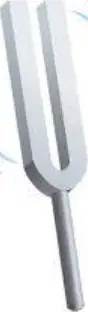
What is a tuning fork used for?
Measuring blood pressure
Determining hearing loss
Checking eyesight
Measuring temperature

What instrument can be used to check your ears?
Thermometer
Otoscope
Stethoscope
Sphygmomanometer
If your health concern is ________, you may use hearing aid.
hearing loss
vision loss
toothache
fever
Which of the following should you avoid to protect your hearing?
Exposure to loud noises
Drinking water
Eating fruits
Exercising
Which of the following should you avoid inserting into your ears?
Pointed objects
Cotton
Water
Oil
Avoid medicines that might harm your ________.
hearing
vision
skin
teeth
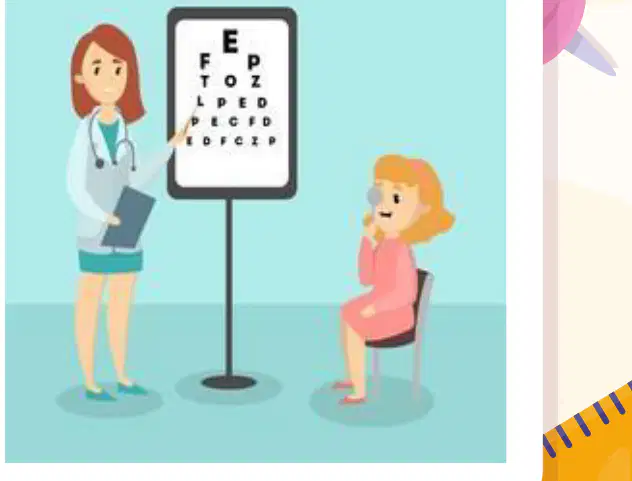
What is the name of the test that checks how well a person can see things up close and far away?
Vision screening/Visual Acuity
Hearing test
Blood pressure test
Reflex test
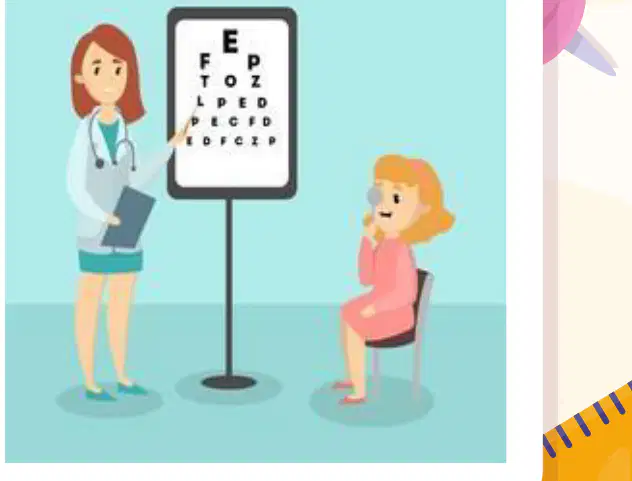
What tool is usually used to conduct a vision screening/visual acuity test?
Snellen chart
Stethoscope
Thermometer
Sphygmomanometer
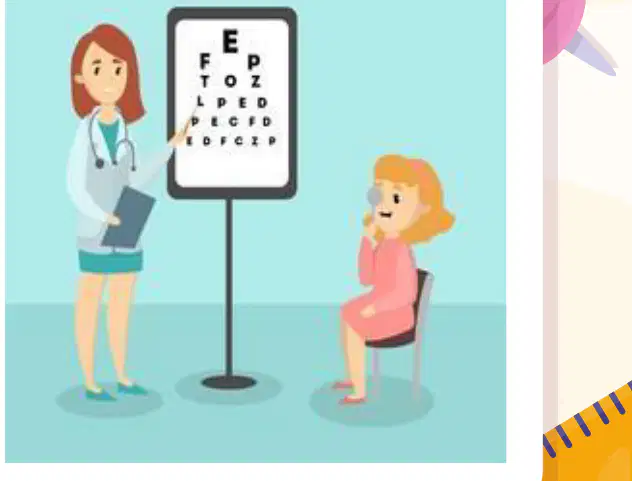
Vision screening/Visual Acuity is a test that will check how well a person can see things up close and far away.
True
False
If your health concern is ________, you may use eyeglasses or have surgery and medicine.
low vision
hearing loss
tooth decay
skin allergy
Should you rub your eyes in dim light?
True
False
What should you avoid doing to protect your eyes?
Avoid rubbing your eyes.
Wash your eyes with dirty water.
Stare directly at the sun.
Share eye makeup with others.
Which nutrients should you consume to help maintain eye health?
Zinc, omega-3 fatty acids, vitamin C, and vitamin E.
Sodium, saturated fats, vitamin D, and calcium.
Sugar, trans fats, vitamin B12, and iron.
Cholesterol, caffeine, vitamin K, and magnesium.
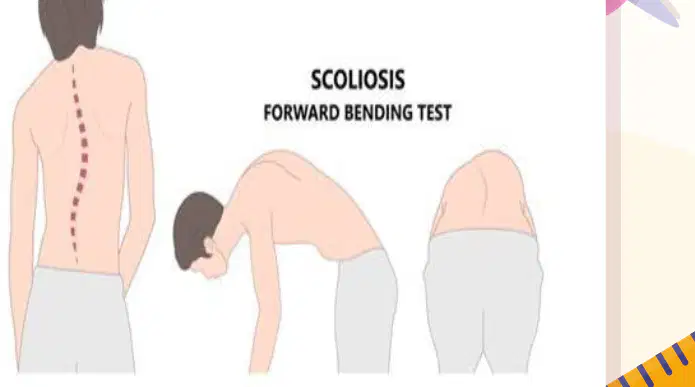
What is the purpose of the scoliosis test?
To check if the spine has a curve
To check eyesight
To measure height
To test reflexes
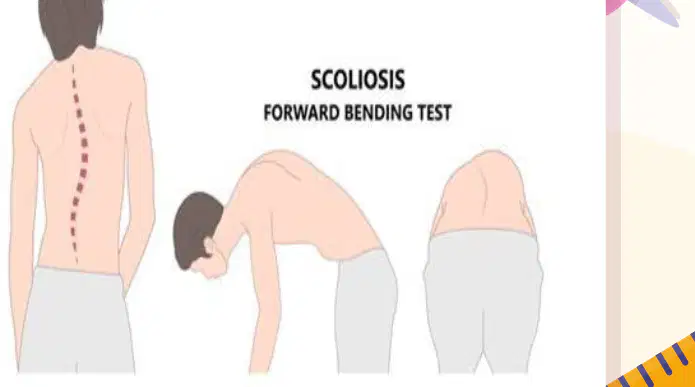
The Adam's forward bend test is used to check for _________
scoliosis
arthritis
asthma
diabetes
What are the corrective actions you may use for this condition?
use of braces, doing exercise, and surgery
taking antibiotics and rest
applying ice packs and using crutches
using hearing aids and speech therapy
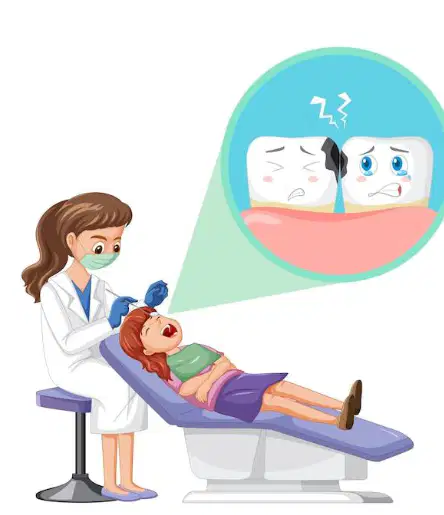
What is the purpose of a dental examination?
To check the condition of your teeth and gums for possible cavities, plaque, or swollen gums.
To play games
To watch TV
To eat sweets
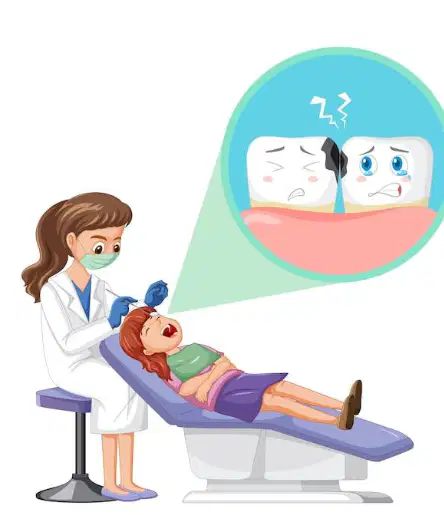
Dental examination is done to check the condition of your teeth and gums for possible ________, plaque, or swollen gums.
cavities
fractures
braces
fillings
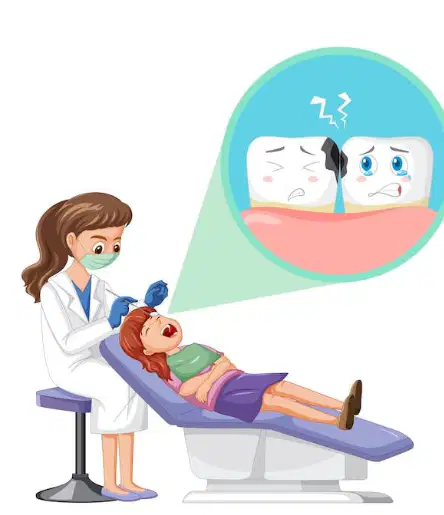
Name two things a dentist checks for during a dental examination.
Teeth and gums
Eyes and ears
Nose and throat
Hair and nails
What corrective action may you have for cavities?
You may have your dental filling and tooth extraction.
You may ignore the cavity and hope it heals itself.
You may brush your teeth once a month to fix it.
You may use mouthwash only to cure cavities.
What should be done for plaque, tartar, and swelling gum?
It can be removed by the dentist and practice good oral hygiene.
Ignore it as it will go away on its own.
Use only mouthwash and avoid brushing.
Eat more sugary foods to reduce swelling.
Breast self-examination refers to:
A method where a person examines their own breasts to detect any changes or lumps.
A procedure performed only by doctors to check for breast cancer.
A type of surgery to remove lumps from the breast.
A laboratory test to analyze breast tissue.

