
 Worksheets
Chemical Reactions unit check for understanding
Total questions: 45
Worksheet time: 23mins
Which of the following is an example of a chemical property of matter?
The ability to rust
The mass of a rock
The length of a pencil
The temperature of water
Why are properties important in science?
They help describe or identify a substance
They make substances look more interesting
They change the color of substances
They increase the weight of substances
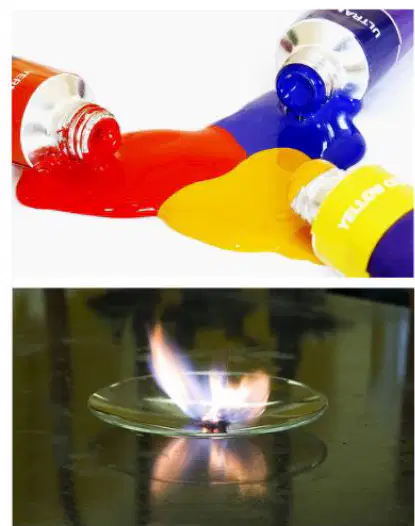
Which property is being demonstrated by the burning substance in the image?
Chemical property
Magnetic property
Electrical property
Physical property only
What is a physical property?
A characteristic that can be observed or measured without changing the substance
A characteristic that changes the substance into something new
A process that creates energy
A reaction that produces light
Which of the following is NOT an example of a physical property?
Burning
Mass
Texture
Shape
Which of the following best describes when a chemical property can be observed?
When atoms rearrange during a chemical change
When the substance is heated
When the substance is dissolved in water
When the substance is broken into pieces

Why are fireworks a good example to show a chemical property?
Because fireworks involve atoms rearranging during a chemical change
Because fireworks are colorful
Because fireworks are loud
Because fireworks are made of paper
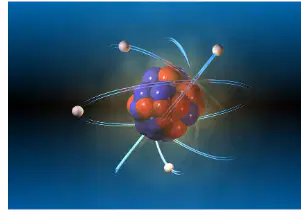
What is the smallest particle of an element, made of electrons, protons, and neutrons?
Atom
Molecule
Compound
Element
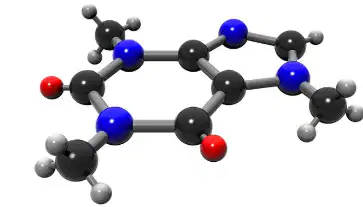
Which of the following best describes a molecule?
The simplest unit of a chemical compound that can exist; formed when two or more atoms join together chemically
The smallest particle of an element
A new substance with unique chemical and physical properties
A single proton or neutron
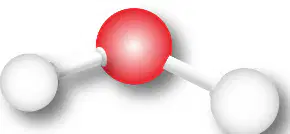
What is a compound?
A new substance with unique chemical and physical properties formed when two or more elements are chemically bonded during a chemical reaction
The smallest particle of an element
A single atom
A mixture of substances that are not chemically bonded
If two or more atoms join together chemically, what do they form?
Molecule
Atom
Element
Mixture
Which of the following statements requires you to identify the difference between a molecule and a compound?
A molecule is the simplest unit of a chemical compound, while a compound is a new substance formed from two or more elements chemically bonded.
A molecule is made of protons and neutrons, while a compound is made of electrons.
A molecule is always a single atom, while a compound is always a mixture.
A molecule and a compound are exactly the same thing.
Which of the following best describes what happens during a chemical reaction?
Substances change into new substances
Substances remain the same
Substances are only physically mixed
Substances are separated by filtering
Why is a chemical reaction considered different from a physical change?
Because new substances are formed in a chemical reaction
Because the substances only change their state in a chemical reaction
Because the substances are only mixed together in a chemical reaction
Because the substances are separated in a chemical reaction
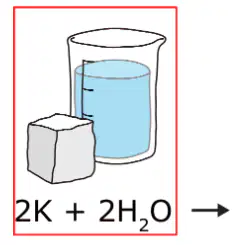
What is a reactant in a chemical reaction?
A substance that takes part in and undergoes change during a chemical reaction
A substance produced during a chemical reaction
A substance that remains unchanged after a reaction
A substance that speeds up a chemical reaction
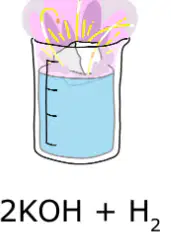
In a chemical reaction, what do we call the new substances that are formed?
Reactants
Products
Catalysts
Inhibitors
In the chemical equation 2K + 2H₂O → 2KOH + H₂, which substances are the reactants?
2K and 2H₂O
2KOH and H₂
Only 2K
Only 2H₂O
In the chemical equation 2K + 2H₂O → 2KOH + H₂, which substances are the products?
2K and 2H₂O
2KOH and H₂
Only 2K
Only 2H₂O
Why is it important to identify reactants and products in a chemical reaction?
To understand what substances are involved and what changes occur
To make the reaction faster
To avoid using any chemicals
To increase the temperature of the reaction
Why are synthetic materials different from natural materials?
They are made by changing natural substances through a chemical process
They are always found in nature
They do not involve any chemical changes
They are only made from metals
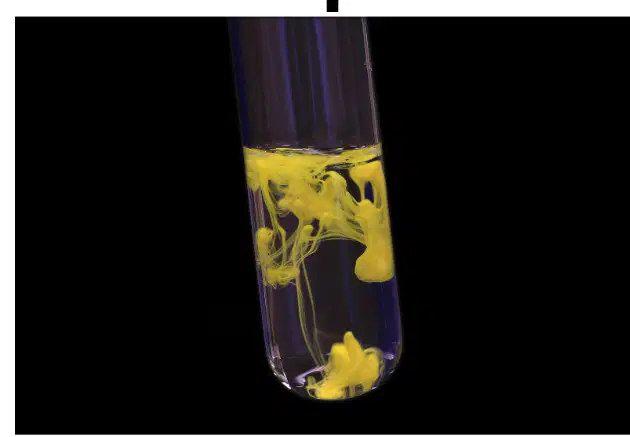
Which of the following best describes what happens when a precipitate forms during a chemical reaction?
A new insoluble solid appears in the solution
The temperature of the solution decreases
The solution changes color but remains clear
A gas is produced and bubbles form
Why is the formation of a precipitate considered evidence of a chemical reaction?
Because it shows a new substance with different properties has formed
Because it always produces heat
Because it makes the solution evaporate
Because it changes the color of the container
Which of the following chemical equations represents the formation of water from hydrogen and oxygen?
2H₂ + O₂ → 2H₂O
H₂ + O₂ → H₂O₂
2H₂O → 2H₂ + O₂
H₂O + O₂ → H₂O₂
What happens to the total mass of substances during a chemical reaction according to the law of conservation of mass?
It remains the same before and after the reaction
It increases after the reaction
It decreases after the reaction
It doubles after the reaction
What does a chemical formula represent?
The type and number of atoms in the smallest unit of a substance
The color and shape of a molecule
The temperature at which a substance melts
The speed at which a reaction occurs
The chemical formula for glucose is C₆H₁₂O₆. What does the "6" in C₆ mean?
There are 6 carbon atoms in one molecule of glucose
There are 6 molecules of glucose
There are 6 types of atoms in glucose
There are 6 bonds in glucose
If you are given the chemical formula C₆H₁₂O₆, how would you determine the total number of atoms in one molecule?
Add the subscripts: 6 + 12 + 6
Multiply the subscripts: 6 × 12 × 6
Subtract the smallest subscript from the largest
Divide the largest subscript by the smallest
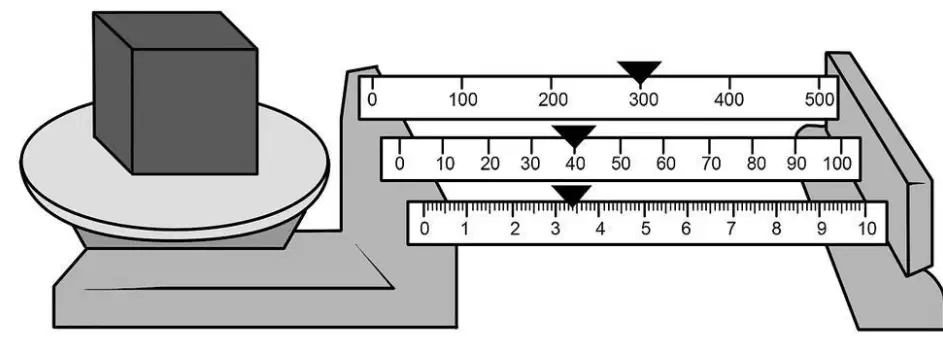
What does the term "mass" refer to?
A measure of how much matter is present in a substance
The amount of space an object takes up
The temperature of a substance
The color of a substance
What is a coefficient in a chemical equation?
A number placed in front of a chemical symbol or formula that represents the number of molecules
A letter that represents an element
A symbol that shows the state of matter
A number written as a subscript in a formula
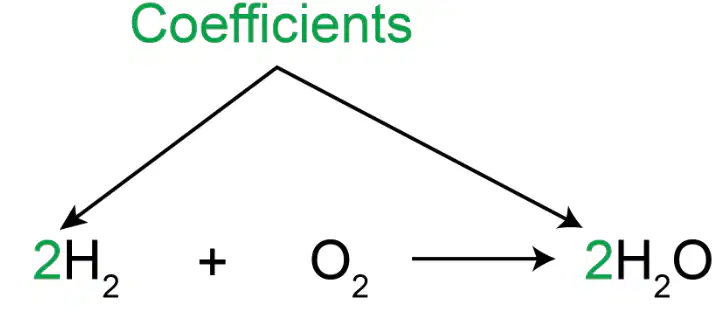
In the chemical equation 2H₂ + O₂ → 2H₂O, what does the "2" in front of H₂ represent?
The number of H₂ molecules involved in the reaction
The number of oxygen atoms in the reaction
The number of water molecules produced
The number of elements in the equation
Which of the following best describes what happens to atoms during a chemical reaction, according to the Law of Conservation of Mass?
Atoms are lost during the reaction.
The number and type of atoms in the reactants is exactly equal to the number and types of atoms in the products.
New atoms are created in the products.
Atoms are destroyed in the reactants.
Which of the following best describes a synthesis reaction?
A + B → AB
AB → A + B
AB + CD → AC + BD
Acid + base → salt and water
What is the general formula for a decomposition reaction?
A + B → AB
AB → A + B
AB + CD → AC + BD
Acid + base → salt and water
What is combustion?
When a substance burns involving O₂
When a substance freezes involving O₂
When a substance dissolves in water
When a substance evaporates
Which of the following is an example of a combustion reaction?
Glucose + O₂ → CO₂ + H₂O
NaCl + H₂O → NaOH + HCl
Fe + S → FeS
H₂ + Cl₂ → 2HCl
The reaction Mg + O₂ → MgO is an example of which type(s) of reaction?
Both synthesis and combustion
Only decomposition
Only neutralization
Only displacement
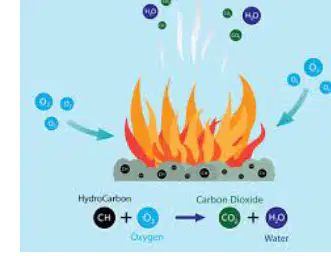
What are the products when a hydrocarbon combusts in the presence of oxygen?
Carbon dioxide and water
Hydrogen and oxygen
Nitrogen and methane
Carbon monoxide and hydrogen
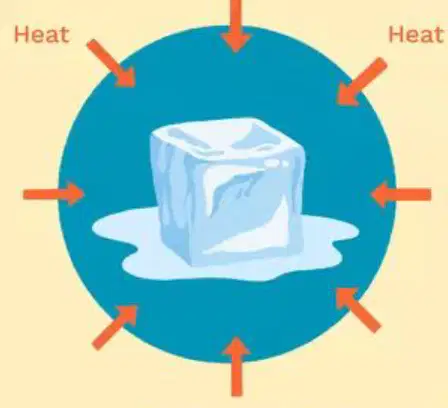
Which of the following best describes an endothermic reaction?
The reaction releases heat and feels hot
The reaction absorbs heat and feels cooler than its surroundings
The reaction produces light
The reaction is always explosive
Which statement is true about the total energy of a system before and after a chemical reaction?
The total energy is always less after the reaction
The total energy is always more after the reaction
The total energy is the same before and after the reaction
The total energy is unpredictable
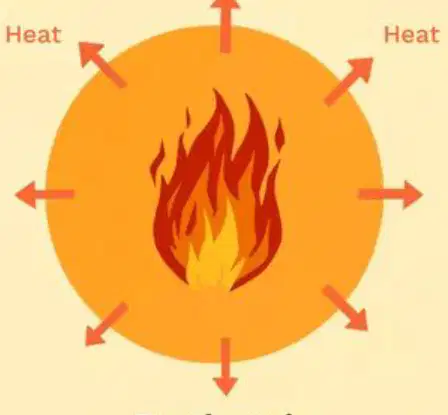
Why does an exothermic reaction feel hot to the touch?
Because it absorbs heat from your hand
Because it releases heat to the surroundings
Because it turns into a solid
Because it uses up all the energy
What is an endothermic reaction?
A chemical reaction in which heat is absorbed
A chemical reaction in which heat is released
A chemical reaction that produces light
A chemical reaction that produces sound
In an endothermic reaction, what happens to the potential energy of the system?
It increases
It decreases
It stays the same
It disappears
Which of the following best describes the direction of heat flow in an endothermic reaction?
Heat flows into the system from the surroundings
Heat flows out of the system to the surroundings
Heat flows equally in both directions
No heat flow occurs
In an exothermic reaction, what happens to the heat?
It is released to the surroundings
It is absorbed from the surroundings
It is stored in the products
It disappears completely
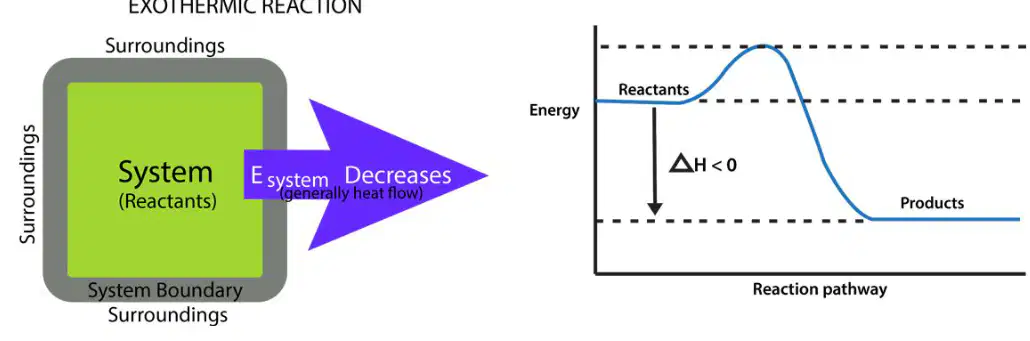
Based on the diagram, what does the arrow labeled "E system Decreases" indicate in an exothermic reaction?
The system is losing energy, usually as heat
The system is gaining energy from the surroundings
The system is not changing energy
The system is converting energy to light

